How to Repair Microsoft Edge in Windows 11

Repairing Microsoft Edge in Windows 11 fixes browser crashes, freezes, and slow loading by replacing damaged program files, and it usually takes about 2 minutes. Microsoft Edge is the default web browser built into Windows 11, and Windows uses it for some other features too, so a broken Edge can affect more than web browsing.
The built-in repair gives the application a clean start while keeping your saved passwords, bookmarks, and open tabs safe. You run it from the Windows settings menu, and it does not delete any personal data. It works on both Windows 11 Home and Pro.
Open Settings Apps Installed apps, find Microsoft Edge, click the three dots next to it, select Modify, then click Repair. The tool downloads and reinstalls Edge files in about 2 minutes while keeping your bookmarks and passwords safe.
Prerequisites: Before You Start
The repair tool downloads missing files, so it needs an active network connection. It also cannot replace files that Edge is still using, so any leftover Edge process in the background can make the repair fail or stall. Use Task Manager to shut those processes down first. The checklist below covers everything to do beforehand.
- Check Internet: You need an active connection to download new files. Open any website in another browser, or check the network icon in the taskbar , to confirm you are online. If you use a VPN or a metered connection, turn the VPN off for now so the download is not blocked.
- Close Processes: Open Task Manager (Ctrl+Shift+Esc) and find all Microsoft Edge processes. Edge often runs several at once, grouped under one entry on the Processes tab. Select each one and click End task. You should see the entries disappear from the list. Save anything you were working on in the browser first, because ending the task closes your tabs without warning.
- Clear Cache: If the browser still opens, clear your cache by pressing Ctrl+Shift+Del. In the Clear browsing data window, tick only Cached images and files, pick a time range, and clear it. Leave the password and form data boxes unticked so you keep your saved logins. Old cache files cause many slow-loading problems, so this step alone sometimes solves the issue.
- Update Windows: Make sure your system is up to date via Settings Windows Update . Edge gets many of its fixes through Windows updates, and a pending update can be the actual cause of the problem. Install whatever is waiting and restart if Windows asks you to.
How to Repair Microsoft Edge via Settings
Repairing Microsoft Edge through Settings fixes most browser problems quickly without losing your saved passwords, history, or favorites. This built-in Windows tool reinstalls the browser files while keeping your personal profile data safe. You reach it through the main Windows Settings app by finding the browser in your installed apps list.
If the Modify option is missing or greyed out, the PC is probably managed by an organization, or Edge was installed in a way that blocks changes. In that case, skip ahead to the PowerShell or reinstall methods below.
- Open the Settings app by pressing Win+I. The Settings window should open.
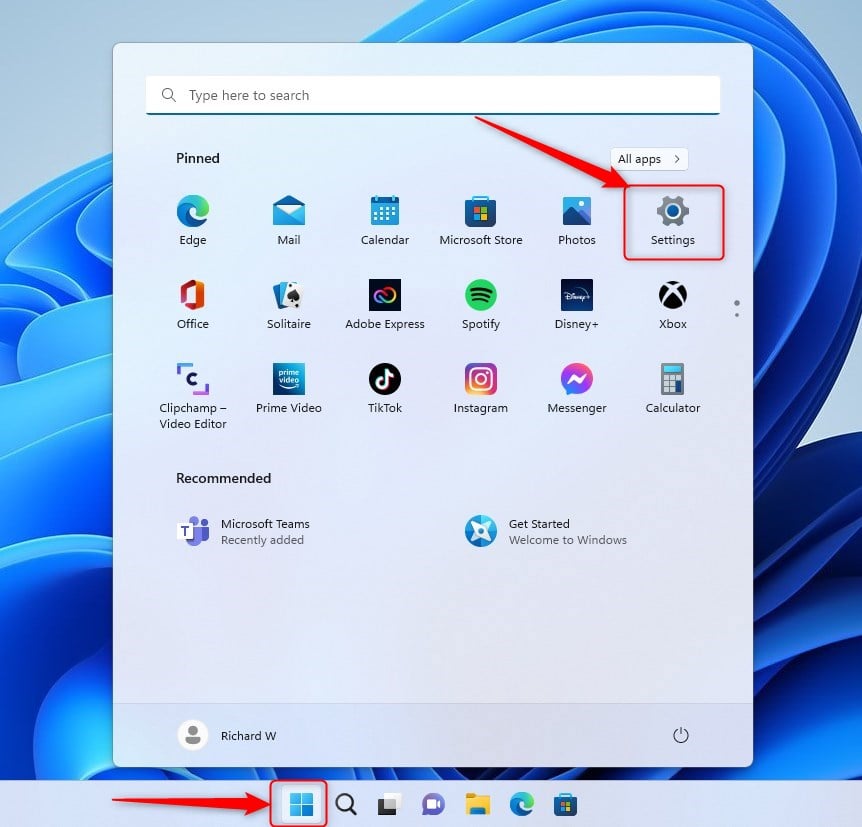
windows 11 new settings button - Select Apps from the left sidebar. The Apps page opens on the right.
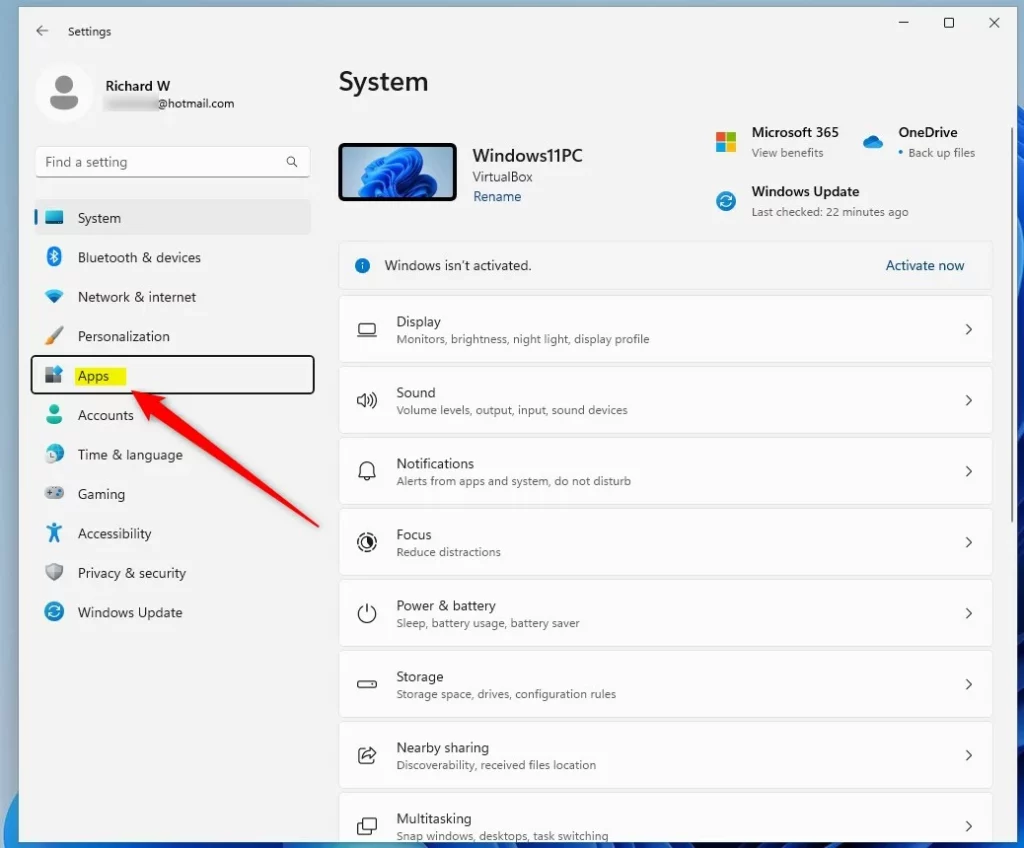
windows 11 settings apps on menu - Click Installed apps. You should see a list of every program on the PC.
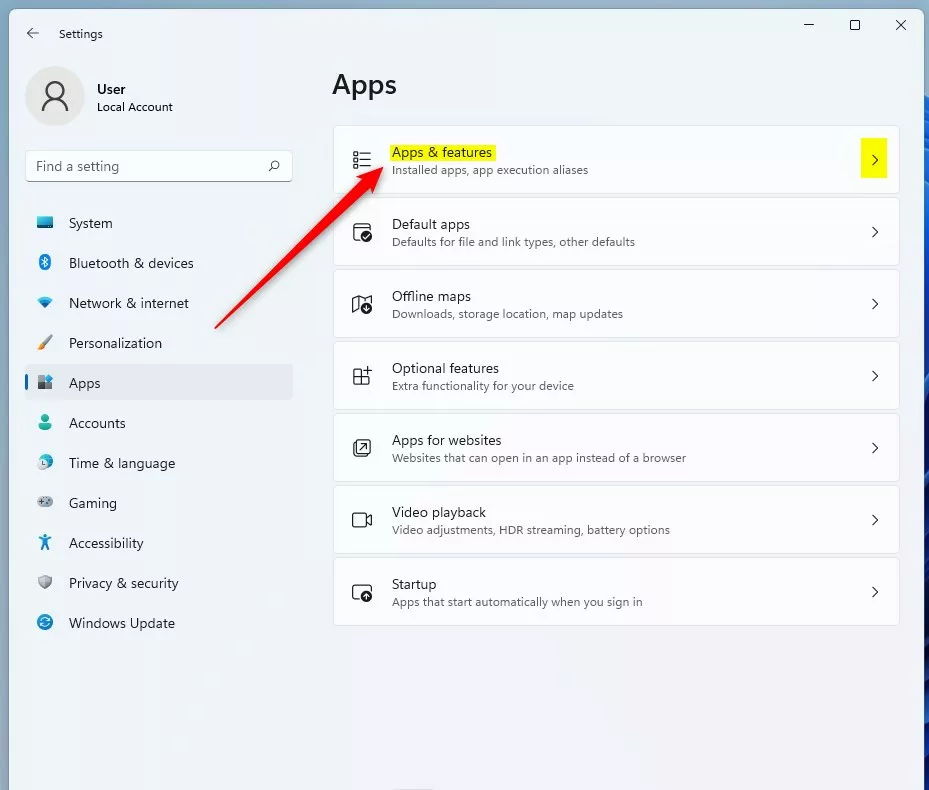
windows 11 apps and features tile - Find Microsoft Edge in the list. If the list is long, type “Edge” in the search box above it.
- Click the three dots next to the name and select Modify. A User Account Control prompt may appear, and a repair window will open after you approve it.

windows 11 repair microsoft edge browser - Click the Repair button. [REQUIRES ADMIN PRIVILEGES] . Click Yes if prompted. The tool starts downloading and reinstalling the Edge files.

windows 11 repair microsoft edge button - Wait for the process to finish. This normally takes a couple of minutes, depending on your connection speed. Do not shut down the PC or close the window while it runs.
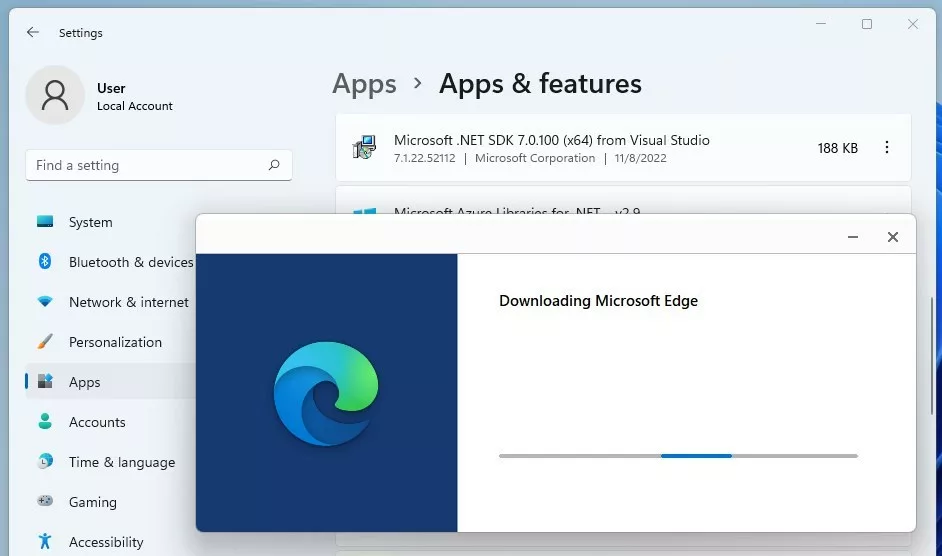
windows 11 repair microsoft edge download - Edge will restart automatically. Check that your bookmarks and saved passwords are still there, then test the problem that made you run the repair. A restart of Windows is not normally needed, but it can help if the problem continues.
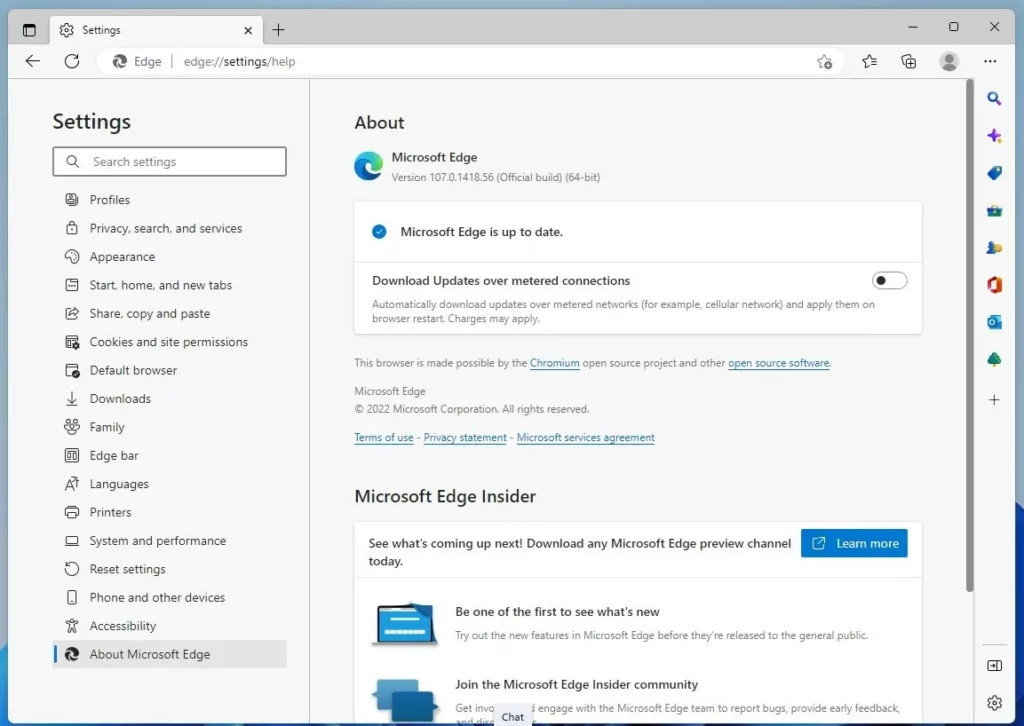
windows 11 repair microsoft edge about page
Difference Between Repair, Reset, and Reinstall
Repair, reset, and reinstall are three different fixes, and it is important to know which one to use. Start with the mildest and move up only if the problem stays:
- Repair: Replaces missing or corrupted files. Keeps your data. Try this first for crashes, freezes, and Edge not opening.
- Reset: Clears your settings, extensions, and cookies. Keeps your bookmarks and passwords. You do this from inside Edge's own settings, and it suits problems caused by a bad setting, a faulty extension, or a hijacked start page.
- Reinstall: Removes the browser entirely and installs a fresh version. Use this if the repair fails. Turn on sync in Edge first, if you can, so your favorites and passwords come back after you sign in.
Advanced Troubleshooting
Using PowerShell to Reinstall
If the standard repair fails, you can use PowerShell. [REQUIRES ADMIN PRIVILEGES] .
Run PowerShell as an administrator, because the command needs elevated rights to change system files. Right-click the Start button and choose the Terminal (Admin) or Windows PowerShell (Admin) entry, then approve the User Account Control prompt. Wait for the command to finish before you close the window, and open Edge afterwards to test it.
winget repair Microsoft.Edge
Using System File Checker
Windows might have system-wide corruption. [REQUIRES ADMIN PRIVILEGES] .
These scans also need an administrator window, and they can take several minutes, so let them run to the end. If a scan reports that it repaired files, restart the PC and then try the Edge repair again.
sfc /scannow
Manual Reinstallation
The installer puts a fresh copy of Edge over the damaged one, and your profile usually stays intact. To be safe, make sure sync is on in Edge before you do this, or note down anything you cannot afford to lose. Restart the PC when the installer finishes.
Summary
Repairing Microsoft Edge is an easy way to fix browser crashes or slow performance using Windows Settings, and it won't delete your saved info. Prepare first by closing all Edge processes and checking your connection. The built-in repair often works. For tougher problems, work up through the other options in order: a reset, the PowerShell method, a system file check, and finally a reinstall with the official installer.
Have a question about this guide?
Answered by AI from this guide. Good questions may be added to this page — please don't include personal details.
Did this guide fix your problem?

About the Author
Richard
Tech Writer, IT Professional
Richard is a writer at Geek Rewind who turns complex IT tasks into clear, step-by-step guides. He draws on years of hands-on experience in system administration and enterprise IT operations, focusing on Windows, Linux and WordPress: the problems people actually run into, and the fixes that work. His server and WordPress guides come from systems he runs himself. Richard builds and maintains the platform behind Geek Rewind, from its Ubuntu servers and Nginx configuration to its custom WordPress plugins. Many new tutorials start with readers' questions, and he's always glad to answer them in the comments.
[…] The Microsoft Edge browser is the default browser in Windows 11. However, users can switch to their preferred or favorite browser anytime. Edge is based on Chromium, similar to Google Chrome and other Chromium-based browsers today. […]
[…] The Microsoft Edge browser is the default browser in Windows 11. However, users can switch to their preferred or favorite browser anytime. Edge is based on Chromium, similar to Google Chrome and other Chromium-based browsers today. […]
[…] The Microsoft Edge browser is the default browser in Windows 11. However, users can switch to their preferred or favorite browser anytime. Edge is based on Chromium, similar to Google Chrome and other Chromium-based browsers today. […]
[…] The Microsoft Edge browser is the default browser in Windows 11. However, users can switch to their preferred or favorite browser anytime. Edge is based on Chromium, similar to Google Chrome and other Chromium-based browsers today. […]
[…] The Microsoft Edge browser is the default browser in Windows 11. However, users can switch to their preferred or favorite browser anytime. Edge is based on Chromium, similar to Google Chrome and other Chromium-based browsers today. […]
[…] The Microsoft Edge browser is the default browser in Windows 11. However, users can switch to their preferred or favorite browser anytime. Edge is based on Chromium, similar to Google Chrome and other Chromium-based browsers today. […]
[…] The Microsoft Edge browser is the default browser in Windows 11. However, users can switch to their preferred or favorite browser anytime. Edge is based on Chromium, similar to Google Chrome and other Chromium-based browsers today. […]
[…] The Microsoft Edge browser is the default browser in Windows 11. However, users can switch to their preferred or favorite browser anytime. Edge is based on Chromium, similar to Google Chrome and other Chromium-based browsers today. […]
[…] The Microsoft Edge browser is the default browser in Windows 11. However, users can switch to their preferred or favorite browser anytime. Edge is based on Chromium, similar to Google Chrome and other Chromium-based browsers today. […]
[…] The Microsoft Edge browser is the default browser in Windows 11. However, users can switch to their preferred or favorite browser anytime. Edge is based on Chromium, similar to Google Chrome and other Chromium-based browsers today. […]
[…] The Microsoft Edge browser is the default browser in Windows 11. However, users can switch to their preferred or favorite browser anytime. Edge is based on Chromium, similar to Google Chrome and other Chromium-based browsers today. […]
[…] The Microsoft Edge browser is the default browser in Windows 11. However, users can switch to their preferred or favorite browser anytime. Edge is based on Chromium, similar to Google Chrome and other Chromium-based browsers today. […]
[…] The Microsoft Edge browser is the default browser in Windows 11. However, users can switch to their preferred or favorite browser anytime. Edge is based on Chromium, similar to Google Chrome and other Chromium-based browsers today. […]
[…] The Microsoft Edge browser is the default browser in Windows 11. However, users can switch to their preferred or favorite browser anytime. Edge is based on Chromium, similar to Google Chrome and other Chromium-based browsers today. […]
[…] The Microsoft Edge browser is the default browser in Windows 11. However, users can switch to their preferred or favorite browser anytime. Edge is based on Chromium, similar to Google Chrome and other Chromium-based browsers today. […]
[…] The Microsoft Edge browser is the default browser in Windows 11. However, users can switch to their preferred or favorite browser anytime. Edge is based on Chromium, similar to Google Chrome and other Chromium-based browsers today. […]
[…] Microsoft Edge browser is the default browser in Windows 11. However, users can switch to their preferred or favorite […]
[…] Microsoft Edge is the default browser in Windows 11. However, users can switch to their preferred or favorite browser anytime. Edge is based on Chromium, similar to Google Chrome and other Chromium-based browsers today. […]
[…] Microsoft Edge is the default browser in Windows 11. However, users can switch to their preferred or favorite browser anytime. Edge is based on Chromium, similar to Google Chrome and other Chromium-based browsers today. […]
[…] Microsoft Edge is the default browser in Windows 11. However, users can switch to their preferred or favorite browser anytime. Edge is based on Chromium, similar to Google Chrome and other Chromium-based browsers today. […]
[…] Microsoft Edge is the default browser in Windows 11. However, users can switch to their preferred or favorite browser anytime. Edge is based on Chromium, similar to Google Chrome and other Chromium-based browsers today. […]
[…] Microsoft Edge is the default browser in Windows 11. However, users can switch to their preferred or favorite browser anytime. Edge is based on Chromium, similar to Google Chrome and other Chromium-based browsers today. […]
[…] Microsoft Edge is the default browser in Windows 11. However, users can switch to their preferred or favorite browser anytime. Edge is based on Chromium, similar to Google Chrome and other Chromium-based browsers today. […]
[…] Microsoft Edge is the default browser in Windows 11. However, users can switch to their preferred or favorite browser anytime. Edge is based on Chromium, similar to Google Chrome and other Chromium-based browsers today. […]
[…] Microsoft Edge is the default browser in Windows 11. However, users can switch to their preferred or favorite browser anytime. Edge is based on Chromium, similar to Google Chrome and other Chromium-based browsers today. […]
[…] Microsoft Edge is the default browser in Windows 11. However, users can switch to their preferred or favorite browser anytime. Edge is based on Chromium, similar to Google Chrome and other Chromium-based browsers today. […]
[…] Microsoft Edge is the default browser in Windows 11. However, users can switch to their preferred or favorite browser anytime. Edge is based on Chromium, similar to Google Chrome and other Chromium-based browsers today. […]
[…] Microsoft Edge is the default browser in Windows 11. However, users can switch to their preferred or favorite browser anytime. Edge is based on Chromium, similar to Google Chrome and other Chromium-based browsers today. […]
[…] Microsoft Edge is the default browser in Windows 11. However, users can switch to their preferred or favorite browser anytime. Edge is based on Chromium, similar to Google Chrome and other Chromium-based browsers today. […]
[…] Microsoft Edge is the default browser in Windows 11. However, users can switch to their preferred or favorite browser anytime. Edge is based on Chromium, similar to Google Chrome and other Chromium-based browsers today. […]
[…] Microsoft Edge is the default browser in Windows 11. However, users can switch to their preferred or favorite browser anytime. Edge is based on Chromium, similar to Google Chrome and other Chromium-based browsers today. […]
[…] Microsoft Edge is the default browser in Windows 11. However, users can switch to their preferred or favorite browser anytime. Edge is based on Chromium, similar to Google Chrome and other Chromium-based browsers today. […]
[…] Microsoft Edge is the default browser in Windows 11. However, users can switch to their preferred or favorite browser anytime. Edge is based on Chromium, similar to Google Chrome and other Chromium-based browsers today. […]
[…] This post shows students and new users steps to turn Sleeping Tabs on or off when using the Microsoft Edge browser. […]
[…] This post shows students and new users steps to turn PC gaming on or off with efficiency mode when using the Microsoft Edge browser. […]
[…] Microsoft Edge is the default browser in Windows 11. However, users can switch to their preferred or favorite browser anytime. Edge is based on Chromium, similar to Google Chrome and other Chromium-based browsers today. […]
[…] Microsoft Edge browser is the default browser in Windows 11. However, users can switch to their preferred or favorite […]
[…] Microsoft Edge is the default browser in Windows 11. However, users can switch to their preferred or favorite browser anytime. Edge is based on Chromium, similar to Google Chrome and other Chromium-based browsers today. […]
[…] Microsoft Edge is the default browser in Windows 11. However, users can switch to their preferred or favorite browser anytime. Edge is based on Chromium, similar to Google Chrome and other Chromium-based browsers today. […]
[…] Microsoft Edge is the default browser in Windows 11. However, users can switch to their preferred or favorite browser anytime. Edge is based on Chromium, similar to Google Chrome and other Chromium-based browsers today. […]
[…] Microsoft Edge is the default browser in Windows 11. However, users can switch to their preferred or favorite browser anytime. Edge is based on Chromium, similar to Google Chrome and other Chromium-based browsers today. […]
[…] Microsoft Edge is the default browser in Windows 11. However, users can switch to their preferred or favorite browser anytime. Edge is based on Chromium, similar to Google Chrome and other Chromium-based browsers today. […]
[…] Microsoft Edge is the default browser in Windows 11. However, users can switch to their preferred or favorite browser anytime. Edge is based on Chromium, similar to Google Chrome and other Chromium-based browsers today. […]
[…] Microsoft Edge is the default browser in Windows 11. However, users can switch to their preferred or favorite browser anytime. Edge is based on Chromium, similar to Google Chrome and other Chromium-based browsers today. […]
[…] Microsoft Edge is the default browser in Windows 11. However, users can switch to their preferred or favorite browser anytime. Edge is based on Chromium, similar to Google Chrome and other Chromium-based browsers today. […]
[…] Microsoft Edge is the default browser in Windows 11. However, users can switch to their preferred or favorite browser anytime. Edge is based on Chromium, similar to Google Chrome and other Chromium-based browsers today. […]
[…] Microsoft Edge is the default browser in Windows 11. However, users can switch to their preferred or favorite browser anytime. Edge is based on Chromium, similar to Google Chrome and other Chromium-based browsers today. […]
[…] Microsoft Edge is the default browser in Windows 11. However, users can switch to their preferred or favorite browser anytime. Edge is based on Chromium, similar to Google Chrome and other Chromium-based browsers today. […]
[…] Microsoft Edge is the default browser in Windows 11. However, users can switch to their preferred or favorite browser anytime. Edge is based on Chromium, similar to Google Chrome and other Chromium-based browsers today. […]
[…] Microsoft Edge is the default browser in Windows 11. However, users can switch to their preferred or favorite browser anytime. Edge is based on Chromium, similar to Google Chrome and other Chromium-based browsers today. […]
[…] Microsoft Edge is the default browser in Windows 11. However, users can switch to their preferred or favorite browser anytime. Edge is based on Chromium, similar to Google Chrome and other Chromium-based browsers today. […]
[…] Microsoft Edge is the default browser in Windows 11. However, users can switch to their preferred or favorite browser anytime. Edge is based on Chromium, similar to Google Chrome and other Chromium-based browsers today. […]
[…] The Microsoft Edge browser is the default browser in Windows 11. However, users can switch to their preferred or favorite browser anytime. Edge is based on Chromium, similar to Google Chrome and other Chromium-based browsers today. […]
[…] The Microsoft Edge browser is the default browser in Windows 11. However, users can switch to their preferred or favorite browser anytime. Edge is based on Chromium, similar to Google Chrome and other Chromium-based browsers today. […]
[…] The Microsoft Edge browser is the default browser in Windows 11. However, users can switch to their preferred or favorite browser anytime. Edge is based on Chromium, similar to Google Chrome and other Chromium-based browsers today. […]
[…] Microsoft Edge is the default browser in Windows 11. However, users can switch to their preferred or favorite browser anytime. Edge is based on Chromium, similar to Google Chrome and other Chromium-based browsers today. […]
[…] Microsoft Edge is the default browser in Windows 11. However, users can switch to their preferred or favorite browser anytime. Edge is based on Chromium, similar to Google Chrome and other Chromium-based browsers today. […]
[…] The Microsoft Edge browser is the default browser in Windows 11. However, users can switch to their preferred or favorite browser anytime. Edge is based on Chromium, similar to Google Chrome and other Chromium-based browsers today. […]
[…] The Microsoft Edge browser is the default browser in Windows 11. However, users can switch to their preferred or favorite browser anytime. Edge is based on Chromium, similar to Google Chrome and other Chromium-based browsers today. […]
[…] The Microsoft Edge browser is the default browser in Windows 11. However, users can switch to their preferred or favorite browser anytime. Edge is based on Chromium, similar to Google Chrome and other Chromium-based browsers today. […]
[…] the steps to turn on or off Advanced graphics with Microsoft Defender Application Guard for the Microsoft Edge browser in Windows […]
[…] the steps to turn on or off print files from the Microsoft Defender Application Guard for the Microsoft Edge browser in Windows […]
[…] Microsoft Edge is the default browser in Windows 11. However, users can switch to their preferred or favorite browser anytime. Edge is based on Chromium, similar to Google Chrome and other Chromium-based browsers today. […]
[…] The Microsoft Edge browser is the default browser in Windows 11. However, users can switch to their preferred or favorite browser anytime. Edge is based on Chromium, similar to Google Chrome and other Chromium-based browsers today. […]
[…] The Microsoft Edge browser is the default browser in Windows 11. However, users can switch to their preferred or favorite browser anytime. Edge is based on Chromium, similar to Google Chrome and other Chromium-based browsers today. […]
[…] Microsoft Edge is the default browser in Windows 11. However, users can switch to their preferred or favorite browser anytime. Edge is based on Chromium, similar to Google Chrome and other Chromium-based browsers today. […]
[…] Microsoft Edge is the default browser in Windows 11. However, users can switch to their preferred or favorite browser anytime. Edge is based on Chromium, similar to Google Chrome and other Chromium-based browsers today. […]
[…] a web browser developed by Google that runs on multiple platforms. It shares the same codebase as Microsoft Edge, making the two browsers nearly identical in their basic […]
[…] a web browser developed by Google that runs on multiple platforms. It shares the same codebase as Microsoft Edge, making the two browsers nearly identical in their basic […]
[…] a web browser developed by Google that runs on multiple platforms. It shares the same codebase as Microsoft Edge, making the two browsers nearly identical in their basic […]
[…] Microsoft Edge is the default browser in Windows 11. However, users can switch to their preferred or favorite browser anytime. Edge is based on Chromium, similar to Google Chrome and other Chromium-based browsers today. […]
[…] Microsoft Edge is the default browser in Windows 11. However, users can switch to their preferred or favorite browser anytime. Edge is based on Chromium, similar to Google Chrome and other Chromium-based browsers today. […]
[…] Microsoft Edge is the default browser in Windows 11. However, users can switch to their preferred or favorite browser anytime. Edge is based on Chromium, similar to Google Chrome and other Chromium-based browsers today. […]
[…] a web browser developed by Google that runs on multiple platforms. It shares the same codebase as Microsoft Edge, making the two browsers nearly identical in their basic […]
[…] a web browser developed by Google that runs on multiple platforms. It shares the same codebase as Microsoft Edge, making the two browsers nearly identical in their basic […]
[…] a web browser developed by Google that runs on multiple platforms. It shares the same codebase as Microsoft Edge, making the two browsers nearly identical in their basic […]
[…] a web browser developed by Google that runs on multiple platforms. It shares the same codebase as Microsoft Edge, making the two browsers nearly identical in their basic […]
[…] a web browser developed by Google that runs on multiple platforms. It shares the same codebase as Microsoft Edge, making the two browsers nearly identical in their basic […]
[…] a web browser developed by Google that runs on multiple platforms. It shares the same codebase as Microsoft Edge, making the two browsers nearly identical in their basic […]
[…] a web browser developed by Google that runs on multiple platforms. It shares the same codebase as Microsoft Edge, making the two browsers nearly identical in their basic […]
[…] a web browser developed by Google that runs on multiple platforms. It shares the same codebase as Microsoft Edge, making the two browsers nearly identical in their basic […]
[…] browser developed by Google that runs on multiple platforms. It shares the same codebase as Microsoft Edge, making the two browsers nearly identical in their basic […]
[…] a web browser developed by Google that runs on multiple platforms. It shares the same codebase as Microsoft Edge, making the two browsers nearly identical in their basic […]
[…] a web browser developed by Google that runs on multiple platforms. It shares the same codebase as Microsoft Edge, making the two browsers nearly identical in their basic […]
[…] a web browser developed by Google that runs on multiple platforms. It shares the same codebase as Microsoft Edge, making the two browsers nearly identical in their basic […]
[…] a web browser developed by Google that runs on multiple platforms. It shares the same codebase as Microsoft Edge, making the two browsers nearly identical in their basic […]
[…] a web browser developed by Google that runs on multiple platforms. It shares the same codebase as Microsoft Edge, making the two browsers nearly identical in their basic […]
[…] Microsoft Edge is the default browser in Windows 11. However, users can switch to their preferred or favorite browser anytime. Edge is based on Chromium, similar to Google Chrome and other Chromium-based browsers today. […]
[…] a web browser developed by Google that runs on multiple platforms. It shares the same codebase as Microsoft Edge, making the two browsers nearly identical in their basic […]
[…] Microsoft Edge is the default browser in Windows 11. However, users can switch to their preferred or favorite browser anytime. Edge is based on Chromium, similar to Google Chrome and other Chromium-based browsers today. […]
[…] Microsoft Edge is the default browser in Windows 11. However, users can switch to their preferred or favorite browser anytime. Edge is based on Chromium, similar to Google Chrome and other Chromium-based browsers today. […]
[…] Microsoft Edge is the default browser in Windows 11. However, users can switch to their preferred or favorite browser anytime. Edge is based on Chromium, similar to Google Chrome and other Chromium-based browsers today. […]
[…] Microsoft Edge is the default browser in Windows 11. You can switch to their preferred or favorite browser if you want to use a different one. Edge is based on Chromium, which is the same technology used by Google Chrome and many other web browsers. […]
[…] Microsoft Edge browser is the default browser in Windows 11. However, users can switch to their preferred or […]
[…] Microsoft Edge browser is the default browser in Windows 11. But you can switch to preferred or favorite browser whenever you want. Edge is based on Chromium, which is the same code that powers Google Chrome and many other browsers today. […]
[…] Microsoft Edge browser is the default browser in Windows 11. However, users can switch to their preferred or […]
[…] Microsoft Edge browser is the default browser in Windows 11. You can switch to their preferred or favorite browser if you want to use a different one. Edge is based on Chromium, which is the same technology used by Google Chrome and many other browsers. […]
[…] Microsoft Edge browser is the default browser in Windows 11. You can switch to their preferred or favorite browser to a different browser anytime if you prefer. Edge works similarly to Google Chrome and other browsers built on Chromium technology. […]
[…] Microsoft Edge browser is the default browser in Windows 11. However, users can switch to their preferred or favorite browser anytime. Edge is based on Chromium, similar to Google Chrome and other Chromium-based browsers today. […]
[…] article explains how to install or remove Microsoft Defender Application Guard for the Microsoft Edge browser in Windows […]
[…] Edge Microsoft Edge browser is the default browser for Windows 11. You can switch to their preferred or favorite browser […]
[…] Edge Microsoft Edge browser is the default web browser for Windows 11. While you can switch to their preferred or favorite […]
[…] The Microsoft Edge browser is the default browser in Windows 11. However, users can switch to their preferred or favorite browser anytime. Edge is based on Chromium, similar to Google Chrome and other Chromium-based browsers today. […]
[…] to Re-Sync Microsoft Edge Browser […]
[…] Microsoft Edge browser is the default browser in Windows 11 and 12. However, users can switch to their preferred or […]
[…] Edge Microsoft Edge browser is the default browser for Windows 11. Most people use it every day, but you can switch to their […]
[…] Edge Microsoft Edge browser is the default browser for Windows. You can switch to their preferred or favorite browser […]
[…] Microsoft Edge browser is the default browser for Windows 11 and 12. You can switch to their preferred or favorite […]
[…] Edge Microsoft Edge browser is the web browser built into Windows 11. You can also switch to their preferred or favorite […]
[…] How to Repair Microsoft Edge in Windows 11 […]