How to Turn “Show New Tab Menu” on or off in Microsoft Edge


The “Show new tab menu” feature in Microsoft Edge adds a shortcut button to your toolbar for quick access to tab groups, recent history, and closed tabs. You can turn this button on or off in a few clicks from the Microsoft Edge appearance settings.
Hiding the menu clears extra clutter from your browser bar. Keeping it on gives you fast shortcuts for everyday browsing. The change takes effect straight away, needs no restart, and is the same for Home and Pro editions of Windows 11, because it is an Edge setting and not a Windows one.
Open Microsoft Edge, click the three dots in the top right, select Settings, click Appearance, find Show new tab menu under Customize toolbar, and toggle it On or Off. The toolbar updates with no restart needed.
Add or remove the “New tab menu” in Edge
You show or hide the new tab menu with a single switch in Edge settings. Open the menu with the three dots in the top right corner, pick Settings, and go to the Appearance section. There you can turn the new tab menu on or off.
It does not delete tabs, groups, or history, so you can flip it back and forth without losing anything.
- Open the Microsoft Edge browser. A normal browser window should appear. If Edge is already open, use that window.
- Click the Settings and more button (the three dots icon) in the top right corner. A drop-down menu opens.
- Select Settings from the menu. The Settings page opens in a new tab, with a list of categories on the left.

Microsoft Edge browser has more options and settings - On the left side of the screen, click Appearance. The page on the right changes to show the look and feel options.
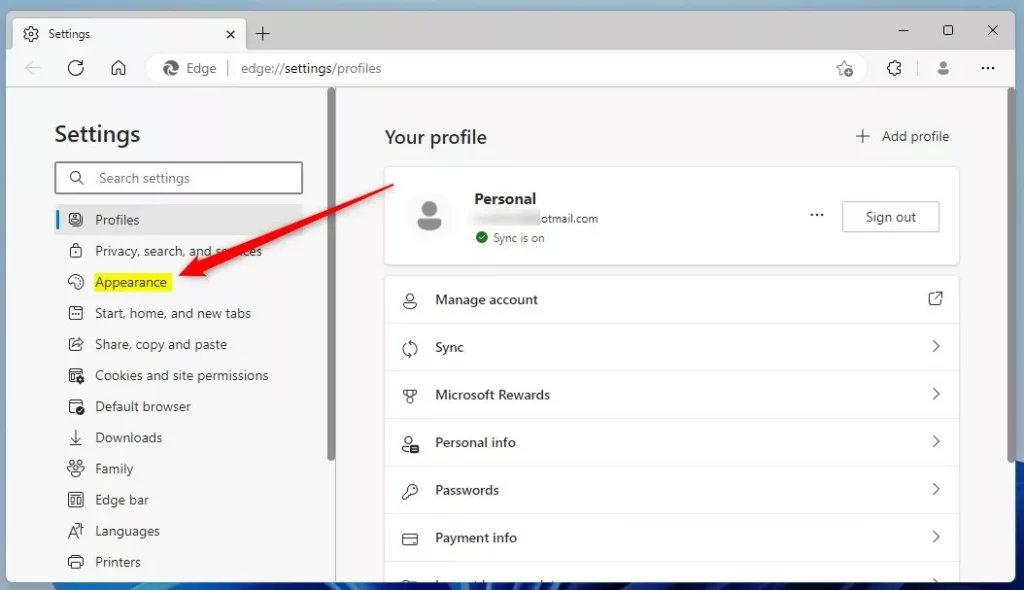
Microsoft Edge settings appearance - Look for the Customize toolbar section on the right. You may need to scroll down a little to see it.
- Find the Show new tab menu option in that section.
- Click the toggle switch to turn it On or Off. A blue switch means it is on. A grey switch means it is off. The toolbar updates at once, so you do not need to save anything.
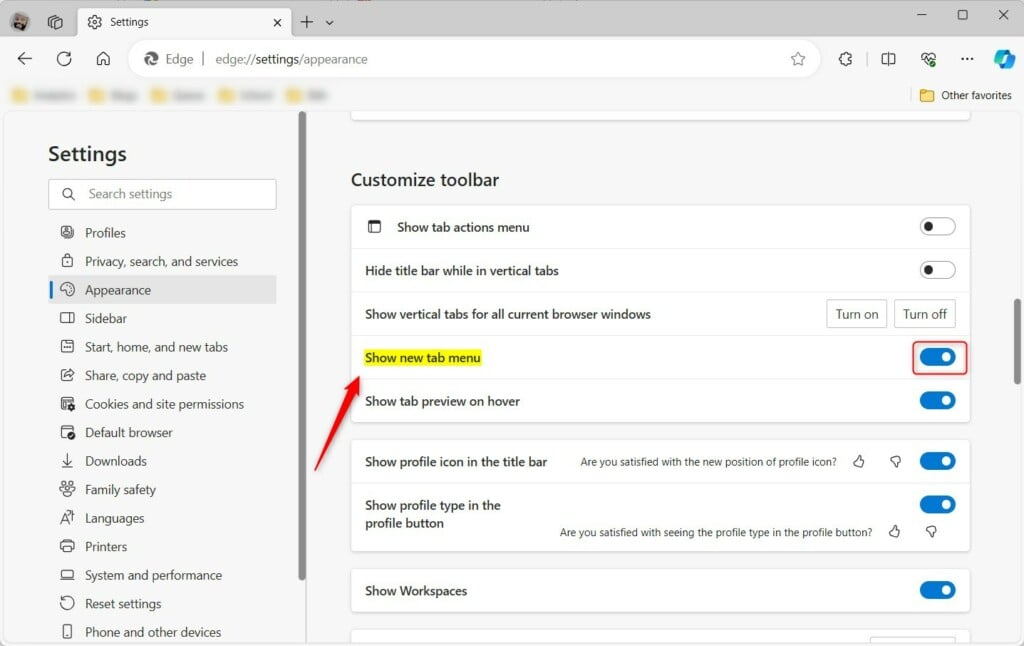
Add or remove the New tab menu in Edge
If the switch is greyed out or the page says your browser is managed by your organization, a policy set by your administrator controls it. On a work or school PC, you will need to ask your IT team to change it.
If you turn it on, the menu icon appears on your toolbar immediately. Click it to get to your tab groups, recent history, and recently closed tabs without opening other menus or pages.
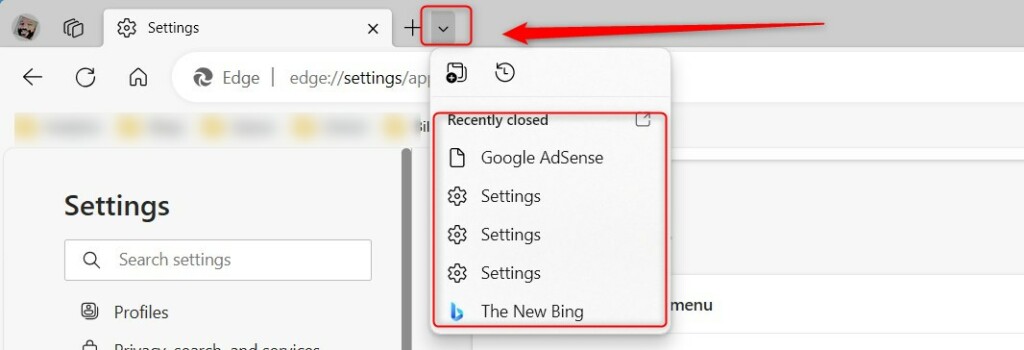
To hide the menu again, go back to the same page and switch Show new tab menu to Off. The icon disappears from the toolbar right away. Turning the switch back on restores it.
Conclusion
Turning on the new tab menu makes it easier to keep your tabs grouped and organized, and it puts closed tabs and recent history one click away. If you prefer a cleaner look with fewer buttons, turn it off to keep your toolbar simple. You can change your mind at any time, since the setting is only a toggle.
Have a question about this guide?
Answered by AI from this guide. Good questions may be added to this page — please don't include personal details.
Did this guide fix your problem?

About the Author
Richard
Tech Writer, IT Professional
Richard is a writer at Geek Rewind who turns complex IT tasks into clear, step-by-step guides. He draws on years of hands-on experience in system administration and enterprise IT operations, focusing on Windows, Linux and WordPress: the problems people actually run into, and the fixes that work. His server and WordPress guides come from systems he runs himself. Richard builds and maintains the platform behind Geek Rewind, from its Ubuntu servers and Nginx configuration to its custom WordPress plugins. Many new tutorials start with readers' questions, and he's always glad to answer them in the comments.
No comments yet — be the first to share your thoughts!