How to Enable Energy Saver in Google Chrome

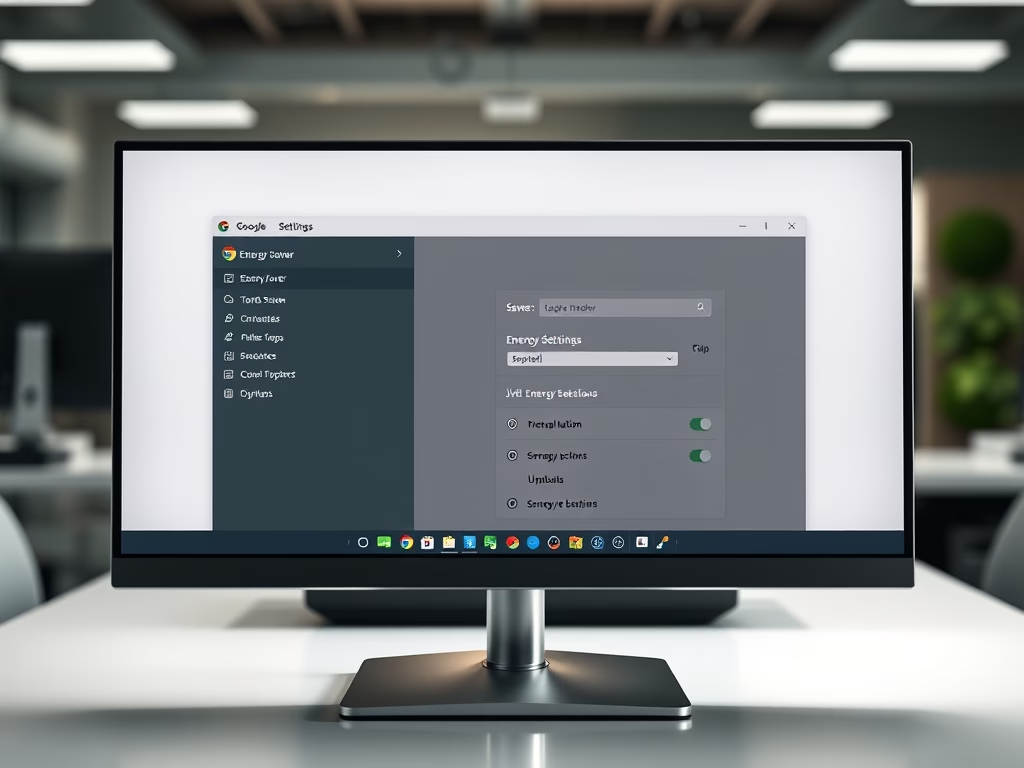
Energy Saver in Google Chrome is a built-in feature that makes your laptop battery last longer. It does this by cutting back on background activity, visual effects, and some extra plugins. Chrome can turn it on by itself when your battery drops to 20 percent or when your laptop is unplugged from power.
You can also turn on Energy Saver manually at any time to stretch your battery life while browsing on the go. This guide shows the normal way through Chrome’s settings and an advanced method through the Windows Registry. The steps are written for current Chrome on Windows 11. Chrome updates often, so a label may differ slightly on an older build.
Open Google Chrome, click the three vertical dots in the top right, select Settings, click Performance on the left menu, then toggle Energy Saver on. Choose when it applies, such as when battery reaches 20 percent or unplugged.
Why use Energy Saver?
Energy Saver helps your laptop battery last longer by limiting background activity when your charge drops to 20 percent. It is most useful when you are away from a charger and have many tabs open.
The setting only appears on devices that have a battery. If you use a desktop PC, you may not see the option at all. If you have a laptop and still do not see it, update Chrome to the latest version and check again.
What happens when done?
Once enabled, Chrome will use less power when your battery is low. This might slightly slow down animations, video frame rates, or background tasks to save energy.
Pages still load and work as normal. You may just notice smoother effects such as scrolling animations becoming a little less fluid. If that bothers you, turn Energy Saver off using the steps below, and your battery will drain a bit faster.
How to turn Energy Saver on or off in Chrome
To enable Energy Saver in Google Chrome, open your browser and go to the settings menu to find the performance controls. The whole process takes less than a minute and does not need a restart. You turn the feature on or off in Chrome's Performance settings, which you reach in three short stages below.
- Open the Google Chrome browser. Chrome should now show a browser window with the address bar and toolbar at the top.
- Click the three vertical dots in the top right corner and choose Settings. A new tab opens with Chrome's settings and a menu down the left side.
- Click Performance in the menu on the left side of your screen. If you do not see it, update Chrome first, because older versions do not have this page. The right side now shows the performance options.
- Find the Energy Saver option on the right. It sits in the power section of the page. On a PC without a battery, this section may be missing.
- Use the toggle switch to turn it On or Off. Depending on your Chrome version, you may also get a choice of when it applies, such as when the battery reaches 20 percent or when the computer is unplugged. Pick the one that suits you. When Energy Saver is active, Chrome may show an Energy Saver icon in the toolbar.
Alternatively, type chrome://settings/performance into your browser's address bar to go there directly. To undo the change later, return to the same page and switch the toggle back.
Advanced: Enable or Disable using the Registry
You can enable Chrome Energy Saver using the Windows Registry if you prefer a system-level fix over the browser menus. This method requires administrator privileges and careful handling of system settings. A wrong edit in the registry can cause problems, so only follow it if you are comfortable with that. It works on both Windows 11 Home and Pro.
Copy them exactly, because a small typo will create a setting that Chrome ignores.
- Close Chrome completely so it picks up the change when you reopen it.
- Open the Start menu, search for Registry Editor, and run it as administrator. Approve the prompt if Windows asks for permission.
- Go to the key shown for this method. If any part of the path does not exist yet, create it.
- Add or edit the value shown, and set it to the data given. Click OK to save it.
- Close Registry Editor.
You might need to restart your computer for these changes to take effect. After that, open Chrome and go to Settings Performance to check the result. A setting applied this way may appear locked or be managed by your system, which means you can no longer change it in the browser. To undo it, delete the value you added in Registry Editor, or restore your backup, then restart Chrome.
Summary
The Energy Saver feature in Chrome is a handy tool for extending your laptop's battery life. For most people, the Performance page in Chrome's settings is all you need. The Windows Registry option is there if you want a system-level setting, but take a backup first.
Did this guide fix your problem?

About the Author
Richard
Tech Writer, IT Professional
Richard is a writer at Geek Rewind who turns complex IT tasks into clear, step-by-step guides. He draws on years of hands-on experience in system administration and enterprise IT operations, focusing on Windows, Linux and WordPress: the problems people actually run into, and the fixes that work. His server and WordPress guides come from systems he runs himself. Richard builds and maintains the platform behind Geek Rewind, from its Ubuntu servers and Nginx configuration to its custom WordPress plugins. Many new tutorials start with readers' questions, and he's always glad to answer them in the comments.
[…] can turn Energy saver on or off laptops and desktops anytime. This feature can be toggled via Quick Settings in the system tray, even for PCs plugged in to […]
[…] can turn Energy saver on or off laptops and desktops anytime. This feature can be toggled via Quick Settings in the system tray, even for PCs plugged […]