How to Open Windows Terminal as Admin Automatically


- 2 ways to do it
- Needs administrator rights
Windows Terminal can open Command Prompt, PowerShell, or a Linux distribution with full administrator rights every time you start it. Terminal puts all your command-line tools in one tabbed window. Windows 11 includes it (from version 22H2, it is also the default console app). On Windows 10 version 1903 or newer, you install it free from the Microsoft Store.
These tweaks save you from right-clicking the app and choosing Run as administrator each time. They do not bypass security. Windows still shows the User Account Control (UAC) prompt on every launch. If you sign in with a standard account, UAC asks for an administrator’s password. If you use an administrator account, you just click Yes.
There are three ways to do this: a setting in the app, a line in the JSON configuration file, or a desktop shortcut. Pick one. You don’t need all three.
Open Windows Terminal, go to Settings, select a profile, and toggle “Run this profile as Administrator” to On. Save the changes. This will prompt a User Account Control (UAC) confirmation each time you launch that profile.
Method 1Use the Settings Menu
The first method uses the profile settings inside Windows Terminal. Each tool (Windows PowerShell, Command Prompt, Ubuntu, and so on) is a separate profile, and you can mark any profile to always run elevated. This suits you if you only need admin rights for one or two tools and want the others to stay at normal permissions.
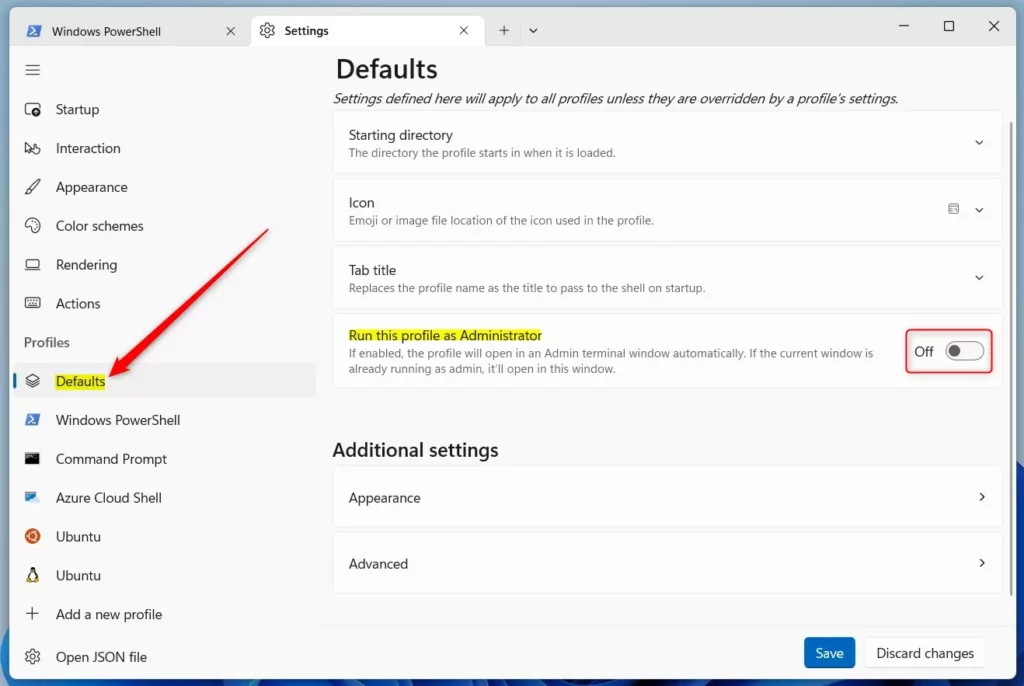
Work through the steps below in order. When you open a profile’s settings page, look for the toggle named Run this profile as Administrator. Turn it on, then click Save at the bottom of the page. If you set it on Defaults instead of a single profile, every profile will run elevated, which is rarely what you want.
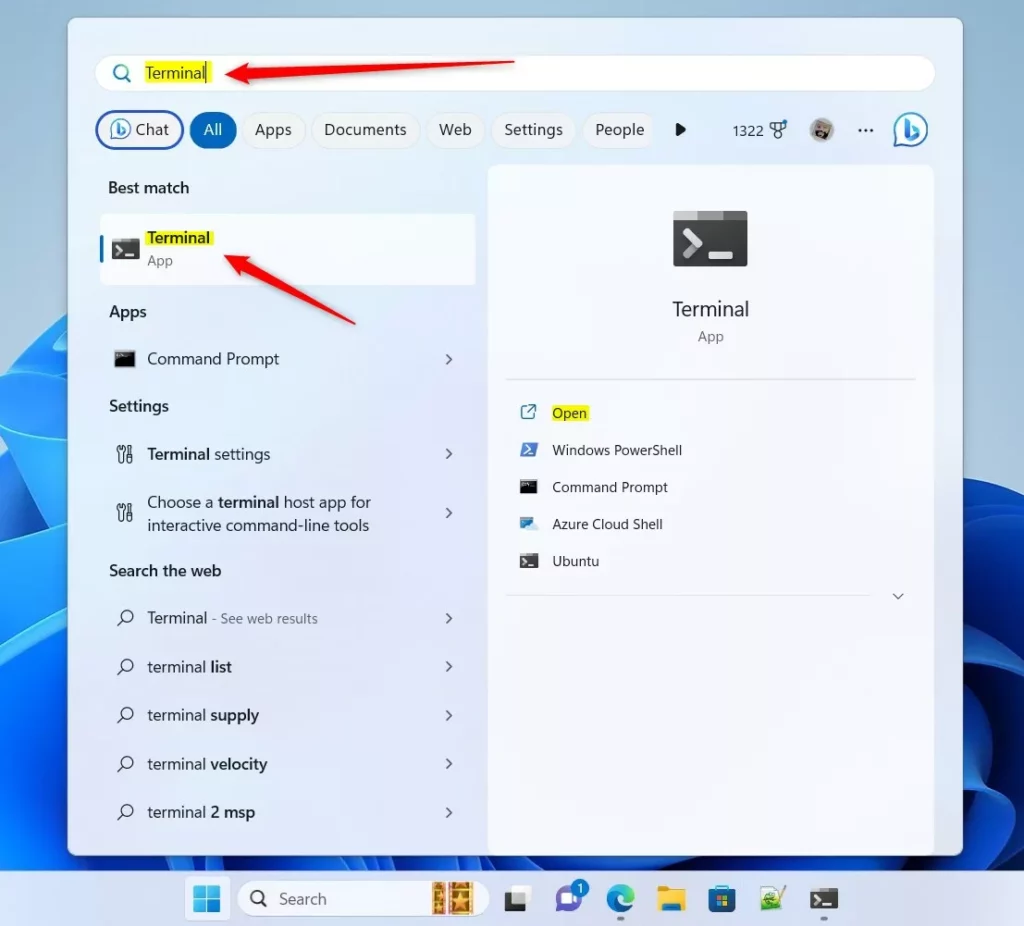
- Open Windows Terminal.
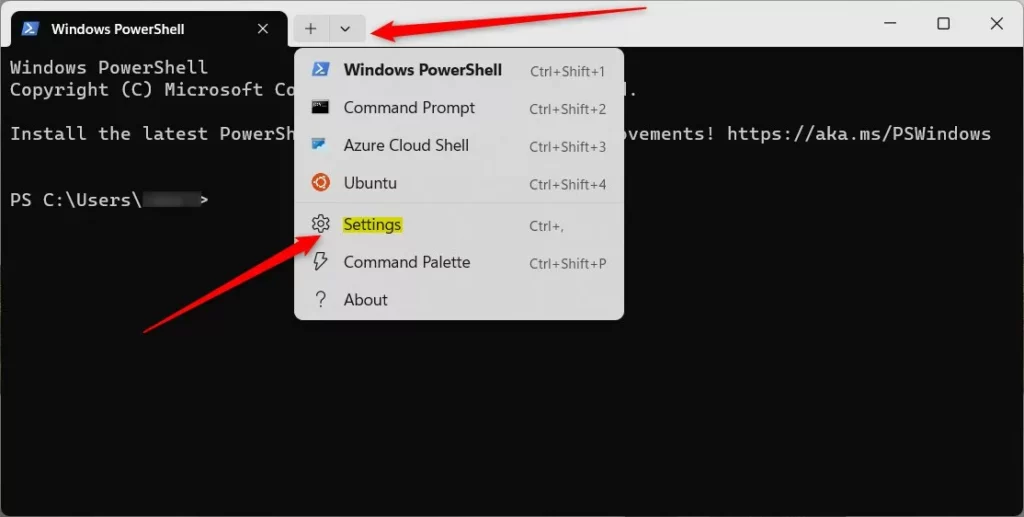
- Click the down arrow in the top bar and select Settings.
- ⚠️ ADMIN REQUIRED: In the sidebar, select the specific profile (e.g., PowerShell or Command Prompt) or Defaults to apply it to all.
- Toggle the Run this profile as Administrator switch to On.
- Click Save.
The change takes effect the next time you open that profile. You don’t need to restart Windows. Close Terminal fully and reopen it to test. You should see the UAC prompt, and the window title should start with “Administrator:”.
If the toggle is missing, update Windows Terminal from the Microsoft Store. Very old builds don’t have it. To undo the change, go back to the same page, turn the toggle off, and save.
Method 2Edit the JSON Settings File
The second method edits the configuration file (settings.json) directly. It does the same job as the toggle, but you can copy the change between PCs, keep it in a backup, or apply it to several profiles quickly. You add one line to the profile you want to run elevated. That line is "elevate": true.
Place the line inside the correct profile’s braces, and keep the commas exactly as the surrounding entries have them. A missing or extra comma is the most common mistake in JSON, and it makes Terminal show a warning about the settings file. Copy the file somewhere safe before you edit it.
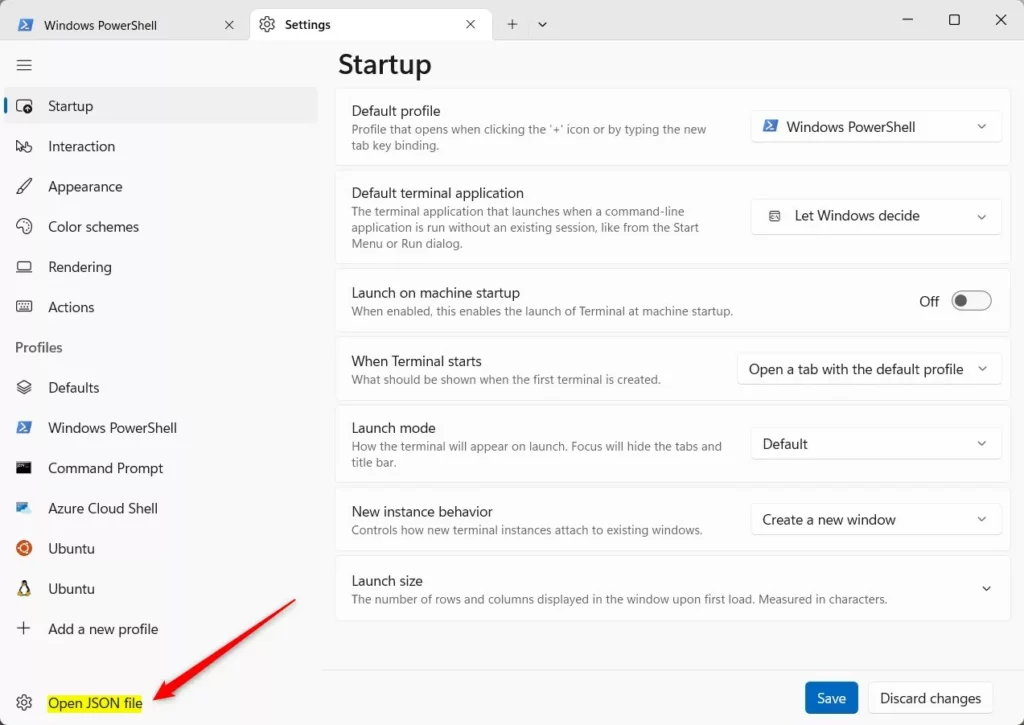
- Open Settings in Windows Terminal.
- Click Open JSON file at the bottom left.
- Locate the
"profiles"or"defaults"section. - Add the line
"elevate": true,to the desired profile block.
Save the file and Terminal reloads it automatically. If you see an error banner afterward, recheck the commas and quotation marks. To undo the change, delete the line (or restore your backup) and save again.
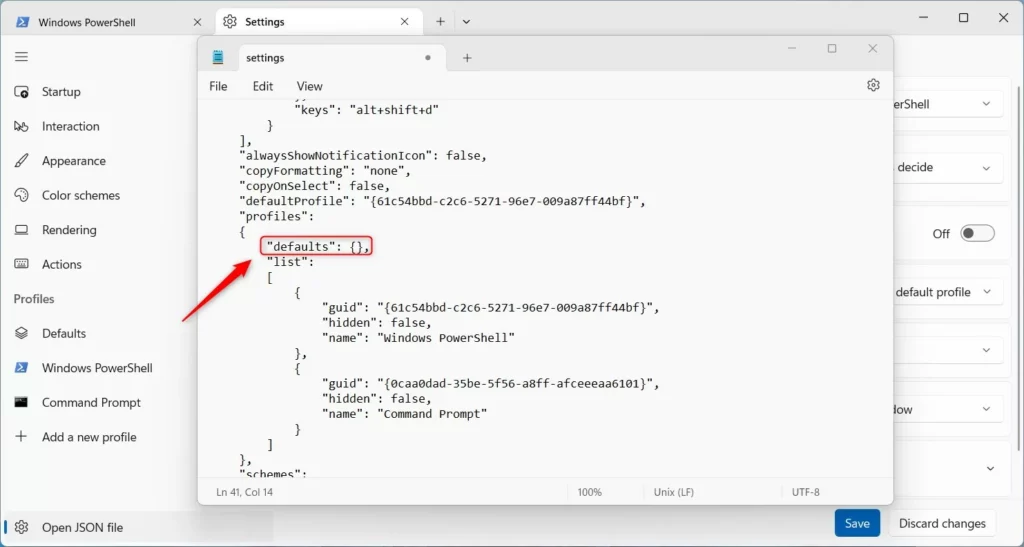
"defaults":
{
    "elevate": true
},
Creating a Desktop Shortcut for Admin Access
The third method is a dedicated desktop shortcut. A double-click on it launches Terminal with elevated permissions every time, no matter how Terminal's own settings are configured. It is the best choice if you want one icon that always opens a full-access console and you'd rather keep your normal Start menu entry unelevated.
The key part of this method is the shortcut's Advanced button on the Shortcut tab of its Properties window. There you tick Run as administrator and click OK. Click Apply before closing the Properties window, or the change is lost. The shortcut icon will then show a small shield overlay.
- Right-click on your desktop and select New > Shortcut.
- Type
wt.exein the location box. - Click Next and name the shortcut.
- Right-click the new shortcut and select Properties.
- Click the Advanced button.
- Check the box Run as administrator and click OK.
If the Run as administrator box is greyed out, you probably created a shortcut type that doesn't support it. Create a new shortcut to the Terminal app instead. To undo the change, open the shortcut's Properties and clear the checkbox, or simply delete the shortcut.
Command-Line Execution and wt.exe
Windows Terminal also accepts launch parameters, called arguments. For example, you can force an elevated window from the Run dialog (Win+R) by typing powershell -Command "Start-Process wt.exe -Verb RunAs". Press Enter and approve the UAC prompt. This is handy for scripts, batch files, or quick access when you don't want to change any settings.
Summary
To sum up, Windows Terminal opens as admin either by turning on the profile setting in the graphical interface or by adding "elevate": true to the JSON configuration. A desktop shortcut with Run as administrator enabled works well for custom workflows. Whichever you choose, expect a UAC prompt on every launch. Only run elevated terminals when you need them, because any command you type has full control of the system. For advanced configuration, consult the official Microsoft documentation.
Have a question about this guide?
Answered by AI from this guide. Good questions may be added to this page — please don't include personal details.
Did this guide fix your problem?

About the Author
Richard
Tech Writer, IT Professional
Richard is a writer at Geek Rewind who turns complex IT tasks into clear, step-by-step guides. He draws on years of hands-on experience in system administration and enterprise IT operations, focusing on Windows, Linux and WordPress: the problems people actually run into, and the fixes that work. His server and WordPress guides come from systems he runs himself. Richard builds and maintains the platform behind Geek Rewind, from its Ubuntu servers and Nginx configuration to its custom WordPress plugins. Many new tutorials start with readers' questions, and he's always glad to answer them in the comments.
[…] open Windows Terminal and select the PowerShell […]
[…] open the Windows Terminal app as […]
[…] First, open the Windows Terminal app as administrator. […]
[…] open the Windows Terminal app as administrator and select the PowerShell […]
[…] the Windows Terminal app can reset WSL Ubuntu […]
[…] do that, first, open the Windows Terminal app as an administrator. Then, you can use either the Windows PowerShell or Command Prompt […]
[…] open Windows Terminal as administrator, and select Windows PowerShell or Command […]
[…] open the Windows Terminal app and select the PowerShell […]
[…] do that, first, open the Windows Terminal as administrator and select the PowerShell […]
[…] open the Windows Terminal app as administrator. Then, run the command below using either the Command Prompt or Windows PowerShell […]
[…] open the Windows Terminal app as administrator or learn how to create a shortcut on your […]
[…] Make sure you run the Windows Terminal app as administrator. […]
[…] the language, adjust the launch size, set the default profile, change the startup behavior, open the admin window, open Terminal automatically at startup, add copy selection to the clipboard […]
[…] the command line [Windows Terminal], run the command below to start and stop all […]
[…] Open the Windows Terminal app as administrator. […]
[…] you can turn autoSwitch on or off using the Windows Terminal […]
[…] open the Windows Terminal as an administrator, and select Windows PowerShell or Command […]
[…] Learn more about opening Windows Terminal as admin […]
[…] Open Terminal as Administrator. […]
[…] For help opening Windows Terminal, see this guide. […]
[…] you want, you can also open Windows Terminal with admin rights by following this […]
[…] Windows Terminal as an Administrator: Click here to learn how if you’re not […]
[…] Open Windows Terminal as an administrator. Click the Start button, type Windows Terminal, right-click it, and select Run as administrator. Learn more about opening Windows Terminal as admin […]
[…] Open Windows Terminal. […]
[…] Open Windows Terminal as Administrator. You can do this by searching “Windows Terminal” in the Start menu, right-clicking it, and choosing Run as administrator. […]
[…] Windows Terminal (Admin). Choose either PowerShell or Command […]
[…] Right-click the Start button and choose Windows Terminal (Admin). […]
[…] Windows Terminal: Right-click the Start button and select Windows Terminal (Admin) or search for “Windows Terminal” and open it as […]
[…] the Start button and choose Windows Terminal (Admin). If prompted by User Account Control, click […]
[…] Right-click the Start button and select Windows Terminal (Admin). […]
[…] Right-click the Start button and select Windows Terminal (Admin). […]
[…] FLAG: Admin privileges required. Open Windows Terminal as an Administrator. You can read how to open Windows Terminal as admin here. […]
[…] Right-click the Start button and select Windows Terminal (Admin). […]
[…] Tip: You can also set Windows Terminal to always open as administrator. Learn how here. […]
[…] 🔒 ADMIN REQUIRED: Open the Windows Terminal app as an administrator. Click the Start button and type “Windows Terminal.” Right-click the result and choose Run as administrator. Need help? Check here: Open Windows Terminal as admin […]
[…] Open PowerShell as administrator. open Windows Terminal ad administrator […]
[…] change the language, adjust the launch size, set the default profile, change the startup behavior, open the admin window, open Terminal automatically at startup, add copy selection to the clipboard automatically, and […]
[…] can use these commands in the Windows Terminal app or the Windows Terminal app. If you are not sure how to open these, learn how to create a shortcut […]
[…] the Windows Terminal app as an […]
[…] the Windows Terminal app. Note: This step requires admin […]
[…] First, open the Windows Terminal app. […]
[…] open the Terminal app. Then, type the following command to see a list of your installed speech […]
[…] Click the Start button and type “Terminal.” […]