How to Reset Local Security Policy in Windows 11

Local Security Policy in Windows 11 is a built-in settings manager. It controls strict computer rules, such as password length requirements and which accounts are allowed to sign in and how.
Resetting this tool puts your security rules back to their original defaults. That clears out custom changes made by you, another admin or an app, which can cause system errors or login blocks.
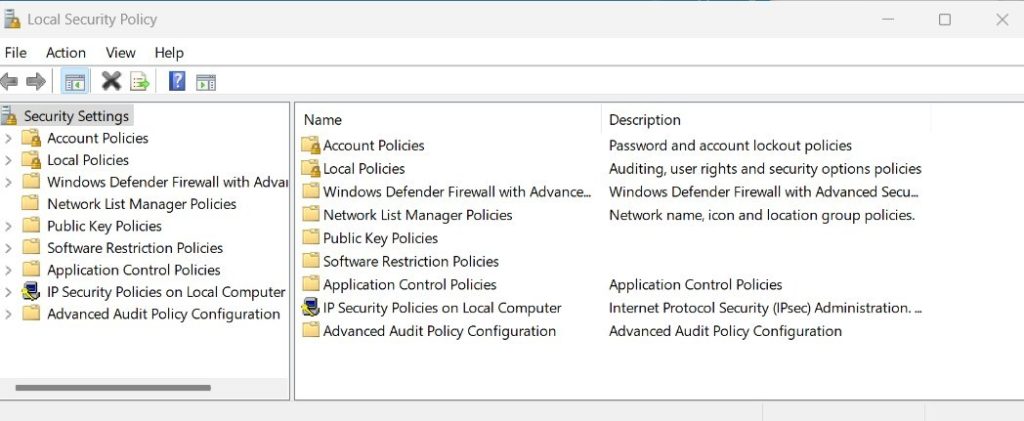
You can open the tool by typing secpol.msc into the Windows search bar . Restoring the defaults fixes many broken permissions without a Windows 11 reinstall. This guide is for Windows 11 Pro, Enterprise and Education, since those editions include the tool.
Open Windows Terminal as Administrator, type secedit /configure /cfg 📂%windir%\
What is Local Security Policy?
Local Security Policy is a Windows tool that manages your computer’s security rules. These rules cover things like who can log in, how strong passwords must be, how many failed sign-ins lock an account, and which users can do things like shut down the PC or change the system time.
The rules are stored on the computer itself, which is why the tool is called “local.” If your PC is joined to a work or school domain, some of these rules may be pushed down from a server and can return after you reset them.
If you use Windows 11 Home, you won’t see this tool. Home doesn’t include the Local Security Policy console, so searching for it returns nothing. You can change some similar settings through the Registry Editor. Not every rule is available there, so for a full reset you would need a Pro edition.
Why Reset Local Security Policy?
You should reset local security policy when misconfigured security rules cause software conflicts or login errors on your PC. Resetting the policy restores the default security settings and clears out accidental changes that block apps or system features from working properly.
It is a good fix when you can't tell which single setting is the problem. Instead of hunting through hundreds of rules, you start again from a known baseline.
- Someone may have changed security settings by mistake, or a "hardening" script or app may have changed them. This can cause problems such as users being unable to sign in, apps failing to start, or network sharing breaking. Resetting fixes those problems.
- It brings back the original security rules. These rules are what Microsoft intended for a standard install, and they keep your computer safe.
- Checking and resetting these settings from time to time helps avoid security issues. This is especially true on a PC that has had a lot of tweaking over the years.
If you set a custom password rule for a reason, you will need to set it again afterward.
How to Reset Local Security Policy in 🪟 Windows 11
- [Requires Admin Privileges] Open Windows Terminal as an Administrator. Not sure how? Check Click here to learn how. When the User Account Control prompt appears, click Yes. You should now see a terminal window with "Administrator" in the title bar. If you don't see that word, the command in the next step will fail with an access error, so close the window and try again.
- Type this command into the Terminal window and press Enter. Copy it exactly, including the spaces:
secedit /configure /cfg %windir%\inf\defltbase.inf /db defltbase.sdb /verbose - Wait for the process to finish. You'll see messages on the screen showing it's working. This can take a minute or two, so don't close the window. When the prompt returns, read the last lines. Some warnings about individual items can appear, but a message saying the task completed means the reset ran.
- Restart your computer. This applies all the changes. After you sign back in, open Local Security Policy again and check that the setting that was causing trouble has returned to its default.
If you want a way back, export your current rules before step 2. Open Local Security Policy, click Action in the menu bar, and choose Export Policy. Save the file somewhere safe. You can bring it back later with Action Import Policy.
To reset local security policy in Windows 11, you need to run a built-in command-line tool with administrator rights. Open Windows Terminal as an administrator, run the security configuration command to wipe out custom rules, and then restart your computer to apply the default settings.
The whole job takes only a few minutes. The restart is required, because some of the rules are not applied until the next startup.
Quick Tips
- You can also run the command in Command Prompt as Administrator if you prefer that instead of Windows Terminal. It must also be opened as administrator, and the command works the same way.
- Always back up your important files before making changes to your system. A restore point is also worth creating, and exporting your current policy as described above gives you a copy of the old rules.
- If you're unsure about any step, ask for help or read trusted guides online. On a work PC, check with your IT department first, because company rules may be enforced and can reappear after the reset.
Summary
Resetting the Local Security Policy can fix issues caused by incorrect security settings and is mainly for Windows 11 Pro and similar versions. Open Windows Terminal as an administrator, run the command, wait for it to finish, and restart. If you want to be able to go back, export your current policy first.
Do you have questions? Did this help you? Please leave a comment below!
Have a question about this guide?
Answered by AI from this guide. Good questions may be added to this page — please don't include personal details.
Did this guide fix your problem?

About the Author
Richard
Tech Writer, IT Professional
Richard is a writer at Geek Rewind who turns complex IT tasks into clear, step-by-step guides. He draws on years of hands-on experience in system administration and enterprise IT operations, focusing on Windows, Linux and WordPress: the problems people actually run into, and the fixes that work. His server and WordPress guides come from systems he runs himself. Richard builds and maintains the platform behind Geek Rewind, from its Ubuntu servers and Nginx configuration to its custom WordPress plugins. Many new tutorials start with readers' questions, and he's always glad to answer them in the comments.
No comments yet — be the first to share your thoughts!