How to Add Windows 11 Resource Widgets Using Dev Home

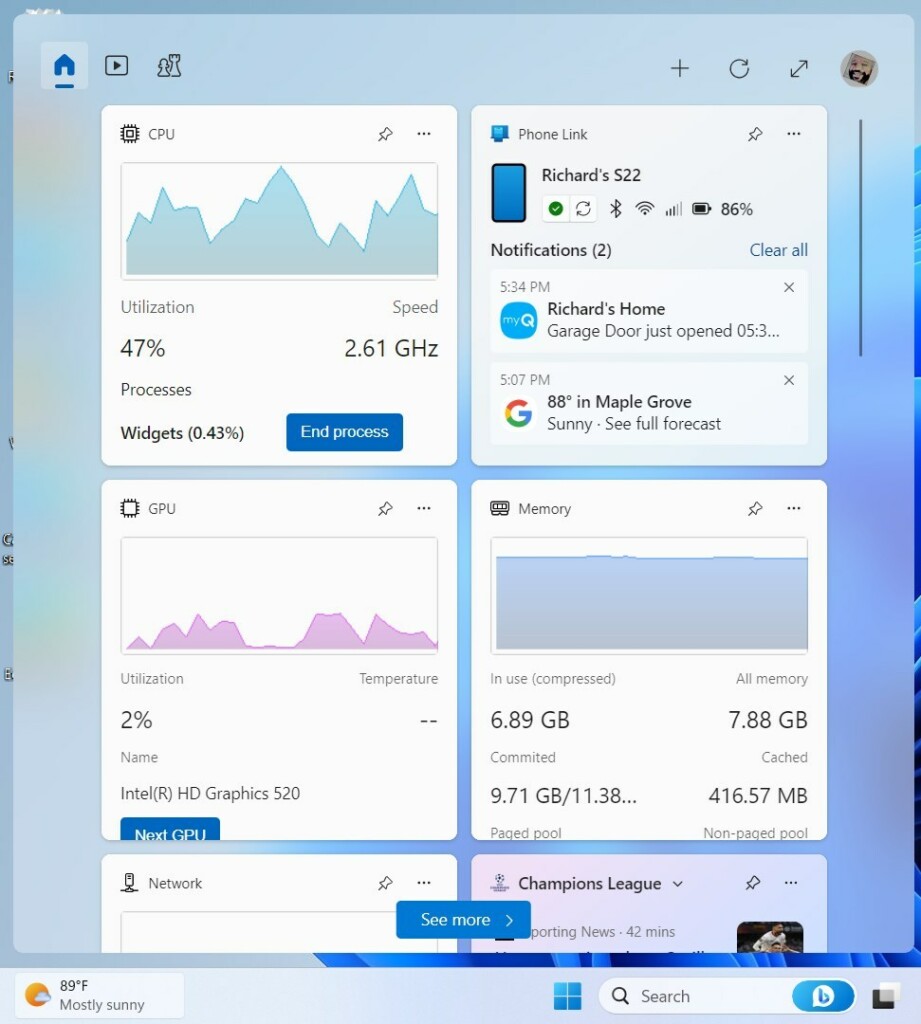
Windows 11 resource widgets add live performance meters for your CPU, memory, and graphics card (GPU) to the Widgets panel. They come from the free Dev Home app, which you get from the Microsoft Store. With them you can watch hardware usage in real time without opening Task Manager .
To check your stats, press Win+W to open the panel. Press the same keys again, or click anywhere outside the panel, to close it. The widgets work the same on Windows 11 Home and Pro. You don’t need to restart for them to work.
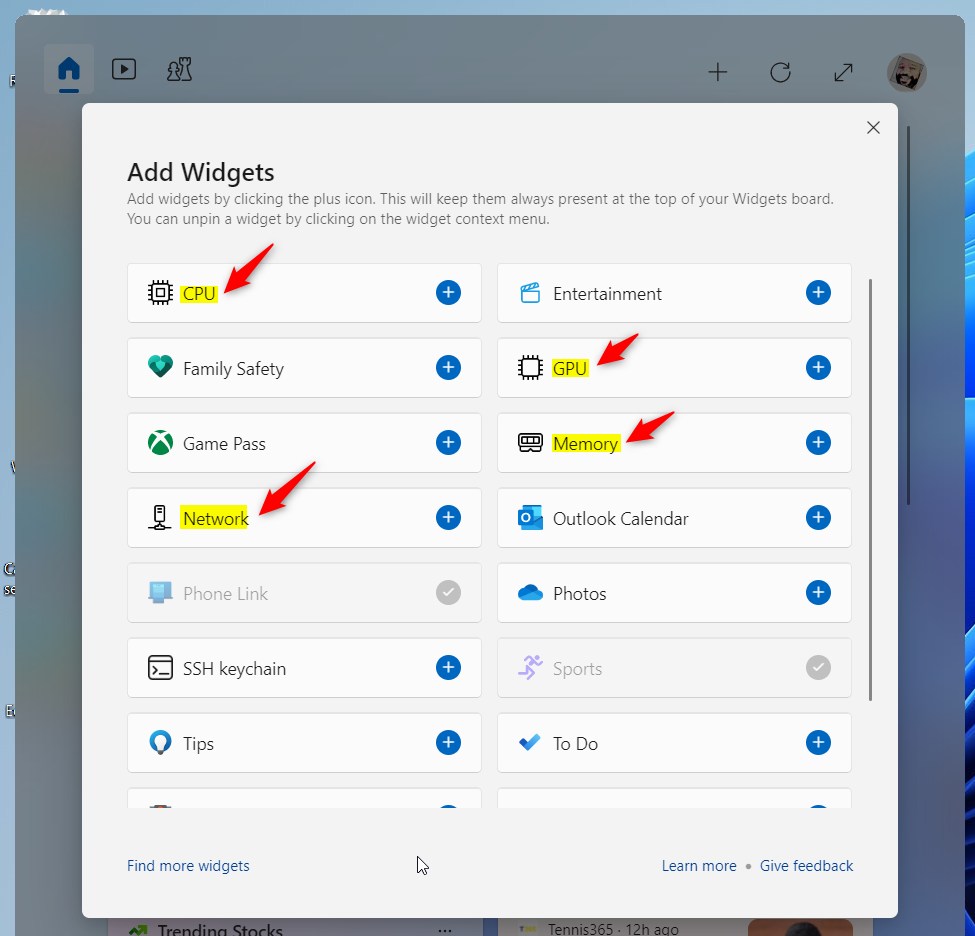
Install Dev Home from the Microsoft Store or Windows Terminal using the command `winget install –id Microsoft.DevHome -e`. After installation, open your Widgets board, click “Add” next to the desired hardware like CPU or Memory, and close the window.
Installing the Dev Home App
The Windows Dev Home app app is an open-source tool for developers. Among other things, it lets you add widgets that track the health of your system. There are two ways to install it :
- From the Microsoft Store, which is the easiest option if you prefer clicking.
- From the command line, which is covered below.
Dev Home is a Microsoft project, and Microsoft has said it is retiring the app. If you can’t find it in the Store, or it no longer gets updates, check Microsoft’s current guidance before you rely on these widgets long term.
Steps to Install Dev Home
- Open the Windows Terminal app. Note: This step requires admin privileges. The quickest way is to right-click the Start button and choose Terminal (Admin). Approve the User Account Control prompt. A terminal window opens, and its title bar or tab should show that it is running as administrator.
- Type the following command and press Enter:
winget install --id Microsoft.DevHome -e. If you’d rather not type it, copy it and paste it into the terminal with a right-click. Check that the command is exactly as shown before you press Enter. You may see download and progress messages while it runs. - Wait for the success message to appear in the terminal. Don’t close the window before it appears. Once it does, Dev Home is installed and you will find it in the Start menu . If you see an error instead, make sure you opened the terminal as administrator and that you are online, then run the command again.
Installing Dev Home (an app for managing developer tools and system monitors) on Windows 11 takes just a couple of minutes from the command line. You run a single command in Windows Terminal. It downloads the latest version straight from Microsoft and puts it on your PC.
Once it’s installed, open the Widgets panel with Win+W and add the CPU, memory, and GPU widgets from the widget picker. If the panel doesn’t open, go to Settings Personalization Taskbar and make sure Widgets is turned on. If the new widgets don’t show up straight away, sign out of Windows and sign back in.
To undo the change, remove the widgets from the panel. You can also uninstall Dev Home in Settings Apps Installed apps
Summary
Adding Windows 11 resource widgets through Dev Home lets you monitor your CPU, RAM, and GPU usage from the Widgets panel, without opening extra apps. They are handy for a quick look at whether a slowdown comes from the processor, memory, or graphics card. For a closer look at a single process, Task Manager is still the better tool.
Have a question about this guide?
Answered by AI from this guide. Good questions may be added to this page — please don't include personal details.
Did this guide fix your problem?

About the Author
Richard
Tech Writer, IT Professional
Richard is a writer at Geek Rewind who turns complex IT tasks into clear, step-by-step guides. He draws on years of hands-on experience in system administration and enterprise IT operations, focusing on Windows, Linux and WordPress: the problems people actually run into, and the fixes that work. His server and WordPress guides come from systems he runs himself. Richard builds and maintains the platform behind Geek Rewind, from its Ubuntu servers and Nginx configuration to its custom WordPress plugins. Many new tutorials start with readers' questions, and he's always glad to answer them in the comments.
No comments yet — be the first to share your thoughts!