
How to Access Settings in Windows 11

This article details the steps for accessing the Settings app in Windows 11.

The Settings app in Windows 11 is a central location where you can access and manage various settings for your device. It provides an easy-to-use interface that allows you to customize your device’s display, sound, network, privacy, updates, and more.

There are multiple ways to access or open the Settings app. We will list a few of the steps below.

Learning to access the Settings app in Windows 11 is essential because it allows you to access and manage various settings for your device. This includes customizing your device’s display, sound, network, privacy, and updates.

Accessing the Settings app easily can save you time and effort when changing your device’s settings.

The multiple ways to access the Settings app in Windows 11

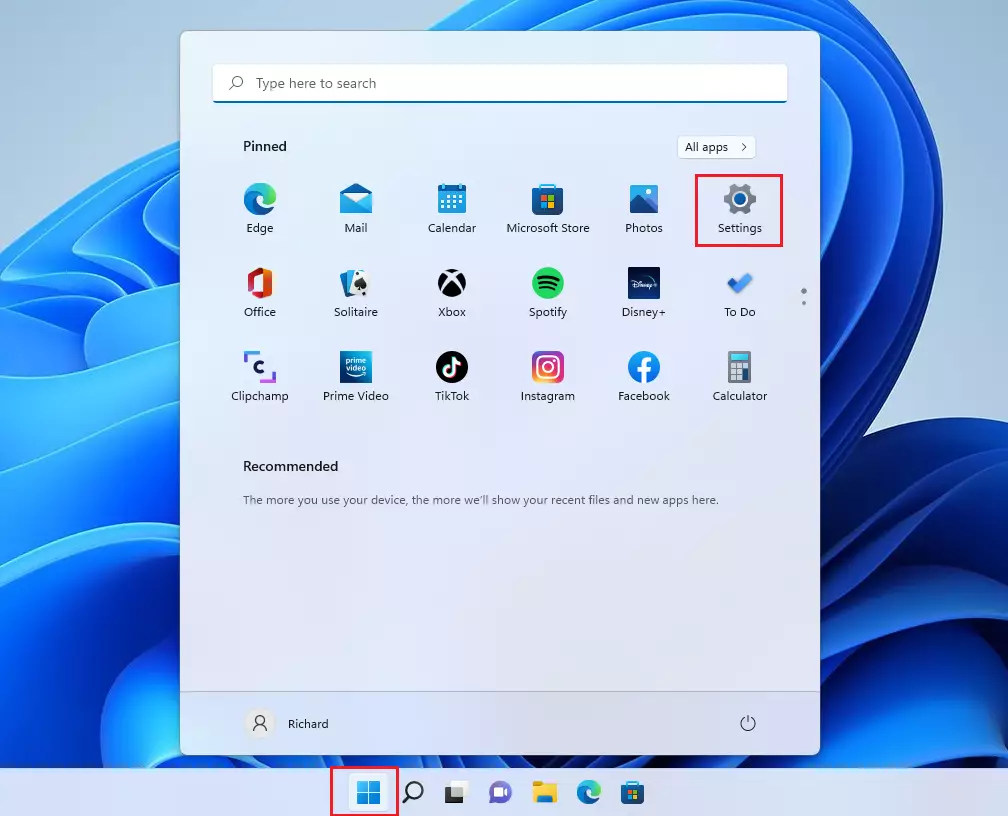
The quickest way to access the Windows Settings app is by clicking the Start button, the gear-shaped icon, or pressing the Windows key + I on your keyboard.
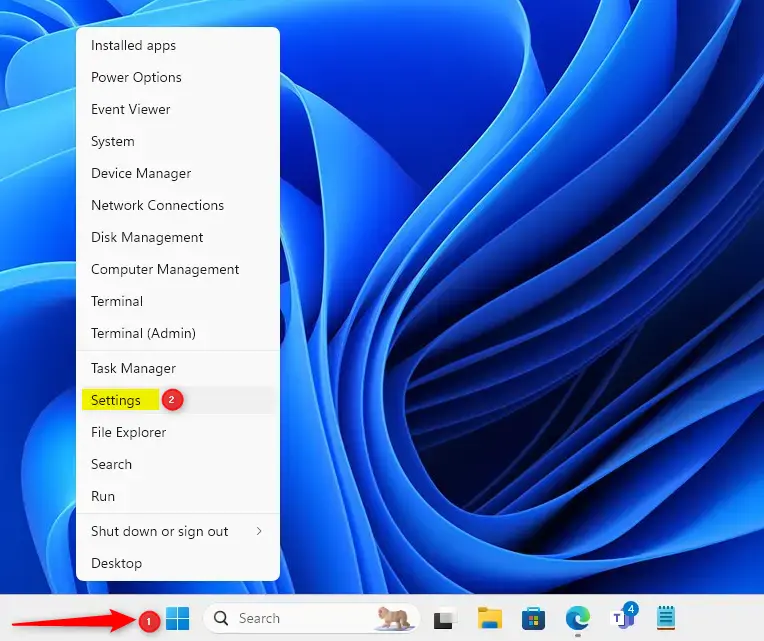
Another way to access the Settings app in Windows 11 is to use the Power User menu. To do that, right-click on the Start button and select Settings.
The Settings app can also be accessed from Quick Settings (Win+A).

First, launch the Quick Settings (Win + A). Then, click the “All settings” button to open the Settings app.
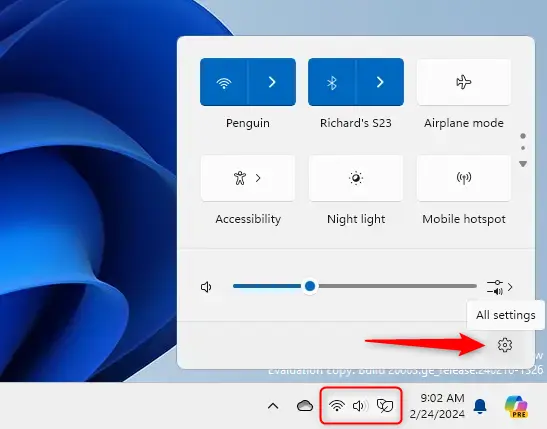
For some users, using the Run application box is convenient. Use the steps below to access the Settings app from the Run app box.

First, open the Run app window or press the Windows key + R on your keyboard.

When the command box opens, type the command below and press Enter.

ms-settings:
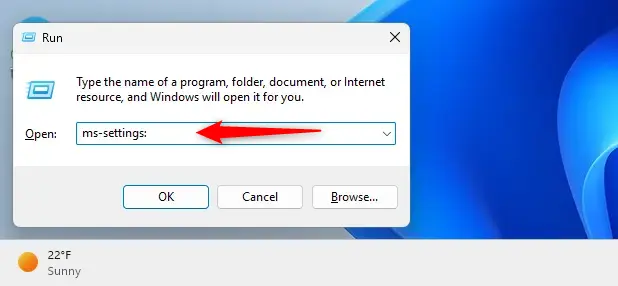
The same command above can launch the Settings app from Windows Terminal using PowerShell or the Command Prompt.

start ms-settings:

These are the many ways to launch the Settings app in Windows 11.
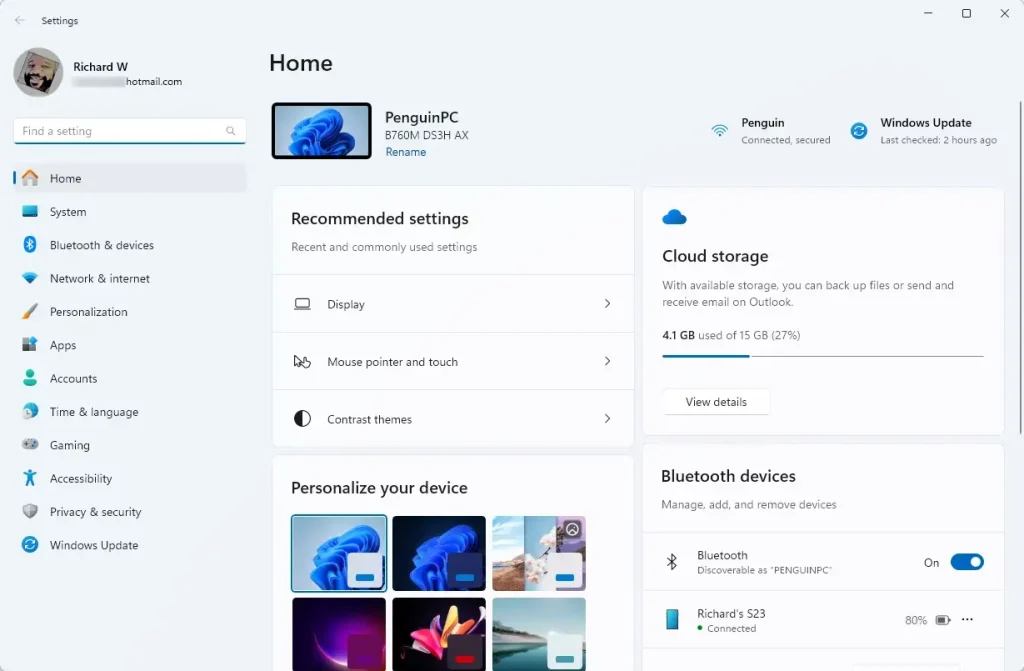
Conclusion:

  • Accessing the Windows Settings app is crucial for managing various settings on your device, including display, sound, network, privacy, and updates.
  • You can quickly open the Settings app by pressing the Start button, a gear-shaped icon, or the Windows key + I.
  • Another convenient method is to access the Settings app from the Power User menu by right-clicking the Start button and selecting Settings.
  • Utilize Quick Settings (Win + A) to access the Settings app by clicking the “All settings” button.
  • For those who prefer using the Run application box, enter the command “ms-settings:” and press Enter to open the Settings app.
  • The same command can also be used in Windows Terminal using PowerShell or the Command Prompt.
Categories:

Tags:

89 responses to “How to Access Settings in Windows 11”

  1. […] First, open the Windows Settings app. […]

  2. […] open the Windows 11 Settings app using the search function or pressing the Windows logo key + […]

  3. […] you can view these devices directly from the Windows Settings app. Use the steps below to access devices linked to your Microsoft account from Windows […]

  4. […] check the evaluation expiration date for your Insider Preview build, use the Settings app in Windows […]

  5. […] name in Windows refers to the full name of an account shown on the Sign-in screen, Start Menu, and Settings. This name can differ from the username used to sign in to the […]

  6. […] has a built-in search feature that lets users search and find help content, apps, files, folders, settings, and quick answers from the web like weather reports, stock prices, currency converter, and much […]

  7. […] First, open the Windows Settings app. […]

  8. […] First, open the Windows Settings app. […]

  9. […] First, open the Windows Settings app. […]

  10. […] First, open the Windows Settings app. […]

  11. […] Once enabled, open the Windows Settings app. […]

  12. […] Once enabled, open the Windows Settings app. […]

  13. […] To get started, first, open the Windows Settings app. […]

  14. […] For more step-by-step guides, visit how to use the Settings app in Windows 11. […]

  15. […] For more tips on using Windows 11, visit this easy guide. […]

  16. […] For more tips on using Windows 11, visit the Windows Settings guide. […]

  17. […] Open Windows Settings: Click the Start button and then the gear icon, or press Windows + I on your keyboard. More about opening Settings […]

  18. […] Open Windows Settings:You can do this by clicking the Start menu button (the Windows icon at the bottom-left corner) and then clicking Settings, or simply press Windows key + I on your keyboard. Learn more about opening Settings […]

  19. […] the Settings app on your PC. You can do this by clicking the Start menu and selecting Settings, or by pressing the […]

  20. […] Open the Settings app: Click the Start menu (the Windows icon on the bottom-left), then click Settings. Or press Windows key + I on your keyboard to open Settings right away. Learn more about opening Settings […]

  21. […] the Settings app. You can do this by clicking the Start menu and then Settings, or just press Windows key + I on […]

  22. […] the Windows Settings app. You can do this […]

  23. […] Open Windows Settings: Click the Start menu (the Windows icon at the bottom left), then click Settings. Or, press Windows key + I on your keyboard to open Settings directly. Learn more about opening Settings. […]

  24. […] Settings: Click the Start menu and choose Settings, or press Windows key + I on your keyboard. Learn more about opening Settings. Click System in […]

  25. […] Learn more about accessing Settings here: Open Settings in Windows 11. […]

  26. […] Open the Settings app: Click the Start menu (the Windows icon in the bottom-left corner), then click Settings. Or, press the keyboard shortcut Windows key + I to open Settings quickly. Learn more about opening Settings. […]

  27. […] We hope this guide helped you customize your touchscreen settings! If you want to learn more about Windows 11 tips, check out this guide on using the Settings app. […]

  28. […] How to Open the Settings App in Windows 11 […]

  29. […] the Windows Settings app. You can do this by clicking the Start button and selecting the gear icon, or by pressing Windows […]

Leave a Reply

Your email address will not be published. Required fields are marked *

Exit mobile version