Windows 11 OneDrive Management Without Losing Data

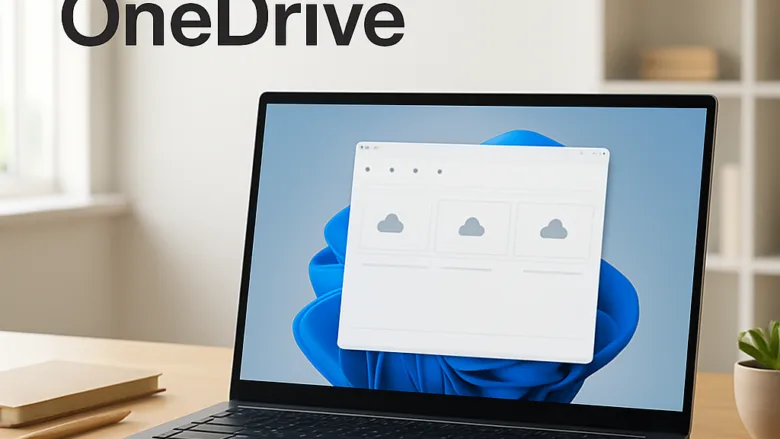
OneDrive management in Windows 11 stops Microsoft’s cloud storage service from filling your hard drive or backing up your personal folders without permission. OneDrive is a built-in tool that saves your files online so you can reach them from multiple devices.
Default settings often copy your desktop, documents, and pictures to the cloud automatically. That can use up your free 5GB or your paid storage quickly. Taking control of these settings lets you stop unwanted alerts, keep private files on your PC, and choose exactly which folders stay synced.
Menu names in OneDrive change between app versions, because OneDrive updates separately from Windows. The steps here match the current OneDrive client on Windows 11. If a label on your screen differs slightly, look for the closest match.
To manage OneDrive in Windows 11, click the cloud icon in the taskbar notification area , click the gear icon, then click Settings . Open the Account tab and click Choose folders to uncheck any folders you don’t want synced to your PC. You can also pause syncing for 2, 8, or 24 hours, hide OneDrive from the notification area, and control startup behavior in the same settings window.
Set Up Your Account and Choose What to Save
Deciding which files stay on the computer and which stay in the cloud is the main way to manage storage. Connecting your main folders while syncing only specific items prevents the drive from filling up. You can do this in two places: the folder backup settings and the folder selection list.
- Click the OneDrive cloud icon in the taskbar notification area . If you do not see it, click the up arrow to show hidden icons first.
- Click the gear icon, then click Settings. The OneDrive settings window opens.
- Open the Account tab and click Choose folders. A list of every folder in your OneDrive appears with check boxes.
- Clear the check box next to any folder you do not want on this PC, then click OK.
Unchecked folders disappear from the OneDrive folder on this PC but stay safe online. To bring one back, open the same list and tick it again.

Control How OneDrive Looks and Behaves
Everyday adjustments tailor OneDrive to how you work. Upload behavior, hiding the service, and desktop icon management all happen in these settings.
- Click the OneDrive cloud icon in the notification area.
- Click the gear icon, then click Pause syncing if you need uploads to stop for a while. Choose a time: 2, 8, or 24 hours.
- Check the cloud icon afterward. A pause symbol on it means syncing is on hold. Click the gear icon and choose Resume syncing to restart it.
Pausing is a good choice on a slow or metered connection. It changes nothing in your files. To hide OneDrive from the notification area, drag its icon into the hidden icons list. To control whether it starts with Windows, check the startup options in the OneDrive settings window or in Settings Apps Startup


Protect Private Files and Share Safely
Sensitive documents need more care once they have been shared. Checking who can reach your files and revoking permissions you no longer need protects private data. Do this regularly, especially after a project ends or a colleague leaves.
- Sign in to OneDrive on the web with your Microsoft account.
- Click Shared in the left pane to see what you have shared.
- Select a file or folder and open its sharing details, then look at who has access.
- Remove a person, or delete a link, to cut off their access.
Anyone who already downloaded a copy keeps that copy, so treat truly sensitive files with extra care.
Manage Alerts and Fix Annoying Pop-Ups
Photo memories, file deletions, and sync changes can trigger a lot of desktop alerts. Turning off these banners stops the interruptions without affecting syncing.
- Open Settings System Notifications
- Scroll to the list of apps and find OneDrive.
- Switch the toggle to Off to silence everything, or click the entry to choose which kinds of alerts you still want.
The cloud icon in the taskbar still shows an error symbol when something fails, so check it now and then.
Common questions
How do I stop OneDrive from filling up my computer storage?
Files On-Demand keeps files in the cloud instead of taking up local hard drive space. You can mark specific folders as available offline, so critical data stays reachable without downloading everything.
- Open File Explorer and go to your OneDrive folder.
- Right-click a file or folder.
- Click Free up space to make it online-only, or click Always keep on this device to keep a full copy on the PC.
Each item shows a status icon. A cloud means online-only, a hollow green circle with a check means downloaded when you opened it, and a solid green circle means always kept offline. An online-only file needs an internet connection to open. Before a trip, mark what you need as Always keep on this device.
What happens to my files if I turn off OneDrive?
Unlinking OneDrive stops syncing on this PC and leaves the files you already downloaded in place. Online-only items return when you sign back in to the account.
- Click the OneDrive cloud icon, then the gear icon, then Settings.
- Open the Account tab.
- Click Unlink this PC.
- Click Unlink account in the confirmation window.
You will see a sign-in screen appear. Your files stay online and in the local folder, but changes no longer sync. Online-only files are not on the PC, so download anything you need first. To undo this, sign back in and let OneDrive set up the folder again.
How do I hide the OneDrive icon from my file explorer?
A system tweak or registry change removes the OneDrive shortcut from the File Explorer sidebar. This keeps the navigation pane uncluttered for people who do not use the cloud client.
Back up the registry or create a restore point before you edit it, because a wrong change can cause problems. Follow the steps shown above exactly. After the change, sign out and back in, or restart File Explorer, to see the entry disappear. To bring it back, reverse the change you made.
Is the Personal Vault secure?
Personal Vault adds a second layer of protection. Before opening sensitive data, you must verify with multi-factor authentication, such as a text code sent to your phone. After a period of inactivity, the vault locks itself again.
Free OneDrive accounts can store only a few files in the vault, while Microsoft 365 subscribers get more room. When the vault locks, anything you had open from it is closed, so save your work first. You will need to verify your identity each time you unlock it.
How do I stop OneDrive from backing up my Desktop and Documents folders?
The backup tab in OneDrive settings is where you stop automatic syncing of the Desktop, Documents, and Pictures folders.
- Click the OneDrive cloud icon, then the gear icon, then Settings.
- Open the Sync and backup tab and click Manage backup.
- Switch off the toggle for each folder you want to stop backing up.
- Click Stop backup if Windows asks you to confirm.
Files already uploaded stay in your OneDrive folder, and the original folder on your PC may look empty. If you want them back in the usual place, open the OneDrive folder and move them over. New files you save afterward stay on the PC only. To undo the change, switch the toggle back on.
Did this guide fix your problem?

About the Author
Richard
Tech Writer, IT Professional
Richard is a writer at Geek Rewind who turns complex IT tasks into clear, step-by-step guides. He draws on years of hands-on experience in system administration and enterprise IT operations, focusing on Windows, Linux and WordPress: the problems people actually run into, and the fixes that work. His server and WordPress guides come from systems he runs himself. Richard builds and maintains the platform behind Geek Rewind, from its Ubuntu servers and Nginx configuration to its custom WordPress plugins. Many new tutorials start with readers' questions, and he's always glad to answer them in the comments.
No comments yet — be the first to share your thoughts!