How to Change Windows 11 Display & Appearance Settings

Display and appearance settings in Windows 11 control every visual element on your monitor, from background wallpapers and color themes to text scaling and resolution options. Adjusting these settings lets you make text easier to read, reduce eye strain, or give your desktop a custom look.
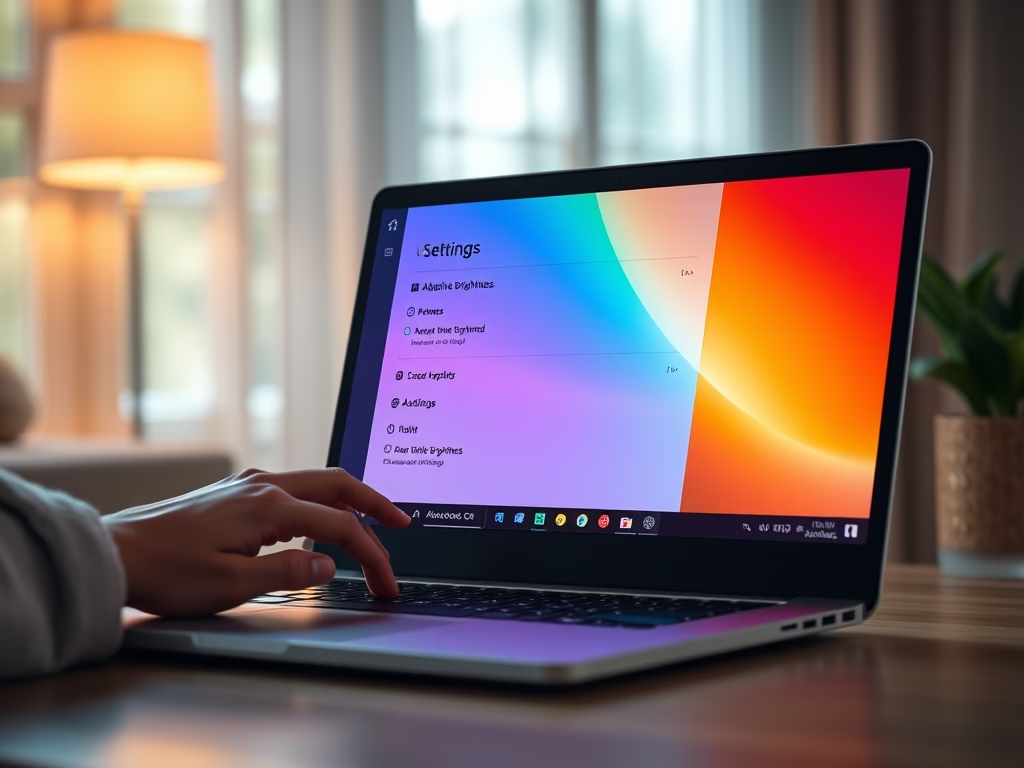
Most visual changes happen inside the Settings app. Press Win+I on your keyboard to open it. The Settings window appears with a list of categories on the left. Nearly everything in this guide lives under System, Personalization or Accessibility.
Most of these changes apply the moment you make them, and none need a restart. Every change can be undone by returning to the same setting. Where Windows asks you to confirm a change, I say so.
Windows 11 display and appearance settings let you personalize your computer’s look. To adjust settings like screen orientation, colors, text size, or transparency effects, go to Settings System Display or Settings Personalization Colors. These options help reduce eye strain and improve readability for your Windows experience.
Set Up Your Basic Display
Get your main display looking and working the way you want it. These steps cover fundamental visual adjustments and setting up multiple monitors.
Start with the basic display options:
- Open Settings System Display You should see a preview of your monitor or monitors at the top, with the settings listed below.
- Under Scale & layout, open the Scale list and pick a percentage. Higher values make text, apps and icons larger. The change applies at once, though some apps need to be closed and reopened to redraw properly.
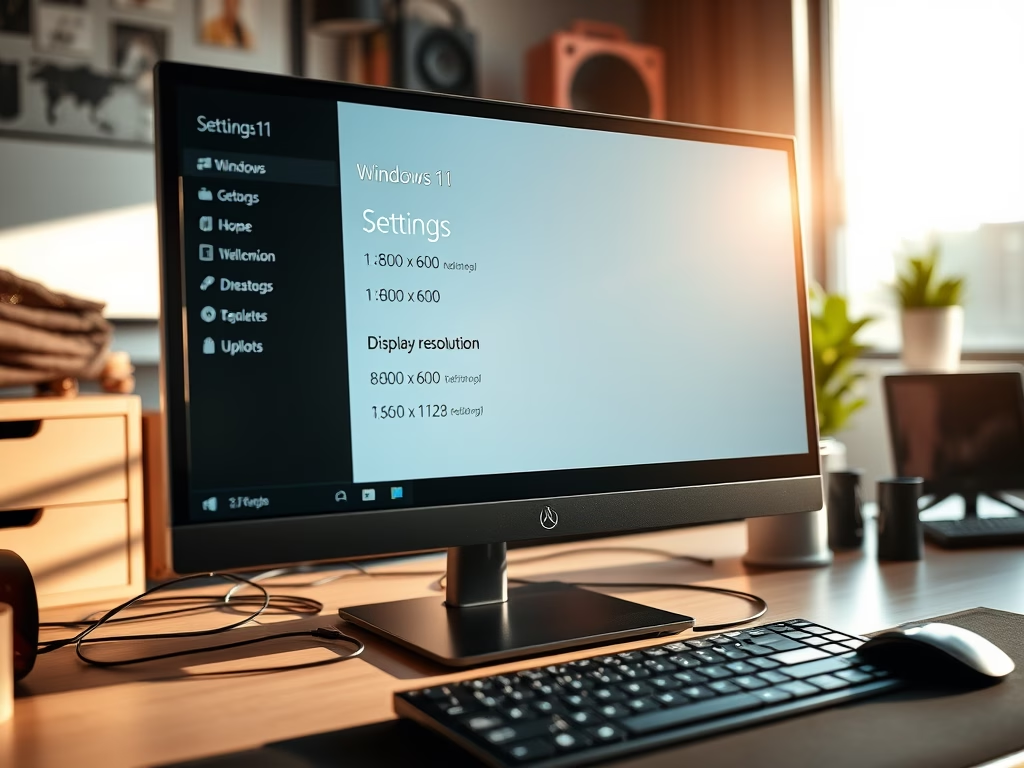
- Open the Display resolution list and choose the option marked (Recommended). This is the native resolution of your monitor and gives the sharpest picture.
- If you pick a different resolution, Windows shows a confirmation box. Select Keep changes to accept it. If you do nothing, Windows reverts after about 15 seconds. This protects you if the screen goes blank.
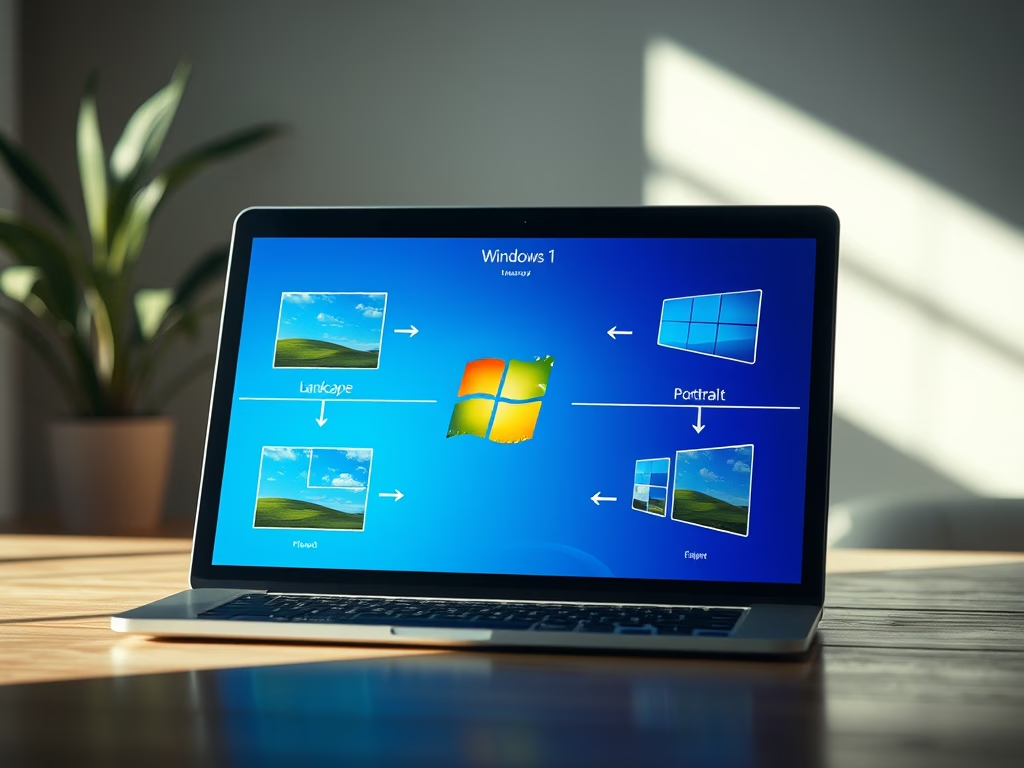
- Use Display orientation only if you have rotated the monitor physically. Choose Landscape for a normal screen.
If you use more than one monitor, select each one in the preview at the top of the Display page and set its scale and resolution separately. Select Identify to show a large number on each screen, so you know which box is which monitor.
Adjust Colors and Comfort for Your Eyes
Make your screen easier on your eyes, especially at night or for specific vision needs. These settings help reduce eye strain and improve readability.
Three settings do most of the work: Night light, text size and dark mode.
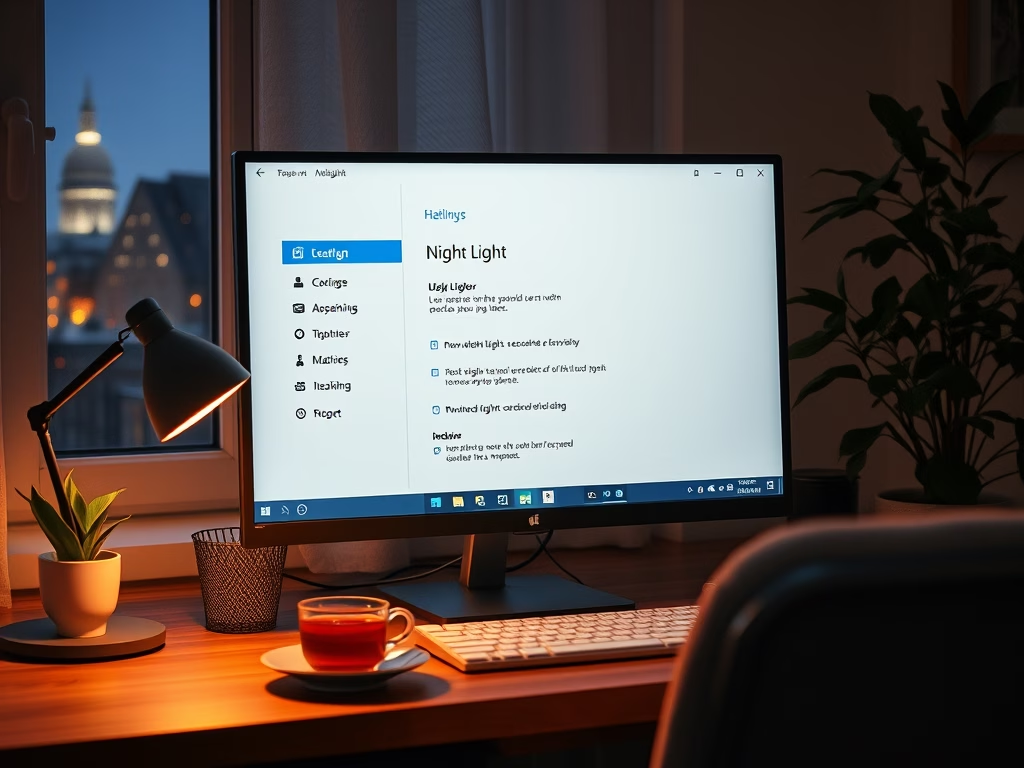
- Open Settings System Display Night light. Turn on the Night light switch with Turn on now to see the effect right away. The screen takes on a warmer, more yellow tint.
- Drag the Strength slider to set how warm the colors become.
- Turn on Schedule night light if you want it to run automatically. Choose Sunset to sunrise or set your own hours.
- To make text larger without changing everything else, open Settings Accessibility Text size and move the slider. Select Apply. This changes text only, not icons or apps, unlike Scale.
- For dark mode, open Settings Personalization Colors and set Choose your mode to Dark. Windows and most built-in apps switch right away.
If you need stronger separation between text and background, open Settings Accessibility Contrast themes and pick a theme from the list, then select Apply. The screen goes blank for a moment while the theme loads. To go back, set the list to None and apply it again.
Customize Your Lock Screen
Control what you see when your computer is locked or on the sign-in screen. These options let you personalize the initial view before you log in.
- Open Settings Personalization Lock screen
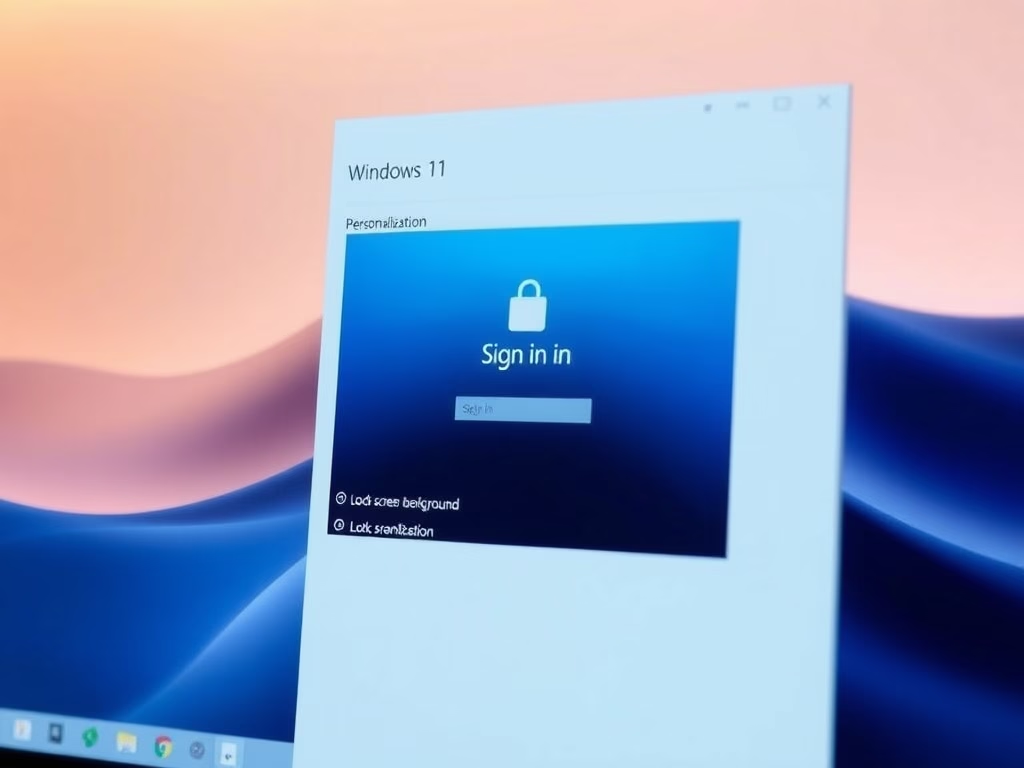
- Open the Personalize your lock screen list. Choose Windows spotlight for rotating images from Microsoft, Picture for a single image of your own, or Slideshow for a folder of photos. The preview above the list updates to match.
- Pick which app, if any, shows status details on the lock screen using the Lock screen status list.
- Switch Show the lock screen background picture on the sign-in screen on or off. When it is on, the same image sits behind the password or PIN box. When it is off, you get a plain color.
To check your work, press Windows key + L. The lock screen appears with your changes. Click or press any key to reach the sign-in box, then sign in as usual.
Fine-Tune Visual Effects
Tweak advanced visual elements that affect the overall appearance of Windows. This section helps you enable or disable specific graphical effects.
These effects are cosmetic. Turning them off can make Windows feel quicker on older or low-powered machines, and it can make the screen less distracting.
- Transparency effects make the taskbar, Start menu and some windows slightly see-through.
- Animation effects control the motion when windows open, close or move, and when menus slide in.
- Accent color sets the highlight color used across Windows. You can find it under Settings Personalization Colors
Each one is a simple on/off switch or list. If an option looks greyed out, check that it is not being controlled by another setting, such as a contrast theme or a battery saver mode. Switching those off usually brings the option back.
Common questions
How do I change my main monitor in 🪟 Windows 11?
To change your main monitor, follow these steps:
- Go to Settings System Display
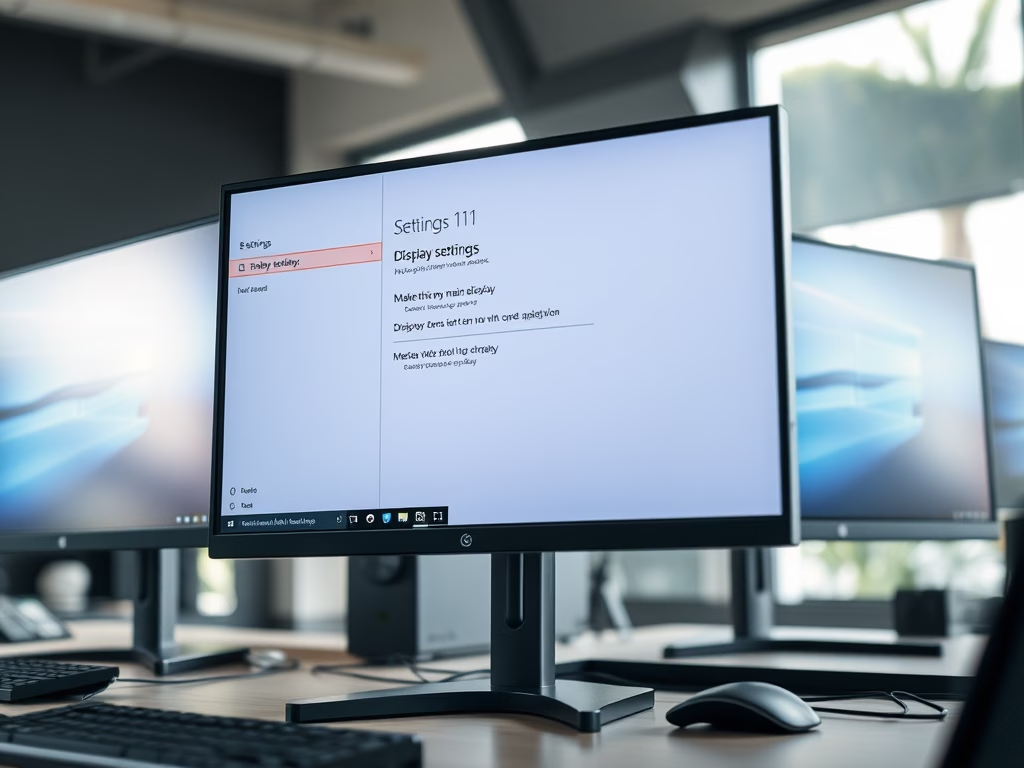
- Under Multiple displays, select the monitor you want to make primary in the preview at the top. Select Identify if you are not sure which number belongs to which screen.
- Check the box that says Make this my main display.
The taskbar and Start menu move to the new main display. If the box is greyed out, that monitor is already the main one. If you do not see the Multiple displays section at all, Windows only detects one screen. Check the cable and select Detect if it appears.
Why is my screen flickering in 🪟 Windows 11?
Screen flickering stems from outdated display drivers or incompatible apps. Try updating your graphics driver through Device Manager or check if the issue happens with a specific application.
- Press Ctrl + Shift + Esc to open Task Manager. If Task Manager flickers along with the rest of the screen, the cause is probably the driver. If only one app flickers, the cause is that app.
- Right-click the Start button and select Device Manager.
- Expand Display adapters, right-click your graphics adapter and select Update driver.
- Choose Search automatically for drivers and follow the prompts. Restart the PC if Windows asks.
If the driver is up to date and the flicker remains, check the refresh rate in Settings System Display Advanced display and try the other options in the Choose a refresh rate list. A loose or damaged video cable can also cause flicker, so reseat it or try another one.
How do I turn off the dimming feature at night?
The Night Light feature likely causes this warm tint. Go to Settings System Display Night light to turn it off or adjust its schedule and warmth levels.
Select Turn off now if the tint is on at the moment. If it keeps coming back at the same time each day, turn off Schedule night light. If you want to keep it but make it milder, lower the Strength slider. If the tint remains with Night light off, check the color settings on the monitor itself, as many have their own color or blue-light modes.
How can I make text and icons bigger on my screen?
Text and icon scaling remains fully customizable. Go to Settings System Display and choose a higher percentage under Scale to make everything appear larger.
The list offers preset values such as 100%, 125% and 150%. For a specific number, select the arrow next to Scale and type a value under Custom scaling. Custom values need you to sign out and back in. They are best avoided unless the presets do not fit, because some apps look blurry at odd values. To undo, choose the percentage marked (Recommended).
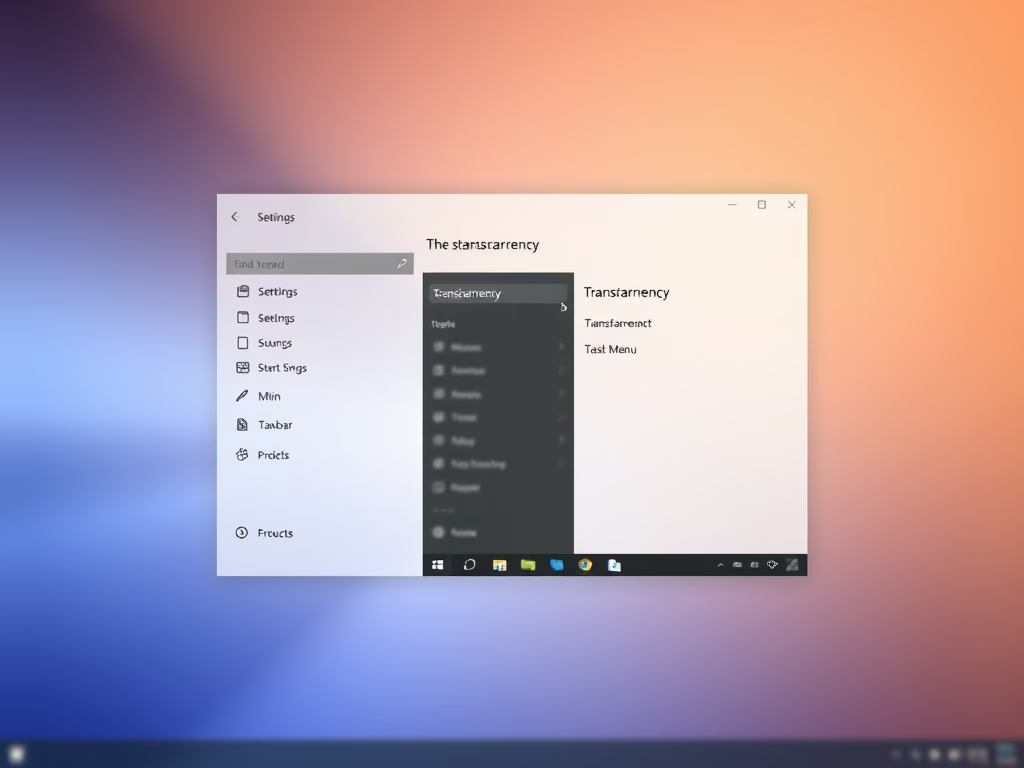
What is transparency effects in 🪟 Windows 11?
You can turn them on or off in Settings Personalization Colors Transparency effects
Switch the Transparency effects toggle to Off and the taskbar and Start menu turn solid right away. Turn it back to On to restore the effect. The same setting is also available under Settings Accessibility Visual effects
Did this guide fix your problem?

About the Author
Richard
Tech Writer, IT Professional
Richard is a writer at Geek Rewind who turns complex IT tasks into clear, step-by-step guides. He draws on years of hands-on experience in system administration and enterprise IT operations, focusing on Windows, Linux and WordPress: the problems people actually run into, and the fixes that work. His server and WordPress guides come from systems he runs himself. Richard builds and maintains the platform behind Geek Rewind, from its Ubuntu servers and Nginx configuration to its custom WordPress plugins. Many new tutorials start with readers' questions, and he's always glad to answer them in the comments.
No comments yet — be the first to share your thoughts!