What to Do When Windows 11 Black Screen Appears After Login

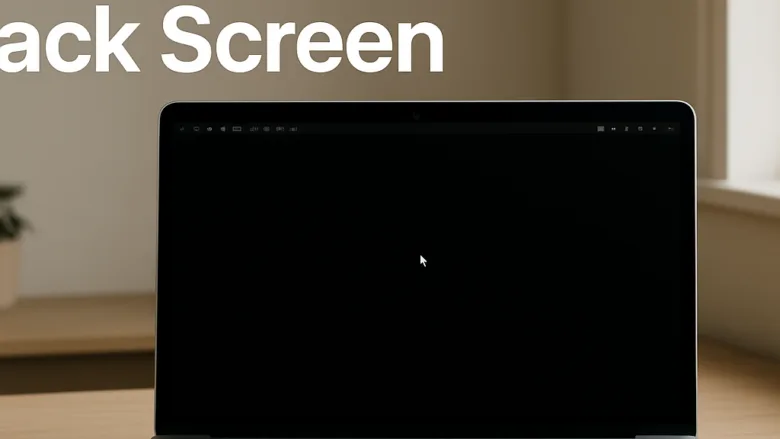
A Windows 11 black screen after login is a display failure that happens when your PC boots up, accepts your password, but fails to load the desktop and taskbar, leaving you with only a blank screen and a moving mouse cursor.
Press the Win+Ctrl+Shift+B shortcut on your keyboard to instantly restart your graphics driver and wake up the display without losing any open work.
When Windows 11 black screen appears after login, press the Ctrl+Shift+Win+B keys to restart your graphics card. If that does not work, press Ctrl+Alt+Del to open Task Manager , click File, select Run new task, type explorer, and press Enter.
Step 2Use Task Manager to Restart Windows Explorer
Windows Explorer manages your desktop and taskbar. Restarting this process via Task Manager often restores the display. Press Ctrl+Alt+Del to open the options screen, select Task Manager, find Windows Explorer in the processes list, and click Restart.Step 3Disconnect All External USB Devices and Monitors
Disconnecting all external USB devices and extra monitors stops hardware conflicts that often trigger a black screen after login. Turn off your computer completely by holding down the power button, unplug every non-essential device like extra screens, printers, or docking stations, and turn your computer back on to see if the display returns.Step 4Force Restart Your Computer Safely
Performing a safe force restart clears a frozen black screen after login when your computer is completely unresponsive and normal shutdown steps fail. Press and hold down the physical power button on your machine for about 10 to 20 seconds until all lights turn off and internal fans stop spinning completely.Step 5Boot Into Safe Mode to Remove Faulty Updates or Drivers
Booting into Safe Mode lets you remove broken graphics drivers or bad system updates that cause a persistent black screen after login. Safe Mode starts Windows with only core drivers and services, preventing background software from interfering with troubleshooting.Step 6Update or Roll Back Your Graphics Drivers (Unique Expert Tip)
Updating or rolling back your graphics drivers (the software that controls your display hardware) fixes a black screen after login caused by corrupted display software. If you can boot into Safe Mode or use Task Manager temporarily, changing your graphics card driver stops the screen from going blank when your user profile loads.Step 7Check and Fix Windows Registry Shell Settings (Unique Expert Tip)
Checking and fixing Windows Registry shell settings resolves a black screen after login caused by incorrect system instructions. Bad updates or tweaking tools can alter the registry value in 🗝️HKEY_LOCAL_MACHINE\Step 8Run System File Checker (SFC) and DISM Scans
Running System File Checker (a tool that scans for broken system files) and DISM scans repairs damaged operating system files that cause a black screen after login. Open Task Manager by pressing Ctrl+Shift+Esc, click File, select run new task, type cmd with administrative rights, and use these built-in repair tools to scan your hard drive and replace broken files.Summary
Fixing a Windows 11 black screen after login is usually possible without losing your files by using quick keyboard shortcuts and built-in tools. Start by pressing Ctrl+Shift+Win+B to restart your graphics driver, use Task Manager to restart explorer.exe, disconnect extra USB devices, or boot into Safe Mode to solve the issue quickly.Was this guide helpful?

About the Author
Richard
Tech Writer, IT Professional
Richard is a writer at Geek Rewind who turns complex IT tasks into clear, step-by-step guides. He draws on years of hands-on experience in system administration and enterprise IT operations, focusing on Windows, Linux and WordPress: the problems people actually run into, and the fixes that work. His server and WordPress guides come from systems he runs himself. Richard builds and maintains the platform behind Geek Rewind, from its Ubuntu servers and Nginx configuration to its custom WordPress plugins. Many new tutorials start with readers' questions, and he's always glad to answer them in the comments.
No comments yet — be the first to share your thoughts!