How to Check for Windows 11 Updates

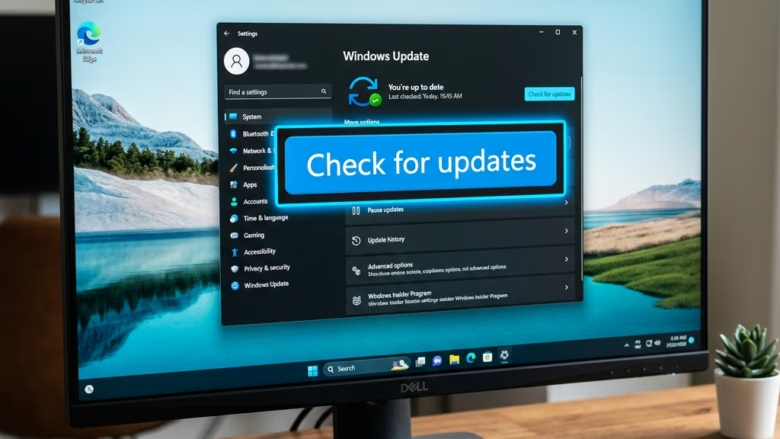
Checking for Windows 11 updates by hand gets you the latest security fixes and new features without waiting for your PC to find them on its own. Windows normally checks in the background, but a manual check is useful when you hear about an important patch, when you’ve just set up a new PC, or when something isn’t working and a fix may already exist.
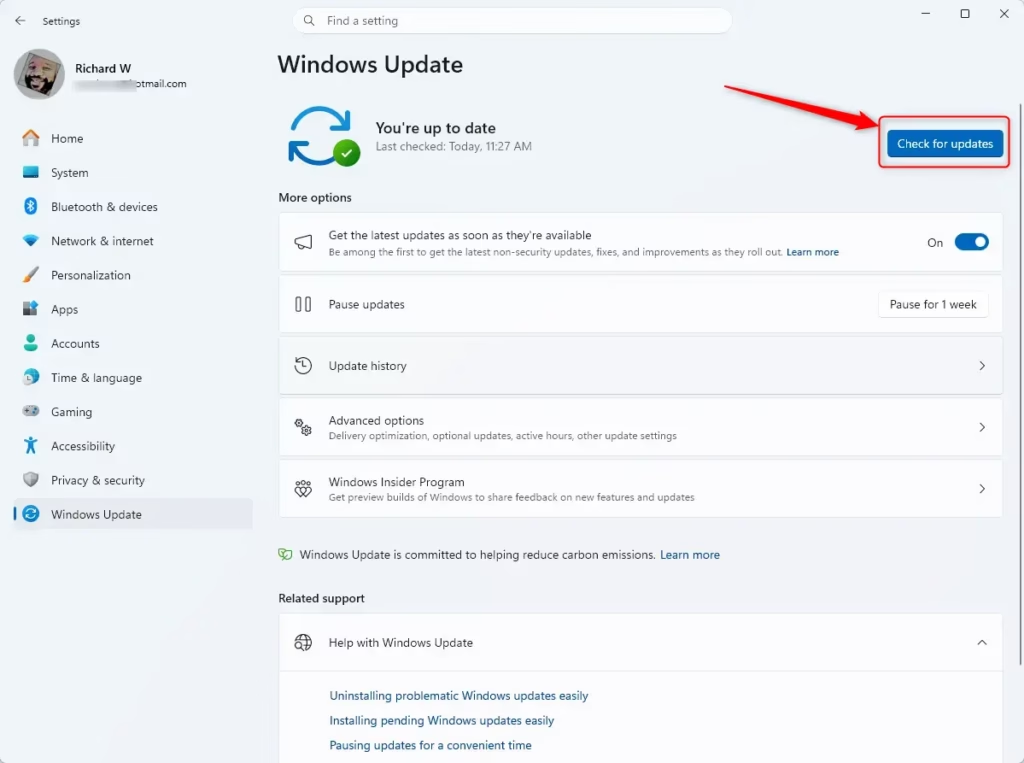
Press the Win+I to open Settings , click Windows Update in the left menu, then click the Check for updates button. Windows contacts Microsoft’s servers and shows either “You’re up to date” or lists pending updates to install.
Why update 🪟 Windows 11?
Updates fix bugs and add security protections that keep your files safe from malware and attackers. Most successful attacks use flaws that already have a patch, so a PC that is behind on updates is an easy target. Updates also fix driver and performance problems, which keeps the machine stable and responsive.
What happens when done?
Some updates only take effect after a restart, so save your work before you reboot. After the restart, Windows may take a few minutes to finish configuring updates before it is fully up to date.
How to check for updates
- Open the Settings app by pressing the Win+I. You should see the Settings window with a list of categories on the left.
- Click Windows Update in the left menu. It is usually the last item in the list. The right side now shows your update status, such as “You’re up to date” or a list of pending updates.
- Click the Check for updates button on the right side. Windows contacts Microsoft’s servers and shows “Checking for updates”. When it finishes, you will see either “You’re up to date” or the updates it found.
If the button is missing, an update may already be downloading or waiting for a restart. Let it finish first. The status line under the heading tells you what Windows is doing. You need a working internet connection for the check to succeed.
If you are using a standard account, you may be asked to provide an administrator password. On a work or school PC, your organization may manage updates for you. In that case, some options can be missing or greyed out, and you should ask your IT department.
Understanding update types
Windows 11 delivers several kinds of updates:
- Monthly updates: regular security fixes and bug fixes.
- Optional updates: features and fixes you can get early, plus extras such as driver updates. These are not installed automatically unless you choose to install them.
- Urgent updates: sometimes released outside the normal schedule to fix critical problems.
All of them keep your system protected and current. If you want to see optional updates, they are listed in the Windows Update page when available.
If you prefer using a command, you can run this string in your terminal:
cmd /s /c USOClient StartInteractiveScan & start ms-settings:windowsupdate
Installing updates
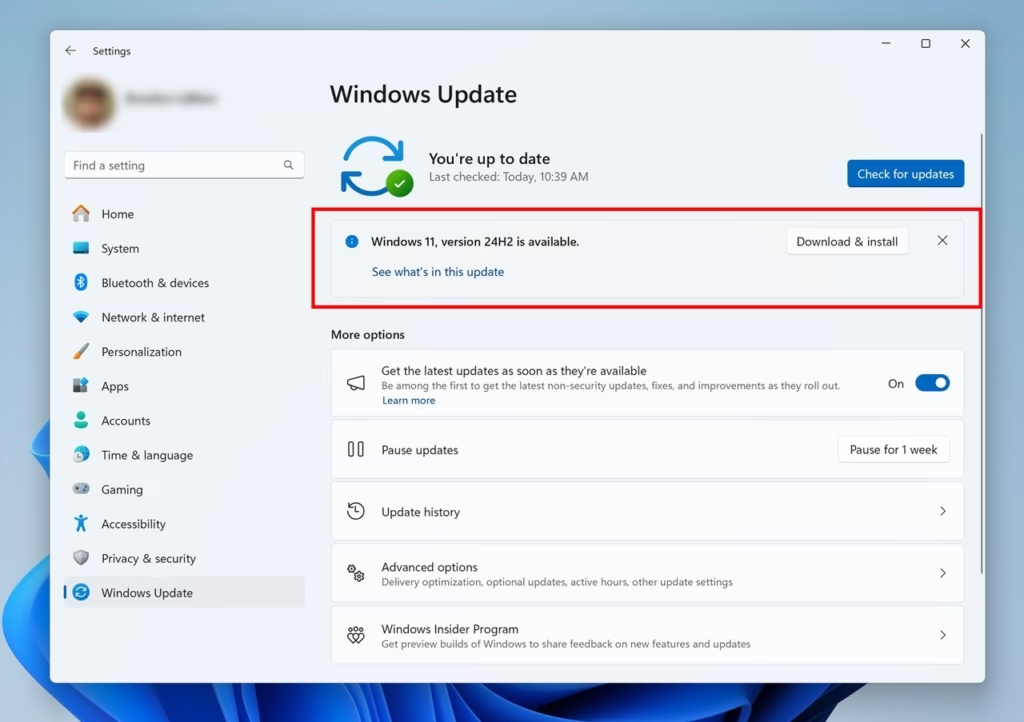
If your computer finds new updates, it may start downloading them automatically. Some updates wait for you, and then you need to click the Download & install button to start. Progress shows next to each update, with percentages for the download and install stages. You can keep working while this happens, though the PC may feel slower. If an update appears stuck at 0% or the same number for a long time, give it some time before you assume something is wrong. Large updates can take a while on slow connections.
Restarting your computer
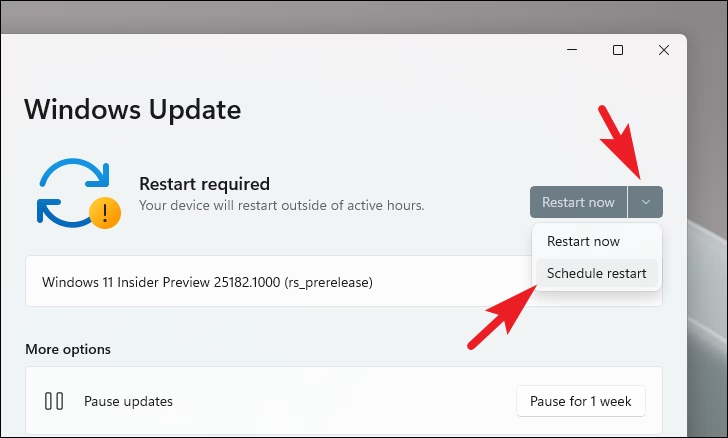
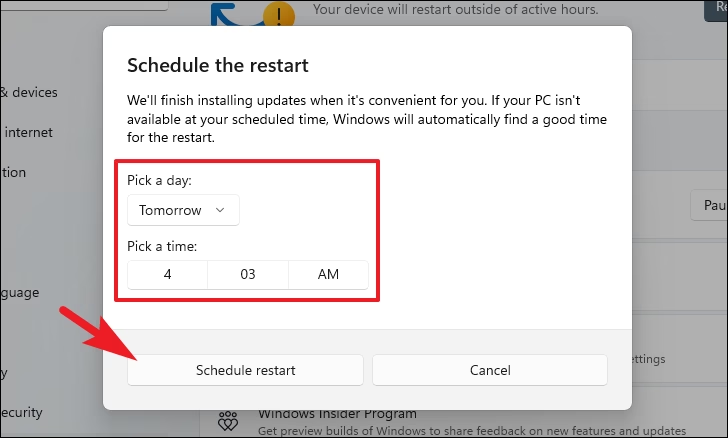
After installing certain Windows 11 updates, your computer needs to restart to complete the process. When that is the case, Windows shows a Restart now button and a "Restart required" message on the Windows Update page. You have three options:
- Automatic: Windows will restart on its own when you are not using the computer. It uses your active hours to avoid restarting while you work.
- Restart Now: Click the Restart now button in your settings or on the notification pop-up. Save your open files first.
- Schedule: You can pick a specific time for the restart to happen. Use the schedule option on the Windows Update page and choose a time when you won't be using the PC.
If you shut down instead of restarting, Windows may offer "Update and shut down" or "Update and restart" in the power menu. Choose one of these to apply pending updates.
Upgrade vs. Update
An update (or cumulative update) improves your current version of Windows 11 with security patches and bug fixes. An upgrade moves you to a new version of Windows, such as moving from Windows 10 to 11, or installing a major annual feature update. Updates are small and frequent. Upgrades are larger, take longer, and usually need more free disk space. If you are on Windows 10 and your PC is eligible, the Windows Update page will offer the upgrade to Windows 11.
System Requirements
To run Windows 11, your PC must meet specific hardware standards. This includes having TPM 2.0 enabled and Secure Boot active in your BIOS (also called UEFI firmware). On many PCs these features are present but switched off, so check the firmware settings before assuming the hardware is too old. If your PC does not meet these requirements, you cannot officially install or update to the latest Windows 11 build version.
Troubleshooting Update Errors
If you run into errors when updating Windows 11, such as an update getting stuck or failing, work through these steps in order:
- Restart your computer and check for updates again. This clears many temporary problems.
- Make sure you are connected to the internet and that the drive has enough free space. Updates can fail when the disk is nearly full.
- Run the built-in Windows Update Troubleshooter from your settings. It scans for common problems and tries to fix them automatically. Follow any prompts it shows, then check for updates again.
If the same error keeps coming back, note the error code. It will help you find the cause.
Comparison Table: Automatic vs. Manual Updates
| Method | Pros | Cons |
|---|---|---|
| Automatic | Set and forget; keeps you secure. | May restart at inconvenient times. |
| Manual | Full control over timing. | Requires user to remember to check. |
Summary
Keeping Windows 11 updated matters for both security and performance. You can check for and install the latest updates in the Windows Update section of Settings. Check it now and then, restart when asked, and your device stays protected and runs at its best.
Was this guide helpful?

About the Author
Richard
Tech Writer, IT Professional
Richard is a writer at Geek Rewind who turns complex IT tasks into clear, step-by-step guides. He draws on years of hands-on experience in system administration and enterprise IT operations, focusing on Windows, Linux and WordPress: the problems people actually run into, and the fixes that work. His server and WordPress guides come from systems he runs himself. Richard builds and maintains the platform behind Geek Rewind, from its Ubuntu servers and Nginx configuration to its custom WordPress plugins. Many new tutorials start with readers' questions, and he's always glad to answer them in the comments.


[…] users steps to turn on or off” Get me up to date” settings in Windows 11. By default, Windows automatically downloads the latest updates and schedule an install if everything works […]
[…] post describes the steps to schedule a restart after Windows Update has finished downloading and installing updates for your computer in Windows […]
[…] default, Windows Updates is turned on and enabled to download and install the latest updates automatically to keep Windows […]
[…] default, Windows Update is configured to automatically connect to Microsoft’s internet servers and search for and […]
[…] How to update Windows 11 […]
[…] How to update Windows 11 […]
[…] computer. Instead, one can take multiple steps, including installing virus protection software, updating Windows, and installing software from trusted sources. All these steps can help prevent your computer from […]
[…] If your device doesn’t have the latest updates, check our post on how to update Windows 11. […]
[…] Check for Windows updates: How to update Windows 11 […]
[…] to know: Windows 11 usually updates your drivers automatically through Windows Update. But if you want to check or update them yourself, here’s […]
[…] If you want to learn more about updating Windows 11, check out this helpful guide: How to Update Windows 11. […]
[…] Learn more about updating Windows 11 here: How to update Windows 11 […]
[…] You cannot entirely disable Windows Update but you can pause the service for up to 20 years. This effectively stops new updates until you are ready to resume updates and check for updates manually. […]
[…] default, Windows Update helps get the latest fixes and security improvements. Often, Windows installs these drivers on its […]
[…] How to Check for Windows 11 Updates […]