How to Enable Microsoft Product Updates in Windows 11

Microsoft Product Updates in Windows 11 downloads fixes for apps like Office and Edge at the same time your PC installs regular system updates. Turning on this option keeps programs secure and up to date in one go, so you do not have to check each app by hand.
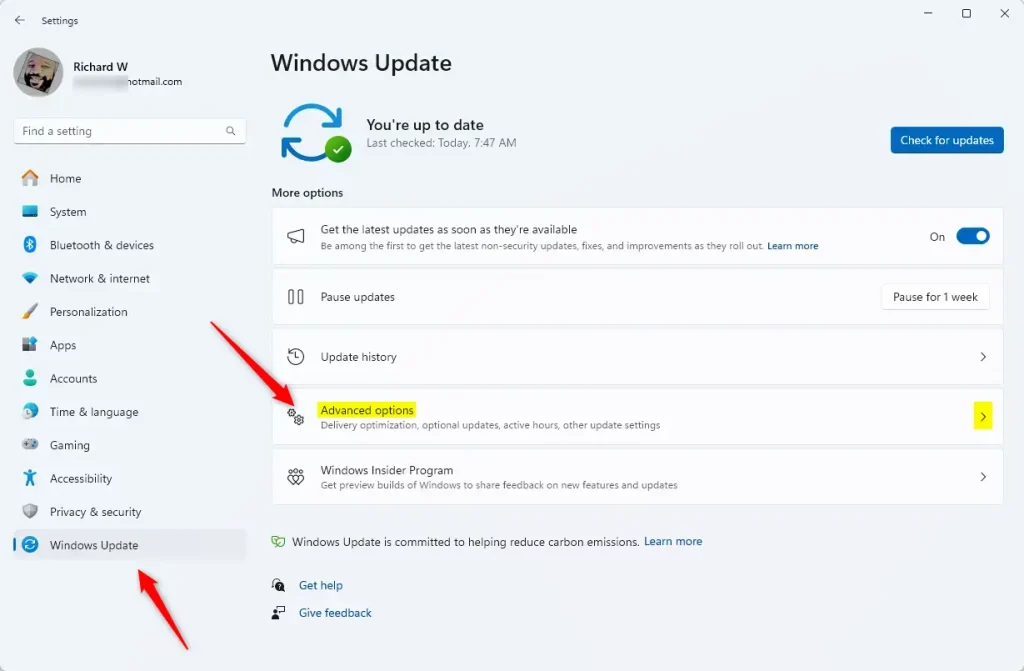
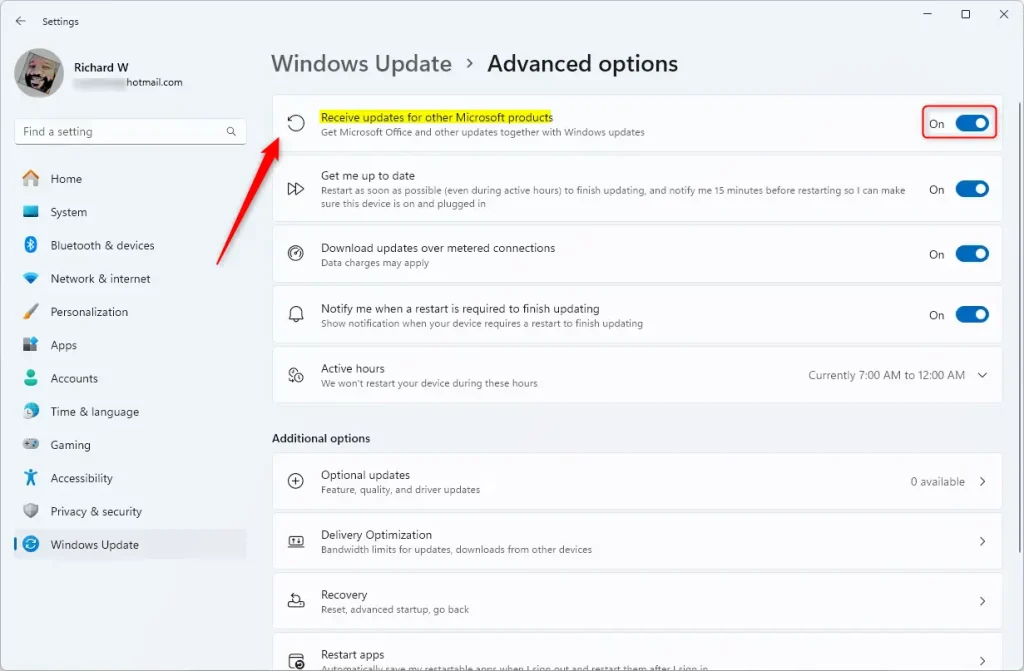
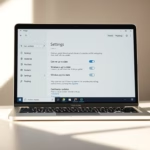
Go to Settings , select Windows Update , then Advanced options. Toggle the switch for “Receive updates for other Microsoft products” to On. This automatically installs updates for Office, Edge, and other Microsoft software.
How to enable updates via Settings
Enabling Microsoft product updates in Windows 11 lets you automatically receive the latest bug fixes and security patches for apps like Office and Visual Studio. You can turn on this feature directly within the main Windows Update settings menu without needing any advanced tools or commands.
- Open the Windows Settings app.
- Select Windows Update on the left menu.
- Click on Advanced options on the right side.
Scroll down the Advanced options screen to find the section labeled Receive updates for other Microsoft products. Flip the switch to ‘On’ to enable updates, or to ‘Off’ if you wish to disable them.
Understanding Windows Update Lifecycles and Channels
Windows 11 manages system stability by dividing updates into specific lifecycles and channels like standard consumer releases and enterprise builds. Knowing how these update paths work helps you control when new features and security patches install on your computer.
How to check your 🪟 Windows 11 version
To check your current build, press the Win, type winver, and press Enter. This command displays your version and OS build number. Knowing your build number helps confirm you are running a supported version of Windows 11.
Manual Update Catalog Integration
If an update fails to install, download it manually from the Microsoft Update Catalog. Search for the specific KB (Knowledge Base, a library of help articles and patch documentation) article ID, which is a unique identifier for a specific patch. Manual installation can sometimes overcome temporary update service issues.
Managing updates using Terminal (Admin Required)
Managing Microsoft product updates using Terminal gives you advanced control over system software packages through administrative command lines. You can use PowerShell commands to check, install, or block specific updates when the standard Settings app does not give you enough options.
Right-click the Start button and select Terminal (Admin) to open the console with the necessary elevated permissions. Within the Terminal, select the PowerShell tab and run the following commands to manage update settings.
To enable updates, run this command:
(New-Object -com "Microsoft.Update.ServiceManager").AddService2("7971f918-a847-4430-9279-4a52d1efe18d",7,"")To disable updates, run this command:
(New-Object -com "Microsoft.Update.ServiceManager").RemoveService("7971f918-a847-4430-9279-4a52d1efe18d")Summary
Keeping Microsoft product updates turned on in Windows 11 ensures your apps and system tools run securely and smoothly. You can easily manage these updates using either the standard Settings app or advanced Terminal commands depending on your preference.- Why: Updating Microsoft products keeps your system secure and improves overall performance.
- What: Enabling these settings ensures your apps receive the latest fixes automatically.
- Settings: Use the Windows Settings app for a simple toggle switch.
- Terminal: Use PowerShell commands for quick, advanced control over your update preferences.
- Manual: Use the Microsoft Update Catalog to install specific KB patches if automatic updates fail.
Was this guide helpful?

About the Author
Richard
Tech Writer, IT Professional
Richard is a writer at Geek Rewind who turns complex IT tasks into clear, step-by-step guides. He draws on years of hands-on experience in system administration and enterprise IT operations, focusing on Windows, Linux and WordPress: the problems people actually run into, and the fixes that work. His server and WordPress guides come from systems he runs himself. Richard builds and maintains the platform behind Geek Rewind, from its Ubuntu servers and Nginx configuration to its custom WordPress plugins. Many new tutorials start with readers' questions, and he's always glad to answer them in the comments.

No comments yet — be the first to share your thoughts!