How to Set Work Hours and Location in Outlook on Windows 11


Work hours and location settings in the new Outlook app on Windows 11 let you share your daily schedule and office presence with coworkers on Office 365 and Microsoft 365 accounts. These details show up in calendar invites, so people can see when you are free and whether you are working remotely or on-site.
You can pick exact start and end times for all 7 days of the week. That helps your team plan meetings without guessing your availability.
Open Outlook and click the Settings gear icon in the top-right corner. Select Calendar from the left menu, then click Work hours and location. Use checkboxes to pick work days, set start and end times, choose your location as home or office, and save. Changes appear on profile cards within 12 hours.
Set your hours and location in Outlook
Setting your work hours and location tells coworkers when and where you are working, so they are less likely to schedule meetings at the wrong time. You change these details in your calendar settings. There you choose which days you work from home or the office and set your start and end times.
The classic Outlook desktop app has a different layout, so the steps below won’t match it. You also need to be signed in with a Microsoft 365 or Office 365 account.
- Open Outlook from the Start menu or the taskbar search box . The new Outlook window opens with your mail or calendar.
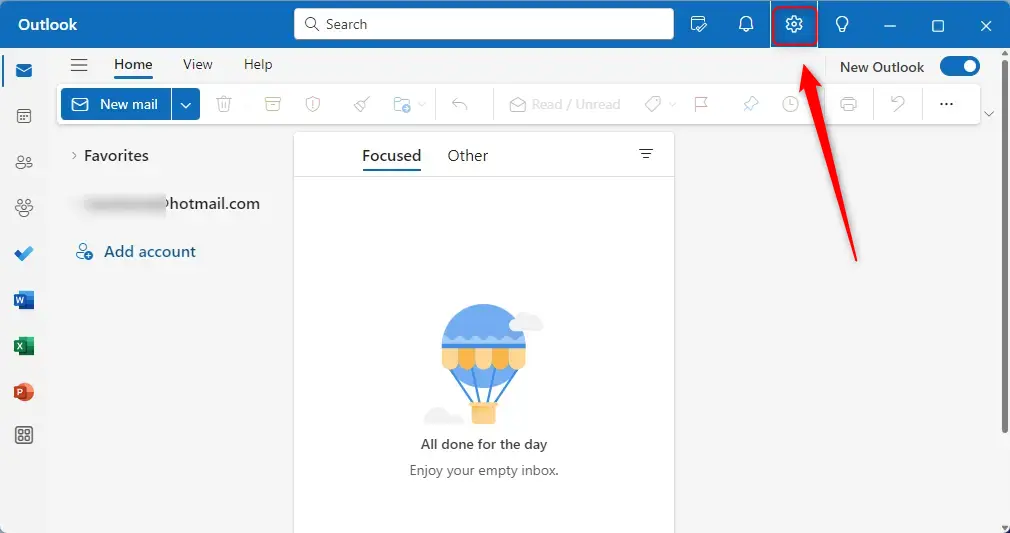
- Click the Settings gear icon in the top-right corner of the window. The Settings pane opens.
- Select Calendar from the left menu in the Settings pane. The calendar options appear to the right.
- Click Work hours and location under the View side panel. The work hours and location options for each day of the week open.
- Use the checkboxes to pick the days you work. Set your start and end times, and choose your location (home or office) for each day.
It is meant for Microsoft 365 and Office 365 accounts. Some work or school tenants may also have it turned off by an administrator. In that case, ask your IT team.
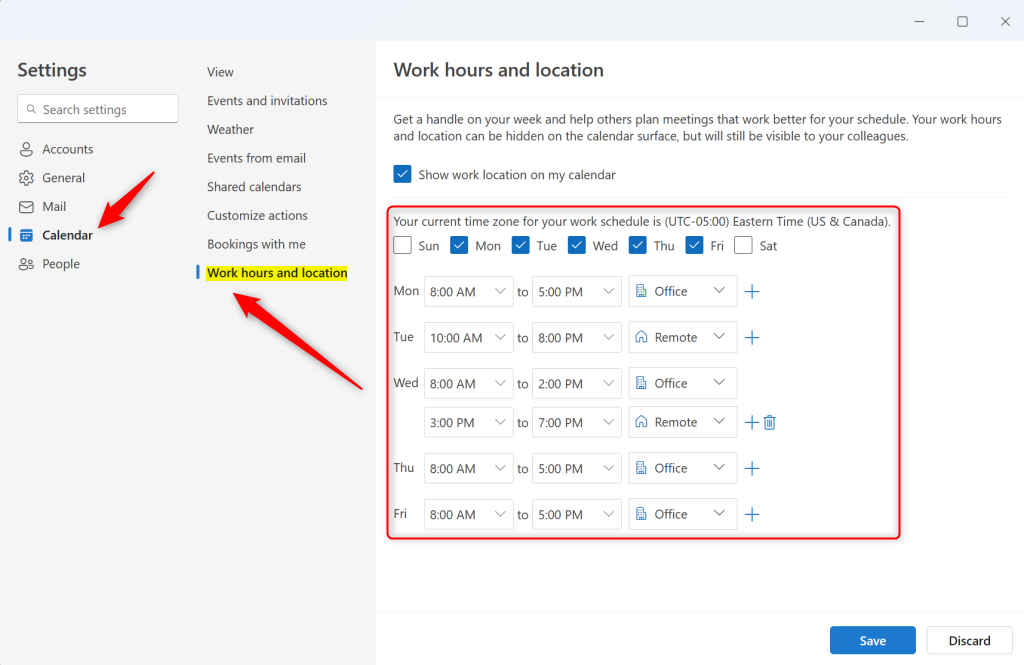
- Save the configuration when you are finished. Don’t close the settings window before you do, or your changes may be lost.
- Give it some time. Profile cards can take up to 12 hours to reflect the schedule updates, so a coworker may not see your change right away.
To undo or change anything later, go back to Settings Calendar Work hours and location, adjust the checkboxes and times, and save again. The same 12-hour delay applies to profile cards.
Keep these details current so nobody sends a meeting invite when you are offline.
- Setting your hours and location in Outlook makes it much easier to manage your schedule and avoid badly timed meetings.
- Update your location when your routine changes, so colleagues and clients know how to reach you and when to expect a response.
- The steps are short, and you can change them at any time in the new Outlook app on Windows 11.
Have a question about this guide?
Answered by AI from this guide. Good questions may be added to this page — please don't include personal details.
Did this guide fix your problem?

About the Author
Richard
Tech Writer, IT Professional
Richard is a writer at Geek Rewind who turns complex IT tasks into clear, step-by-step guides. He draws on years of hands-on experience in system administration and enterprise IT operations, focusing on Windows, Linux and WordPress: the problems people actually run into, and the fixes that work. His server and WordPress guides come from systems he runs himself. Richard builds and maintains the platform behind Geek Rewind, from its Ubuntu servers and Nginx configuration to its custom WordPress plugins. Many new tutorials start with readers' questions, and he's always glad to answer them in the comments.
No comments yet — be the first to share your thoughts!