How to Turn On Screen Brightening for Windows Hello Face Sign-In in Windows 11

- 11 steps
- Includes a restart or sign-out
Screen brightening for Windows Hello face sign-in lets Windows 11 temporarily brighten your display while the camera looks for your face in a dark or dimly lit room. You turn it on in Settings Accounts Sign-in options Facial recognition (Windows Hello), using the setting named Automatically adjust screen brightness during face recognition.
The feature is only in Windows Insider preview builds (test versions of Windows 11 that Microsoft releases before the stable version) so far. Microsoft may change its name, location or behavior before it reaches regular Windows 11 releases.
Open Settings Accounts Sign-in options Facial recognition (Windows Hello) and switch on Automatically adjust screen brightness during face recognition. Windows then brightens the screen briefly while the camera scans your face in a dim room. The setting exists only in Windows Insider preview builds, such as Beta Channel build 26320.9876, not the standard Windows 11 release.
What screen brightening does during face sign-in
Windows Hello facial recognition (the feature that signs you in by scanning your face with a compatible camera) depends on the camera getting a clear view of you. In a dark room, that view can be poor, and sign-in can fail or fall back to your PIN.
With this setting on, Windows brightens the screen for a short time while it scans your face. The extra light from the display falls on your face and helps the camera. The brightening is temporary, so your normal brightness level returns afterward.
The setting changes how the screen behaves during recognition. It does not change who can sign in, and it does not replace your PIN or password as a backup.
Where this feature is available right now
Microsoft has listed screen brightening during face recognition in Windows Insider preview builds. It appears in Beta Channel build 26320.9876 and in Experimental channel build 26340.9750. Each channel is a separate test track that Microsoft uses to release early builds. It was also part of the new builds announced on 16 October 2026.
It is not in the standard Windows 11 release yet. If your PC runs a regular, non-Insider version of Windows 11, you will not find the setting. Nothing is wrong with your PC in that case.
Microsoft has also said that signing in with Windows Hello is getting more reliable, with improvements to both face and fingerprint recognition. That work is rolling out separately and does not add a setting for you to switch on.
Before you start
Before you start, check these three things. They save time if the setting does not appear.
- Your Windows build. Press Win+R, type
winver, and press Enter. The window that opens shows your Windows version and build number (the number that identifies your exact Windows release). Compare the build number with the ones listed above. - Face sign-in must already be set up. The brightening setting sits inside the Facial recognition (Windows Hello) section. If you have not enrolled your face, set that up first.
- A compatible camera. Windows Hello face recognition needs a camera that supports it. Not every webcam does. Microsoft has not published a list of supported hardware for this specific setting, so confirm it works on your own device.
The steps below change a setting for your own account in the Settings app. They do not involve an administrator step.
Moving to a preview build (optional)
The Windows Insider Program page sits in Settings Windows Update Windows Insider Program. Which channel gives you the screen brightening setting depends on the build you receive. Check the build number against the list above before you decide.
How to turn on screen brightening for Windows Hello face sign-in
These steps turn on screen brightening for Windows Hello face sign-in in Windows 11 by switching on the setting inside Facial recognition (Windows Hello). Menu names come from Microsoft’s current preview documentation and may change before release.
- Open Settings. Press Win+I. The Settings app opens on the System page.
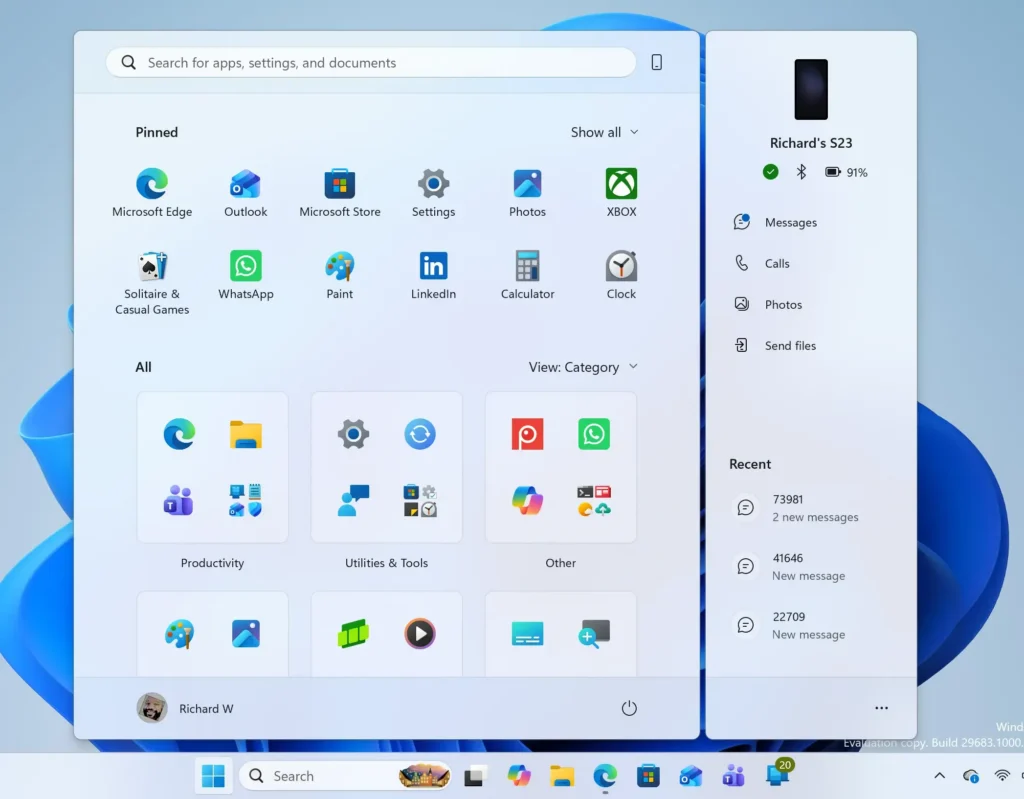
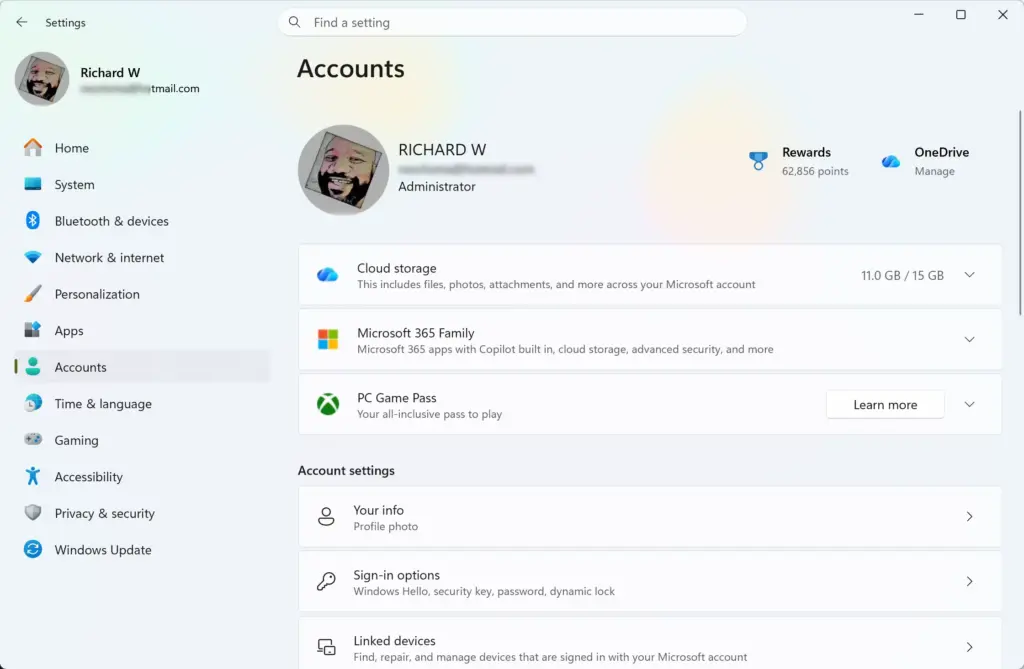
Windows 11 Start menu search panel for opening OpenSSH Client settings - Select Accounts. It appears in the left-hand list. The page that opens shows your account details and related options.
Settings › Accounts - Select Sign-in options. This page lists every way to sign in on this PC, such as facial recognition, fingerprint recognition, PIN and password.
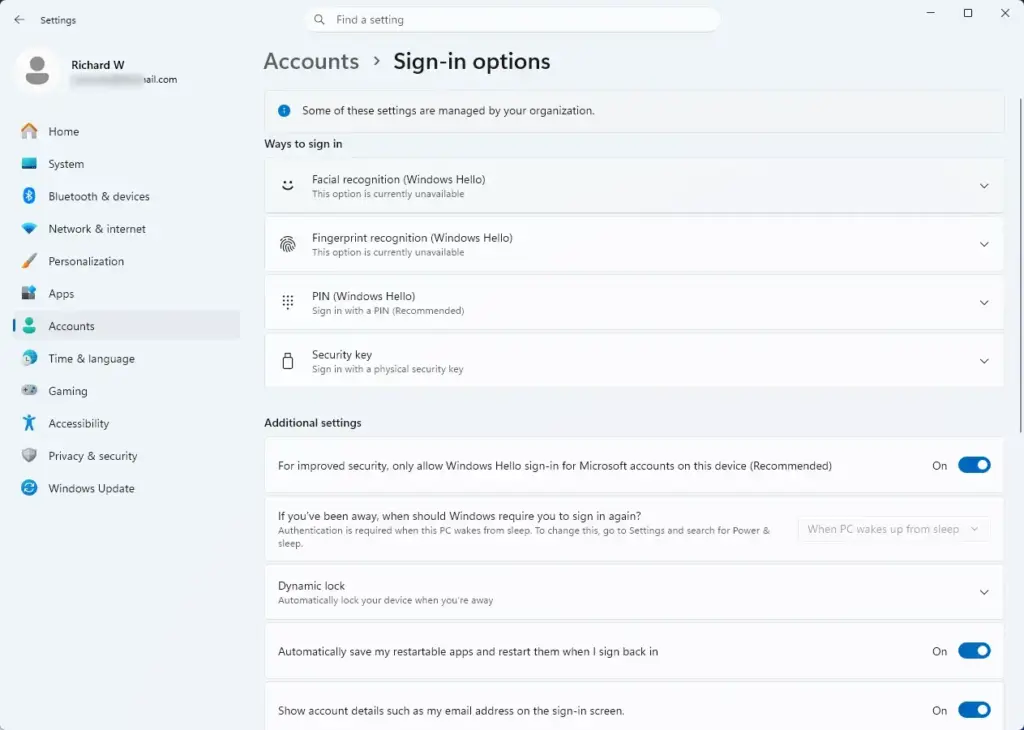
Settings › Accounts › Sign-in options - Expand Facial recognition (Windows Hello). Click its name to open the section. If you have already enrolled your face, you see options for managing it. If you have not, you see a Set up button instead.
- Find Automatically adjust screen brightness during face recognition. It sits within the Facial recognition (Windows Hello) section. Scroll down inside the section if you do not see it at first.
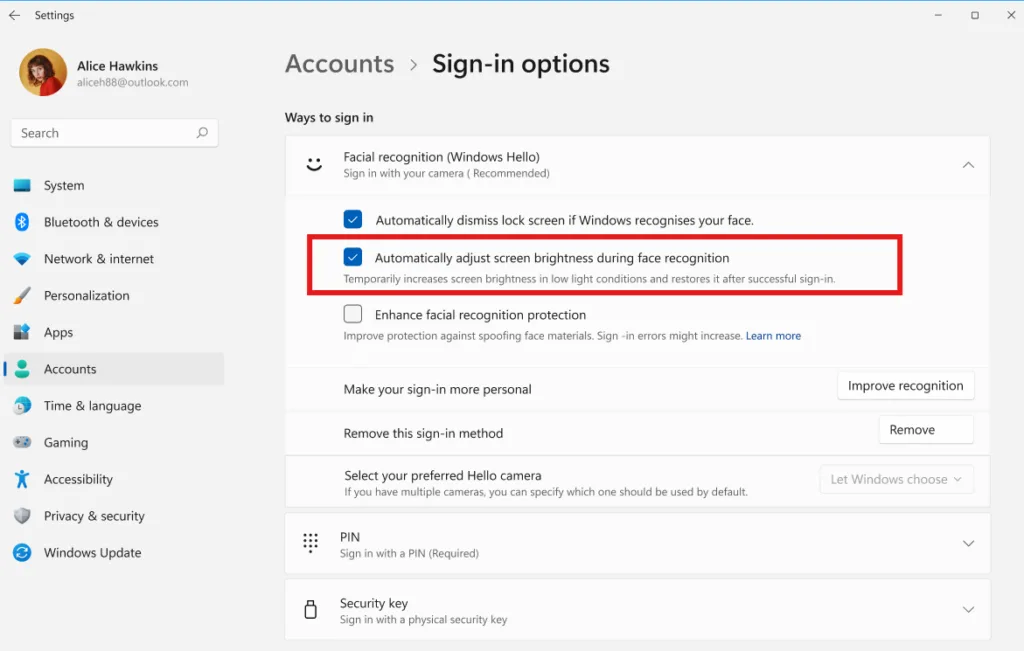
Settings > Accounts > Sign-in options - Turn on the setting. Switch it on so it shows as on. Nothing else on the page changes, and no confirmation window is expected.
- Lock your PC to test it. Press Win+L. In a dim room, sign in with your face and watch the screen. It should brighten briefly while Windows scans you.
This setting does not need a restart, so you can test it right away. If the brightening does not happen on the first lock, restart the PC once and test again before looking for other causes.
If the setting does not appear
A missing setting is the most common problem with a preview feature. Work through these causes in order.
Your build does not include it
Run winver again and check the build. A regular Windows 11 release does not have this setting. Even on a listed Insider build, Microsoft often turns on new features for devices in stages, so it may not show up on every PC at once.
No setting on your side forces it to appear. The Windows Insider Program page in Settings Windows Update Windows Insider Program is where you can see your channel.
Facial recognition is not set up
If the Facial recognition (Windows Hello) section only offers a Set up button, set up your face first. Follow the prompts, which ask you to look at the camera while Windows captures your face. Once the enrollment finishes, return to the section and look for the brightening setting.
If the Facial recognition (Windows Hello) section is missing or greyed out altogether, Windows Hello may be turned off or unavailable on this PC. The guide on how to enable or disable Windows Hello biometrics covers that, including what to check when the options are unavailable.
Your PIN was removed
Windows sets those up alongside your PIN and uses the PIN as a backup, so they depend on it. If you removed your PIN recently, create a new one under Sign-in options, then set up facial recognition again. Our post on resetting your PIN at sign-in explains the related recovery option.
The camera is not supported
Windows Hello face sign-in needs a camera that supports it. If your PC has no compatible camera, the Facial recognition (Windows Hello) section may show a message that the option is unavailable. In that case the brightening setting cannot help, because there is nothing for it to assist.
A fingerprint reader is an alternative sign-in method. See how to enable or disable Windows Hello fingerprint for that route.
If the screen does not brighten when you sign in
If the setting is on but you see no change, check the following before assuming the feature is broken.
- Room light. The brightening is meant for a dark or dimly lit room. In a well-lit room, you may not notice it.
- The setting is still on. Return to Settings Accounts Sign-in options Facial recognition (Windows Hello) and confirm it shows as on. A build update can reset preview settings.
- Face sign-in is being used. The brightening applies during face recognition. If you sign in with a PIN or password, the camera is not scanning and nothing brightens.
- Your face is enrolled correctly. The Facial recognition (Windows Hello) section includes an Improve recognition option, which lets you scan your face again, for example with and without glasses.
Microsoft has not published a list of devices or displays that support the feature. Whether it works on an external monitor is not stated, so do not assume it does.
How to turn off screen brightening
Turning the feature off is the same route in reverse. Face sign-in itself keeps working afterward. Only the temporary brightening stops.
- Open Settings. Press Win+I.
- Select Accounts. Then select Sign-in options.
- Expand Facial recognition (Windows Hello). Click its name to open the section.
- Turn off Automatically adjust screen brightness during face recognition. The setting now shows as off, and your screen no longer brightens during face scans.
Other ways to improve face sign-in in dim light
Until the feature reaches regular releases, a few ordinary measures help. Turn on a lamp or raise your display brightness before you sign in. Wipe the camera lens, because a smudge reduces what the camera can see. Run Improve recognition in the same Windows Hello section, ideally in the lighting you use most often.
If you want face sign-in to resist photos and other fakes, read how to turn on Windows Hello anti-spoofing (protection that stops photos or masks from fooling the camera). That is a separate protection and does not depend on the brightening setting.
Your PIN stays as the fallback whenever the camera cannot recognize you. Keep it, even if face sign-in is your main method. If you want to go further and sign in without a password at all, see how to turn on passwordless sign-in with Windows Hello.
What is still unknown about this feature
Microsoft’s information so far is short. The facts that are confirmed are the setting name, its location in Settings, the Insider builds that include it, and its purpose of brightening the screen temporarily during face recognition. Several details are not confirmed:
- The release date for regular Windows 11 versions.
- The exact list of supported cameras and displays.
- Whether the setting will be on or off by default.
- Whether the name and location will stay the same.
These steps match the preview builds listed above. Check the Facial recognition (Windows Hello) section again after each major update, because preview features can move or change.
A related earlier post, how to turn on automatic screen brightness for Windows Hello face recognition, covers the same type of setting. Check it if your Settings page uses slightly different wording.
What to do next
If the setting is missing on your build, nothing on your PC needs fixing. Check the build with winver, and look for the setting again after a later Windows update. If it appeared and then disappeared, a feature update or a new build may have reset it, so repeat the steps above.
If you want Windows to ask for sign-in less often, check how to enable or disable sign-in on wake.
Have a question about this guide?
Answered by AI from this guide. Good questions may be added to this page — please don't include personal details.
Did this guide fix your problem?

About the Author
Richard
Tech Writer, IT Professional
Richard is a writer at Geek Rewind who turns complex IT tasks into clear, step-by-step guides. He draws on years of hands-on experience in system administration and enterprise IT operations, focusing on Windows, Linux and WordPress: the problems people actually run into, and the fixes that work. His server and WordPress guides come from systems he runs himself. Richard builds and maintains the platform behind Geek Rewind, from its Ubuntu servers and Nginx configuration to its custom WordPress plugins. Many new tutorials start with readers' questions, and he's always glad to answer them in the comments.
No comments yet — be the first to share your thoughts!