How to Change or Reset Your Windows 11 Password

Changing or resetting your Windows 11 password protects your computer from unauthorized access. It also gets you back in if you get locked out. Windows 11 protects your personal files and settings with one of two account types. A Microsoft account is linked to an email address. A local account is offline and exists only on that PC.
Which type you have decides which method works. If you know your current password, you can change it in the Settings app in a few minutes. If you have forgotten it, a Microsoft account can be recovered online from any device through the official Microsoft website. A local account relies on security questions or one of the more drastic options further down.
To check which type you have, open Settings Accounts Your info A Microsoft account shows an email address under your name. A local account shows Local account.
To reset or change your Windows 11 password, open Settings Accounts Sign-in options, click Password, then click Change and enter your current password. If you’re locked out of a Microsoft account, reset it from any device at the Microsoft account recovery page, then sign in to the PC with the new password once it is online.
Change Your Password in 🪟 Windows 11
Use this method when you can still sign in and know your current password. It works for both Microsoft and local accounts. A restart is not needed. The new password applies the next time you sign in or unlock the PC.
Step 1Open Settings
Click the Start button and select Settings. You can also press the Win+I. The Settings window opens with a list of categories on the left.
Step 2Go to Sign-in Options
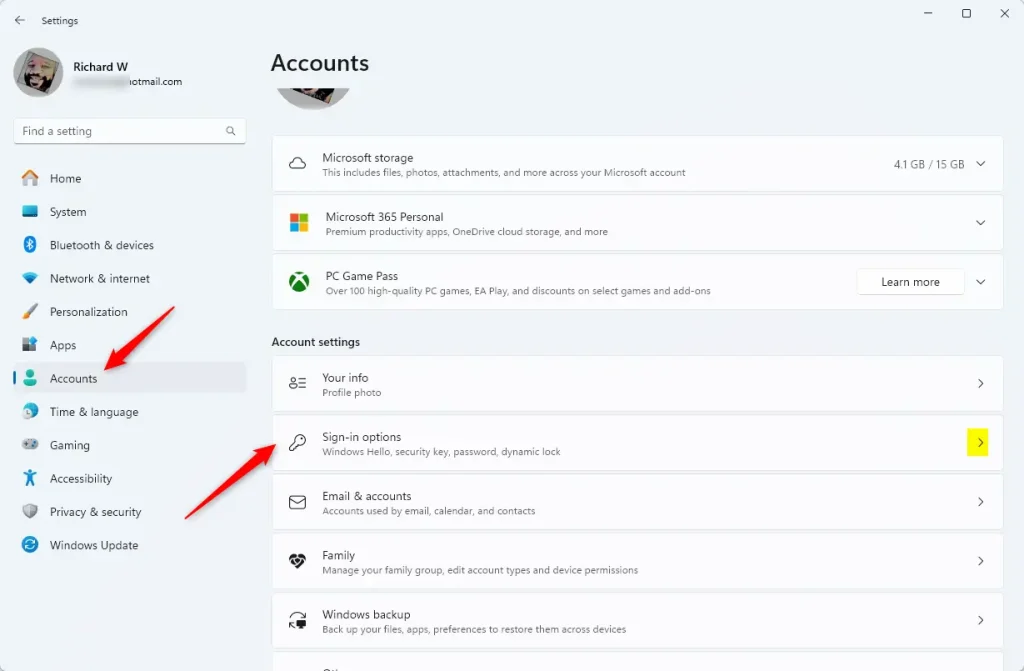
Click Accounts in the left pane, then select Sign-in options. The page lists every way you can sign in to this PC, such as Facial recognition, Fingerprint recognition, PIN (Windows Hello) and Password. Which ones appear depends on your hardware.
Step 3Click Password
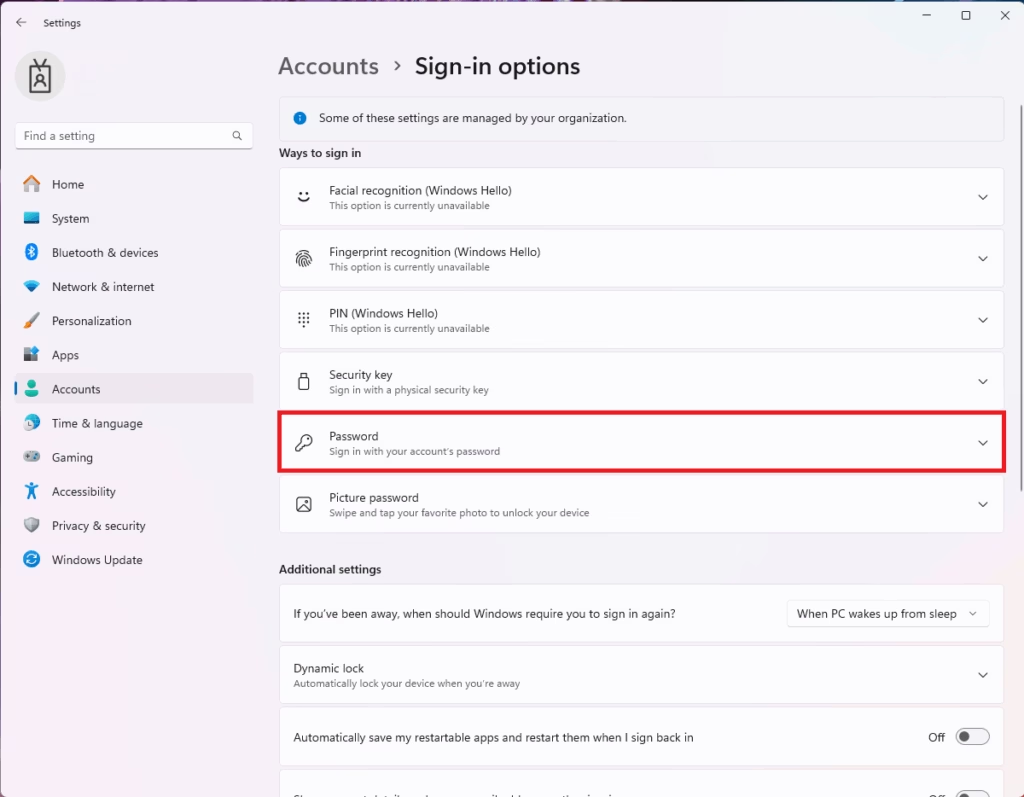
Under Ways to sign in, click the Password tile. It expands and shows a Change button.
If you don't see a Password tile on a Microsoft account, scroll down to Additional settings. Turn off For improved security, only allow Windows Hello sign-in for Microsoft accounts on this device, then check again. If you only see a PIN, you may need to sign in with your password once first.
Step 4Select Change
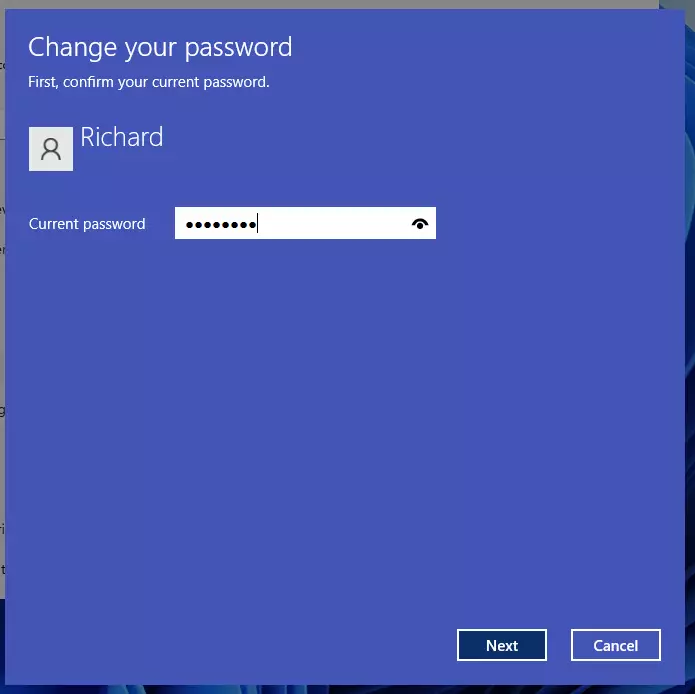
Click the Change button. A dialog opens and asks you to confirm who you are before it lets you set anything new.
Step 5Verify Identity
Type your current password to confirm your identity, then click Next. Windows then asks for the new password.
On a local account, enter the new password, type it again to confirm it, and add a password hint if you want one. Then click Next and Finish. On a Microsoft account, the prompts may look slightly different because the change is made on your Microsoft account. The new password then applies to every device you sign in to with that account.
Pick a password that is long and that you haven't used anywhere else. Don't put anything in the hint that gives the password away. If you change a Microsoft account password and the PC is offline, it may still accept the old password until it connects to the internet.
Reset Your 🪟 Windows 11 Password
If you are locked out of Windows 11, the method depends on whether you use a Microsoft account or a local account. Check which one you have first. A Microsoft account signs in with an email address, and a local account signs in with just a user name.
If You Use a Microsoft Account
Microsoft accounts are linked to your email. That means you can reset them from any device with internet access, such as a phone or another PC. Visit the Microsoft account recovery page to verify your identity and create a new password.
Microsoft sends a security code to the recovery email address or phone number on the account. If you no longer have access to either, you'll have to go through Microsoft's account recovery form, which can take a day or more.
Once the password is changed, go back to the locked PC. Connect it to the internet, either with the network icon on the sign-in screen or by cable, and sign in with the new password. If the PC still accepts the old password, restart it while online and try again.
If You Use a Local Account
Local accounts rely on security questions. They only work if you set them up beforehand. Windows normally asks for three when you create a local account. Entering the wrong password on the sign-in screen triggers a Reset password link below the password box.
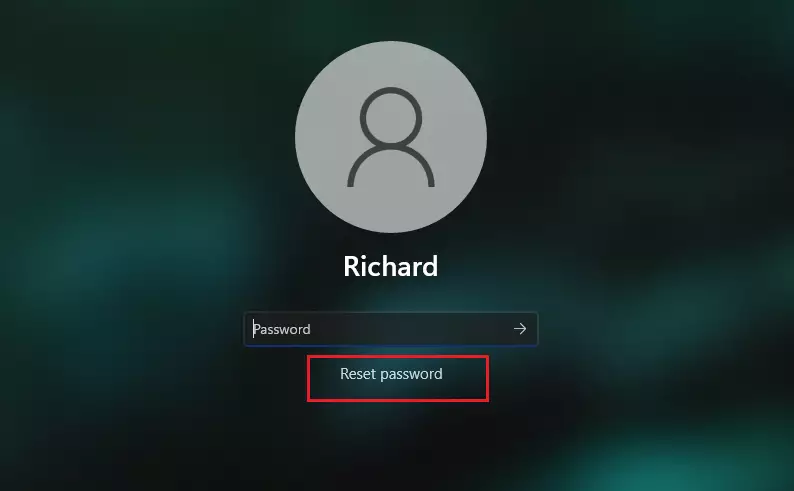
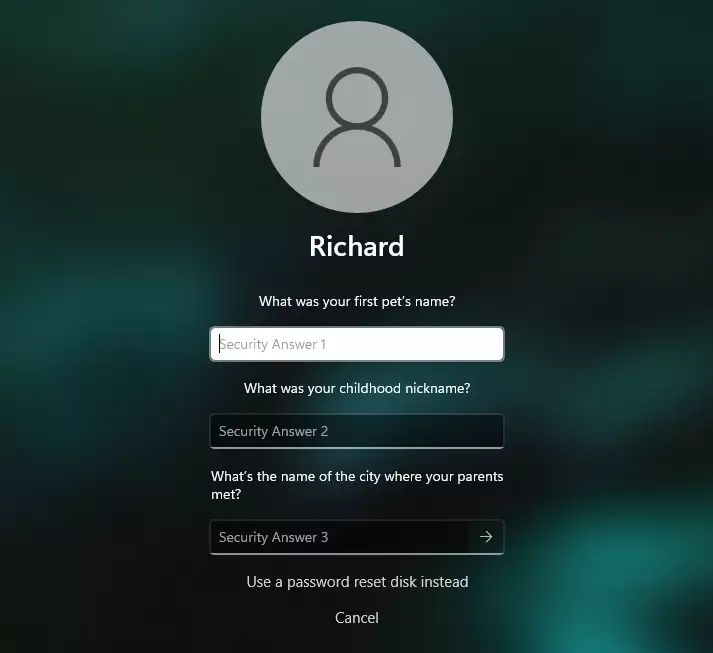
Click Reset password to answer your security questions. If your answers are correct, Windows asks you to enter and confirm a new password, and then you can sign in with it.
If the link never appears, no security questions were saved for that account. In that case, skip to the advanced options below.
Setting Up Security Questions
To prevent future lockouts, go to Settings Accounts Sign-in options Password Change. Follow the prompts to set up three security questions that only you can answer.
On a local account, Settings may also show an Update your security questions link under the Password tile. Use it to review or replace the questions you picked earlier. Choose questions whose answers can't be found on social media, and remember your answers exactly as you typed them.
Advanced Recovery Methods
If standard methods fail, the Windows Recovery Environment (WinRE, a built-in troubleshooting tool) offers a fallback option.
Use it only on a PC you own. It applies to local accounts, and it is risky if you make a typing mistake, so go slowly.
The Command Prompt Trick (utilman.exe)
⚠️ Admin Privileges Required
This advanced method involves swapping the Utility Manager for the Command Prompt. You'll need to boot from a Windows 11 installation media USB. Once in the command prompt, you can use the command net user username newpassword to force a change.
Be aware of a few things before you start:
- If the drive is protected by BitLocker or device encryption, Windows may ask for the recovery key when you boot from the USB. Without that key, this method won't work.
- The command changes the password of a local account. It does not recover a Microsoft account, so use the online reset for those.
- After you regain access, put the original Utility Manager file back. Leaving Command Prompt in its place is a security hole that lets anyone with physical access open a command prompt on the sign-in screen.
Resetting Your PC
If all else fails, resetting your PC is another option. Warning: This removes your apps and potentially your files. Go to Settings System Recovery Reset this PC.
Keep my files removes apps and settings but tries to keep your personal files. Remove everything wipes the PC completely. Either way, back up anything important first if you can, because there is no undo once the reset starts.
If you can't sign in to open Settings, you can still reach the reset from the sign-in screen. Hold the Shift key, click the power icon, and choose Restart. When the blue recovery screen appears, select Troubleshoot and then Reset this PC. Expect it to take a while, and keep a laptop plugged in until it finishes.
Summary
- Use Settings to change your password regularly, and pick a long one you don't use anywhere else.
- Microsoft account users should use the online recovery page, and keep their recovery email and phone number up to date.
- Local account users should set up security questions immediately, before a lockout happens.
- Resetting your PC is a last resort that deletes your data, so back up your files first whenever you can.
Was this helpful? [Feedback Widget Placeholder]
Have a question about this guide?
Answered by AI from this guide. Good questions may be added to this page — please don't include personal details.
Did this guide fix your problem?

About the Author
Richard
Tech Writer, IT Professional
Richard is a writer at Geek Rewind who turns complex IT tasks into clear, step-by-step guides. He draws on years of hands-on experience in system administration and enterprise IT operations, focusing on Windows, Linux and WordPress: the problems people actually run into, and the fixes that work. His server and WordPress guides come from systems he runs himself. Richard builds and maintains the platform behind Geek Rewind, from its Ubuntu servers and Nginx configuration to its custom WordPress plugins. Many new tutorials start with readers' questions, and he's always glad to answer them in the comments.
My younger brother keeps accessing my computer through my security questions. Is there a way I can change them or completely disable them? Thanks, Obinna
[…] change a user password using the Command Prompt or Windows Terminal with PowerShell in Windows 11. Windows allows users to change or reset passwords from the Windows Settings app or Control […]
[…] forget it. You can create a password reset disk on a USB drive or a floppy disk and then use it to reset your password if you ever get locked out of your Windows […]