BitLocker auto-unlock in Windows 11 opens secondary encrypted drives in the background when your computer starts up. This feature saves you from typing a long recovery password every time you…
Windows 11
2,374 tutorials · page 71
The Windows 11 version shows the exact build number and feature update installed on your PC. Finding this information takes less than 10 seconds and helps you check for bugs…
Windows 11 offers a feature called Apps for Websites that allows website links to open directly in their related apps instead of a web browser, provided the app is installed. Users can enable or disable this feature through the Settings app, Group Policy Editor, or Registry Editor, with a computer restart required to apply changes.
AutoEndTasks in Windows 11 determines if open apps automatically close during shutdown or restart. If enabled, Windows shuts down quickly but may lose unsaved data. If disabled, users are prompted to close apps first. This setting can be changed through the Windows Registry, with backup recommended before any edits.
HungAppTimeout is a Windows setting that dictates the wait time before the system prompts to force-close unresponsive apps during shutdown or restart. The default is 5 seconds, but users can modify it through the Registry. Backup the Registry first to prevent issues, and follow specific steps for adjustments.
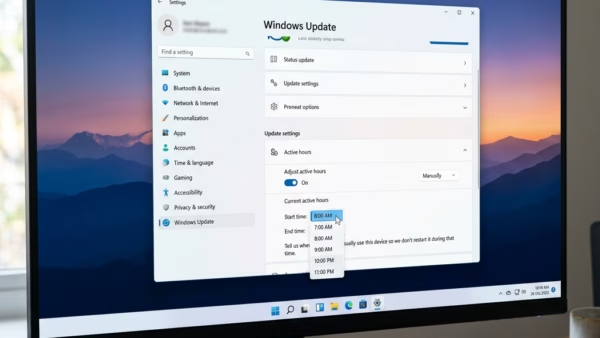
Automatically Adjust Active Hours in Windows 11 stops your PC from restarting during the workday by tracking your regular device use over a 30-day period. This feature sets your active…
Text cursor thickness in Windows 11 changes the size of the blinking vertical line you see when typing. Large screens and multi-monitor setups often make this pointer hard to spot,…
Disabling the Caps Lock key in Windows 11 stops accidental uppercase typing by turning the key off or changing its function to do nothing when pressed. You can still type…
PowerShell Execution Policies manage how scripts run on Windows 11 PCs, helping to prevent the execution of harmful scripts accidentally. Policies range from Restricted (no scripts) to Bypass (no restrictions). Users can set policies via Settings, PowerShell, or Registry Editor while being cautious with unknown sources to protect their systems.
UAC (User Account Control, a security feature that asks for your permission before apps make changes to your PC) lets you manage security prompts for the Windows 11 built-in administrator…
The close tab warning in Windows Terminal is a safety prompt that asks “Do you want to close all tabs?” whenever you try to exit the app with more than…
Windows Terminal (an app that brings together Command Prompt, PowerShell, and other command tools in one window) always runs with standard user rights by default. Running it as an administrator…
This guide explains Windows 11's driver signature enforcement, which ensures only Microsoft-approved drivers are installed for security. It details how to disable this feature temporarily to install unsigned drivers using Advanced Startup or Command Prompt. Users are cautioned to trust their sources, as disabling enforcement can reduce security.
This guide explains how to update Wi-Fi settings on a Windows 11 PC without deleting the network profile. Users can change passwords, security types, and connection preferences through the Settings menu. The process helps ensure a secure and efficient Wi-Fi connection by maintaining saved network details.
To delete a user account in Windows 11, sign in as an administrator and ensure the account is not currently signed in. You can remove accounts using Settings, Control Panel, Command Prompt, or PowerShell. Always backup important data before deletion to keep your PC organized and clutter-free.