How to Start Voice Typing in Windows 11

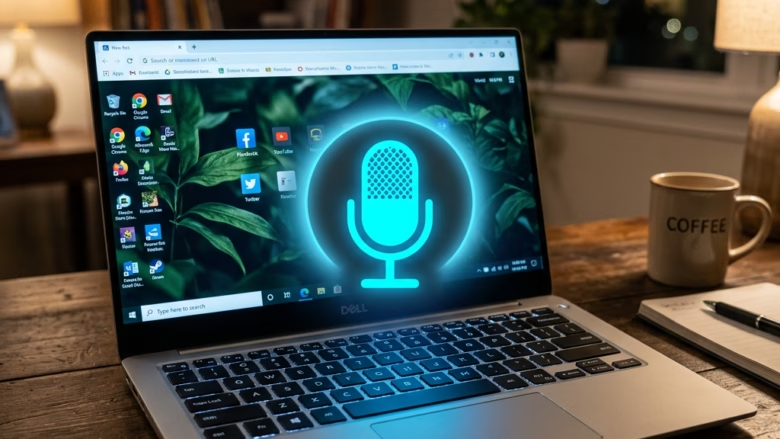
To start voice typing in Windows 11, click inside a text box and press the Win and the H key together. A small microphone bar opens near the top of the screen and Windows starts listening.
Voice typing is a built-in feature that turns spoken words into on-screen text in almost any app or document. It works like a live scribe, so you can write messages and emails without a physical keyboard. It is part of both Windows 11 Home and Pro, and it needs no extra download.
This tutorial covers the shortcut, a second method that uses the touch keyboard, and what to check if the microphone bar stays silent.
To start voice typing in Windows 11, click inside a text box and press the Win and H together. A microphone bar appears near the top of the screen and shows “Listening…” when it is ready. Voice typing needs an internet connection and a working microphone. Press Win+H again to stop.
What You Need
Voice typing needs three things. Check them before you start, because a missing one is the most common reason it fails.
- An Internet ConnectionWindows sends your speech to an online speech recognition service and gets text back. If you are offline, voice typing cannot turn your words into text. A slow or unstable connection shows up as long delays or missing words.
- A Working MicrophoneYour computer has to hear you. The microphone can be built in, such as a laptop mic, or external, such as a USB headset. Plug it in and test it before you dictate. If Windows cannot hear it, check that the correct input device is selected. Also check that microphone access is allowed for apps in Settings Privacy & security Microphone
- Your Cursor in a Text BoxVoice typing needs to know where to put your words. Click inside any place where you can type, such as a document, email, search bar or chat window. If no text field is active, nothing will appear.
How to Turn On Voice Typing
These steps start voice typing in Windows 11 with one keyboard shortcut. The shortcut works in any text box, document or email field on the system, whenever you want to dictate instead of type.
- Click inside the text box. This is where your spoken words will appear, so a blinking cursor should be visible.
- Press the Win and the H key at the same time. There is no need to hold them down, because a quick press of both is enough.
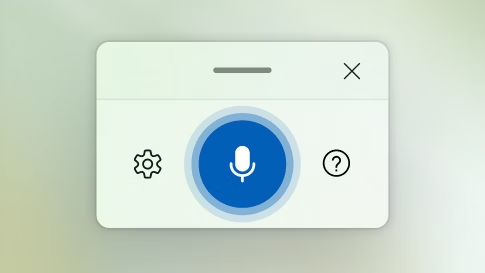
- Look at the top of the screen. The voice typing bar should appear with a microphone icon.
- Wait for the "Listening…" message. It means the microphone is active. If you speak too early, the first words of your sentence can be dropped.
- Speak at a normal pace. The text appears at your cursor as you talk.
- Click the microphone icon on the bar to stop. Pressing Win+H again also stops dictation.
Windows 11 gives you more than one way to launch voice typing. The shortcut is the fastest, and the touch keyboard is the alternative.
Using a Keyboard Shortcut
The Win is the one on a standard keyboard with a window logo on it. Pressing it together with H opens the Voice Typing window, and this is the fastest way to start dictating.
Some apps and password fields do not accept dictation, so test in a simple place like Notepad first.
Learn this shortcut and use it often. Voice typing is then a second away, which saves a lot of time over a working day.
Using the Touch Keyboard Button
If you use a touchscreen or prefer an on-screen keyboard, you can start voice typing from the touch keyboard instead. It has a built-in microphone key. These steps show how to turn the touch keyboard on and use it.
- Right-click an empty spot on the taskbar . The taskbar is the bar along the bottom of the screen.
- Select Taskbar settings. On current builds of Windows 11, this is what the right-click menu shows. Older builds may show a Show touch keyboard button entry instead. If you see it, select it and skip to step 5.
- Expand Taskbar corner icons. A list of system icons opens.
- Turn on Touch keyboard. A keyboard icon now appears in the lower-right corner of the taskbar . On tablets and 2-in-1 devices, this icon often appears on its own.
- Click the keyboard icon in the lower-right corner of the taskbar . The touch keyboard opens.
- Tap the Microphone button on the touch keyboard. The Voice Typing bar opens.
To remove the keyboard icon later, switch the same Touch keyboard setting back off.
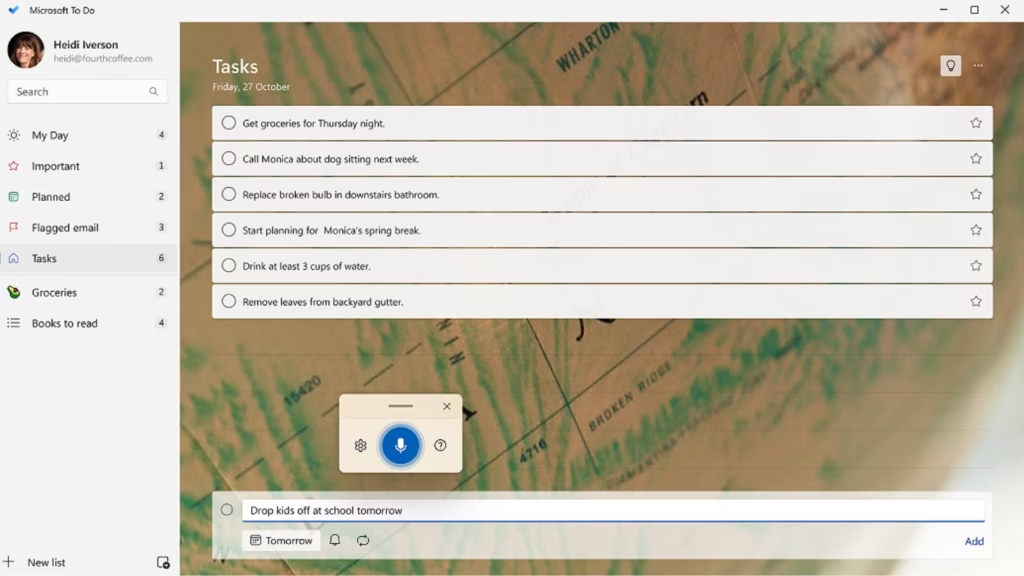
When voice typing starts, a small overlay appears near the top of the display. It shows a microphone icon and the word "Listening…". That message means the system is ready for speech. Wait for it before you speak.
Understanding the “Listening…” Message
The "Listening…" message confirms that the microphone is active and capturing speech. Once you see it, talk normally and the text will appear at your cursor.
To stop dictating, click the microphone icon on the bar or press Win+H again. If the bar never shows "Listening…", check your microphone connection and your internet connection first. Then confirm that microphone access is allowed for apps in your privacy settings.
Reference:
Summary
You need an internet connection, a working microphone and an active cursor in a text field. Press Windows key + H, wait for "Listening...", then start talking.
Frequently asked questions
How to enable voice typing in Windows?
To enable voice typing, click the text box where you want to write, then press the Windows key and H together. A small microphone bar appears at the top of the screen. Voice typing works with an internet connection, so check that you are online first, then start speaking.
How to activate voice typing?
To activate voice typing, press the Windows key and H together while your cursor is in a text box. The microphone bar opens, and the microphone icon turns on when Windows is listening. Click the microphone icon to start or stop dictating. Speak in complete sentences for the best results.
How to activate voice typing inwindows 11?
To activate voice typing in Windows 11, click inside a text box, then press the Windows key and H at the same time. The microphone bar appears on screen. Speak clearly, and say punctuation words such as "period" or "comma" to add punctuation.
How to use voice typing in 🪟 Windows 11?
To use voice typing in Windows 11, place your cursor where you want the text, press the Windows key and H together, and wait for the microphone bar to appear. Speak at a normal pace. Your words appear as you speak. To stop, click the microphone icon.
How do I access voice to text on my laptop?
On a laptop, open the app or text box you want to type in, then press the Windows key and H. This starts voice typing, which is built into Windows 11. You need an internet connection and a working microphone, such as the one built into your laptop.
What keys do I press to get the Microsoft microphone to talk text?
Make sure your cursor is in a text box first. Then press the Windows key and H together to turn the Microsoft microphone into a voice-to-text tool. Voice typing starts, and the microphone bar opens so you can speak. Click the microphone icon in the bar to pause or resume listening.
Still have a question?
Answered by AI from this guide. Good questions may be added to this page — please don't include personal details.
Did this guide fix your problem?

About the Author
Richard
Tech Writer, IT Professional
Richard is a writer at Geek Rewind who turns complex IT tasks into clear, step-by-step guides. He draws on years of hands-on experience in system administration and enterprise IT operations, focusing on Windows, Linux and WordPress: the problems people actually run into, and the fixes that work. His server and WordPress guides come from systems he runs himself. Richard builds and maintains the platform behind Geek Rewind, from its Ubuntu servers and Nginx configuration to its custom WordPress plugins. Many new tutorials start with readers' questions, and he's always glad to answer them in the comments.
No comments yet — be the first to share your thoughts!