How to Enable or Disable the Touch Keyboard in Windows 11

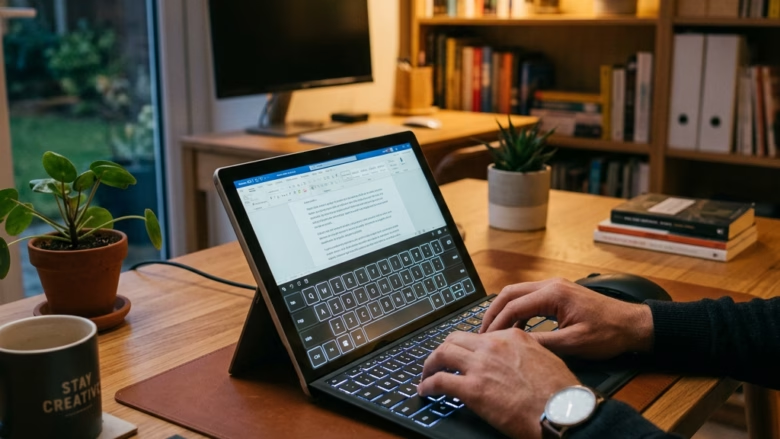
The touch keyboard in Windows 11 is a built-in on-screen panel that lets you type using your mouse or finger instead of a physical keyboard. Windows 11 version 22H2 and later versions turn this panel on automatically when you disconnect a hardware keyboard or tap a touchscreen device.
You can turn off this behavior so the keyboard stays hidden, or set it to appear only when you click inside a text box. Managing this option stops the keyboard from popping up on your screen when you do not need it.
Right-click your taskbar, select Taskbar settings, and then choose your preferred option from the Touch keyboard dropdown menu. You can set it to Always, Never, or When no keyboard attached.
Controlling When the Touch Keyboard Appears
Manage the touch keyboard using the settings tied to the system tray icon near the clock. This setup gives you direct control over when the panel appears.
1Never Show the Touch Keyboard Icon (and Disable It)
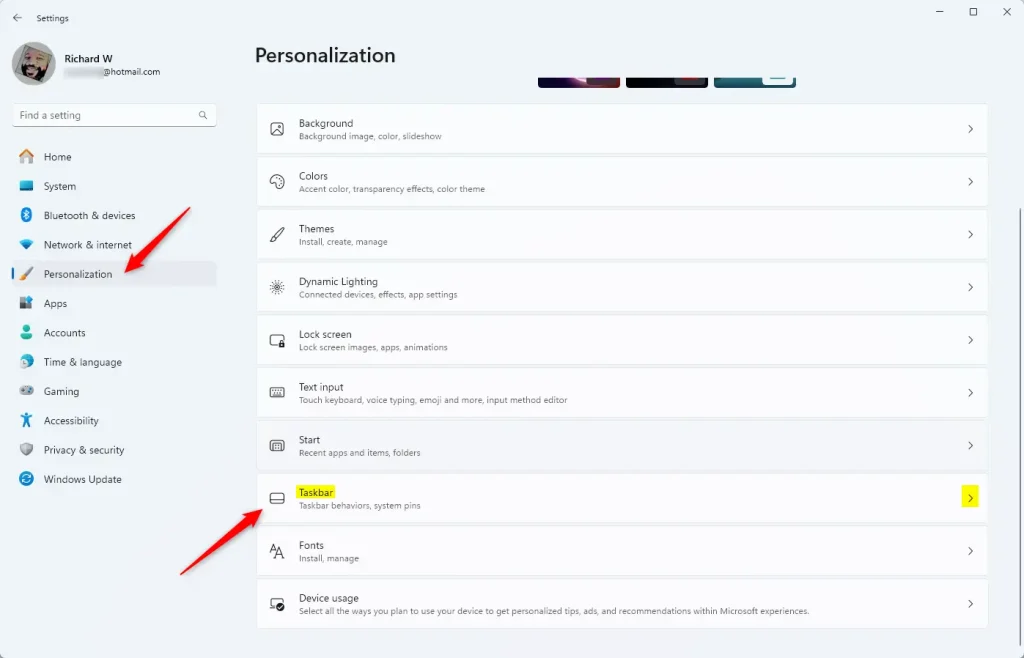
You can turn off the windows 11 touch keyboard by changing your taskbar settings. Right-click empty space on the taskbar, select Taskbar settings, and expand the Touch keyboard menu to set it to Never. This stops the keyboard button from appearing in your system tray and prevents the on-screen panel from popping up by accident.
- Close the touch keyboard if it’s open. Look for an ‘x’ or a keyboard icon and tap it.
- Access Taskbar Settings: Right-click on an empty part of your taskbar . Click “Taskbar settings.” You can also go to Settings Personalization Taskbar
- Find the Touch Keyboard Option: Scroll down to the “Notification area ” or “System tray icons” section. Find “Touch keyboard.”
- Set to “Never”: Click the dropdown menu next to “Touch keyboard” and choose “Never.”
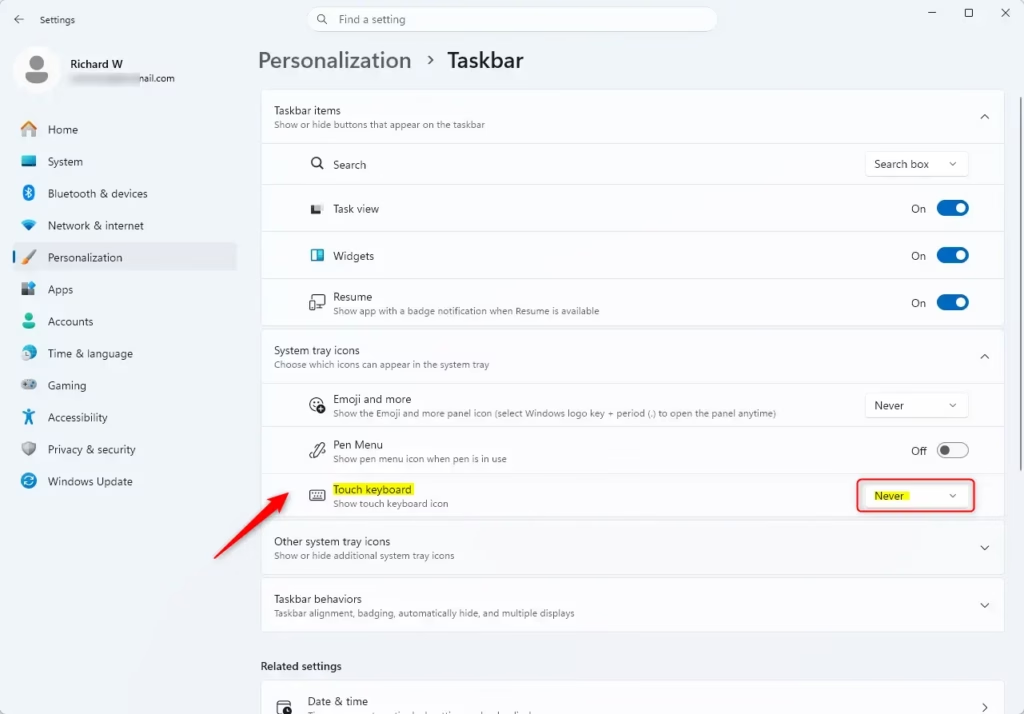
The touch keyboard icon vanishes from the taskbar , stopping automatic appearances entirely. You must open the touch keyboard manually when you need to type.
Confirm this setup fits your needs before proceeding further.
2Always Show the Touch Keyboard Icon
To keep the windows 11 touch keyboard visible on your screen at all times, open your taskbar settings by right-clicking the taskbar and choosing Taskbar settings. Scroll down to find the touch keyboard option in the system tray items and set it to Always. This places a permanent keyboard shortcut right on your taskbar for quick access.
- Access Taskbar Settings: Right-click on your taskbar and choose "Taskbar settings." Or, go to Settings Personalization Taskbar
- Locate the Touch Keyboard Setting: In the "Notification area" or "System tray icons" section, find "Touch keyboard."
- Set to "Always": Change the dropdown menu next to "Touch keyboard" to "Always."
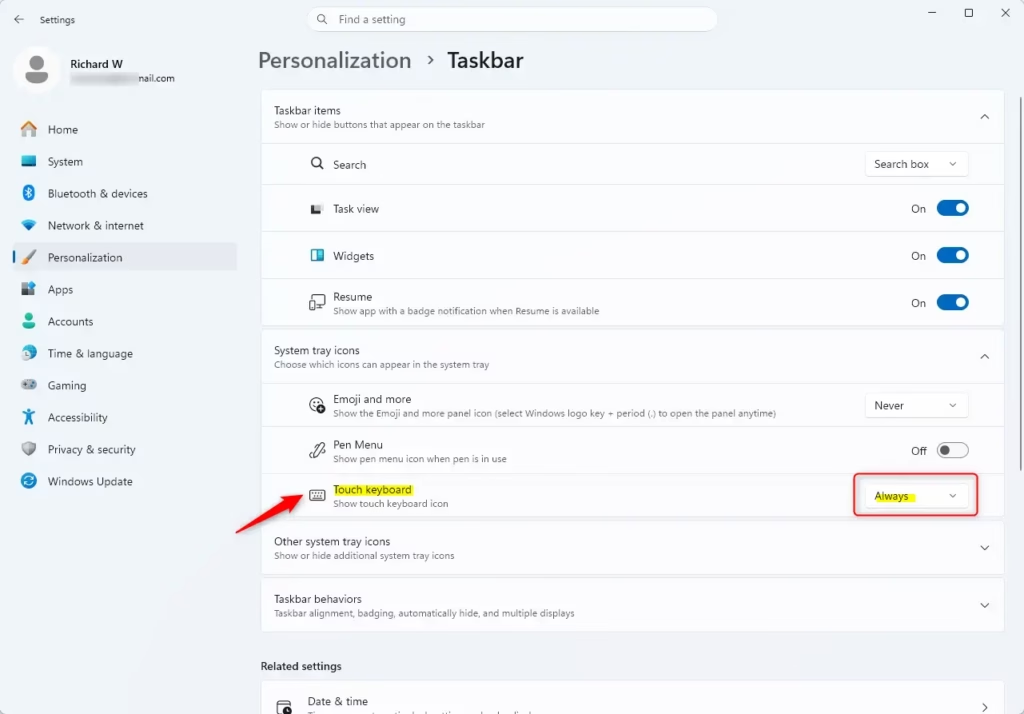
The touch keyboard icon remains visible in the system tray. Clicking this shortcut opens the touch keyboard immediately for typing.
Disabling the touch keyboard benefits anyone who regularly alternates between a physical keyboard and a touchscreen. Turning off the touch panel when lacking a physical keyboard prevents unintended inputs.
3Show the Touch Keyboard Only When No Keyboard is Attached
You can configure the windows 11 touch keyboard to appear automatically only when you unplug your physical keyboard. Right-click your taskbar, open Taskbar settings, and change the touch keyboard dropdown to show only when no keyboard is attached. This works well for convertible laptops and tablets when you detach the hardware keyboard.
- Open Taskbar Settings: Right-click the taskbar and select "Taskbar settings," or go to Settings Personalization Taskbar
- Find the Touch Keyboard Option: Look for "Touch keyboard" under the "Notification area" or "System tray icons" settings.
- Set to "When no keyboard attached": Select this option from the dropdown menu.
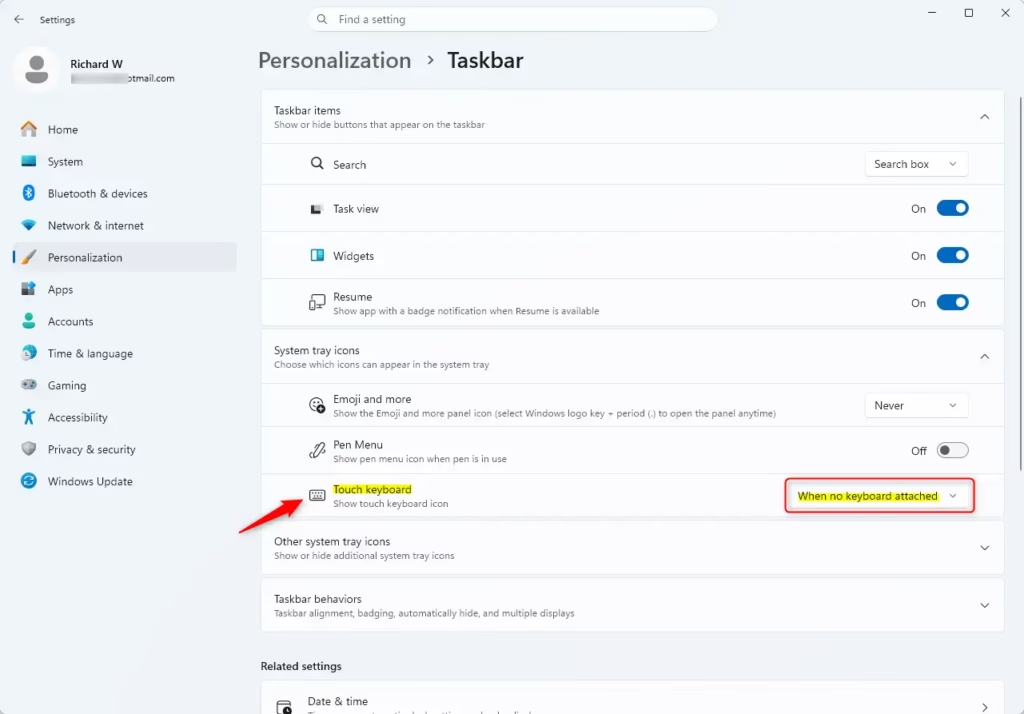
This configuration suits laptops featuring foldable or detachable keyboards. Using the device as a tablet triggers the touch keyboard automatically. Reattaching the physical keyboard hides the panel right away.
Summary
Customizing when the touch keyboard appears takes only a few clicks in the taskbar settings. Adjusting these preferences lets you hide the panel, keep it visible, or summon it exclusively when required.
Was this guide helpful?

About the Author
Richard
Tech Writer, IT Professional
Richard is a writer at Geek Rewind who turns complex IT tasks into clear, step-by-step guides. He draws on years of hands-on experience in system administration and enterprise IT operations, focusing on Windows, Linux and WordPress: the problems people actually run into, and the fixes that work. His server and WordPress guides come from systems he runs himself. Richard builds and maintains the platform behind Geek Rewind, from its Ubuntu servers and Nginx configuration to its custom WordPress plugins. Many new tutorials start with readers' questions, and he's always glad to answer them in the comments.

No comments yet — be the first to share your thoughts!