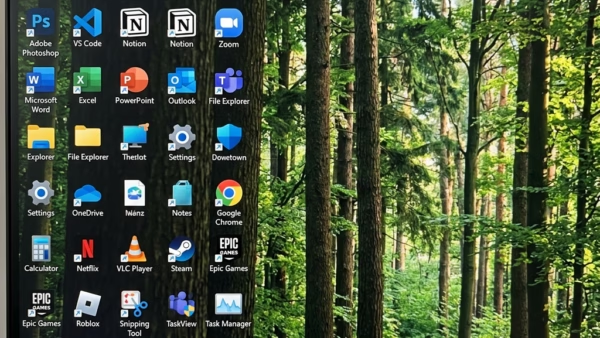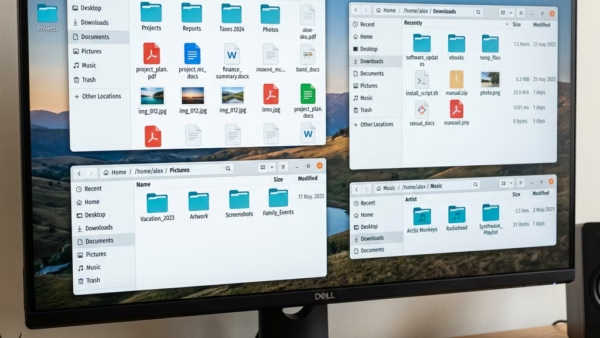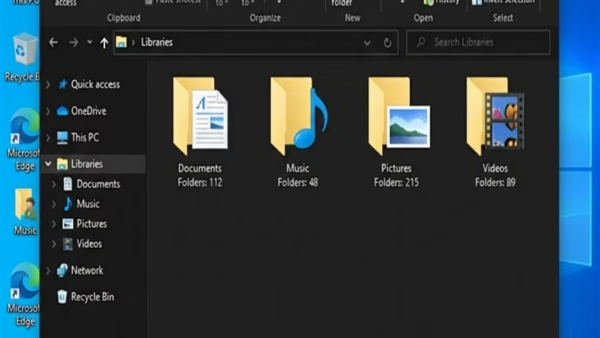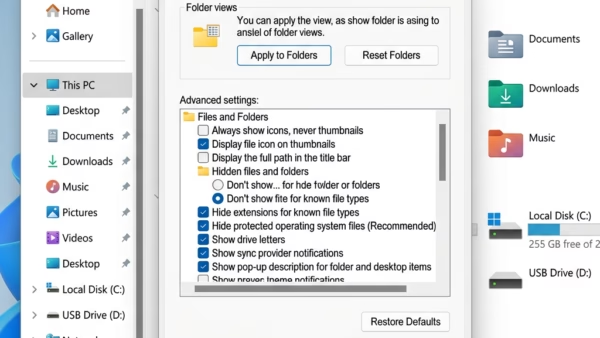
Windows 11 hides empty drives, such as unused USB sticks or SD cards, by default to streamline File Explorer. Users can easily choose to show or hide these drives through Settings or File Explorer Options, allowing for a more organized interface or quicker access to empty storage for file management purposes.
Windows
2,121 tutorials · page 66
This guide explains how to enable or disable Device Discovery in Windows 11, which allows your PC to be found by other devices on the same network and activates SSH services for secure connections. Users can use the Settings app for an easy method or the Registry Editor for advanced changes, ensuring safety on trusted networks.
Windows 11's Device Portal allows users to manage and troubleshoot their device via a web browser. To enhance security, users can restrict access to only their own computer by enabling loopback connections. This prevents remote access, offering protection against unauthorized users while maintaining the ability to control the device locally.
Storage Sense in Windows 11 automatically cleans up your computer by deleting unnecessary files, such as temporary items and old downloads. You can schedule it to run regularly or execute it manually. Regular use can enhance your PC's performance by ensuring sufficient free space. For more tips, visit Geek Rewind.
This guide explains how to enable or disable Retail Demo Mode in Windows 11, designed for displaying PCs in stores. It allows customers to experience Windows features easily. For personal use, it's recommended to keep this mode turned off. Clear steps are provided for both enabling and removing the mode.
This guide provides instructions on removing old or unused BitLocker recovery keys from your Microsoft account. BitLocker secures files on various drives, and recovery keys are essential for accessing locked drives. By following simple steps on the Microsoft website, users can easily delete unnecessary recovery keys to maintain account security.
The Paint app on Windows 11 allows users to easily create personalized coloring pages using a new AI feature called Coloring book. By typing descriptions of desired images, users can generate unique coloring pages, which can be saved or shared. The app is user-friendly and regularly updated for enhanced experience.
Windows Protected Print Mode (WPP) in Windows 11 enhances document security by utilizing trusted drivers, particularly for sensitive environments like banks and hospitals. Users can activate or deactivate WPP via Settings, Group Policy, or Registry Editor, with a system restart required for changes to take effect.
This guide explains how to adjust the mouse pointer and text cursor behavior when using the Magnifier tool on Windows 11. Users can choose between keeping them within screen edges or centered on the screen. The settings are easily adjustable through the Windows Settings app, enhancing visibility and comfort.
This guide explains how to enhance the appearance of pictures and text using the Magnifier tool on Windows 11. Users can toggle between smooth or sharp edge options for better visibility. For further assistance, it suggests visiting the official Microsoft page. Adjusting these settings can improve overall comfort in computer use.
Manage how Narrator finds and downloads new extensions on your Windows 11 PC with this guide. What is Narrator? Narrator is the built-in screen reader for Windows 11 that helps…
If you encounter issues downloading apps from the Microsoft Store due to the device limit of ten, you can easily remove linked devices from your account. This guide outlines the steps to unlink devices, allowing you to continue using the Store effectively on your Windows devices.
This guide explains how to customize the behavior of the sleep button on a Windows 11 computer. Users can now easily change settings directly in the Windows Settings app rather than the old Control Panel. Options include doing nothing, going to sleep, hibernating, shutting down, or turning off the display.
To remove a user profile from a Windows 11 PC, ensure the user is signed out and that you are logged in as an admin. Access the Advanced System Settings, navigate to User Profiles, select the profile to delete, and confirm the deletion. A new profile will be created upon the user's next sign-in.
This guide explains how to manage Microsoft account access on Windows 11. Users can enable or disable accounts via the Local Security Policy Editor for simpler management or the Registry Editor for advanced settings. Important precautions include backing up the computer before making system changes to avoid potential risks.