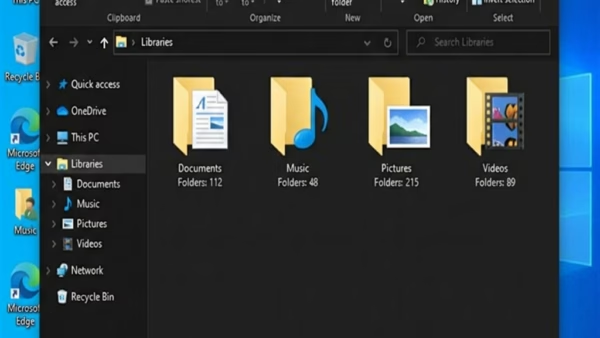
OneDrive, integrated into Windows 11, allows users to store and access files online across devices. Users can activate or deactivate OneDrive via the Local Group Policy Editor or Windows Registry. Disabling OneDrive stops syncing and hides it from File Explorer. Complete uninstallation is also possible, requiring a system restart to apply changes.
The Ubuntu folder in Windows 11's File Explorer provides easy access to Linux files through WSL. Users can hide or show this folder by modifying a value in the Windows Registry, specifically the System.IsPinnedToNameSpaceTree. Exercise caution while using the Registry Editor and ensure data backup as needed.
The Network folder in Windows 11 aids in locating connected devices. Users can easily show or hide it through the File Explorer navigation pane or Folder Options. Advanced users may modify settings via the Windows Registry. Customizing this feature does not impact network connectivity, enhancing user experience with File Explorer.
Windows 11 allows users to customize their desktop with themes that change backgrounds, colors, and sounds. To prevent others from altering these settings on shared computers, users can either use the Local Group Policy Editor (for compatible editions) or edit the Registry. Both methods require a restart for changes to take effect.
Windows 11 features an autocorrect function that automatically corrects spelling mistakes as you type, aiding users who occasionally misspell words or use multiple languages. Users can easily toggle this feature on or off through the Settings app or, for advanced users, via the Registry Editor, ensuring customization to personal preferences.
Windows 11 features a spellcheck tool that highlights misspelled words with a red wavy line. Users can easily enable or disable this feature through the Settings menu under Time & language. Advanced users can also modify it via the Windows Registry. Turning off spellcheck can help minimize distractions from false corrections.
Windows 11 allows users to manage startup apps that can affect computer performance. By using Task Manager or the Settings app, you can view which apps impact startup speed. Identifying high-impact apps enables you to disable them, potentially improving startup times and overall system efficiency.
Moving Microsoft Store apps to another drive in Windows 11 lets you free up space on your main C: drive without losing your saved game data or settings. Windows 11…
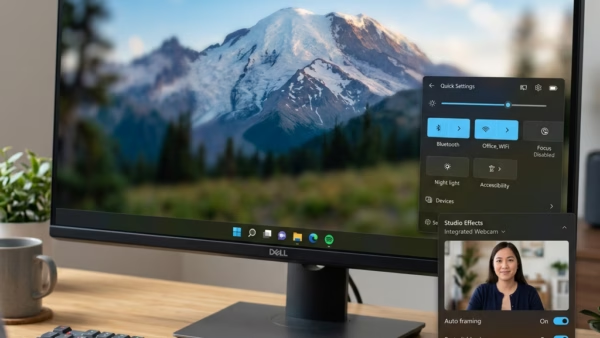
Windows 11 can notify users when their camera turns on or off, enhancing security awareness. This feature is crucial if the camera light is obstructed, preventing unnoticed activation. Users can enable or disable these notifications via the Registry Editor by adjusting a specific setting, ensuring they remain aware of camera usage at all times.
BitLocker in Windows 11 protects files by encrypting the drive, allowing only trusted users access. It typically utilizes a TPM chip for automatic unlocking. Users can disable USB and PIN requirements for easier access by adjusting settings in the Control Panel. Auto unlock enhances security while speeding up startup.
BitLocker auto-unlock in Windows 11 lets your computer open encrypted second drives by itself when you turn on your PC. Instead of typing a long password every single time you…
The Windows 11 version tells you exactly which build and feature update your PC runs, which helps you check for bugs or install software that needs a specific system level.…
Windows 11 offers a feature called Apps for Websites that allows website links to open directly in their related apps instead of a web browser, provided the app is installed. Users can enable or disable this feature through the Settings app, Group Policy Editor, or Registry Editor, with a computer restart required to apply changes.
AutoEndTasks in Windows 11 determines if open apps automatically close during shutdown or restart. If enabled, Windows shuts down quickly but may lose unsaved data. If disabled, users are prompted to close apps first. This setting can be changed through the Windows Registry, with backup recommended before any edits.
HungAppTimeout is a Windows setting that dictates the wait time before the system prompts to force-close unresponsive apps during shutdown or restart. The default is 5 seconds, but users can modify it through the Registry. Backup the Registry first to prevent issues, and follow specific steps for adjustments.