How to Update Device Drivers in Windows 11

You update device drivers in Windows 11 to ensure your PC hardware functions correctly and performs at its best.
Device drivers are small software programs that allow Windows 11 to communicate with your hardware, such as your graphics card, sound card, or network adapter.
Keeping these drivers current, especially for components like your NVIDIA graphics card or an Intel Wi-Fi adapter, can resolve bugs and boost system stability. For instance, outdated audio drivers might cause crackling or no sound at all.
When you update a driver, you enable your hardware to run more efficiently and prevent potential conflicts that could lead to performance slowdowns.
Open Device Manager, right-click your device, and select “Update driver,” then choose “Search automatically for drivers.” If that fails, download the driver from the manufacturer’s website and select “Browse my computer for drivers.” Restart your computer after installation.
How to Update Drivers in 🪟 Windows 11
Windows 11 usually handles updates automatically. Sometimes, you need to step in to fix a specific issue.
Step 1Open System Settings
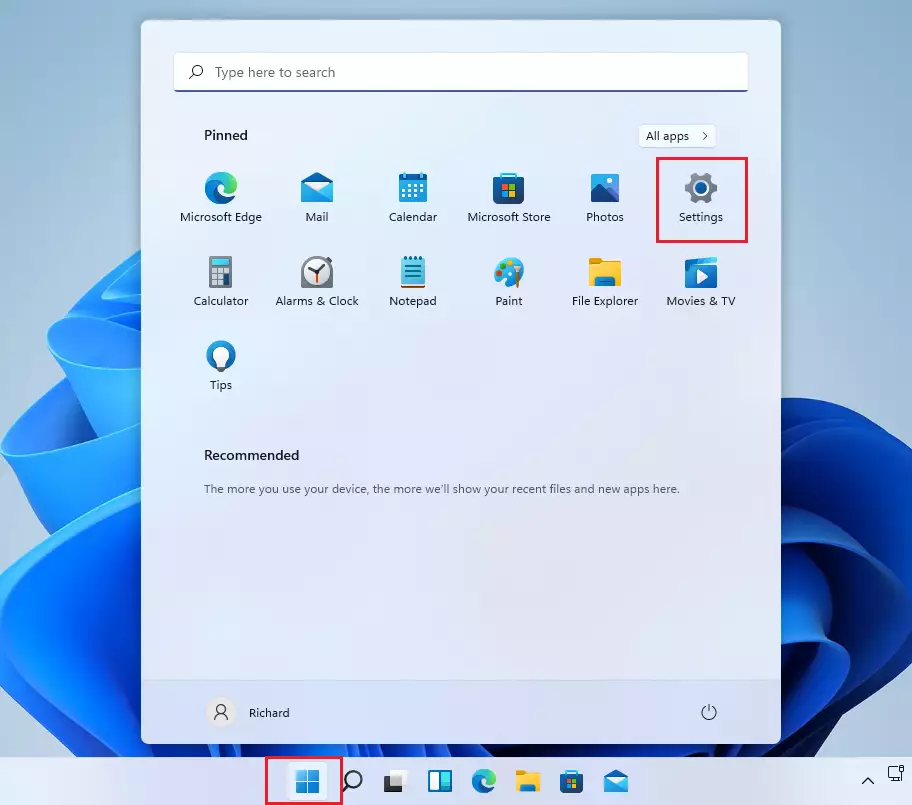
Press Windows key + I or click Start then Settings.
Step 2Navigate to Device Manager
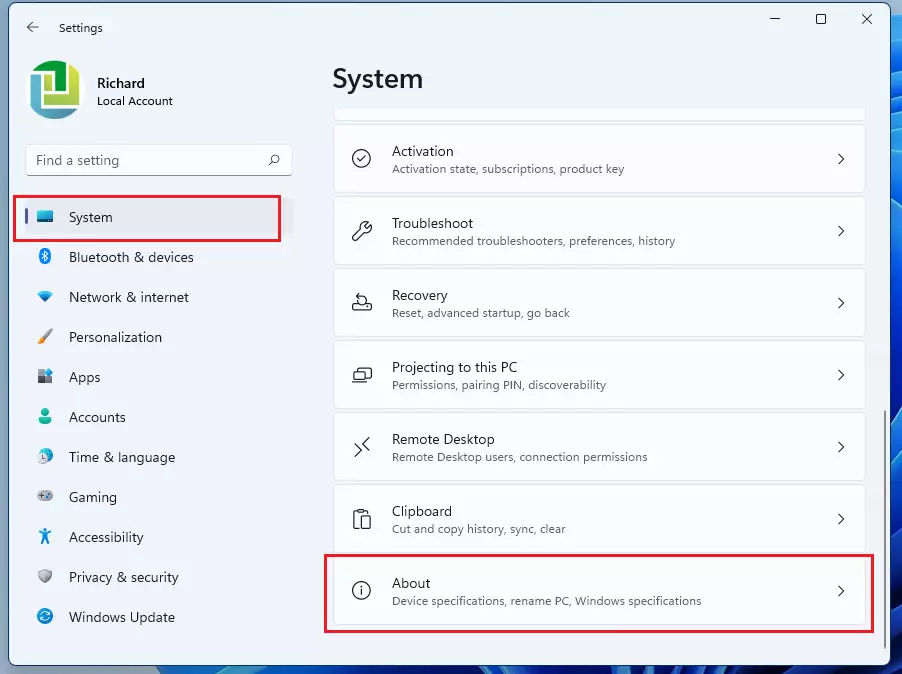
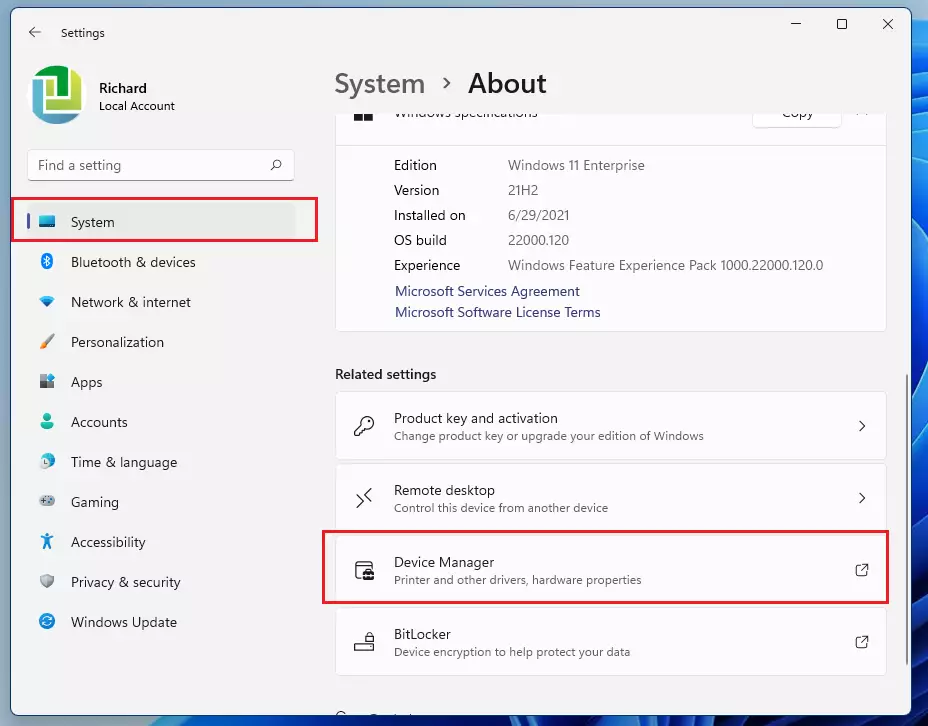
Go to System, then About. Click Device Manager under Related settings. Note: This step requires admin privileges.
Step 3Find Your Device
Look through the list for your hardware. Click the arrow to expand a category.
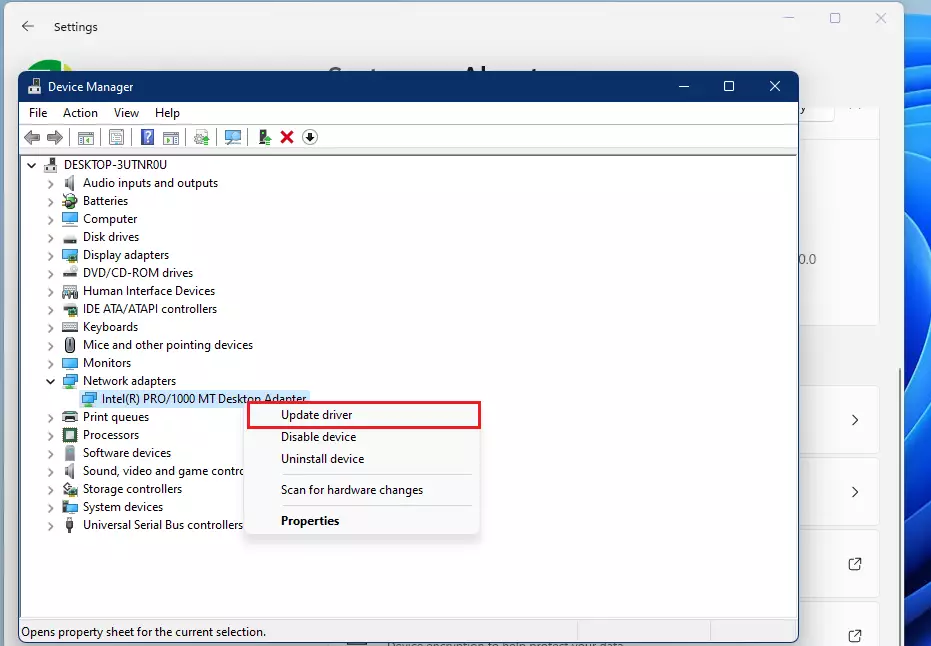
Step 4Search for Updated Drivers
Right-click your device and select Update driver. Choose Search automatically for drivers. Windows will then search its database for a matching driver.
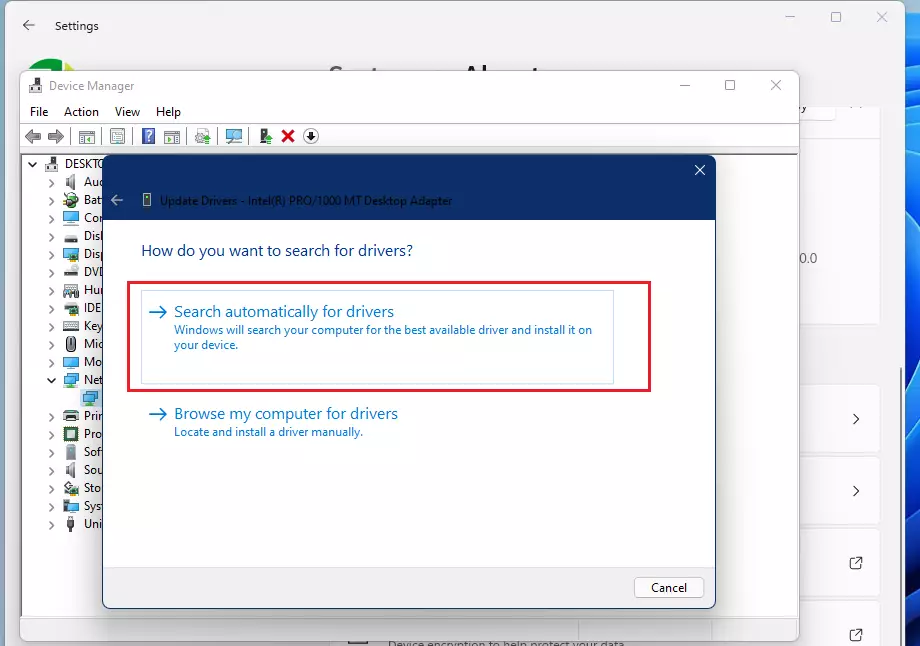
Step 5Install Drivers from the Manufacturer
If Windows finds nothing, visit the official OEM support page for your device. Download the driver file. In Device Manager, choose Browse my computer for drivers and point it to your download folder.
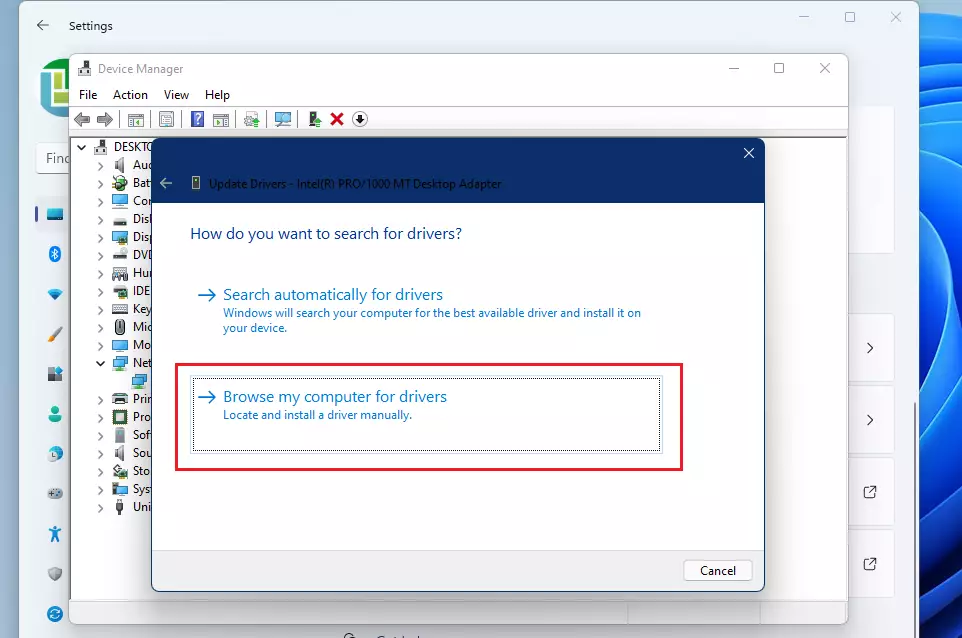
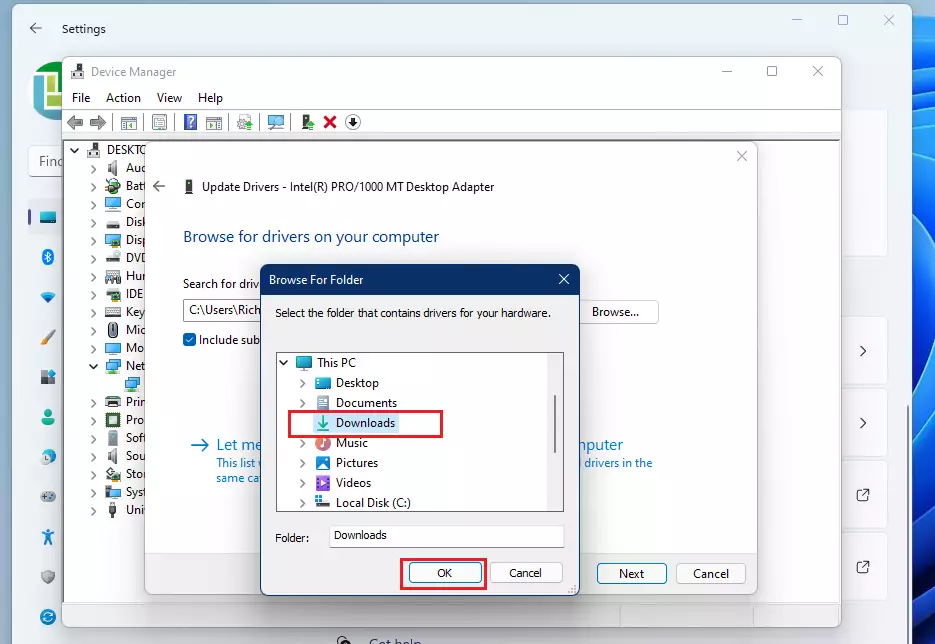
Step 6 Restart Your Computer
Always restart to ensure the new driver files replace the old ones correctly.
Troubleshooting: What If an Update Fails?
If a driver update causes crashes, use Driver Rollback. Right-click the device in Device Manager, select Properties, go to the Driver tab, and click Roll Back Driver. If the button is greyed out, you must uninstall the device and reinstall the previous version manually.
Windows Update vs. Device Manager
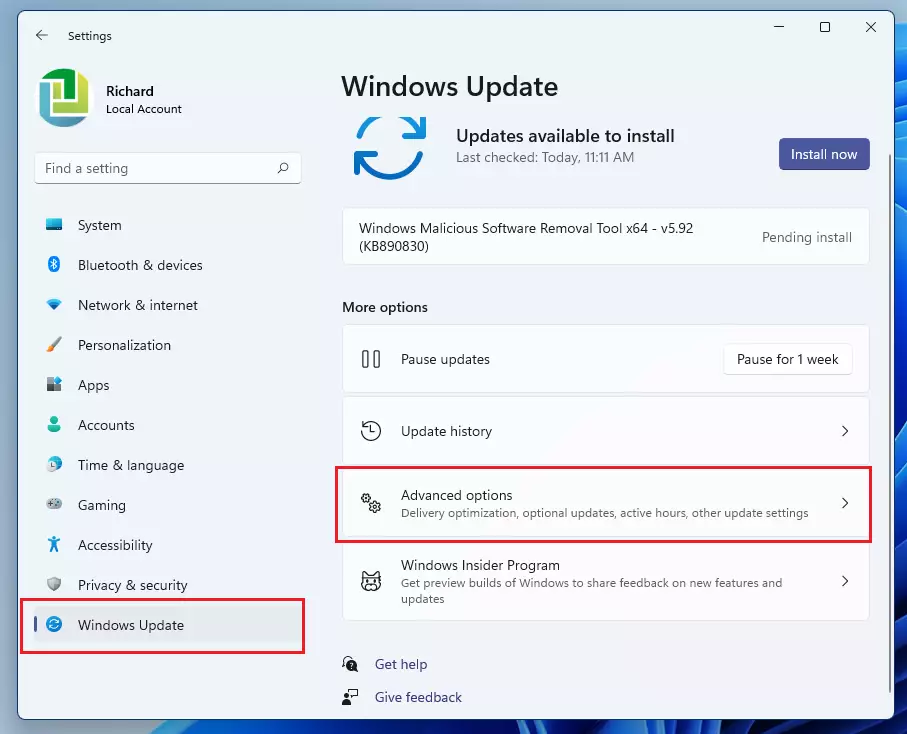
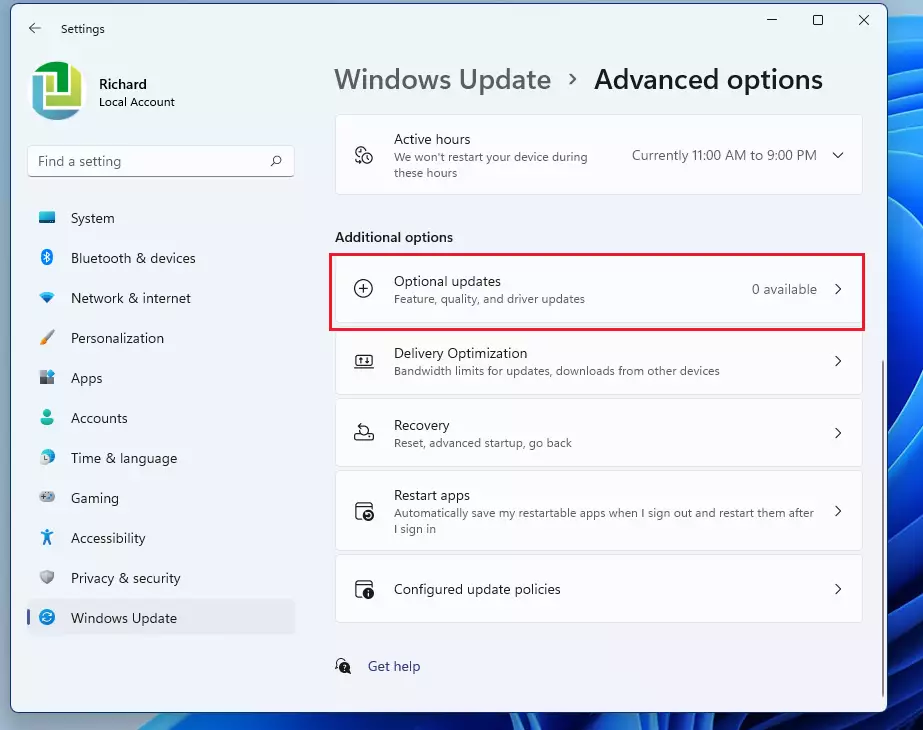
Windows Update is the easiest way to update device drivers in Windows 11, automatically finding many updates.
Summary
Keeping your device drivers updated in Windows 11 is key for smooth hardware performance.
What should I do if a driver update causes my PC to crash?
If a driver update causes your PC to crash in Windows 11, the first step is to use the Driver Rollback feature.
Do I need to update drivers if my hardware is working correctly?
You generally don’t need to update device drivers in Windows 11 if your hardware is already working perfectly.
Is it safe to use third-party driver updater software?
It’s best to avoid third-party driver updater software for Windows 11, as official methods are safer and often sufficient.
Was this guide helpful?

About the Author
Richard
Tech Writer, IT Professional
Richard, a writer for Geek Rewind, is a tech enthusiast who loves breaking down complex IT topics into simple, easy-to-understand ideas. With years of hands-on experience in system administration and enterprise IT operations, he’s developed a knack for offering practical tips and solutions. Richard aims to make technology more accessible and actionable. He's deeply committed to the Geek Rewind community, always ready to answer questions and engage in discussions.


[…] How to update device drivers in Windows 11 […]
[…] How to update device drivers in Windows 11 […]
[…] Display adapter driver update issues […]
[…] For example, there might be system update issues, starting up many programs when Windows boots, system drivers issues, and many […]
[…] How to install device drivers in Windows 11 […]
[…] Update device drivers in Windows 11 […]
[…] First, open the Device Manager. […]
[…] How to install device drivers on Windows 11 […]
[…] Device Manager by searching for it in the Start […]
[…] After extracting, you can install drivers using Device Manager. For a simple guide on installing drivers, check out this post: How to install device drivers in Windows 11. […]
[…] Press Windows + R, type devmgmt.msc, and press Enter to open Device Manager. […]