How to Secure Your Windows 11 Device Portal

The Windows 11 Device Portal is a built-in web page that lets you manage your PC from another computer on your home network. If you leave the portal open without a password, your files and system settings are exposed to anyone connected to your Wi-Fi router. That includes guests, a roommate’s laptop, and any smart device on the network that has been compromised.
Turning on HTTPS and setting up password protection stops strangers from taking control of your system. HTTPS encrypts the traffic between your browser and the portal. The password makes anyone who reaches the portal prove who they are. In this guide you will also see the strongest option, which is to limit the portal to your own computer. The steps take a few minutes and keep your personal data safe.
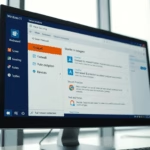
Open Settings System For developers, turn on Developer Mode and Device Portal, then set Restrict to loopback connections only to On. Only your PC can access the portal; other network devices are blocked.
Why Restrict Device Portal Access?
That is a security risk, because the portal can show system details and let a remote user change things. If you do not need remote access, limit it or leave the portal off. Restricting access keeps your system safe from unwanted visitors on your network.
As a rule, only keep the portal running while you are actively using it. If you are not a developer and never connect to your PC from another machine, you probably do not need it at all.
What Happens When Done?
Once you apply these settings, the portal only accepts connections from your own computer. This is called a loopback connection. Any attempt to reach the portal from another device on your network is blocked, even if that device knows your PC’s address.
You can still open the portal in a browser on the same PC, so you keep the tool for your own work. Your system becomes much more secure, and you can undo the change later by switching the setting back.
Enterprise vs. Local Restriction Methods
There are two main ways to manage this. You can use local settings for a single computer, or you can use enterprise tools for many computers at once.
Local settings are best for home users and small setups, where you change one PC by hand. Enterprise tools are best for businesses with many devices, where you want the same rule applied everywhere without visiting each machine.
Local Loopback Restriction
Local loopback restriction lets you limit Device Portal access so only your own computer can reach it. With this setting on, other people on your local network cannot open the portal dashboard in a web browser. You can turn on this rule in the developer settings once Developer Mode is active.
The exact wording of some options can differ slightly between Windows 11 builds. If you do not see an option, check that Windows is fully updated and that Developer Mode is on.
- Open the Settings app by pressing Windows key + I. The Settings window opens.
- Click System in the left pane. The System options appear on the right.
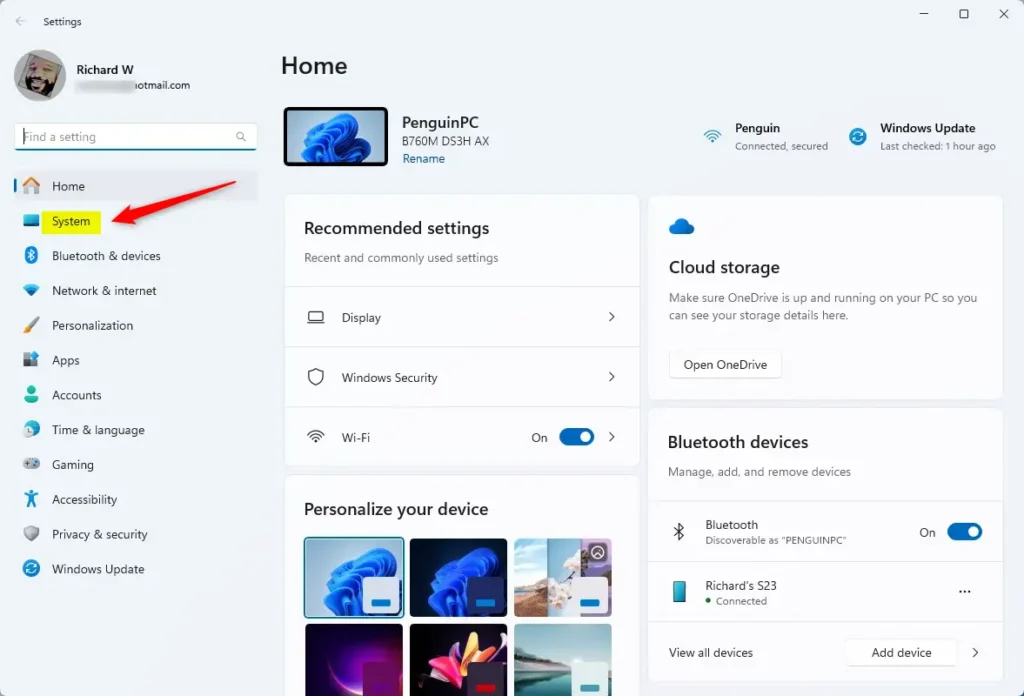
System in the Settings app - Click For developers. The developer settings page opens. The full path is Settings System For developers
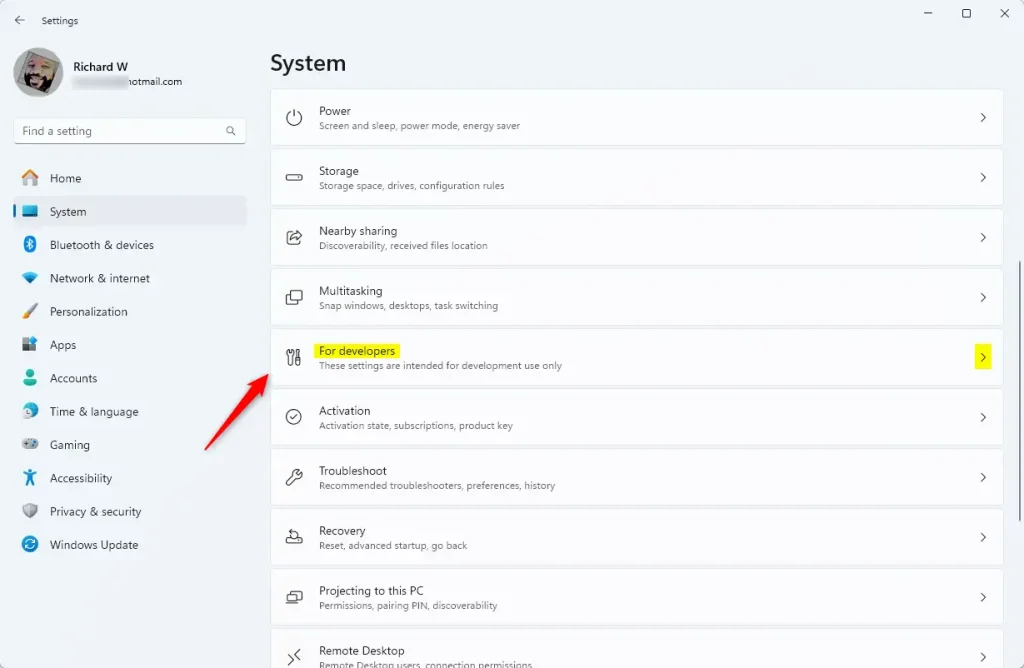
For developers in the Settings app - Make sure Developer Mode is set to On. If you switch it on now, Windows may ask you to confirm first. The Device Portal options only show once Developer Mode is on. [Admin privileges required]
- Turn on Device Portal. The portal settings now appear below it.
- Set Restrict to loopback connections only to On. From now on, only your own PC can reach the portal.
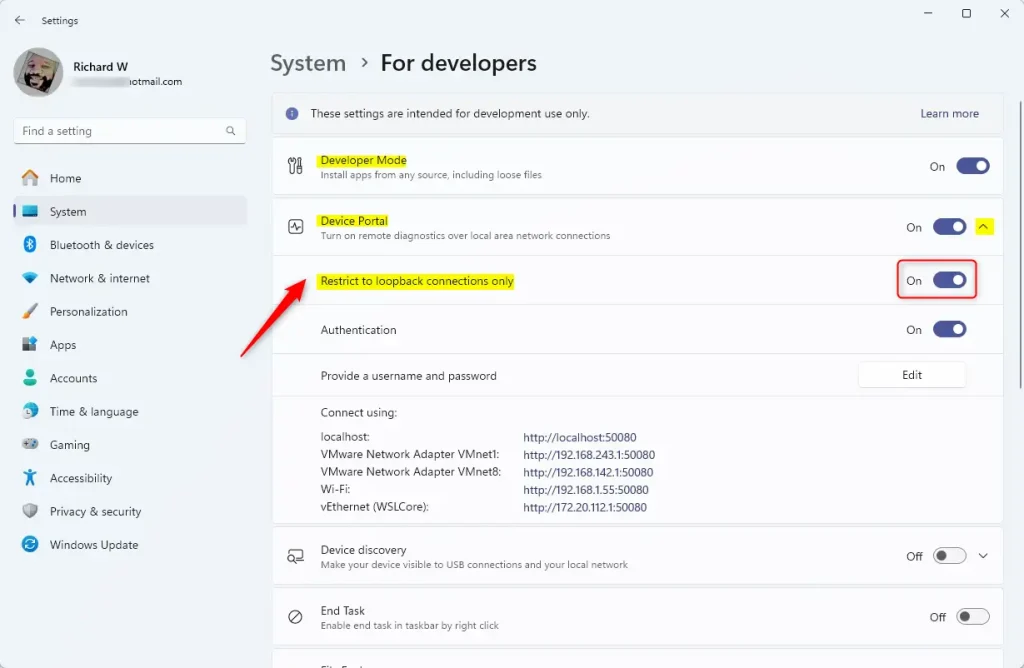
Windows Device Portal loopback address only
To undo this, return to the same page and switch Restrict to loopback connections only back to Off. If you no longer need the portal, switch Device Portal to Off as well.
Enterprise Management via Microsoft Intune
Businesses use the Microsoft Intune Admin Center to manage many devices. Admins can create configuration profiles to disable the portal entirely. This prevents users from turning it on by mistake. You can use MDM enrollment restrictions to enforce these rules across your whole company.
Managed settings usually override what a user sets locally. If an option is greyed out on a work PC, your organization has probably locked it. In that case, ask your IT team rather than trying to work around it.
Best Practices for Securing Windows Endpoints
- Always keep Developer Mode off unless you are actively coding. The portal options depend on it, so turning it off removes that exposure.
- Use strong authentication for any remote management tools. Choose a long, unique password and do not reuse one from another account.
- Regularly check your firewall settings for open ports. A port you do not recognize is worth investigating.
- Apply security policies through Intune for all company devices, so every PC follows the same rules.
- Monitor logs for unauthorized access attempts to the Device Portal. Repeated failed sign-ins are an early warning sign.
Summary
It is important to restrict Device Portal access to keep your computer safe from threats. On a home PC, turning on the loopback restriction, or turning the portal off, takes only a few clicks. On a work network, let your management tools enforce the rule so nobody has to remember it.
Was this guide helpful?

About the Author
Richard
Tech Writer, IT Professional
Richard is a writer at Geek Rewind who turns complex IT tasks into clear, step-by-step guides. He draws on years of hands-on experience in system administration and enterprise IT operations, focusing on Windows, Linux and WordPress: the problems people actually run into, and the fixes that work. His server and WordPress guides come from systems he runs himself. Richard builds and maintains the platform behind Geek Rewind, from its Ubuntu servers and Nginx configuration to its custom WordPress plugins. Many new tutorials start with readers' questions, and he's always glad to answer them in the comments.



No comments yet — be the first to share your thoughts!