Why Is My Laptop Fan Always On In Windows 11

A Windows 11 laptop fan running constantly usually means your computer is working too hard to cool down an overheating processor, or a background app is stuck in an endless loop. Laptop fans spin up to push hot air out through internal vents whenever internal temperatures rise above 50°C (122°F), but they should slow down and turn off once things cool back down.
Hidden background tasks, strict power plans, or clogged dust vents usually cause your laptop fan to stay loud even when you just stare at the desktop doing nothing. Tracking down the exact app or setting causing the trouble helps you bring peace and quiet back to your workspace in just a few minutes.
Your laptop fan is always on in Windows 11 because hidden background programs are overworking your processor, your power mode is set too high, or dust is blocking your vents. To fix it, open Task Manager using Ctrl+Shift+Esc to close power-hungry apps, or switch your power mode to Balanced in Settings.
Understanding Why Laptop Fans Run Constantly
Laptop fans run constantly in Windows 11 when built-in sensors detect that internal parts like the processor or graphics card are getting too warm. This heating up happens for a few common reasons, including heavy background apps, stuck updates, blocked physical vents, or aggressive power settings that push your hardware to work harder than necessary.
In Windows 11, a few common culprits usually trigger this behavior:
- Background Apps: Programs you cannot see are running hidden tasks, keeping your processor busy and hot.
- Power Plans: Your laptop might be set to maximum performance, which keeps your processor running at top speed even when you do not need it.
- Windows Updates: Fresh updates often trigger background indexing and file checks that temporarily push your hardware to the limit.
- Dust and Blocked Vents: Dust clogs your laptop vents, trapping heat inside and forcing the fan to work overtime.
- Outdated Drivers: Old software can cause poor communication between your operating system and your hardware’s power management system.
You can check your Windows 11 laptop for hidden background apps and dusty vents to fix annoying fan noise and cool your computer down. Background apps often force your processor to work hard and generate extra heat, while blocked vents trap that heat inside the laptop. Checking these two common problem areas helps you protect your hardware from damage and keeps your laptop running quietly during your daily tasks.
Step 1Check What Is Making Your Processor Work So Hard
Task Manager helps you find out what program or service is causing your processor to work hard and making your fan spin fast. You can open this built-in Windows tool instantly by pressing the Ctrl+Shift+Esc keys on your keyboard at the same time to review active background processes.
- Press the Ctrl + Shift + Esc keys on your keyboard at the same time to open Task Manager.
- If Task Manager opens in a small view, click the More details button at the bottom.
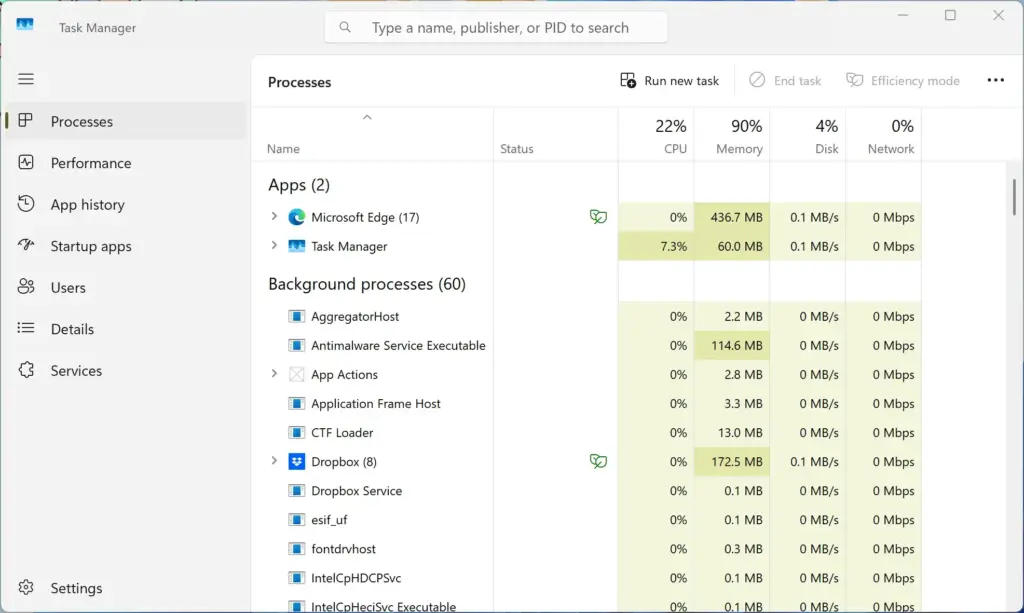
Task Manager - Look at the top of the window and click the CPU column header. This sorts open apps by processor usage, putting the heaviest workloads at the top.
- Look at the top items on the list. If you see a program using a very high percentage of your processor, note its name.
- If you see an app you do not recognize or do not need, you can click on it and select End task in the top right corner. This stops the app immediately and often lets your laptop fan quiet down.
Step 2Adjust Your Power Mode for a Quieter Fan
Power mode settings in Windows 11 let you control how your computer balances speed, battery life, and cooling. Changing your power mode from high performance to a balanced or best power efficiency setting stops your processor from running at full speed all the time, which keeps your fan quiet.
- Click the Start button and open the Settings app.
- Click on System in the left menu, then click on Power & battery on the right.
- Look for the section called Power mode.
- Click the drop-down menu next to Power mode and change it from Best performance to Balanced or Best power efficiency.
You can also check your laptop manufacturer's custom software, such as apps designed for your specific computer brand. These apps often have their own cooling or performance profiles that override Windows settings.
Step 3Check for Stuck Windows Updates
Stuck Windows updates often make your laptop fan run constantly because the operating system spends hours in the background setting up new files and indexing your hard drive. Checking your update status in the Settings app lets you see if a pending installation is causing the background activity and fan noise.
- Open the Settings app from your Start menu.
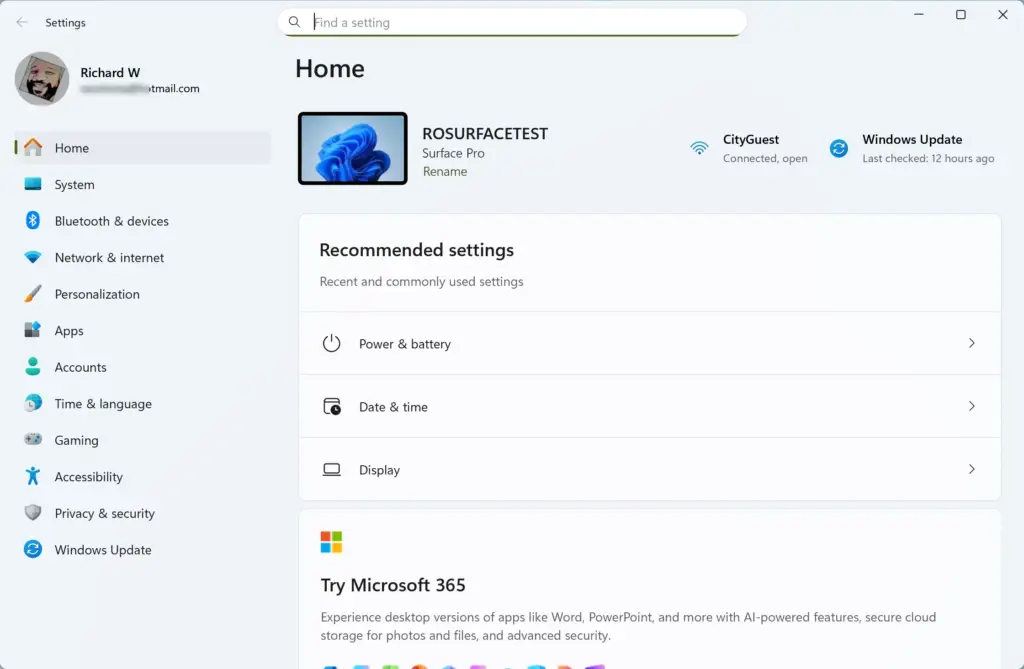
Settings - Click on Windows Update in the left menu.
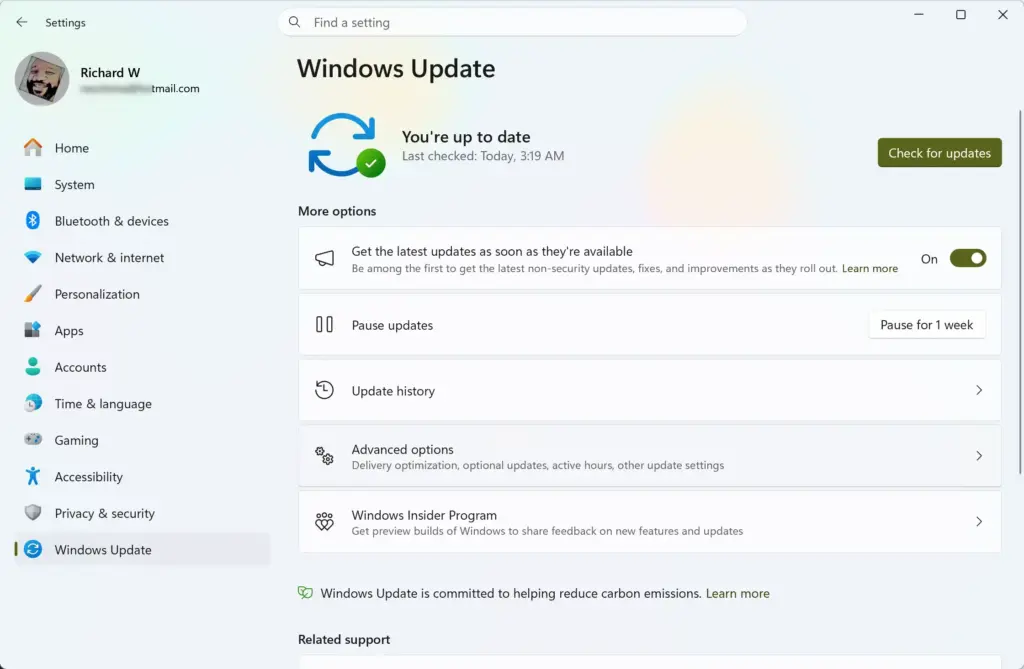
Settings › Windows Update - Check if an update is currently downloading or waiting to restart. If it says an update is installing, give your laptop some time to finish. Plug your laptop into a wall charger, leave it turned on, and let it complete the process.
- If an update is stuck or failing, click Check for updates to see if a newer fix is available.
Once your computer finishes setting up all background update files, the processor workload drops, and your fan will finally slow down.
Step 4Clean Out Dust and Improve Airflow
Physical dust buildup and blocked airflow cause laptop fans to run at maximum speed when trapped heat cannot escape through the vents. Over time, dust, pet hair, and lint create a thick blanket over internal cooling fins, forcing your fan to work overtime to prevent your computer from overheating.
When the heat cannot escape, the internal sensors tell the fan to spin at maximum speed to prevent your computer from melting down.
- Turn off your laptop completely and unplug the power cable.
- Look at the vents on the bottom and sides of your laptop. If you see dust bunnies or fuzz blocking the openings, use a can of compressed air to blow them out in short bursts.
- Never use a vacuum cleaner directly on delicate laptop vents, as it can spin the fan too fast and ruin the bearings.
- Always use your laptop on a hard, flat surface like a desk or table. Avoid using your laptop on a bed, couch, or your lap, as soft fabrics block the bottom air intakes and trap heat inside.
Step 5Control Startup Apps to Keep Boot Times Cool
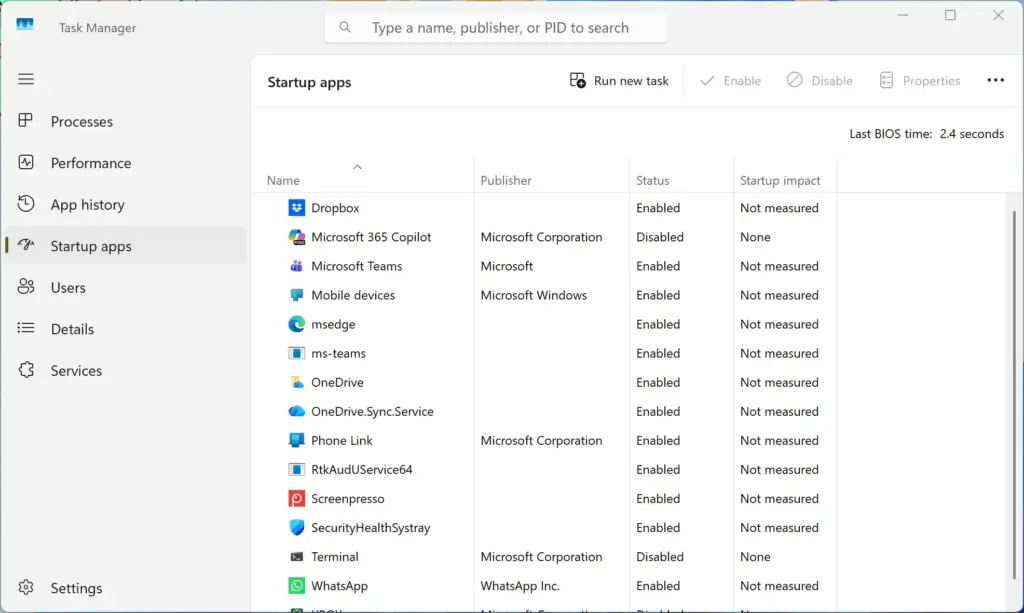
Startup apps that launch automatically in the background the moment Windows turns on often cause your laptop fan to roar to life and never calm down. Controlling these startup programs through Task Manager stops unnecessary background activity and keeps your computer cool right from the start.
- Open Task Manager by pressing Ctrl + Shift + Esc.
- Click on the icon that looks like a speedometer on the left menu, which is the Startup apps page.
- Review the list of apps that open automatically when you turn on your computer.
- Look for programs you do not need right away, like chat apps, game launchers, or music helpers.
- Right-click any unnecessary app and select Disable.
Disabling these apps prevents them from consuming your processor power the second you log into Windows 11, helping your laptop stay cool and quiet.
Advanced Tip: Update Your BIOS and Chipset Drivers
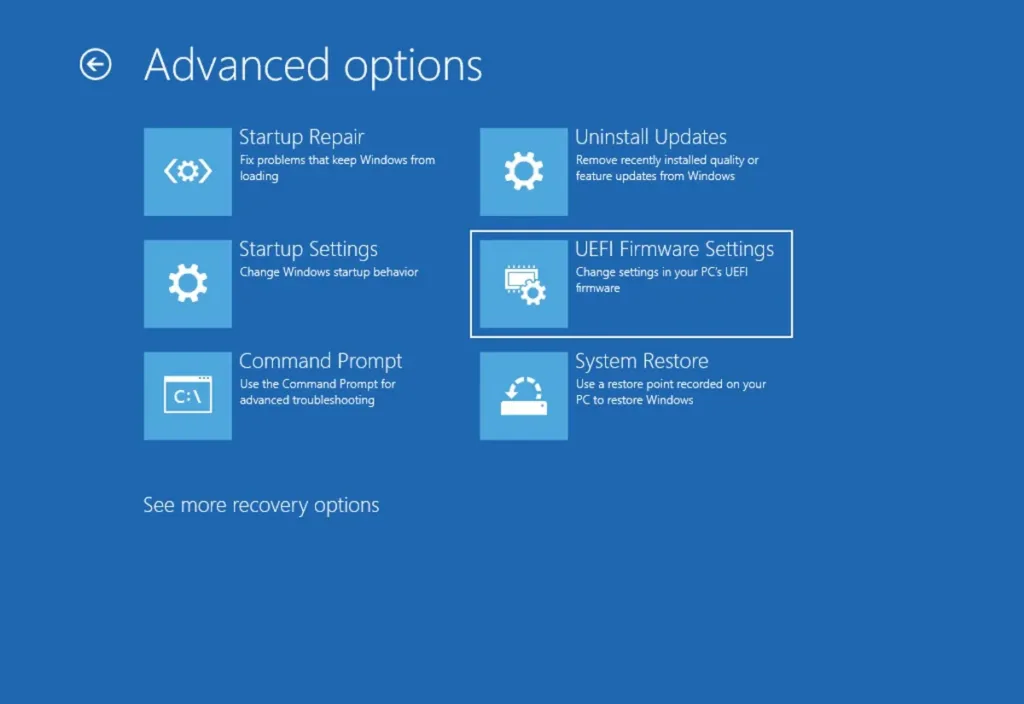
BIOS updates and chipset drivers fix constant laptop fan noise caused by software bugs in the hardware fan curves. Laptop manufacturers release these system software updates specifically to correct temperature reading errors and improve how your computer manages cooling hardware.
Sometimes your laptop fan runs constantly because the software that controls your hardware fan curves has a bug. Laptop makers release updates called BIOS updates and chipset drivers to fix these exact problems.
- Visit the official support website for your laptop brand.
- Enter your exact laptop model number or serial number.
- Look for the Drivers & Downloads section and check for any recent Chipset or BIOS updates.
- Download and run the official installer provided by your manufacturer. Follow all on-screen instructions carefully. Do not turn off your laptop while a BIOS update is running.
These manufacturer updates fine-tune how your computer handles temperature changes, often resulting in a much quieter fan.
Unique Angle: Checking for Hidden Malware and Cryptominers
Hidden malware and background cryptominers cause your processor to run hot and push your fan to maximum capacity by using your hardware resources to mine digital currency. These malicious programs drive your computer chip to 100 percent capacity because they want to process work as fast as possible for hackers.
If your Task Manager shows a high processor usage from a weirdly named file you do not recognize, and closing it does not work, run a deep security scan.
- Open the Windows Security app from your Start menu.
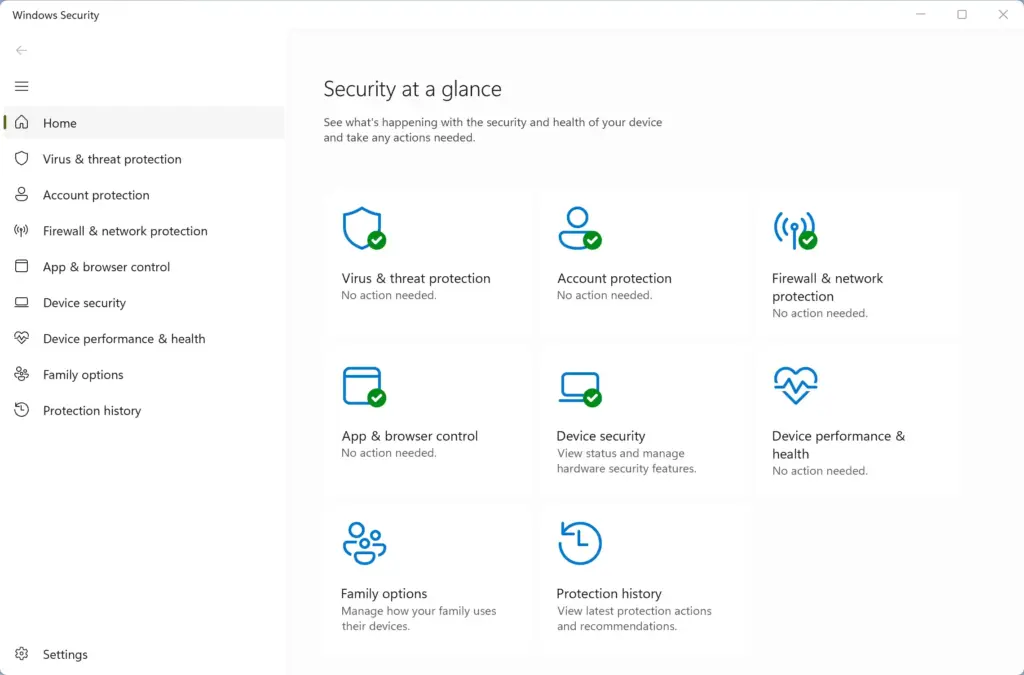
Windows Security - Click on Virus & threat protection.
- Click on Scan options.
- Select Microsoft Defender Offline scan and click Scan now.
Your computer will restart into a special offline mode to hunt down and remove hidden malicious software that normal quick scans might miss. Cleaning out hidden malware often brings immediate relief to a screaming laptop fan.
Unique Angle: The Impact of Ambient Room Temperature and Thermal Paste
Aged thermal paste and warm room temperatures cause constant laptop fan noise by stopping heat from transferring away from your processor efficiently. Over several years, the conductive gray paste bridging your processor and metal heat sink dries out and cracks, losing its ability to cool your hardware properly.
Furthermore, if you work in a very warm room or outdoors in direct sunlight, your laptop cannot get rid of heat efficiently. Even a small bump in room temperature forces your fan to spin much faster just to achieve the same cooling effect.
- Move your work area to an air-conditioned or cooler room during hot summer days.
- Consider buying a laptop cooling pad with built-in auxiliary fans to push extra airflow against the bottom intake vents.
- If your laptop is more than three to four years old and you feel comfortable doing so, take it to a repair shop to have the old thermal paste replaced with fresh compound.
Summary
Fixing a Windows 11 laptop fan that runs constantly involves addressing heavy background programs, adjusting aggressive power settings, cleaning dust out of your vents, and letting system updates finish. Most fan noise issues come down to high processor workload, blocked airflow, or outdated system software that you can easily resolve.
Was this guide helpful?

About the Author
Richard
Tech Writer, IT Professional
Richard, a writer for Geek Rewind, is a tech enthusiast who loves breaking down complex IT topics into simple, easy-to-understand ideas. With years of hands-on experience in system administration and enterprise IT operations, he’s developed a knack for offering practical tips and solutions. Richard aims to make technology more accessible and actionable. He's deeply committed to the Geek Rewind community, always ready to answer questions and engage in discussions.
No comments yet — be the first to share your thoughts!