How to Show Hidden Files, Folders, and Drives in Windows 11

Windows 11 hides some files, folders, and drives by default, such as parts of 📁C:\
Hidden items appear with faded (dimmed) icons, so you can tell them apart from your normal files. All the methods below work on both Windows 11 Home and Pro. They all change the same underlying setting, so a change made one way shows up in the others. Pick whichever you find easiest.
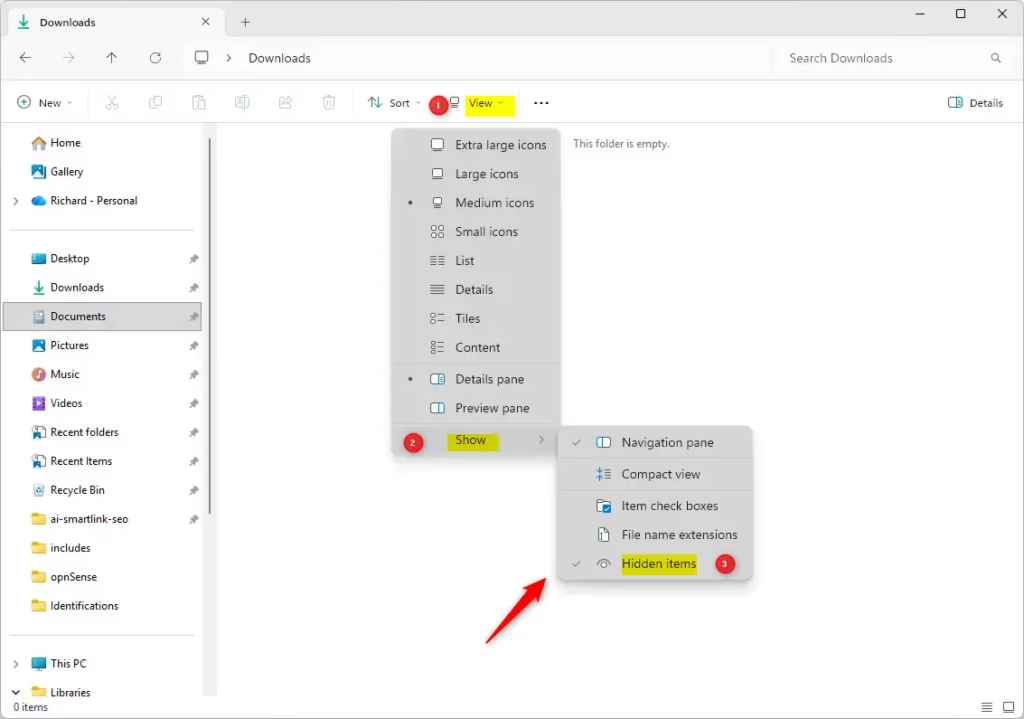
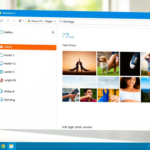
Open File Explorer , click the View menu, hover over Show, and click Hidden items. Alternatively, open Folder Options, go to the View tab, and select Show hidden files, folders, and drives.
Option 1Show Hidden Files Using File Explorer
This is the fastest method and the one most people need. It shows hidden files and folders, but not protected operating system files (those are covered further down).
- Open File Explorer . Press
Windows + Eto open it quickly. A File Explorer window should open. - Click the View menu in the toolbar at the top. A drop-down list of view options should appear.
- Hover over or click Show. A submenu with more options should open.
- Click Hidden items so a check mark appears next to it. Hidden files and folders now show up with dimmed icons. Click it again to remove the check mark and hide them.
The change applies right away, with no restart needed. If you don’t see anything new, you may be in a folder with no hidden items. Try your user folder or the root of the C: drive.
Option 2Show Hidden Files Using Folder Options
This is the classic dialog that has been in Windows for years. It is useful when you want to see the full list of view settings, or when the View menu in File Explorer isn’t handy.
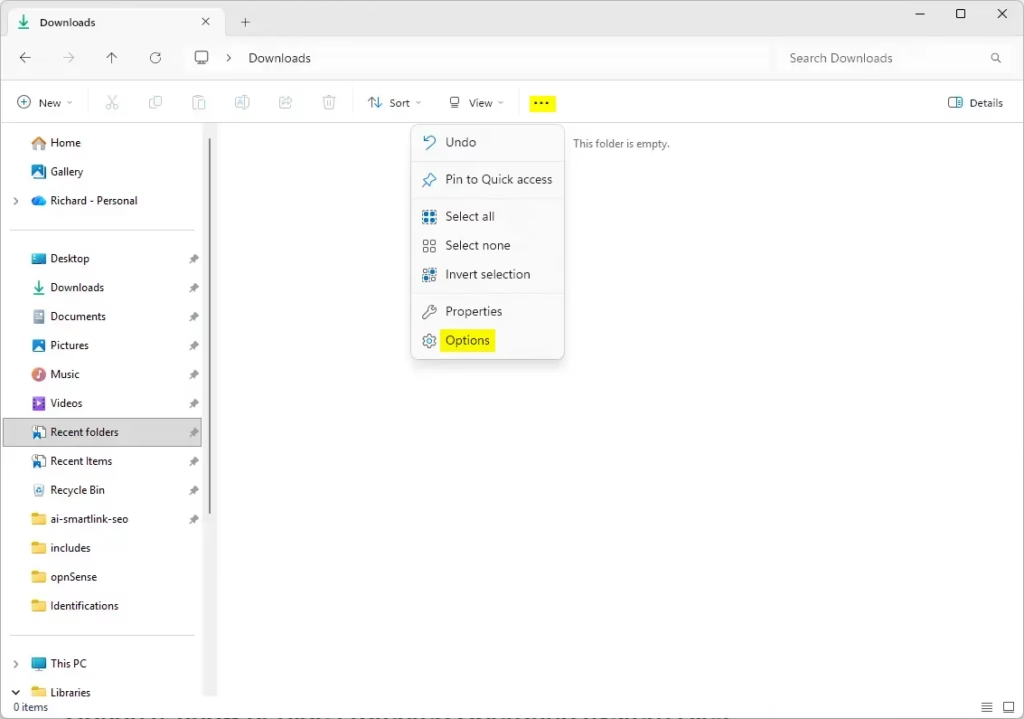
- Open Folder Options:
- Press
Windows + S, type Folder Options or File Explorer Options, and select it. A window titled Folder Options (or File Explorer Options) should open. Windows 11 uses both names for the same dialog.
- Press
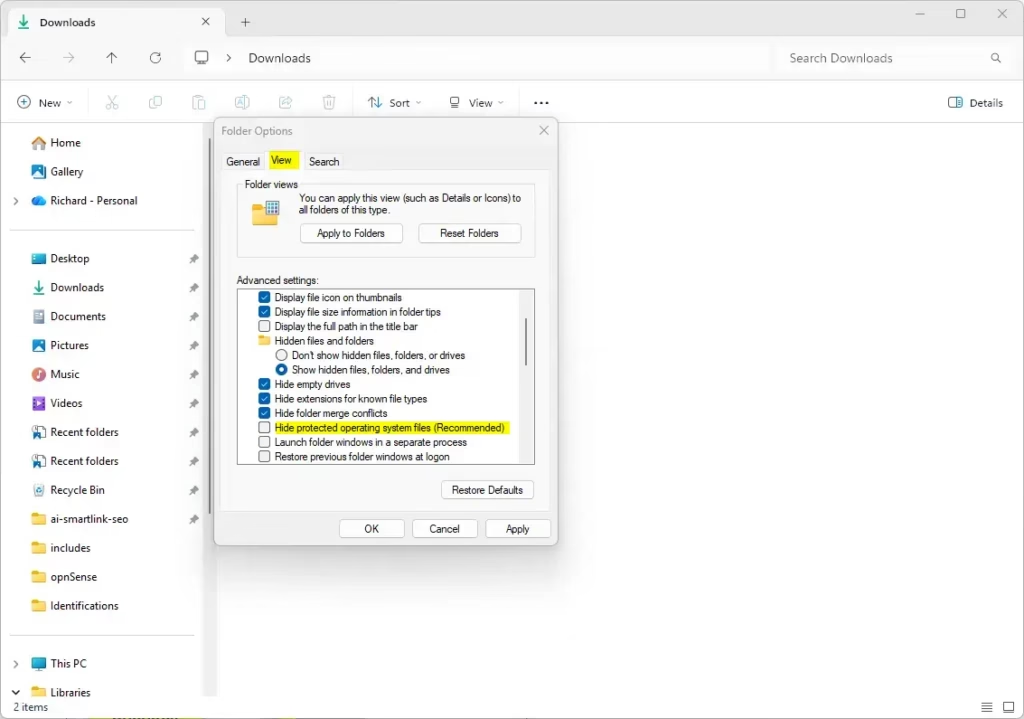
- Click the View tab. You should see a list of advanced settings.
- Under "Hidden files and folders," choose Show hidden files, folders, and drives to see hidden items. Choose Don't show to hide them again.
- Click OK to save your changes. Hidden items should now appear in File Explorer, or disappear if you chose to hide them.
Option 3Show or Hide Protected Operating System Files
Protected operating system files stay hidden even after you turn on hidden items. Windows hides them to stop you from deleting or changing them by accident. If you need to fix a system problem, you can turn this protection off in Folder Options.
- Open Folder Options and go to the View tab, using the steps from the previous option.
- Find Hide protected operating system files (Recommended) in the list and uncheck it. A warning dialog should appear.
- Read the warning, then click Yes to continue.
- Click OK to apply the changes. Protected system files now appear in File Explorer with dimmed icons.
To undo this, go back to the same place, check Hide protected operating system files (Recommended) again, and click OK. I suggest turning it back on once you finish your repair.
Be careful: These files are essential for Windows to function correctly. Avoid changing or deleting them unless you have a clear understanding of their purpose.
Option 4Use a Registry File to Show or Hide Hidden Files
Registry Editor is a database that stores Windows settings. This method changes the hidden files setting in it by running a short command in Command Prompt. It is handy if you want to script the change or apply it without clicking through File Explorer menus.
Run the command below to show hidden files.
reg add "HKCU\Software\Microsoft\Windows\CurrentVersion\Explorer\Advanced" /v Hidden /t REG_DWORD /d 1 /f
Run the command below to hide hidden files again.
reg add "HKCU\Software\Microsoft\Windows\CurrentVersion\Explorer\Advanced" /v Hidden /t REG_DWORD /d 0 /f
If File Explorer doesn't reflect the change straight away, press F5 in the window or close and reopen it. If that doesn't help, sign out of Windows and sign back in.
Option 5Use a Registry File to Show or Hide Protected Operating System Files
This is an advanced method. It updates the registry directly so that Windows shows protected operating system files along with hidden files. Only use it if you are comfortable with the risks described above.
Run the commands below to show protected system files.
reg add "HKCU\Software\Microsoft\Windows\CurrentVersion\Explorer\Advanced" /v Hidden /t REG_DWORD /d 1 /f

reg add "HKCU\Software\Microsoft\Windows\CurrentVersion\Explorer\Advanced" /v ShowSuperHidden /t REG_DWORD /d 1 /f
Run the commands below to hide the protected system files again.
reg add "HKCU\Software\Microsoft\Windows\CurrentVersion\Explorer\Advanced" /v ShowSuperHidden /t REG_DWORD /d 0 /f
Apply these changes by following the same steps as in Option 4.
Option 6Turn On or Off Hidden and System Files in Windows Settings
- Open Settings by pressing
Windows + I. The Settings app should open. - Click System on the left side.
- On the right, click Advanced. You can also open it quickly by clicking this link. On older Windows 11 versions (such as 23H2), this page may be named For developers instead.
- Click File Explorer to expand its options.
- Turn the toggle for Show hidden and system files On or Off, depending on what you want. The change takes effect right away.
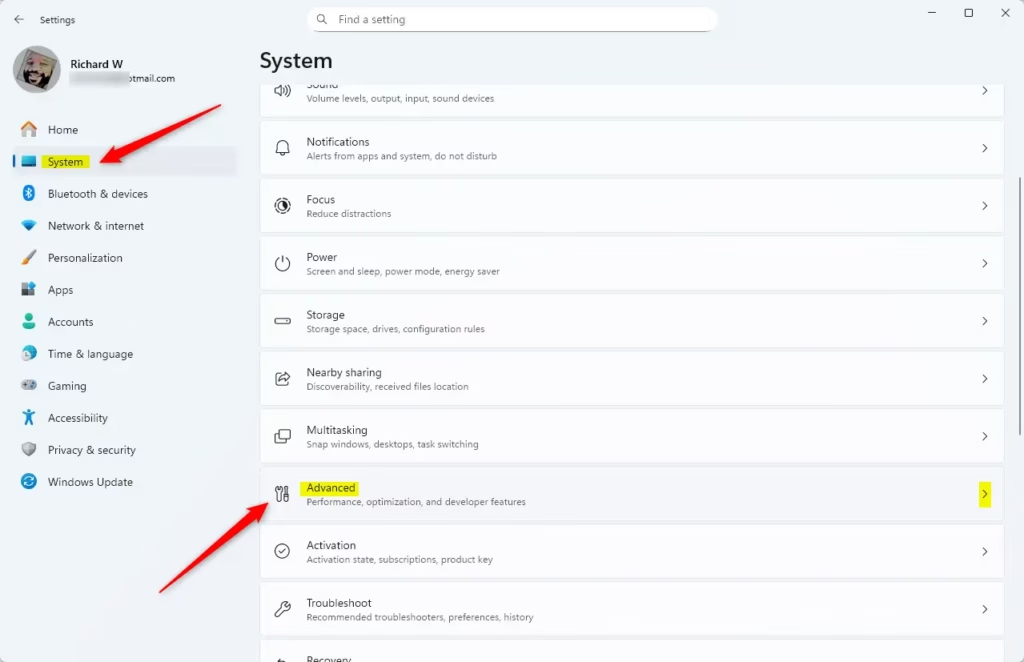
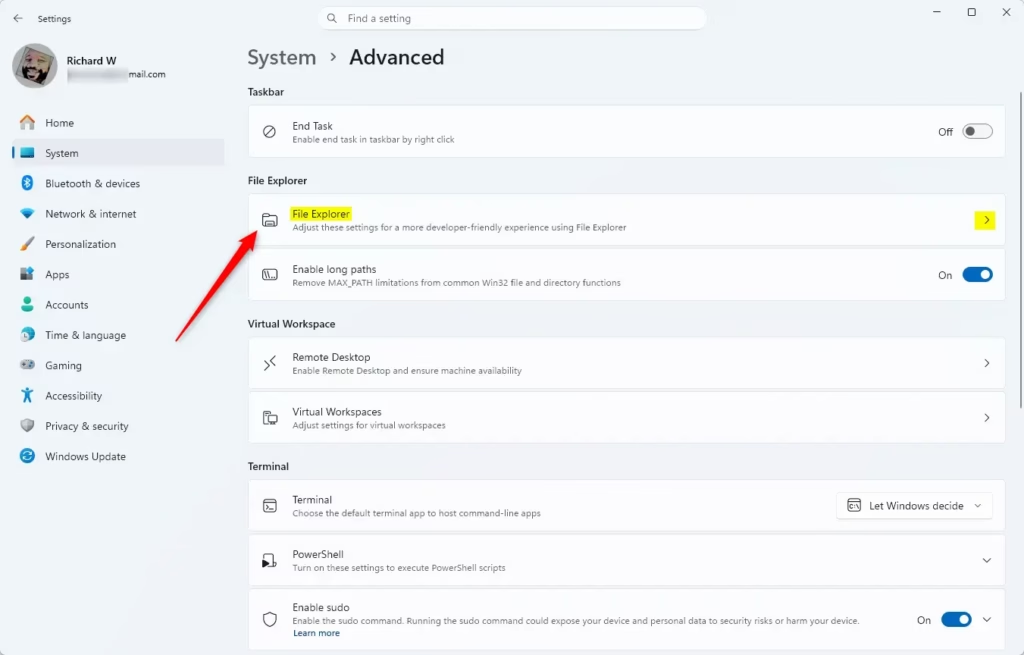
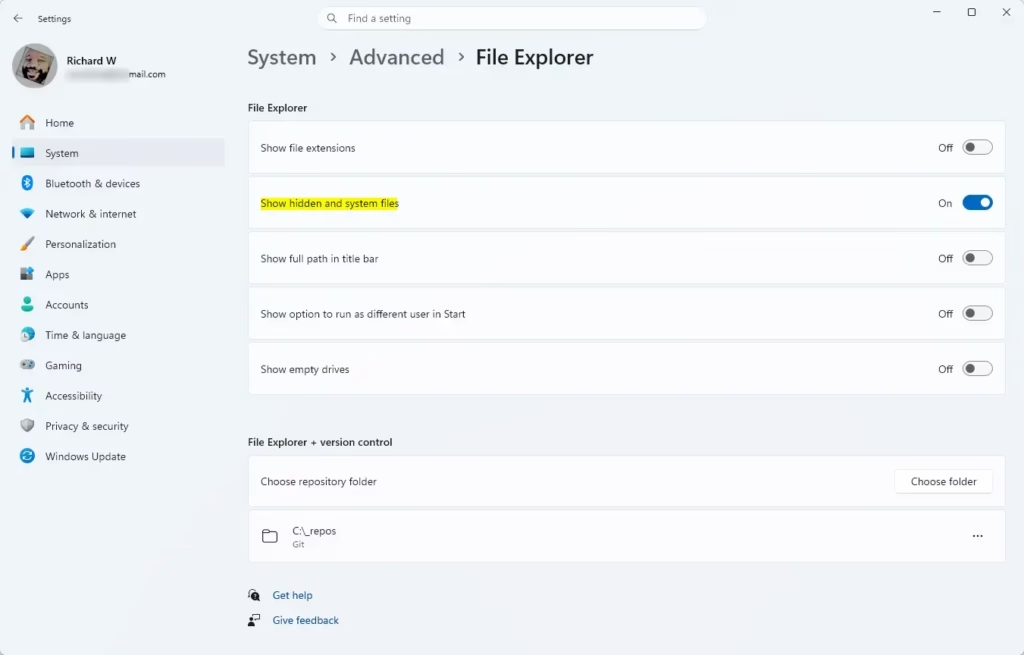
The Settings app has a single switch that shows hidden files without opening File Explorer or the advanced folder options. Turn it on or off in a few clicks to reveal or hide hidden items on your PC. If you can't find the Advanced page, check that Windows is up to date, or look under For developers as noted above.
Summary
You can make hidden files visible in Windows 11 in several ways: File Explorer, Folder Options, Registry Editor, or the Settings app. For most people the View menu in File Explorer is the quickest. Whichever you choose, be careful with system files.
- You can show or hide files that Windows normally hides, and you can reverse the change at any time.
- There are several ways to do it: File Explorer, Folder Options, Registry commands, or Settings.
- Hidden files look dimmed so you know they are normally hidden.
- Hidden items and protected operating system files are separate settings. Turning on one does not turn on the other.
- Be extra careful with protected system files, because Windows relies on them to run.
- Choose the method that feels easiest and safest for you.
For more information, consult the official Microsoft guide here: View Hidden Files and Folders in Windows.
Was this guide helpful?

About the Author
Richard
Tech Writer, IT Professional
Richard is a writer at Geek Rewind who turns complex IT tasks into clear, step-by-step guides. He draws on years of hands-on experience in system administration and enterprise IT operations, focusing on Windows, Linux and WordPress: the problems people actually run into, and the fixes that work. His server and WordPress guides come from systems he runs himself. Richard builds and maintains the platform behind Geek Rewind, from its Ubuntu servers and Nginx configuration to its custom WordPress plugins. Many new tutorials start with readers' questions, and he's always glad to answer them in the comments.


No comments yet — be the first to share your thoughts!