How to Enable or Disable Closing Warnings in Windows Terminal
Showing or hiding empty drives in Windows 11 controls whether empty storage slots, like a card reader with no card or a disc drive with no disc, appear in File Explorer 📁. Removable drives such as a USB stick vanish from the list when you unplug them, but card readers and optical drives keep their entries. This tweak cleans up your drive list so you only see the drives you use.
Advertisement
Windows 11 hides empty drives by default. You can switch that on or off in a few seconds from Settings or File Explorer 📁 Options. The registry and PowerShell are there for cases where those fail. Changing this setting does not delete anything or disable any hardware. It only changes what File Explorer 📁 lists, so you can undo it at any time.
⚡ Quick Answer
Open Settings›System›For developers, then toggle Show empty drives On or Off. In File Explorer 📁, the change appears immediately. Alternatively, press Win+E, click See more›Options, select the View tab, and tick or untick Hide empty drives.
Advertisement
What Are Empty Drives?
An empty drive is a drive letter that Windows has assigned to a device with nothing in it. Typical examples are a multi-slot card reader with no card inserted or a DVD drive with no disc. The device is present and ready, but there is no media to read, so there are no files to show.
Why Manage Drive Visibility?
Manage drive visibility to keep File Explorer 📁 tidy. A row of empty card reader slots pushes your real drives down the list and makes them harder to find. On the other hand, if you want to see that a reader or disc drive is connected, showing empty drives lets you confirm it. Which you prefer is up to you, and neither choice affects your data.
Best Method for Your Needs
Method
Best For
Difficulty
Settings App ⚙️
Quick toggling
Easy
File Explorer 📁 Options
Standard users
Easy
Registry Editor
Advanced power users
Hard
PowerShell
Automation
Advanced
Method 1Using the Settings App
📝Good to KnowThis is the quickest method.
It works in the Settings ⚙️ app on current builds of Windows 11, Home and Pro. If you don’t see For developers, your build may be older. Use the File Explorer 📁 Options method below instead.
Press Win+I to open Settings ⚙️.
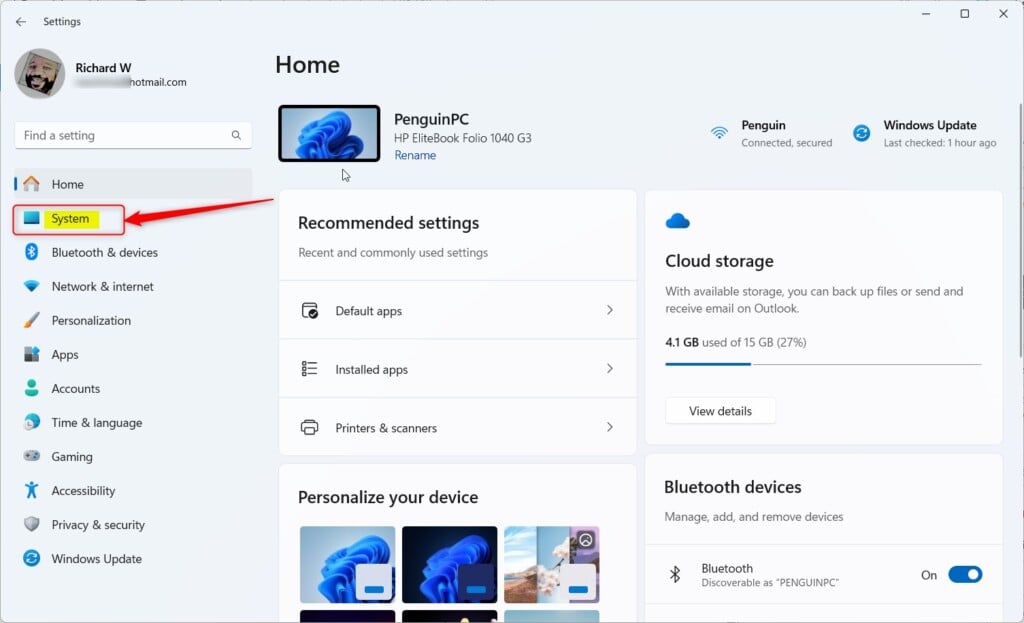
Click System on the left. Windows 11 Settings app System button location The System page opens on the right with a list of options.
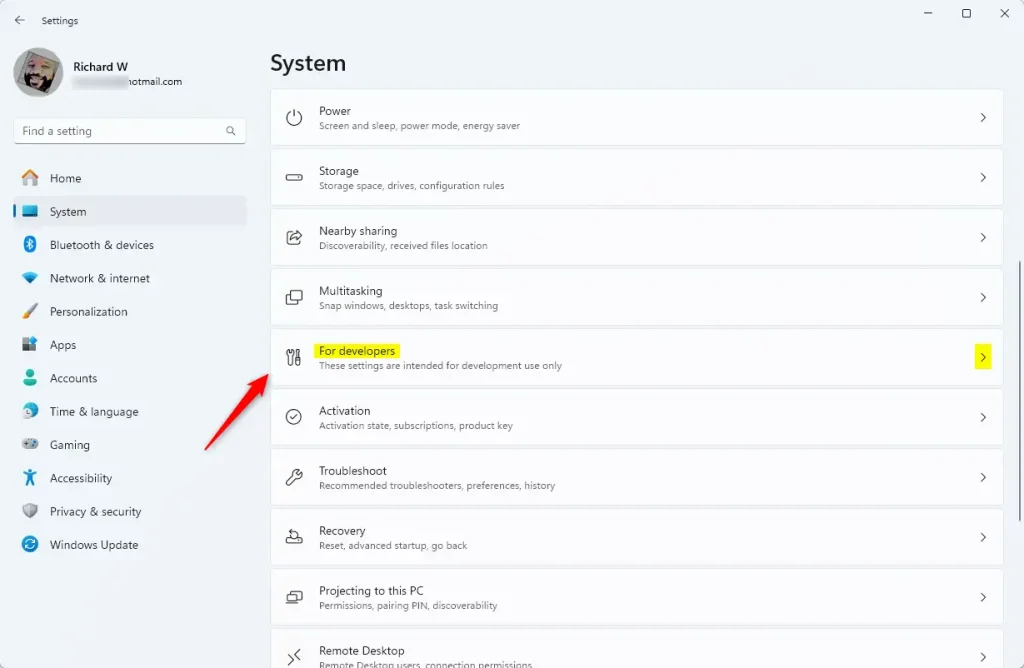
Scroll down and select For developers. Windows 11 For developers tile You should see a list of developer-related settings.
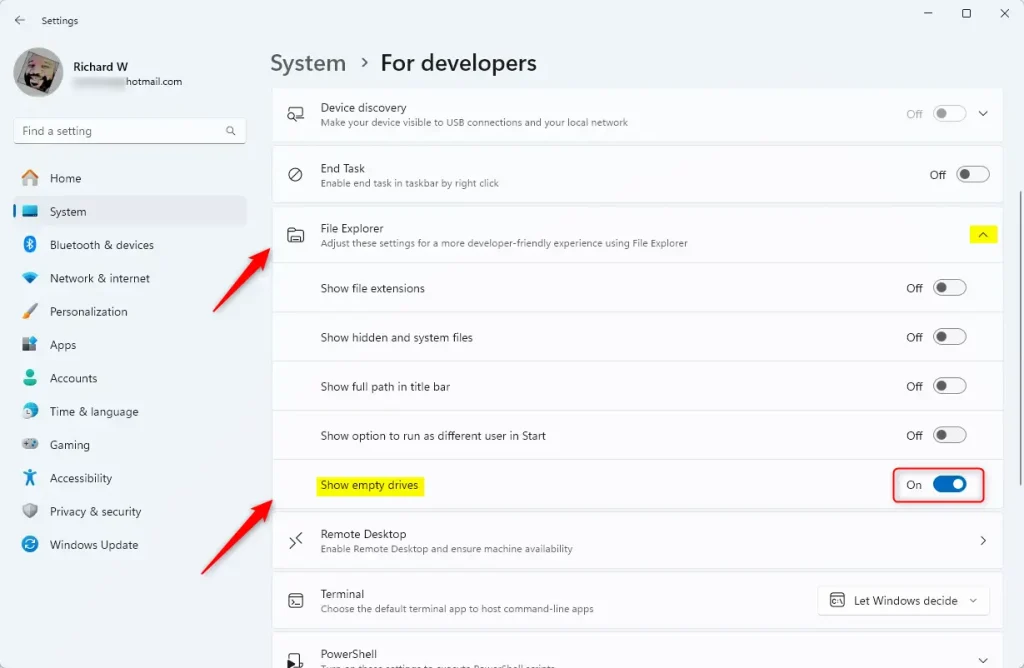
Expand the File Explorer 📁 section. Admin privileges may be required on some PCs, so approve the prompt if one appears.
Switch the Show empty drives toggle to On to show empty drives, or Off to hide them. show empty drives tile The change applies right away. If an already open File Explorer 📁 window still shows the old list, close it and reopen it, or press F5.
To undo the change, flip the same toggle back. If the toggle is greyed out, the PC is probably managed by an organization that controls this setting. In that case, ask your administrator.
Advertisement
Method 2Using File Explorer Options
You can show or hide empty drives in Windows 11 from the File Explorer Options window by changing a single view setting. This built-in panel controls whether card readers, empty disc drives, and unassigned memory card slots show up in File Explorer. It needs no advanced system settings and no registry editing. It works on both Home and Pro.
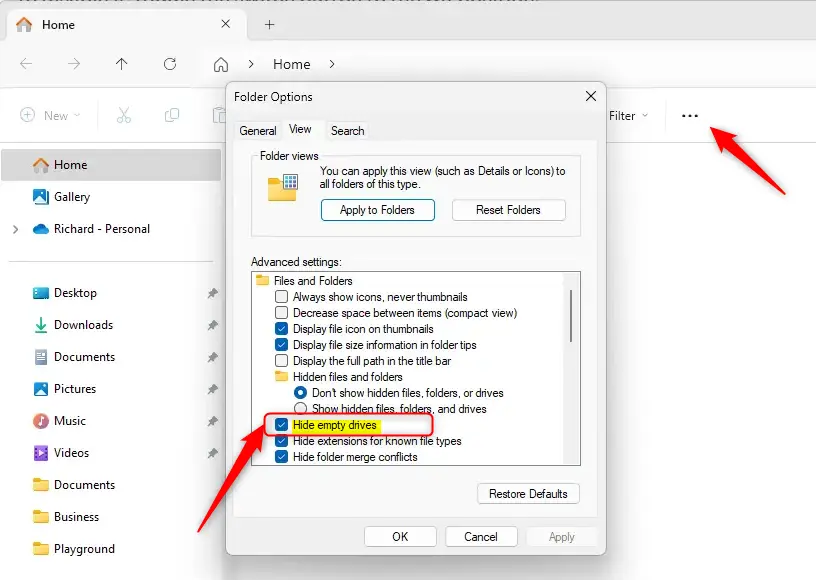
File Explorer hide empty drives
Press Windows key + E to open File Explorer.
Click the See more button (the three dots) in the toolbar, then click Options. The Folder Options window opens. Its title may read File Explorer Options.
Click the View tab.
In the Advanced settings list, find Hide empty drives. Untick it to show empty drives. Tick it to hide them.
Click Apply, then OK. Empty drives should now appear or disappear in This PC. If they don't, press F5 in File Explorer to refresh.
Note that the wording is inverted. A ticked box means empty drives are hidden, which is the Windows default. To undo your change, reopen the window and set the box back. The Restore Defaults button on the same tab also resets it, but it resets your other view settings too.
Method 3Advanced Registry Configuration
⚠️WarningYou can show or hide empty drives by editing a value in the Registry Editor.
This method sets the HideDrivesWithNoMedia DWORD directly in your user profile. It is useful when the folder view options fail to apply, for example when the checkbox keeps reverting. Editing the registry can cause problems if you change the wrong value, so back up the key first (File›Export in Registry Editor) if you're unsure.
Press Windows key + R, type regedit, and press Enter. Click Yes if User Account Control asks for permission. Registry Editor opens.
In the left pane, navigate to: HKEY_CURRENT_USER\Software\Microsoft\Windows\CurrentVersion\Explorer\Advanced
In the right pane, find the DWORD named HideDrivesWithNoMedia. If it isn't there, right-click an empty area, choose New›DWORD (32-bit) Value, and give it that exact name.
Double-click the value and set Value data to 1 to hide empty drives or 0 to show them. Click OK.
Close Registry Editor. Then sign out and back in, or restart File Explorer from Task Manager, so the change takes effect.
To undo the change, set the value back to its previous number, or delete the value to return to the default, which hides empty drives.
Advertisement
Method 4Using PowerShell
Admin privileges are required for this method on some systems. You can automate the same setting with PowerShell, which helps when you need to apply it on several PCs or from a script. Open PowerShell or Windows Terminal, and run it as administrator if you get an access denied error. Run the commands in the block below. Afterward, sign out and back in, or restart File Explorer, so the change shows up.
If your drives still appear after you change the setting, check a few things:
Open Disk Management and look at the drive. Sometimes a drive isn't empty but simply lacks a file system, such as a new or unformatted disk. Windows shows it whether or not you hide empty drives.
If a card reader won't go away or behaves oddly, update your card reader drivers in Device Manager.
Refresh File Explorer with F5, or close and reopen it, before you decide a change didn't work.
Summary
Keeping your Windows 11 File Explorer tidy comes down to managing empty drives. Use the Settings toggle for the quickest change, File Explorer Options if you prefer the classic panel, and the registry or PowerShell when you need something more direct. Every method can be reversed.
Was this guide helpful?
📬 Get new Windows tips in your inbox
One email when we publish something worth your time. No spam, unsubscribe anytime.
Richard is a writer at Geek Rewind who turns complex IT tasks into clear, step-by-step guides. He draws on years of hands-on experience in system administration and enterprise IT operations, focusing on Windows, Linux and WordPress: the problems people actually run into, and the fixes that work.
His server and WordPress guides come from systems he runs himself. Richard builds and maintains the platform behind Geek Rewind, from its Ubuntu servers and Nginx configuration to its custom WordPress plugins.
Many new tutorials start with readers' questions, and he's always glad to answer them in the comments.
One email when we publish a guide worth your time — new Windows features, the fixes that actually
work, and a heads-up when Microsoft breaks something. Unsubscribe in one click.
📬 Get new Windows tips in your inbox
One email when we publish something worth your time. No spam, unsubscribe anytime.





No comments yet — be the first to share your thoughts!