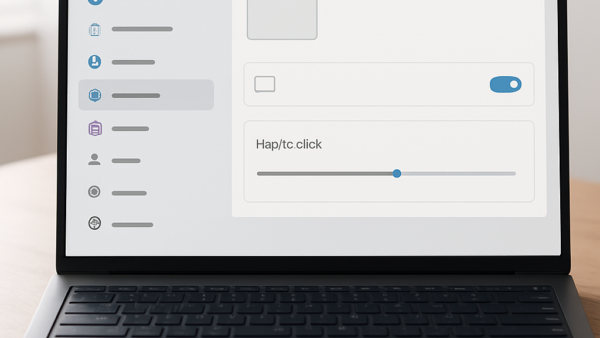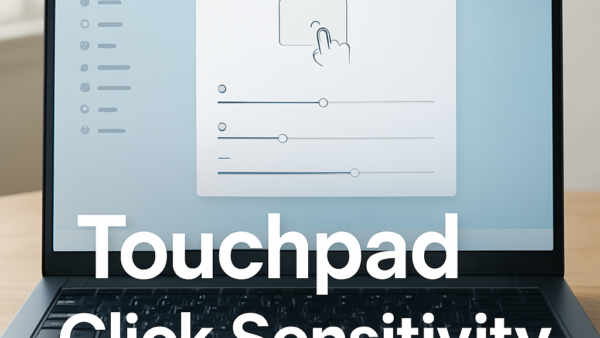
This guide explains how to enable or disable the touch indicator on touch screen devices like tablets or laptops. Users can adjust settings via Windows Settings, Control Panel, or the Registry Editor. The indicator can also be customized to appear bigger and darker for better visibility, improving user experience on Windows 11.
Richard
The Windows 11 Settings Search Helper, available in version 24H2 on select PCs, utilizes AI to simplify finding and changing settings. Users can query in plain language for assistance. The feature can be activated or deactivated through the Local Group Policy Editor or Windows Registry, enhancing user experience and problem-solving efficiency.
Windows 11 devices that can switch between tablet and laptop modes feature automatic screen rotation. Users can enable or disable this with Rotation Lock using a keyboard shortcut, Quick Settings, or the Settings app. Advanced users can also adjust settings via the Registry Editor, although admin rights are necessary for registry changes.
This guide explains how to adjust the icon size on the Windows 11 taskbar. Users can choose from three settings: always small, never small, or small only when the taskbar is full. Changes can be made easily through Settings, or more advanced methods like the Registry or Group Policy Editor for greater customization.
To clear the Recommended section in Windows 11's Start menu, open Settings, select Personalization, and then Start. Set the layout to More pins and disable options for showing recent apps, files, websites, and tips. This will keep the Recommended area empty and enhance the Start menu's cleanliness.
This guide explains how to adjust the keyboard repeat delay and repeat rate in Windows to enhance typing comfort. Users can change these settings through Windows 11 Settings, the Control Panel, or the Registry Editor. Adjustments allow for a faster or slower response based on personal typing preferences.
This guide explains how to manage app communication with unpaired devices on Windows 11, enhancing privacy control. Users can toggle this feature through the Settings app or use the Local Group Policy Editor for advanced options. Disabling it prevents apps from sharing data with unconnected devices.
Enhanced Phishing Protection in Windows 11 alerts users about password reuse across different websites and apps, mitigating risks from potential hacks. Integrated with Microsoft Defender SmartScreen, it provides comprehensive security. Users can easily enable or disable this feature through Windows Security or the Local Group Policy Editor, ensuring safer online activity.
The text cursor blink rate in Windows determines how fast the cursor flashes. By default, it blinks every 530 milliseconds but can be adjusted between 200 and 1300 milliseconds through Settings, Control Panel, or Registry Editor. Users can set it to -1 to stop blinking. Restarting is necessary for registry changes.
This guide explains how to change the country or region setting on a Windows 11 computer, referred to as your geographic location (GeoID). Users can easily adjust this through the Settings app or command line tools to ensure access to relevant local content and services. Make sure to use the correct GeoID number for accuracy.
Smart App Control (SAC) is a security feature in Windows 11 that blocks harmful apps and unwanted software. It evaluates your PC’s suitability before activation. Users can manually toggle SAC, but turning it back on may require a reset or clean install. SAC is designed for fresh Windows installations only.
If you type in more than one language, Windows 11 lets you choose a different keyboard layout for each app you use. This means you could have one app using…
If you type in different languages on your Windows 11 computer, the Language Bar helps you switch keyboards easily. This guide will show you simple steps to show the Language…
This guide explains how to connect your Windows 11 PC to a secure WPA3 Wi-Fi network. It emphasizes updating Windows 11, checking if your Wi-Fi adapter supports WPA3, and connecting to the network. WPA3 enhances security, offers stronger password protection, and is optimized for Wi-Fi 6 devices for improved performance.
BitLocker, a Windows 11 security feature, protects files by locking hard drives. The BitLocker recovery key, a 48-digit backup code, is needed if Windows cannot verify access. It can be stored online, on paper, or on a USB drive. Keeping this key safe is crucial, as losing it may necessitate a factory reset.