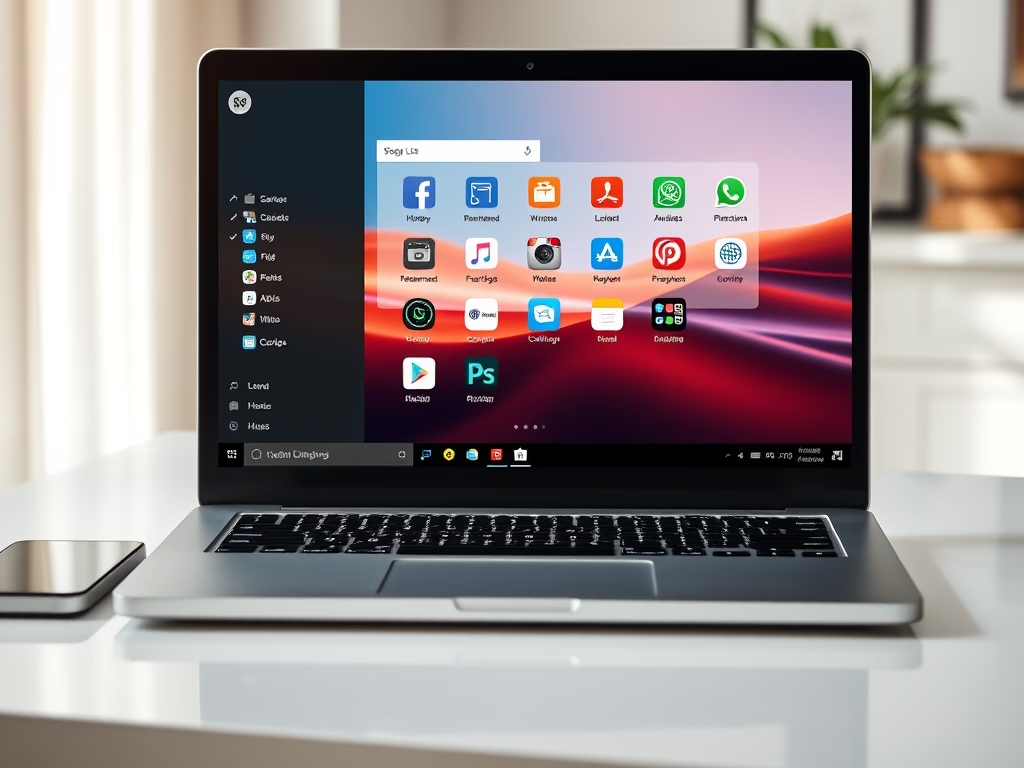
This article guides students and new users on how to display Android phone apps on the Phone Link app in Windows 11. Users can connect their Android phone to Windows through the Phone Link app to seamlessly transfer content, browse, and use apps on a larger screen. The article includes step-by-step instructions on enabling and disabling this feature.
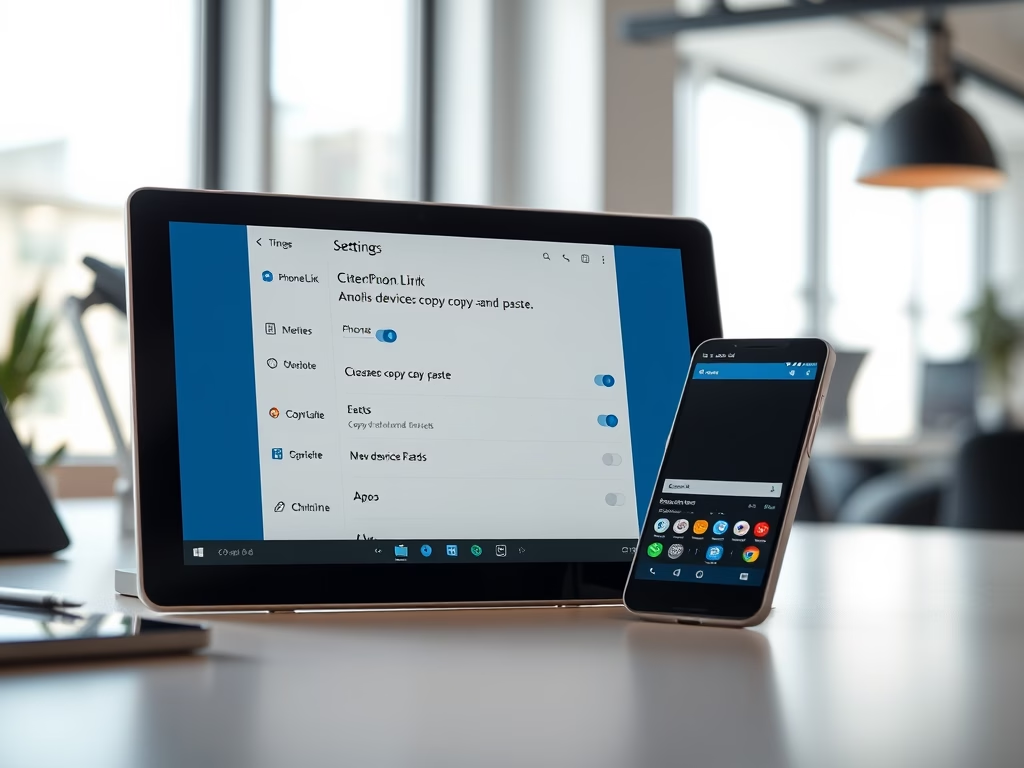
The post details how to enable or disable cross-device copy and paste with the Phone Link app in Windows 11. This feature allows Windows 11 users to link their Android devices, transfer contents, and set up notifications seamlessly. However, it's compatible with select Android devices and Surface Duo running One UI version 2.1 or above.
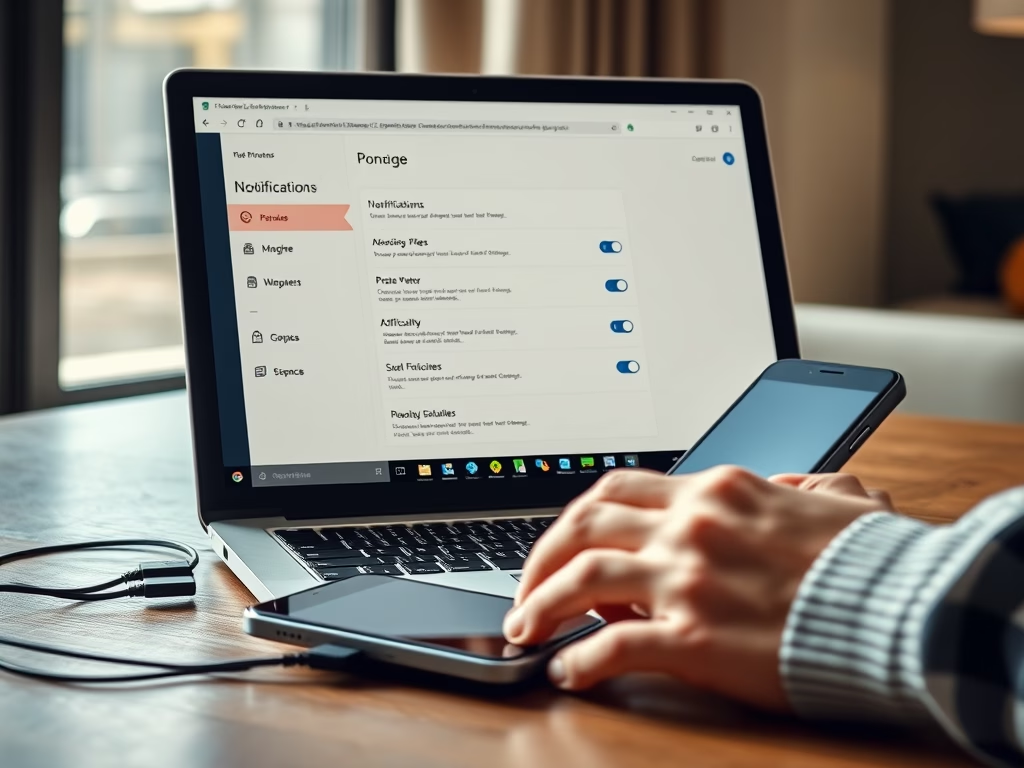
The post guides students and new users on enabling or disabling the Phone Link app notification banners in Windows 11. Users can link the Phone Link app to an Android device and manage the phone's notifications on their Windows PC. These instructions also allow users to select apps that display notifications or switch off banners completely.
This post provides a comprehensive tutorial on how to install BoxBilling, an open-source client management platform, on Ubuntu Linux. The guide covers setup and installation of Apache web server, MariaDB database server, PHP, and Let's Encrypt SSL certificates. The process further includes configuring Apache for BoxBilling, setting up a BoxBilling-specific database, downloading BoxBilling, and a step-by-step walk-through of the final setup wizard to complete the installation.
The post provides a guide for students and new users on how to change device usage settings in Windows 11. Device usage settings inform Microsoft about the intended use of a device, enabling personalized tips, ads, and recommendations. These configurations can be altered in the Windows Settings app. The settings are itemized into gaming, family, creativity, school, entertainment, and business, each offering distinct recommendations and suggestions.
The article provides instructions for altering playback settings on Windows 11 to conserve network bandwidth. It explains how to switch to lower resolution video in apps that use Windows' built-in video platform, such as Microsoft Edge or Netflix. This adjustment can prevent potential video display malfunctions during wireless streaming or using Miracast. It also offers guidance for accessing System Settings and adjusting video playback settings.
This content guides students and new users on booting from a USB flash drive in Windows 11. Two methods are explained: using the computer boot menu, which can be accessed with certain keys (Esc, F2, F10, or F12) during startup, or via Windows Advanced Startup (WinRE). Both methods allow loading or installing a new operating system.
The post provides a guide on how to boot into Windows Recovery Environment (WinRE) in Windows 11, which can be used for troubleshooting and recovery. WinRE, a companion operating system installed alongside Windows, maintains several startup actions, including Advanced Repair, System Restore, Command Prompt for advanced troubleshooting, and booting from external media like USB. Multiple methods to access WinRE have been explained, including via the 'Start' menu, System recovery options, command prompt, recovery media, and hardware recovery button.
This text highlights the importance of backing up the BitLocker recovery key in Windows 11. BitLocker secures computer data and denies unauthorized access. If the key is lost, users may not access the data or may need to reset Windows 11. The steps for backing up the key are provided, with multiple options to save it, such as Azure AD account, USB flash drive, or a printer.
The post instructs on changing to a 24-hour clock format on the Windows 11 lock screen. To do this, one should go to the system settings via the Settings app. Then navigate through Time & Language > Language & Region > Regional format to select a 24-hour clock format. Following the changes, a system restart is necessary for the new setting to take effect.
The post provides instructions for enabling or disabling Microsoft Defender SmartScreen for Microsoft Store apps in Windows 11. Microsoft Defender SmartScreen is designed to protect users by warning them about potentially harmful sites and downloads. The steps include searching for Windows Security on the taskbar, selecting App & browser control, and toggling the SmartScreen settings.
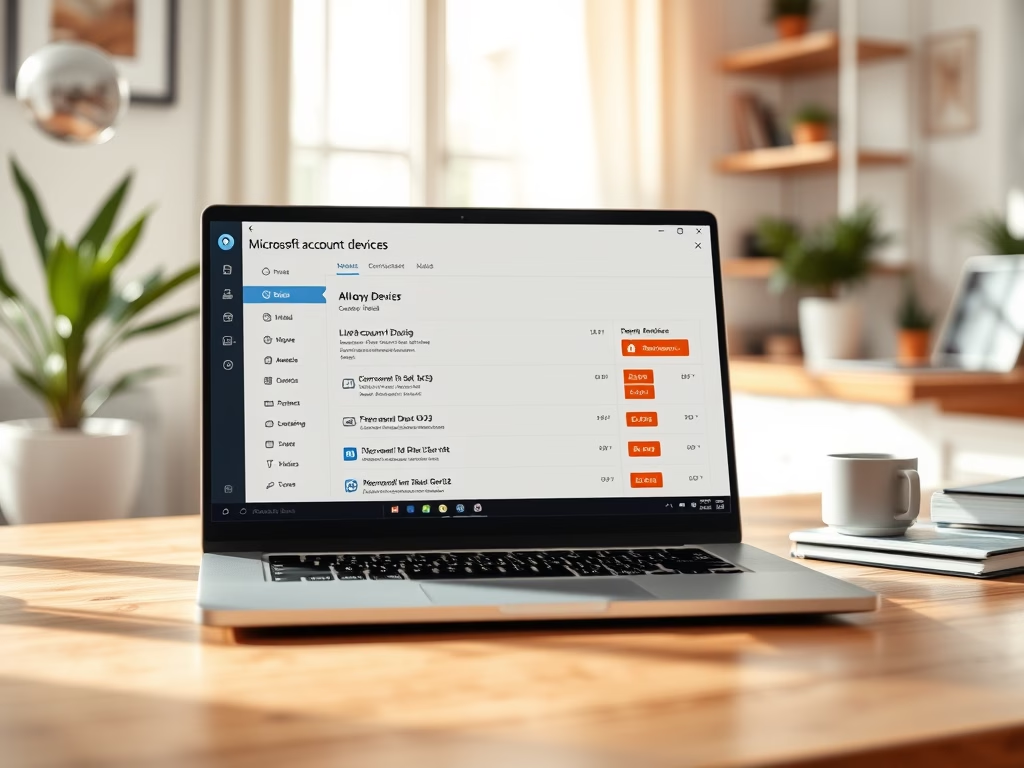
This text guides students and new users on how to remove a device from their Microsoft online account. Once a device is linked to a Microsoft account, it gains access to various Windows features. However, unused devices can be removed by navigating to the account dashboard, selecting the device, and choosing to remove it. This step can also be performed for a child's account.
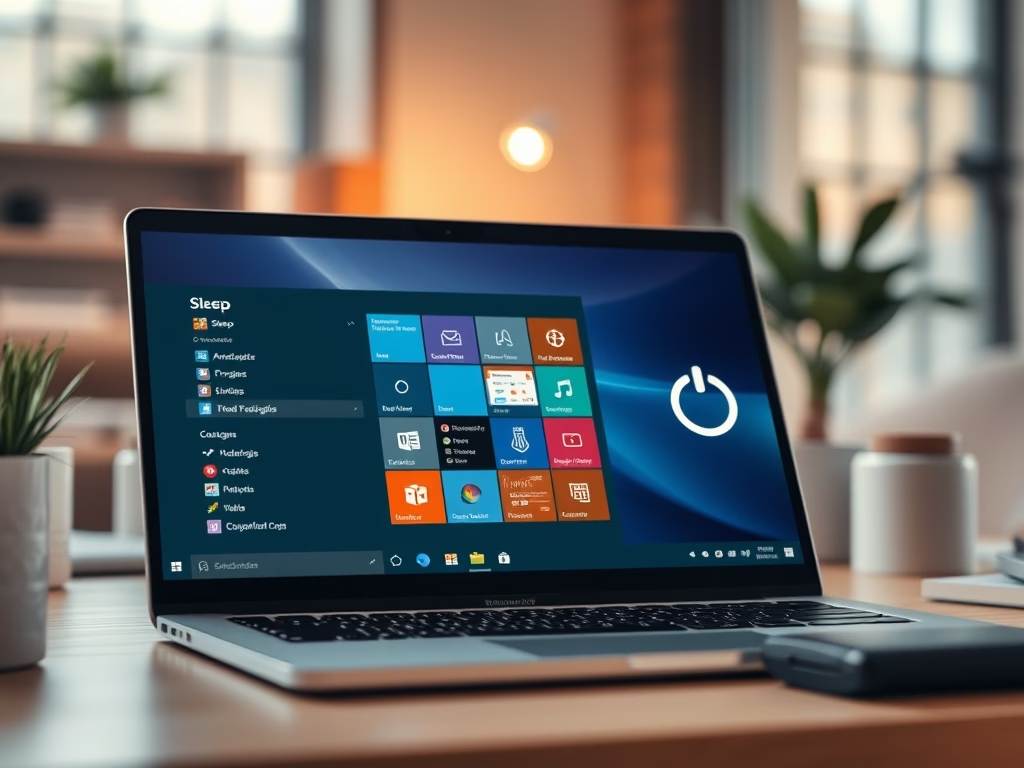
The article provides detailed instructions on how to put a Windows 11 PC to sleep using various methods. These methods include pressing the power button, using the Start menu, the Win+X Power User menu, and keyboard shortcuts. It also discusses the different sleep and hibernation modes available in Windows and explains how sleep mode uses little power and allows a quick restart without losing work.
The post provides a guide for Windows 11 users to change folder names for apps on the Start menu, a feature available from build 22579. Users can group, add, remove, or rearrange apps within folders and name them by selecting 'Edit name'. This function currently exists for users on the Microsoft Insider Preview program's BETA channel.
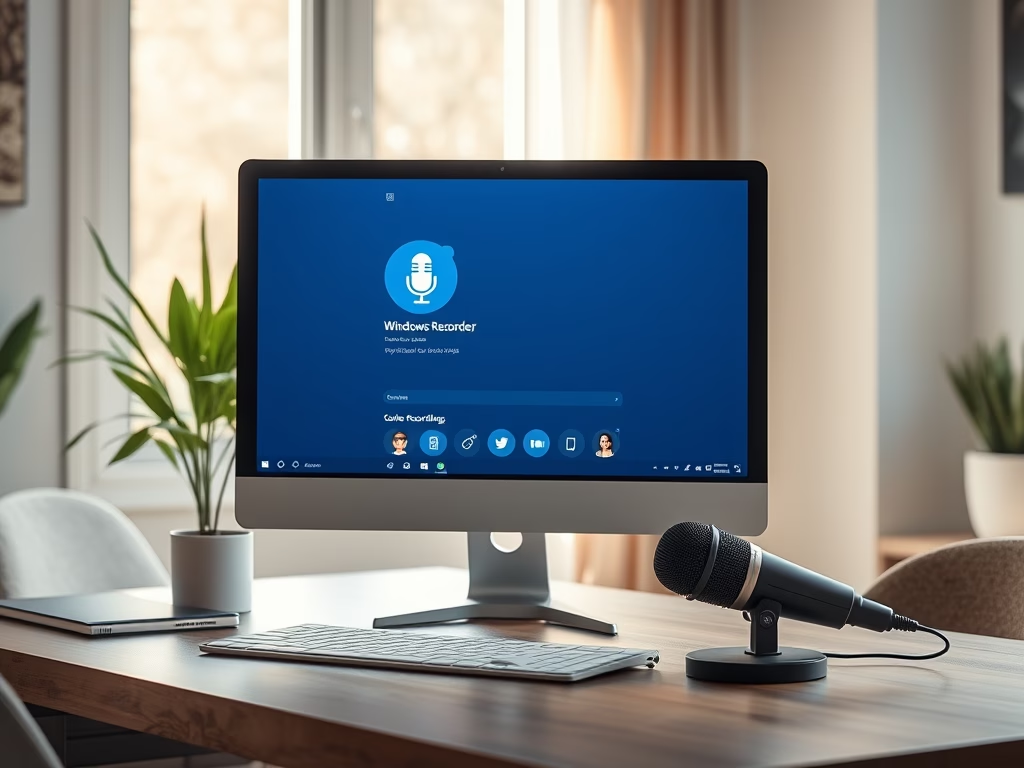
The post instructs students and new users on how to record voice or sounds using the Voice Recorder app on Windows 11. It requires an input sound device or microphone. The tutorial guides users to locate the app using the Start menu, initiate recording via blue microphone icon, stop recording, and share or trim the audio afterwards.