How to Apply Energy Recommendations in Windows 11


Energy recommendations in Windows 11 are built-in power-saving suggestions. They lower your electricity use and can make a laptop battery last longer. Windows looks at settings such as screen brightness, screen-off and sleep timers, and power mode, then offers changes you can apply in one go. The page is part of the Settings app in recent builds of Windows 11, and it is the same on Home and Pro.
It takes less than a minute. Open Settings and go to System Power & battery Energy recommendations. Applying the recommendations stops your PC from using power while you are away from it. This guide also explains what the page changes, how to undo it, and what to check if the page is missing.
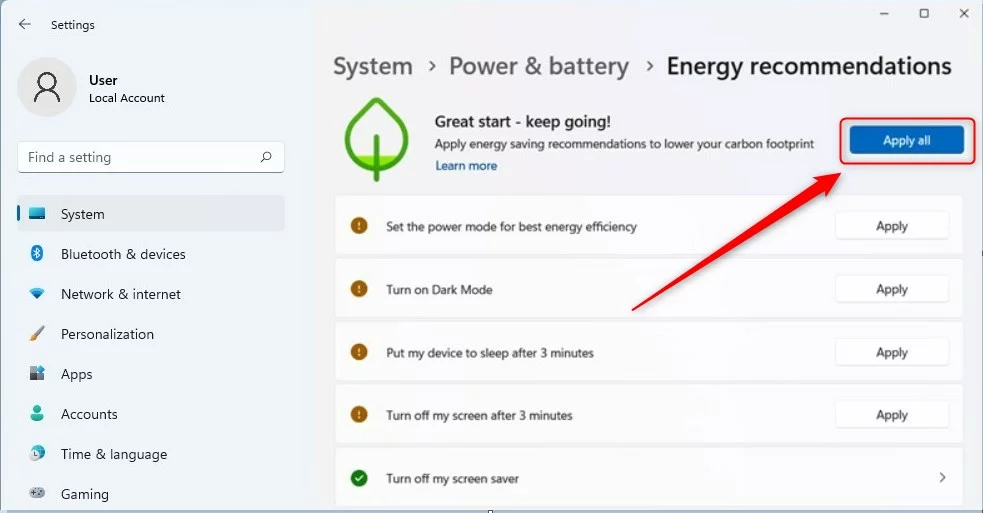
Open Settings , go to System Power & battery Energy recommendations, then click Apply all to turn on the power-saving changes Windows suggests. Windows applies them straight away, so no restart is needed. This lowers your PC’s electricity use and can extend laptop battery life. To apply only some suggestions, use the buttons on each one instead.
Carbon-Aware Windows Updates
Windows 11 also considers sustainability through Carbon-Aware Windows Updates. With this feature, your PC tries to download and install updates when the electricity grid is using cleaner sources, such as wind or solar. You do not need to turn anything on for it. Whether it applies to you depends on your Windows 11 version and your region. More details are in the Microsoft Power Grid Forecast API documentation.
Cloud-Based Sustainability: Windows 365
Using Windows 365 can also lower your personal carbon footprint, because it moves computing tasks from your own hardware to the cloud.
🪟 Windows 11 Power Modes Comparison
| Mode | Energy Savings | Performance Impact |
|---|---|---|
| Best Power Efficiency | High | Low |
| Balanced | Medium | Medium |
| Best Performance | Low | None |
How to Apply Energy Recommendations
Applying energy recommendations takes a few clicks in the main Settings app . You open Settings, go to System, select Power & battery, and open Energy recommendations. From there you can review the suggestions and turn on the power-saving changes. You do not need to restart the PC afterwards. You only need a normal user account, though a work or school PC managed by your organization may block some of the changes.
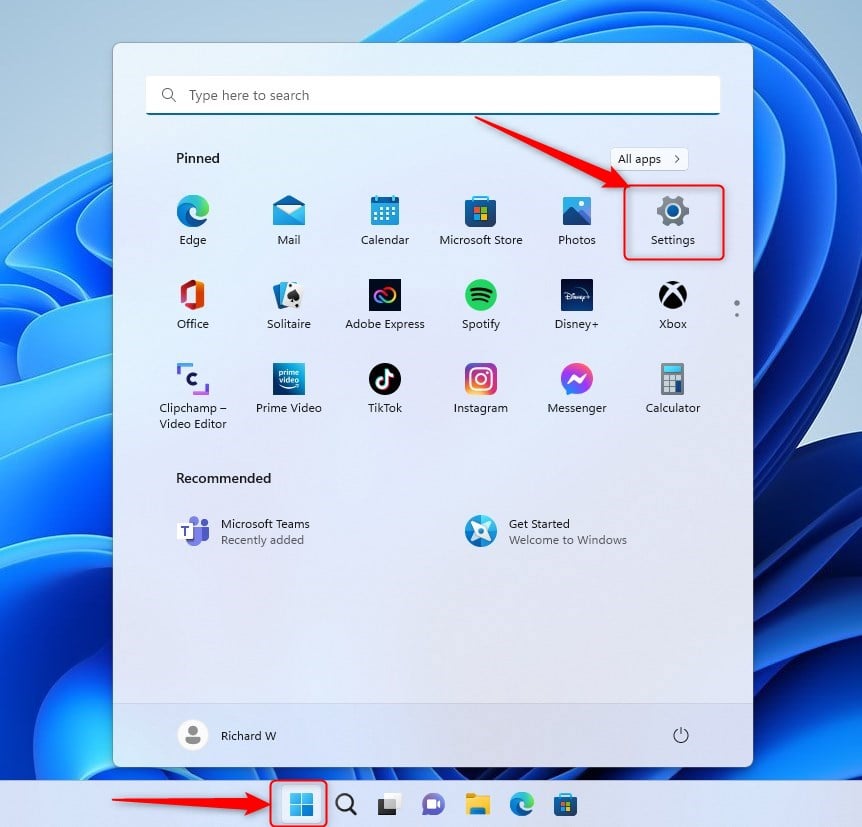
- Open the Start menu and select Settings. You can also press the Win+I on your keyboard.
The Settings window opens with the System page showing.
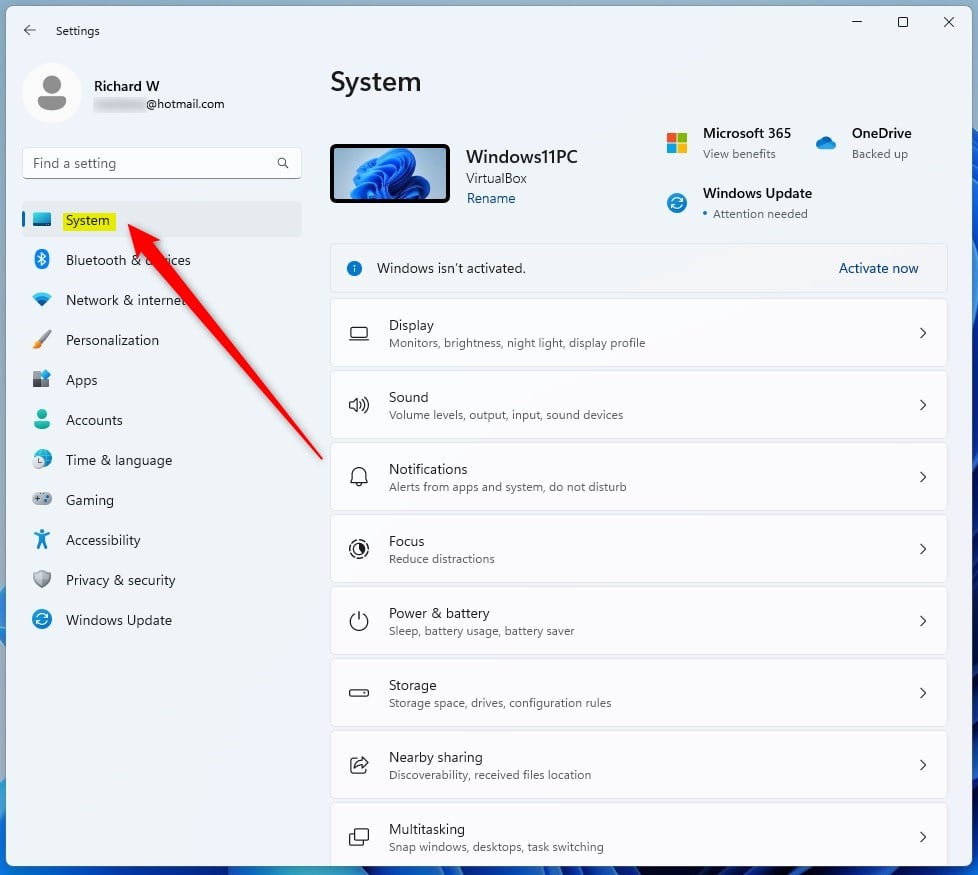
- Click the System tab on the left side of the window.
The System options appear on the right. They include Display, Sound and Power & battery.
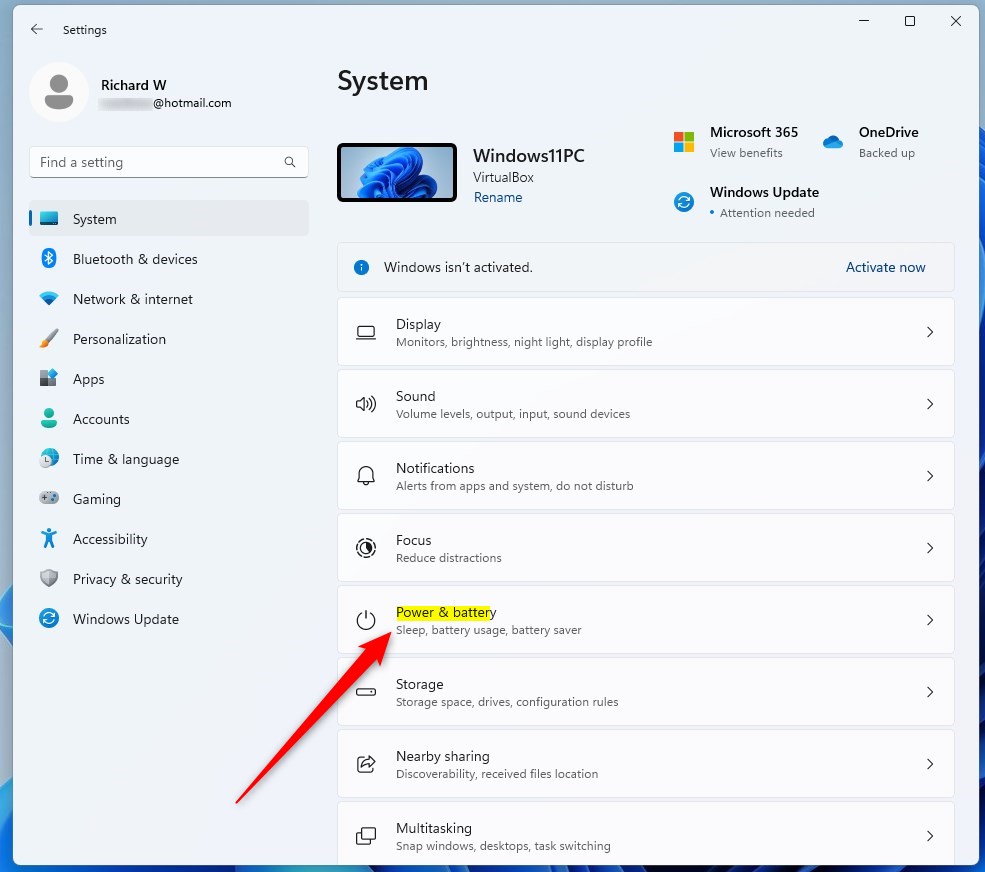
- Select the Power & battery tile on the right.
The Power & battery page opens. On a laptop it shows the battery level at the top. Below that are the power mode, the screen and sleep timers, and the battery options.
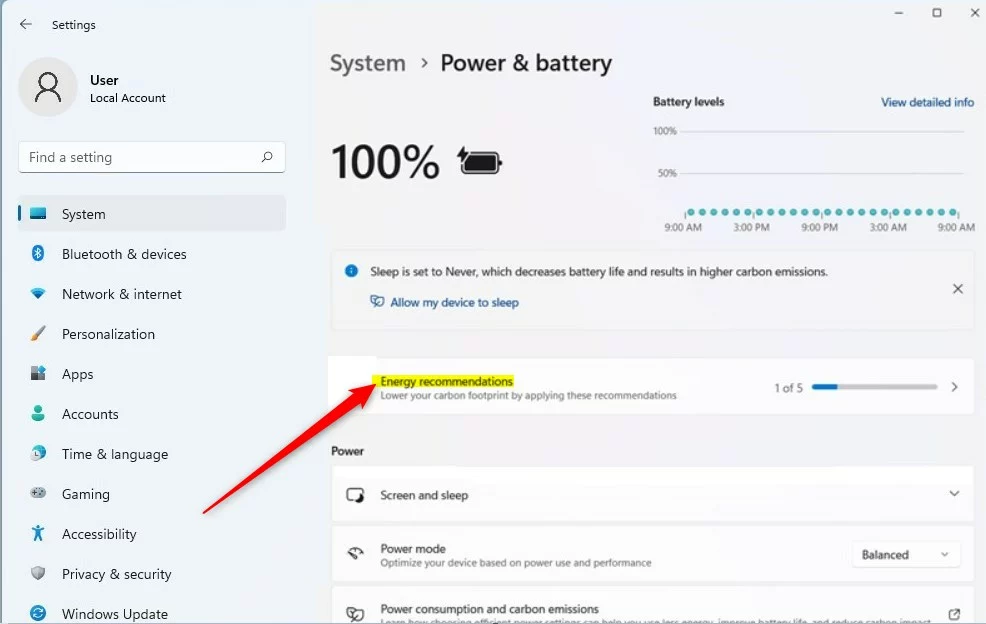
- Click the Energy recommendations tile to see the options.
Each one is a setting that Windows thinks is using more power than it needs to, for example a long screen-off timer or a power mode that favors performance. Read through them before you apply anything. If a suggestion would change something you rely on, such as a long sleep timer during downloads, you can leave it alone and change the rest.
If you do not see the Energy recommendations tile, the most likely cause is an older build of Windows 11 that does not have the feature yet. Run Windows Update to bring the PC up to date. On a PC managed by your workplace, an administrator may also have hidden or locked the page.
- Click the Apply all button to turn on the recommended settings.
Windows applies the changes straight away. The applied recommendations are updated on the page, so you can see what changed. If you want only some of the changes, use the buttons on the individual recommendations instead of Apply all.
This could be the screen and sleep timeouts or the power mode. Windows does not have a single undo button for Apply all, so note your current timers before you click it if you want to restore them exactly.
Hardware Lifecycle and Circularity
Sustainable computing goes beyond software settings. Choosing Energy Star-certified hardware helps. So does recycling aging components instead of throwing them away, because both reduce unnecessary manufacturing waste.
Summary
Applying Windows 11 energy recommendations makes your computer more sustainable overall. Lower power bills and a smaller carbon footprint are good for you and for everyone else. Whether you use local settings or a cloud service like Windows 365, every small step helps the environment.
Have a question about this guide?
Answered by AI from this guide. Good questions may be added to this page — please don't include personal details.
Did this guide fix your problem?

About the Author
Richard
Tech Writer, IT Professional
Richard is a writer at Geek Rewind who turns complex IT tasks into clear, step-by-step guides. He draws on years of hands-on experience in system administration and enterprise IT operations, focusing on Windows, Linux and WordPress: the problems people actually run into, and the fixes that work. His server and WordPress guides come from systems he runs himself. Richard builds and maintains the platform behind Geek Rewind, from its Ubuntu servers and Nginx configuration to its custom WordPress plugins. Many new tutorials start with readers' questions, and he's always glad to answer them in the comments.
No comments yet — be the first to share your thoughts!