How to Open Windows Media Player on Windows 11


Windows Media Player is the classic Microsoft media program built into Windows 11 for playing local music and video files. The app stays on your PC alongside newer media apps so you can keep using the traditional interface.
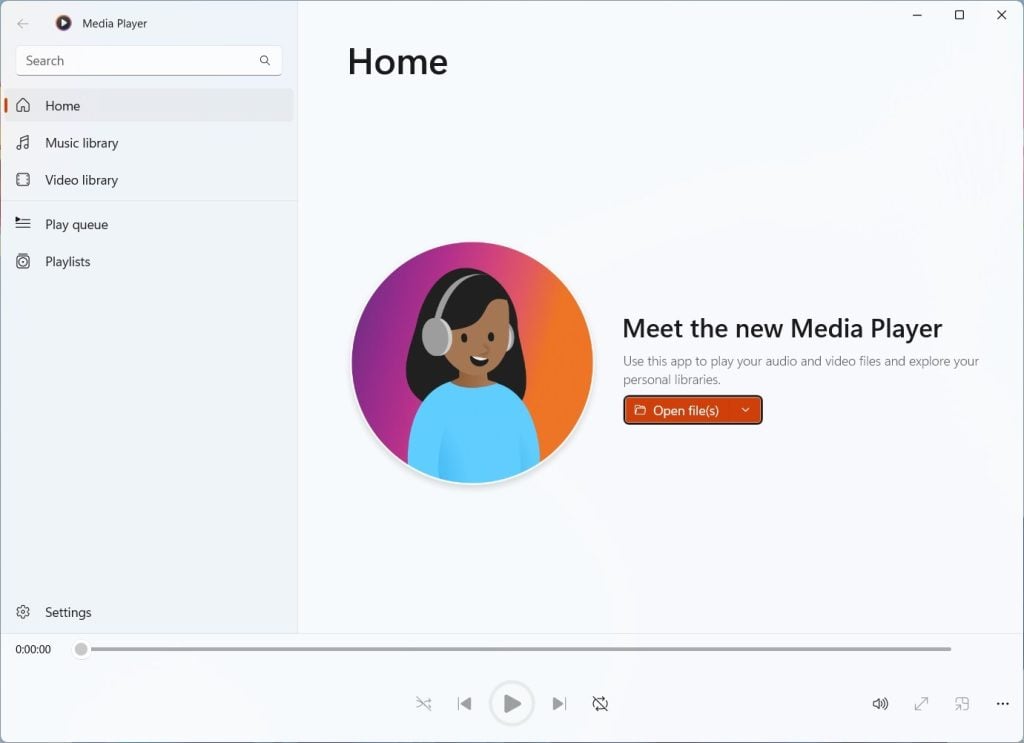
You can launch the program in seconds from the Start menu or the taskbar search box. Note that current Windows 11 builds ship two related apps. The newer one is called Media Player and replaced Groove Music. The older, classic one is listed as Windows Media Player Legacy. The steps below cover both, so look for whichever name matches the interface you want.
Open Windows Media Player from the Start menu : click Start, then All apps, scroll to the M section and click Media Player. For the classic version, choose Windows Media Player Legacy, usually found in the Windows Tools folder. If it is missing, install Media Player free from the Microsoft Store.
How to Open Windows Media Player
Start with the Start menu , since it works on both Home and Pro editions.
- Click the Start button on the taskbar . The Start menu opens.
- Click All apps in the top right of the Start menu . An alphabetical list of installed apps appears.
- Scroll down to the M section and click Media Player. The app opens in its own window.
- If you want the classic version instead, look for Windows Media Player Legacy. It usually sits inside the Windows Tools folder in the same list. You can also type its name into the taskbar search box and press Enter.
If the app does not appear in the list, it is probably not installed. Some clean installs and trimmed-down builds leave it out, and it may have been removed by hand. Open the Microsoft Store app, search for Media Player, and download it for free. You can also go straight to it with this link: Install Windows Media Player. Once the install finishes, it shows up in All apps. You do not need to restart the PC.
You can turn it on from the optional features settings, which needs an administrator account.
From here, add your music and video folders so the app can locate your files. Until you do, the library may look empty even if the files are on your PC. After you add a folder, give the app a moment to scan it. Your songs and videos then appear in the library and are ready to play. To stop a folder from showing up, remove it from the same folder list. Your files are not deleted.
Handy Keyboard Shortcuts
Windows Media Player includes several keyboard shortcuts to control playback and manage media libraries faster. These shortcuts save time when you listen to music or watch videos, because you do not have to reach for the mouse to pause, skip or change the volume.
The shortcuts below are listed for quick reference. Click inside the Media Player window first so it has focus. Shortcuts only work on the active window, and they may differ slightly between the new Media Player and Windows Media Player Legacy.
Summary
Windows Media Player remains a reliable app for playing videos and music on Windows 11. Opening it from the Start menu gives you access to playback tools for common media formats, while keyboard shortcuts speed up navigation. If the app is ever missing, the Microsoft Store link above gets it back in a couple of minutes.
Have a question about this guide?
Answered by AI from this guide. Good questions may be added to this page — please don't include personal details.
Did this guide fix your problem?

About the Author
Richard
Tech Writer, IT Professional
Richard is a writer at Geek Rewind who turns complex IT tasks into clear, step-by-step guides. He draws on years of hands-on experience in system administration and enterprise IT operations, focusing on Windows, Linux and WordPress: the problems people actually run into, and the fixes that work. His server and WordPress guides come from systems he runs himself. Richard builds and maintains the platform behind Geek Rewind, from its Ubuntu servers and Nginx configuration to its custom WordPress plugins. Many new tutorials start with readers' questions, and he's always glad to answer them in the comments.
[…] The Windows Media Player app is a built-in application that allows you to play various media files, such as videos, music, and images. It is a useful tool for managing and playing your media collection in Windows. It supports various file formats and offers basic playback controls such as play, pause, stop, rewind, and fast-forward. […]
[…] The Windows Media Player app is a built-in application that allows you to play various media files, such as videos, music, and images. It is a useful tool for managing and playing your media collection in Windows. It supports various file formats and offers basic playback controls such as play, pause, stop, rewind, and fast-forward. […]
[…] The Windows Media Player app is a built-in application that allows you to play various media files, such as videos, music, and images. It is a useful tool for managing and playing your media collection in Windows. It supports various file formats and offers basic playback controls such as play, pause, stop, rewind, and fast-forward. […]
[…] The Windows Media Player app is a built-in application that lets you play various media files, like videos, music, and images. It is a useful tool for managing and playing your media collection in Windows. It supports multiple file formats and offers basic playback controls, including play, pause, stop, rewind, and fast-forward. […]
This does not leave me any the wiser regarding how to play music using Media Player.
I have a significant number of albums transferred from an external HD into the Music folder and showing up as ‘present’ ie listed when I open Media Player and select Music.
However nothing happens when I select artist/album/track etc and activate the Play icon other than the red line under the display moving from left to right. No timer movement, no sound.
(Realistically, I do not expect Windows post XP to be user friendly …)