How to Refresh Media Library Locations in Windows Media Player

Refreshing the media library in Windows Media Player makes the app scan your hard drive again and update its music, video and picture lists. It fixes missing files and clears out old titles. This applies to the 5 default media folders and to any custom folders you added.
Windows Media Player keeps broken links when you move, rename or delete files outside the program. The library does not always notice the change. If you tell the app to scan your saved folder paths again, the library goes back to matching what is actually on your drive. It takes a few clicks and you do not need to reinstall anything.
Click Settings on the left sidebar in Windows Media Player, then click Refresh to rescan your folders. This updates the library to show any new or moved media files.
How to refresh library locations
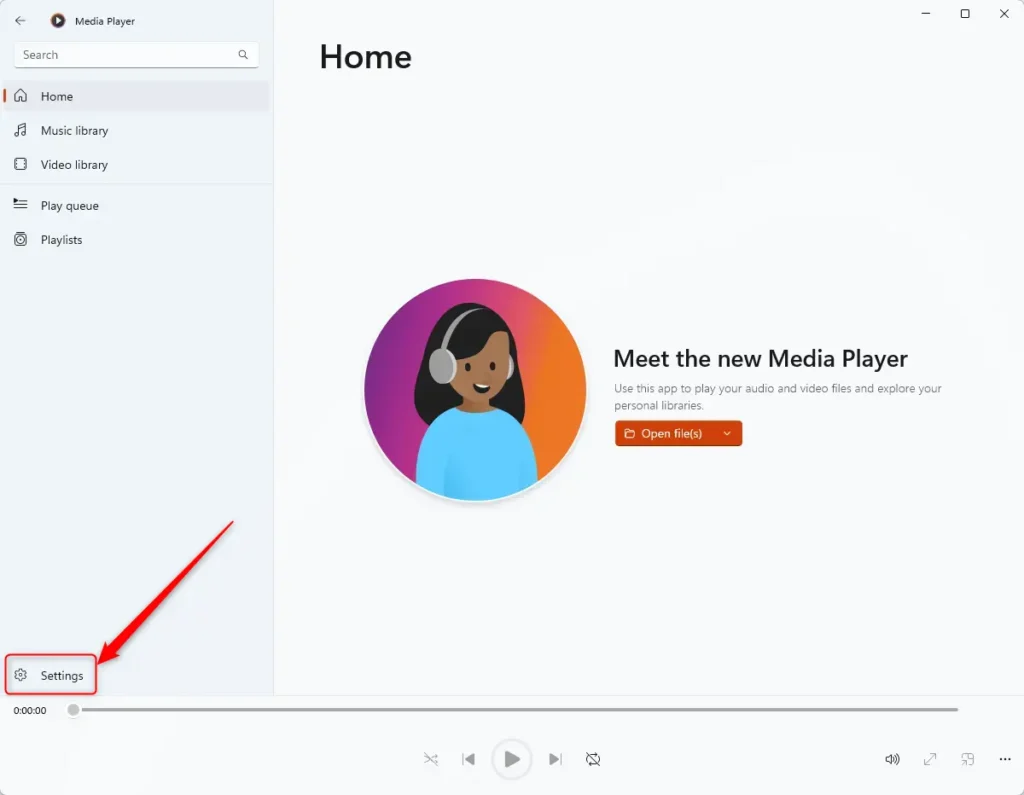
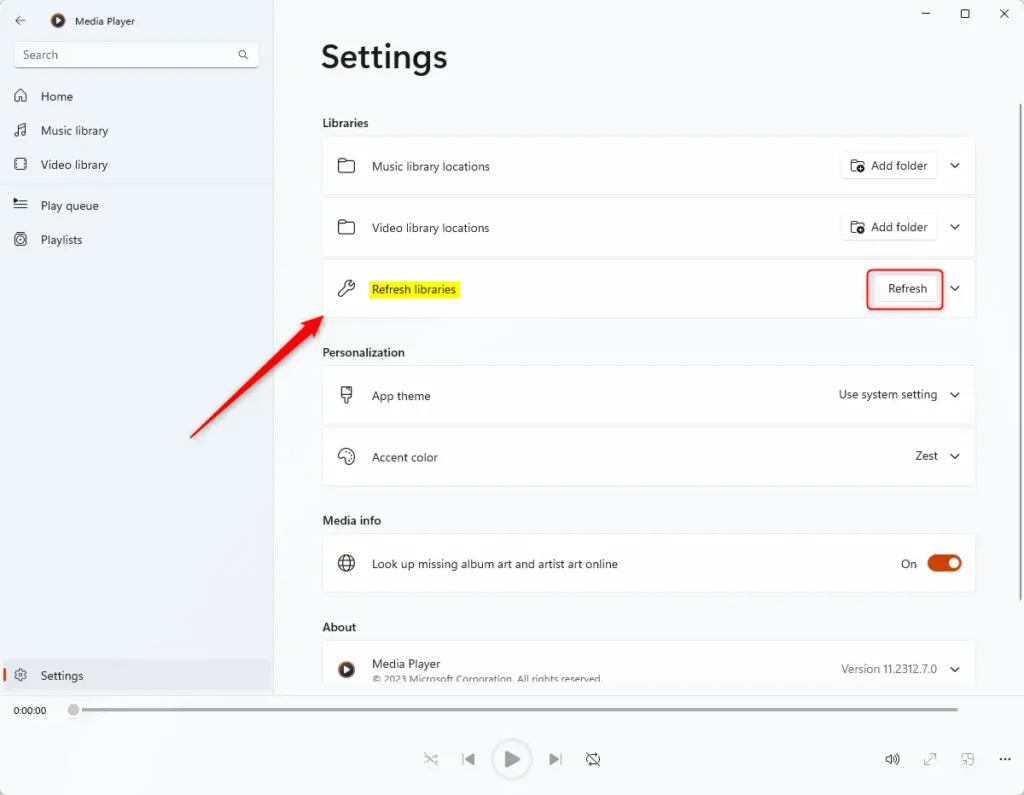
To find missing music or videos, start a manual scan from the settings area. The short version: open Windows Media Player, click the Settings button on the left sidebar, then select the Refresh button. This updates the database and brings new files into view.
Before you start, a few things will save you time:
- Close any file manager windows that are still moving or copying media into your library folders. A scan that runs mid-copy can miss files.
- Make sure external or network drives that hold your media are connected and reachable. The app cannot list files it cannot see.
- These steps follow the Windows 11 Media Player app. The older Windows Media Player Legacy looks different, so the button names may not match exactly.
Work through the numbered steps below in order. After the first steps, you should see the Settings page open with your media library options. Once you select Refresh, give the app a moment to scan, because a large library can take a while.
- Open the open the Windows Media Player app.
- Click the Settings button located on the left sidebar.
If the scan is running, leave the window open and do not close the app. When it finishes, the list should update and the files you moved or deleted should no longer show broken entries.
- Click the Refresh button in the settings menu to scan your folders and update your library.
Go back to your music, video or picture view and check that the new files appear and the old titles are gone. If something is still missing, confirm the file sits inside one of the folders the library watches. If it is in a different folder, add that folder to the library locations and refresh again. Nothing here is permanent, so you can remove a folder from the list later and refresh to undo it.
The app relies on the Windows Search Indexing service (a background feature that catalogues files to speed up searches) to work correctly. Running services must include Windows Search for the library database to update properly. If a refresh does nothing, open Services from the Start menu search and check that Windows Search is listed as Running. Note: Changing system services may require admin privileges. On a work or school PC, an administrator may have locked this setting, so you may need to ask them.
Summary
Updating the Windows Media Player database ensures the software sees every file on your local storage drives. Forcing a rescan fixes missing media issues and keeps the collection organized. Do it again whenever you move large batches of files around.
Have a question about this guide?
Answered by AI from this guide. Good questions may be added to this page — please don't include personal details.
Did this guide fix your problem?

About the Author
Richard
Tech Writer, IT Professional
Richard is a writer at Geek Rewind who turns complex IT tasks into clear, step-by-step guides. He draws on years of hands-on experience in system administration and enterprise IT operations, focusing on Windows, Linux and WordPress: the problems people actually run into, and the fixes that work. His server and WordPress guides come from systems he runs himself. Richard builds and maintains the platform behind Geek Rewind, from its Ubuntu servers and Nginx configuration to its custom WordPress plugins. Many new tutorials start with readers' questions, and he's always glad to answer them in the comments.
No comments yet — be the first to share your thoughts!