Windows 11 Copilot is a built-in artificial intelligence assistant that runs in the background to help you write text, search the web, and answer questions. To stay ready to open instantly, the feature typically uses anywhere from several hundred megabytes to over one gigabyte of your computer’s RAM.
Advertisement
RAM (short-term memory that holds data for the apps you have open right now) takes a noticeable hit when this idle assistant consumes a full gigabyte on a standard 8 gigabyte PC, leaving much less room for your web browser, video games, and everyday programs.
⚡ Quick Answer
Windows 11 Copilot uses over a gigabyte of your computer memory by running a hidden web browser engine in the background at all times. This constant background activity keeps the assistant ready to open, which can slow down your system and leave less room for your other open programs.
Advertisement
How Copilot Uses Over 1Gigabyte of RAM
Windows 11 Copilot uses over 1 gigabyte of RAM because the AI assistant runs inside a hidden instance of the Microsoft Edge browser engine. Every time this background process starts up, it loads heavy web scripts and tools that consume a large amount of memory even when you are not actively using the tool.
Every time the Windows 11 Copilot background engine starts up, the background engine loads web parts, code scripts, and picture tools. Even when you are not talking to the assistant, the Copilot background framework stays loaded in your computer memory so the assistant can update feeds, check for alerts, and show pictures on the screen right away, using about 400 megabytes of RAM.
The Windows 11 Copilot design gives Microsoft the freedom to update features quickly, but the design has a high cost for regular users. The Copilot design forces a mini web browser to run all the time in your system background, adding memory demands right on top of your normal open programs and consuming up to 2 gigabytes of RAM.
The Irony: AI Diagnosing PC Slowdowns While Being the Slowdown
Windows 11 Copilot often slows down your computer while trying to diagnose other performance issues. The built-in check-up tools mean to scan your hardware, but running these background checks while consuming over a gigabyte of memory creates a frustrating performance bottleneck for everyday users.
Advertisement
The Windows 11 Copilot assistant creates a frustrating problem for you by using over a gigabyte of memory just to sit idle. The Copilot tool is meant to help you fix performance issues, but if your computer is already struggling with low memory, adding a heavy tool that hogs resources often makes the computer run even worse.
Instead of speeding up your computer, the Windows 11 Copilot assistant often causes the exact traffic jam the assistant is trying to fix. You find yourself in a loop where you need to free up memory, but the Copilot feature tracking that memory is eating up a large share of those very computer resources.
Privacy Concerns: What Data Goes to the Cloud?
Windows 11 Copilot sends data to the cloud by continuously processing information about your open apps, recent files, and web browsing habits. Because the system-level assistant needs to look at how your computer works to provide answers, running this deep cloud integration raises important privacy questions about what gets tracked.
While Microsoft says it follows strict privacy rules, running a deep cloud assistant raises good questions. Features that watch your open apps, recent files, and web browsing require a steady stream of data processing. If you like to keep your personal activities completely private, you might want to stop using these heavy background features on your personal computer.
Advertisement
How to Reclaim Your CPU and RAM from Copilot
If you do not use the Windows 11 Copilot smart assistant and want to stop Windows 11 Copilot from wasting your system resources, you can turn Windows 11 Copilot off or remove Windows 11 Copilot completely. Follow these steps to clean up the computer system and recover valuable memory for your daily tasks.
Step 1Check Your Current Memory Usage
💡TipChecking your current memory usage for Windows 11 Copilot takes just a few seconds using the built-in Task Manager.
You can open the tool by pressing Ctrl + Shift + Esc on your keyboard, clicking on the Processes tab, and scrolling through the list to see how much RAM the assistant is taking up.
Press the Ctrl + Shift + Esc keys on your keyboard at the same time to open the Task Manager.
If the window looks small, click on More details at the bottom to make the view bigger.
Click on the Processes tab if you are not already there.
Scroll down the list and look for items named with the assistant name or related background processes.
Note how much memory they are using in the memory column.
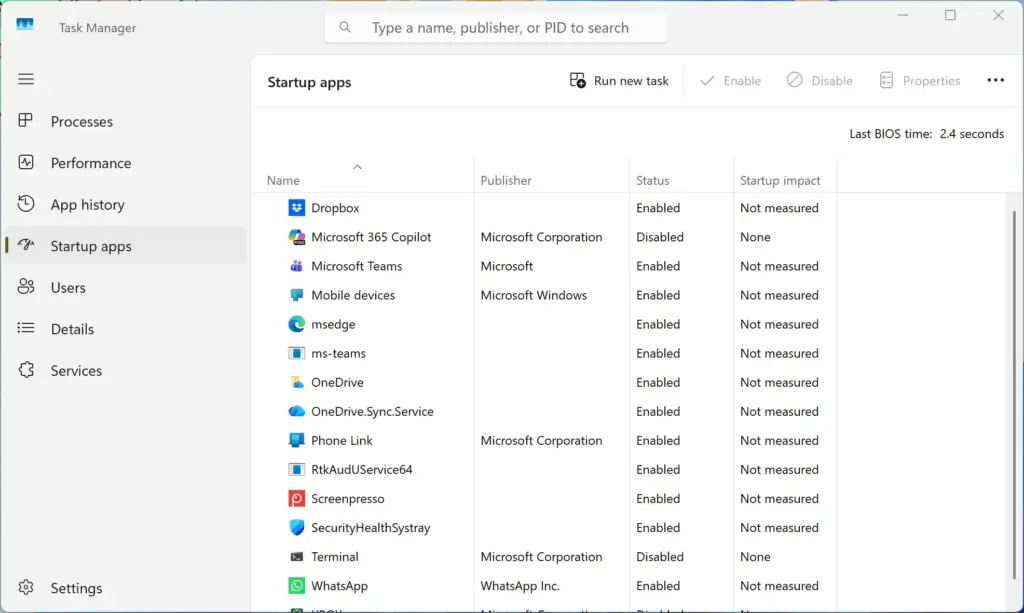
Step 2Disable Background Startup Apps
Task Manager › Startup
Disabling background startup apps stops Windows 11 Copilot from launching automatically every time you turn on your computer. You can easily turn off this setting by opening your Windows Settings, going to the Apps section, clicking on Startup, and flipping the switch next to the assistant to the Off position.
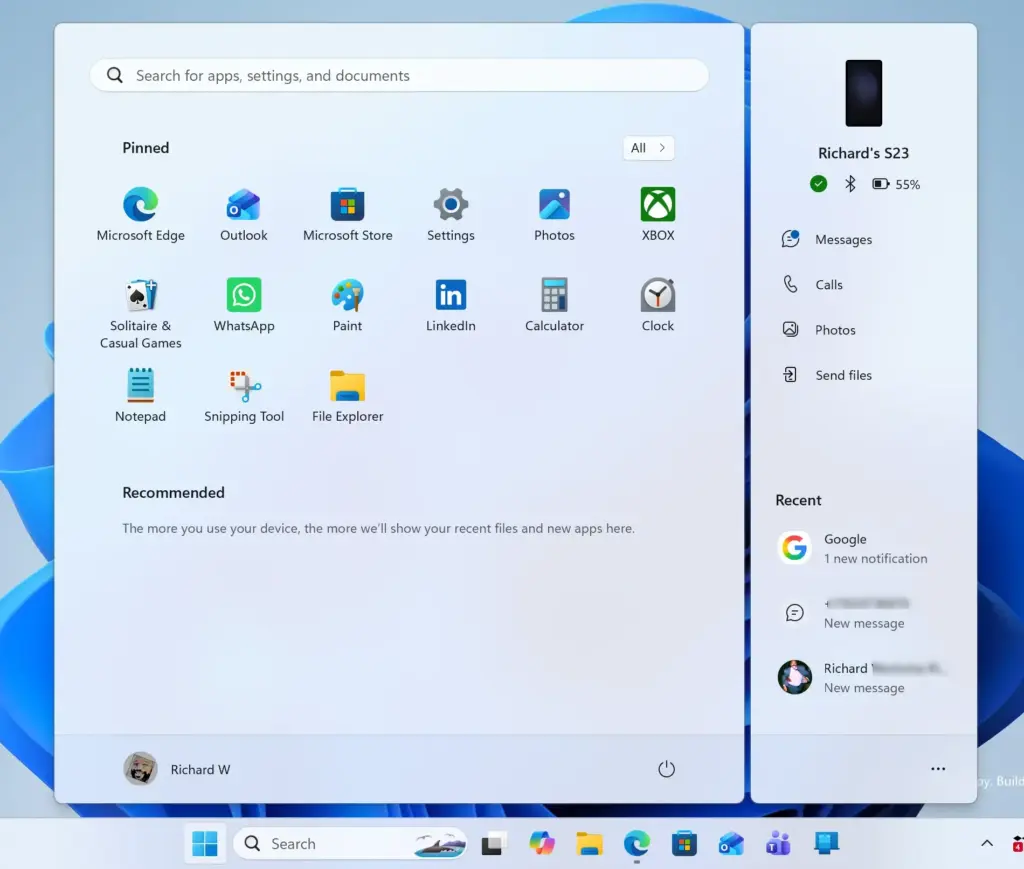
Open the Windows Start menu and click on the Settings gear icon.Start Menu
From the menu on the left side, select Apps.
Click on Startup to see a list of programs that run when Windows boots up.
Find the assistant application in the list.
Click the switch next to it to set it to Off.
Step 3Remove or Disable the Integration via Settings (Admin Privileges Required)
📝Good to KnowRemoving the taskbar integration for Windows 11 Copilot completely turns off the service and frees up your system resources.
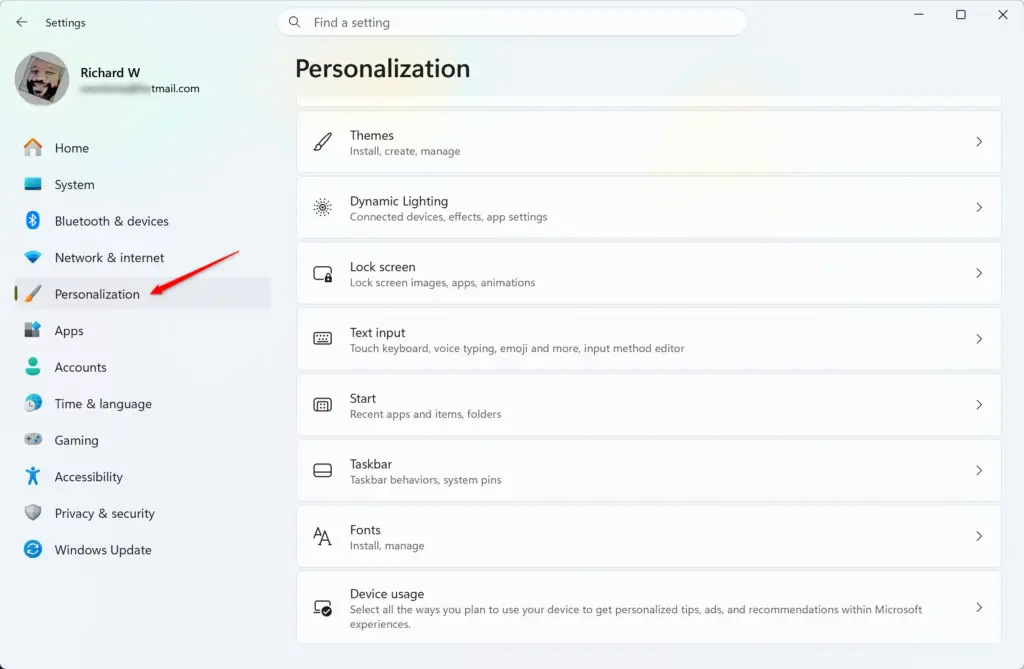
You can do this by logging into an administrator account, opening your Windows Settings, clicking on Personalization, selecting Taskbar, and turning off the switch for the assistant icon.
Advertisement
Taskbar
Log into your computer using an account with administrator rights.
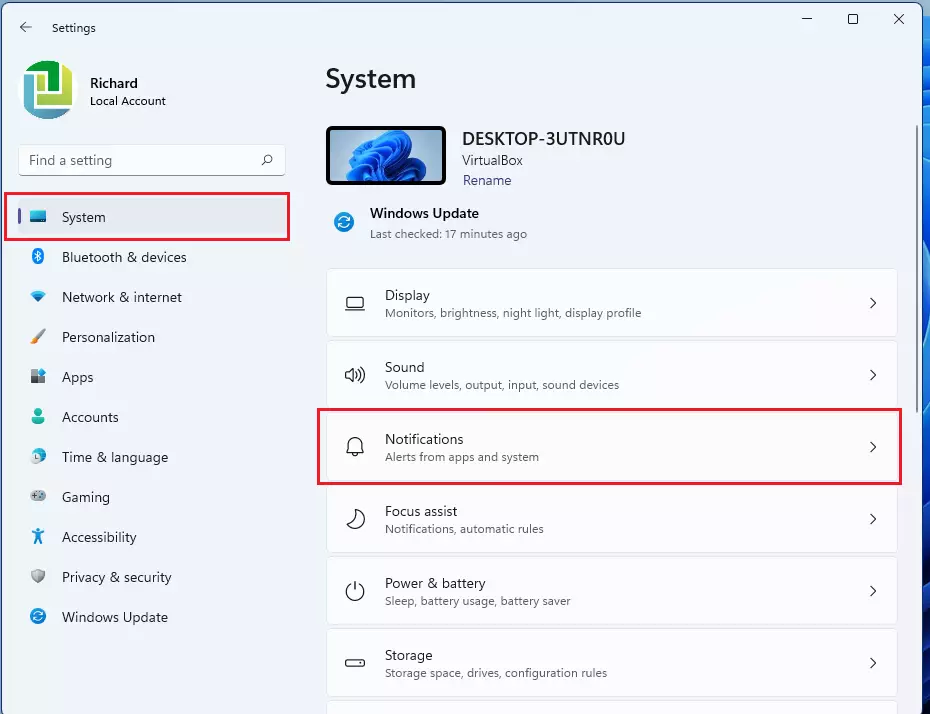
Open the Windows Start menu and select Settings.windows 11 notifications tilewindows 11 notifications tile
Click on Personalization and then select Taskbar.Settings › Personalization
Look for the taskbar icon switch and turn it Off.
Unique Angles: Advanced System Maintenance for Low-RAM PCs
Most basic guides stop at just turning off the main switch. However, if your computer only has 4GB or 8GB of RAM, you need to go a bit further to keep your system fast. Here are two advanced tips that other sites often miss.
Managing Hidden Microsoft Edge Background Processes
Managing hidden Microsoft Edge background processes stops lingering Copilot tasks from wasting your computer memory after you close the browser. You can prevent this by opening Microsoft Edge, going to Settings, selecting System and performance, and toggling off startup boost and background app permissions.
Open Microsoft Edge.
Click the three dots in the top-right corner and select Settings.
Click on System and performance from the left menu.
Find the setting that says Startup boost and toggle it off.
Also, turn off the setting that allows apps to run in the background when Edge is closed.
You can stop Windows 11 Copilot from secretly using your computer memory all day long by turning off background web parts in your settings. Windows 11 Copilot runs extra web components in the background that can consume up to 500 megabytes of RAM even when you are not actively using the assistant. Disabling these background processes frees up valuable system memory so your computer runs faster and applications open more quickly.
Using Alternative Lightweight Launchers
Using alternative lightweight launchers gives you fast access to shortcuts and apps without the heavy memory cost of modern AI assistants like Windows Copilot. These simple third-party tools let you search your computer and open files instantly without wasting a gigabyte of RAM on background web rendering engines.
Advertisement
Windows 11 Copilot provides system insights and artificial intelligence assistance, but the underlying web framework for Windows 11 Copilot can consume over 1GB of RAM while running in the background. The high resource drain often slows down personal computers, particularly personal computers with limited memory. You can check your memory usage, disable startup permissions, and turn off background features in the settings to reclaim system performance.
Was this guide helpful?
📬 Get new Windows tips in your inbox
One email when we publish something worth your time. No spam, unsubscribe anytime.
Richard is a writer at Geek Rewind who turns complex IT tasks into clear, step-by-step guides. He draws on years of hands-on experience in system administration and enterprise IT operations, focusing on Windows, Linux and WordPress: the problems people actually run into, and the fixes that work.
His server and WordPress guides come from systems he runs himself. Richard builds and maintains the platform behind Geek Rewind, from its Ubuntu servers and Nginx configuration to its custom WordPress plugins.
Many new tutorials start with readers' questions, and he's always glad to answer them in the comments.
One email when we publish a guide worth your time — new Windows features, the fixes that actually
work, and a heads-up when Microsoft breaks something. Unsubscribe in one click.
📬 Get new Windows tips in your inbox
One email when we publish something worth your time. No spam, unsubscribe anytime.





No comments yet — be the first to share your thoughts!