What Breaks When You Disable Windows Telemetry

Disabling Windows telemetry stops your PC from sending diagnostic and usage data to Microsoft, but it also breaks core system features like built-in troubleshooting tools, which lose up to 100 percent of their effectiveness when blocked. Telemetry is the background system that automatically logs performance details—such as app usage, device runtime, crashes, and hardware specs—from Windows 10 and Windows 11 devices.
Microsoft relies on this data collection to fix bugs, patch security holes, and push performance updates. Turning off data sharing stops these background updates and can break specific help tools when your PC runs into problems.
Disabling Windows telemetry can cause certain apps to fail to load, system updates to stall, and built-in troubleshooting tools to lose their effectiveness. When you block your computer from sending diagnostic and usage data back to Microsoft through system settings, you may notice that some helpful features stop working correctly.
How do you disable Windows telemetry in Settings?
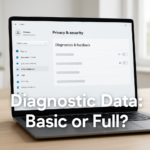
You can disable Windows telemetry in Settings by opening the Start menu , going to Privacy & security, and choosing diagnostics and feedback options. This built-in method lets you lower the amount of background data your computer shares with Microsoft without needing advanced tools.
- Click the Start button and open the Settings app (the gear icon).
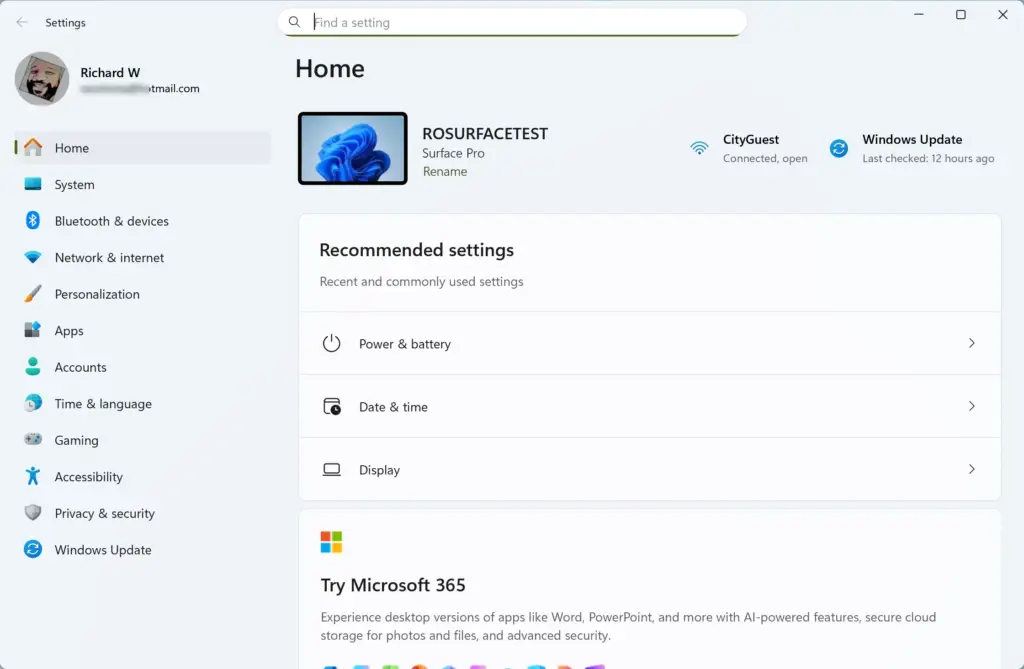
Settings - Select Privacy & security (or just Privacy in older versions of Windows 10).
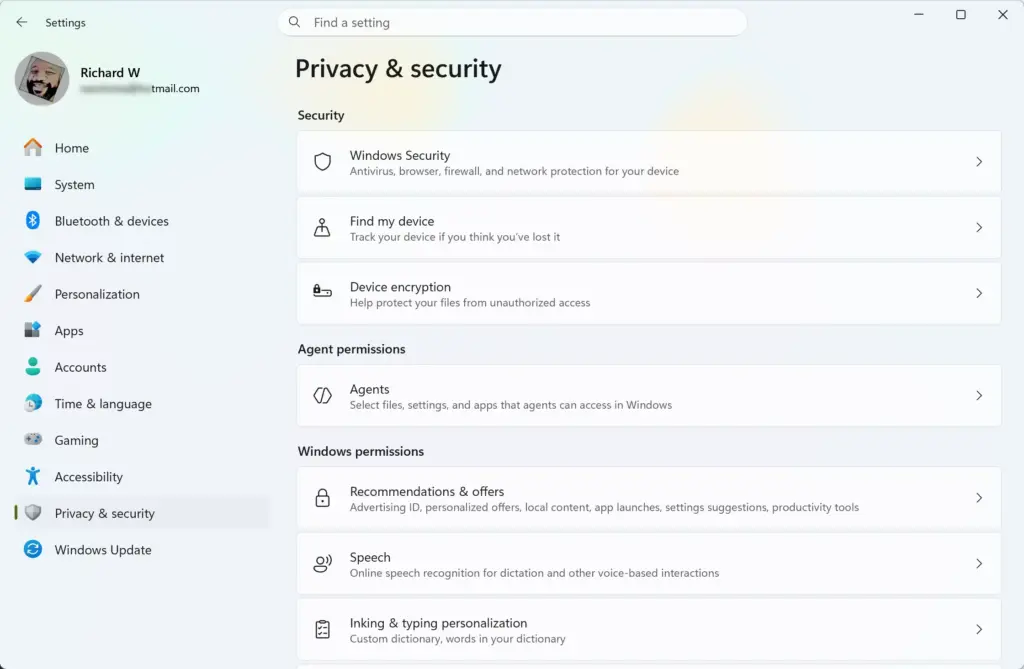
Settings › Privacy & security - Click on Diagnostics & feedback.
- Look for the section that controls diagnostic data.
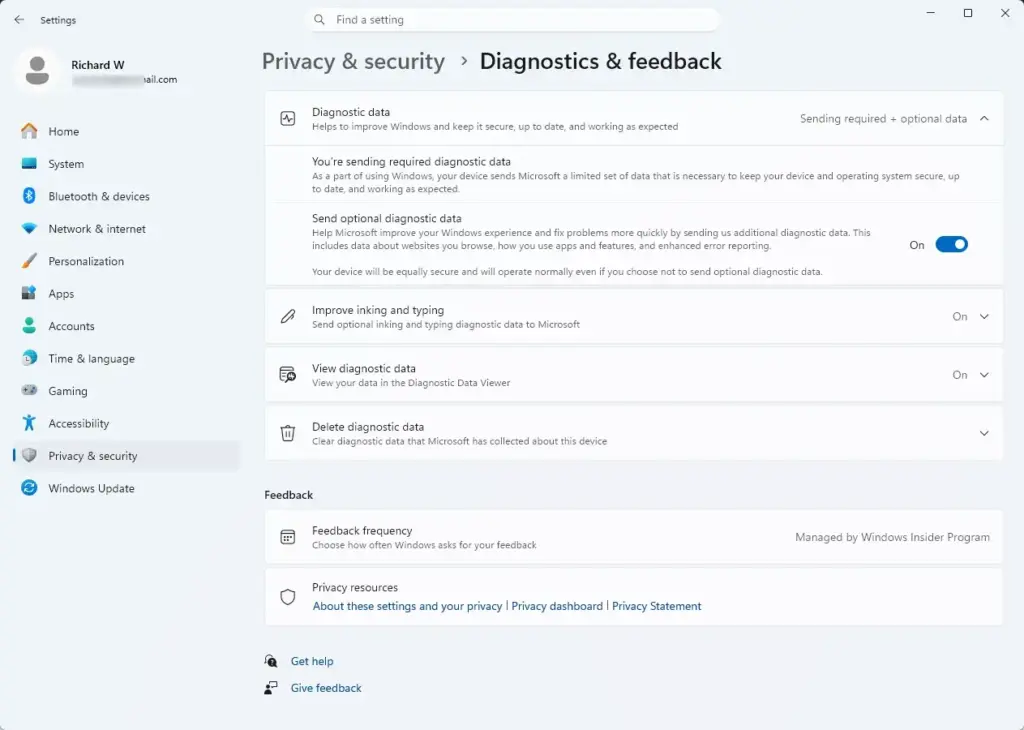
- Switch the toggle from Full to Required diagnostic data (or Basic). This ensures your computer only sends the bare minimum data needed to keep Windows secure and updated.
- Scroll down further on the same page and turn off optional settings like Tailored experiences and View diagnostic data if you want to limit tracking even more.
How do you disable Windows telemetry using the registry?
This method stops more tracking than the basic settings menu, but you must be careful not to change the wrong settings by accident.
- Press the Win+R on your keyboard to open the Run dialog box.
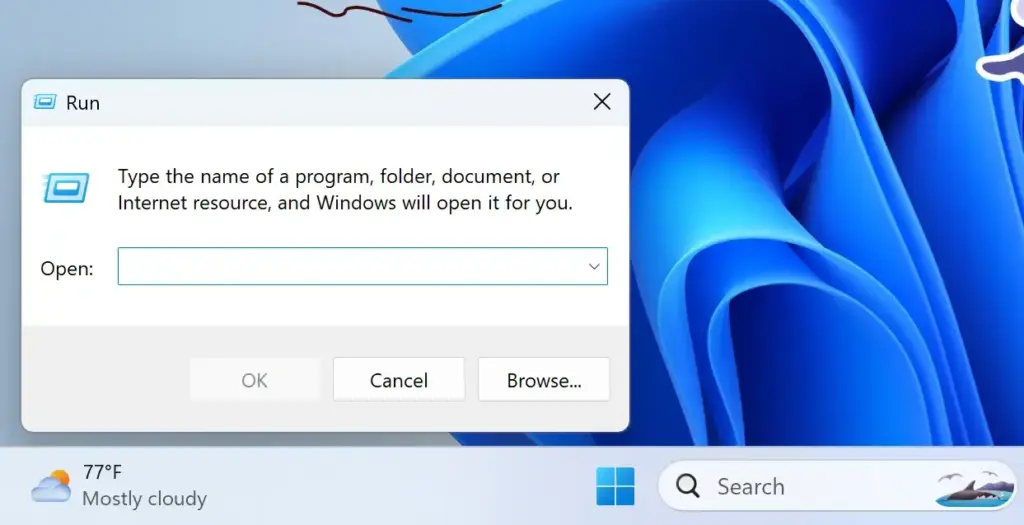
Run dialog - Type regedit and press Enter to open the Registry Editor. (Admin privileges required)
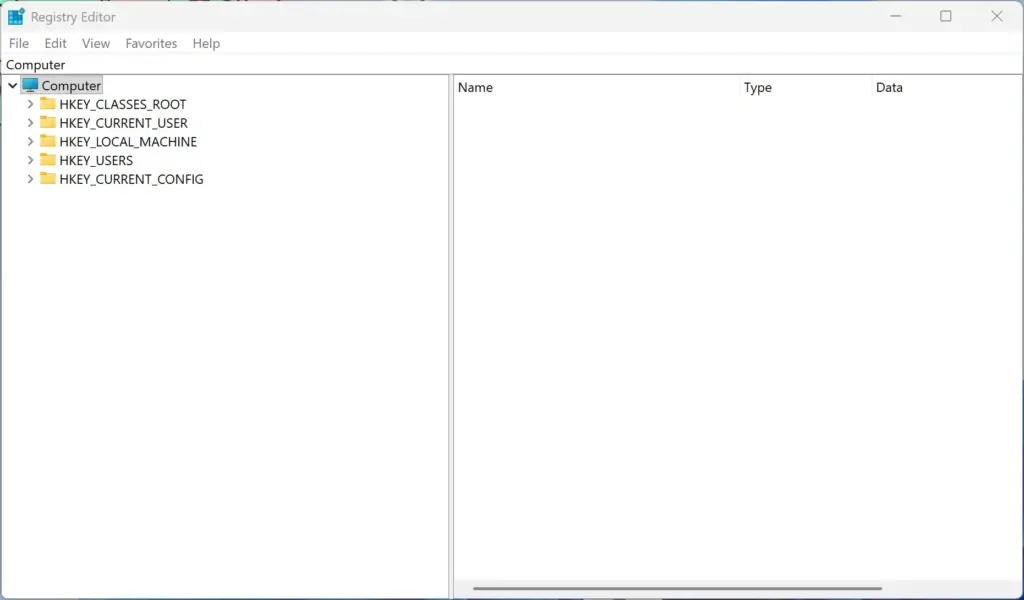
Registry Editor - In the window that opens, use the left sidebar to navigate through the folders.
- Click your way to the location where system policies are stored, which is located under the main software settings branch for your computer.
- Look for a subfolder named DataCollection. If it does not exist, right-click the parent folder, choose to create a new key, and name it DataCollection.
- Inside that folder, look for a value on the right side of the screen. If it is not there, right-click an empty space, create a new 32-bit value, and name it AllowTelemetry.
- Double-click that value and make sure the data number is set to 0. This tells Windows not to send optional diagnostic information.
How do you disable Windows telemetry with Group Policy?
You can disable Windows telemetry with Group Policy on Windows Pro and Enterprise editions by opening the Local Group Policy Editor and turning off data collection rules. This method gives you strong control over what your system shares, but it only works on certain versions of Windows.
Note: Administrative privileges are required to complete this task.
- Press the Windows Key + R on your keyboard.
- Type gpedit.msc and press Enter. (Admin privileges required)
- In the window that appears, use the left menu to browse through your computer configuration settings.
- Locate the administrative templates for Windows components, and then find the folder for data collection and preview builds.
- Look for the policy setting that controls telemetry data collection on the right side of the screen.
- Double-click that setting, choose the option to Disabled or set it to the lowest allowed data level, and click Apply.
What actually breaks when you disable Windows telemetry?
While blocking Windows telemetry sounds great for privacy, the block comes with a downside because Microsoft ties more than 20 helpful operating system features directly into these background data services. When you aggressively block all Windows telemetry, certain parts of your computer stop working as expected.
1Windows Update issues and delays
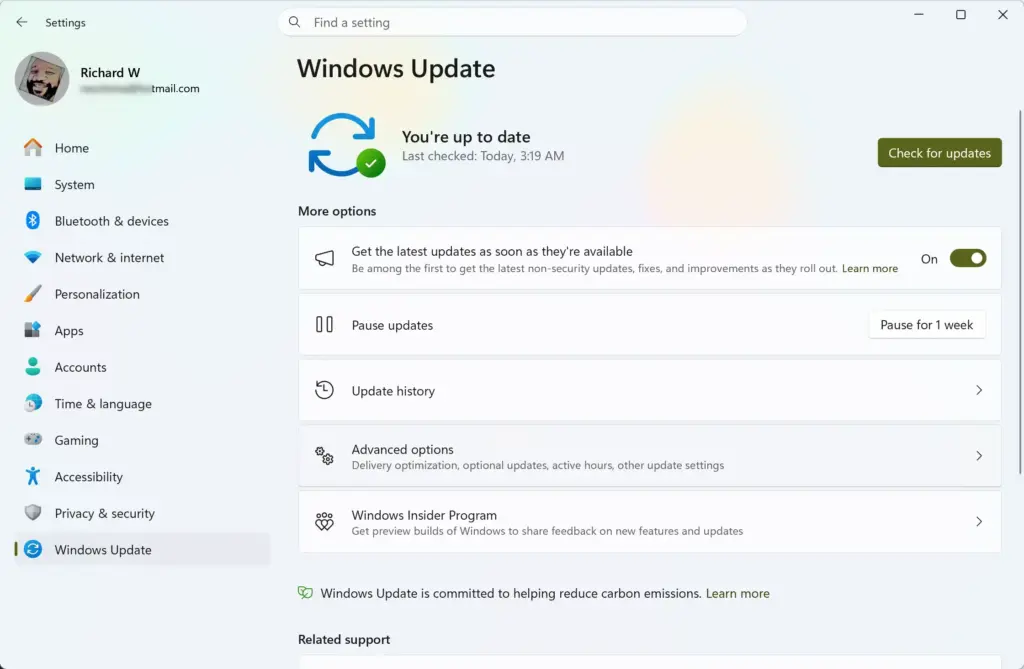
Windows Update issues and delays happen when you block telemetry because your computer cannot share its hardware state with Microsoft. Without this data, your system might get stuck in update loops or miss important security patches and monthly fixes.
2Built-in troubleshooting tools stop working
Built-in troubleshooting tools stop working when you turn off telemetry because they lose their connection to Microsoft servers and error report streams. Programs like the Get Help app need this data connection to pull fix scripts and solve common sound or internet problems.
3App crashes and feedback hubs lose functionality
App crashes and feedback hubs lose functionality when you disable telemetry because your computer stops sending error reports to developers. This privacy change prevents crash logs from leaving your device, which also stops the Feedback Hub app from working properly.
4Tailored tips and personalized recommendations disappear
Tailored tips and personalized recommendations disappear when you turn off telemetry because Windows loses track of how you use your machine. Your Start menu and settings app will look more generic and stop showing helpful shortcuts or suggestions based on your habits.
Advanced privacy risks: Even anonymized data can track you
Advanced privacy risks remain even with anonymized data because security researchers can easily track and re-identify users by combining multiple separate datasets. When a company gathers your hardware setup and browsing habits together, your identity can still be uncovered.
When companies gather your hardware configuration, your browsing habits, the exact times you turn your computer on and off, and the specific apps you open, these unique patterns create a digital fingerprint. Even without your name attached, this data fingerprint is unique enough to track you across the web and across different devices. Over 60% of privacy-conscious users willingly trade away these convenience features to block Windows telemetry entirely in Microsoft's 2024 survey.
Gaining performance back: Does disabling telemetry speed up your PC?
Disabling telemetry does not noticeably speed up your PC because telemetry tasks only use a tiny fraction of your computer's processing power and memory. While turning off background data collection helps with privacy, it will not turn a slow computer into a fast gaming machine.
If you are using a modern computer with a fast solid-state drive and plenty of memory, you will likely notice zero performance difference whether telemetry is on or off. However, if you are running an older, slower computer with limited system resources, stopping these constant background reporting tasks can free up slight amounts of processor cycles and network bandwidth. It will not perform miracles, but every little bit helps on aging hardware.
Summary
Windows telemetry collects background data to help Microsoft improve security, but turning it off can break features like Windows Update, built-in troubleshooters, and crash reporting. You should weigh your personal privacy goals against these potential system issues before changing your settings.
Was this guide helpful?

About the Author
Richard
Tech Writer, IT Professional
Richard is a writer at Geek Rewind who turns complex IT tasks into clear, step-by-step guides. He draws on years of hands-on experience in system administration and enterprise IT operations, focusing on Windows, Linux and WordPress: the problems people actually run into, and the fixes that work. His server and WordPress guides come from systems he runs himself. Richard builds and maintains the platform behind Geek Rewind, from its Ubuntu servers and Nginx configuration to its custom WordPress plugins. Many new tutorials start with readers' questions, and he's always glad to answer them in the comments.


No comments yet — be the first to share your thoughts!