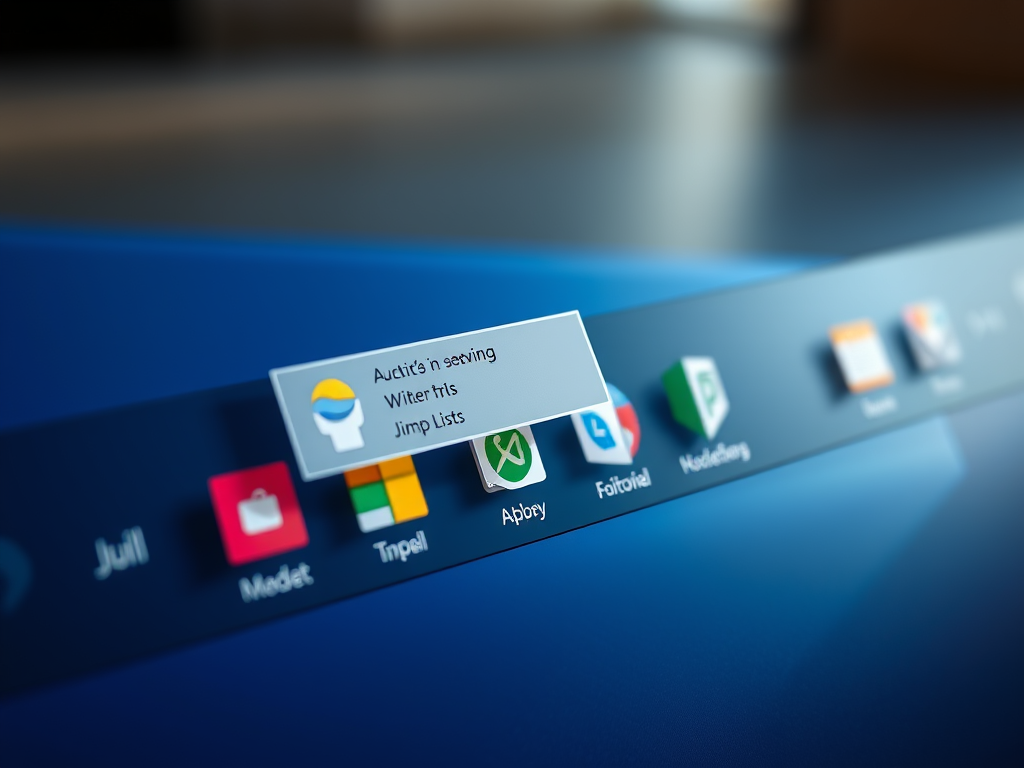
This summary discusses how to use the "Always on top" mode for the Calculator app in Windows 11. This mode allows the Calculator window to stay open above other windows, which can be toggled on and off using a highlighted button or a keyboard shortcut (Alt + Up/Down Arrow).
Windows 11
2,374 tutorials · page 127
This article provides instructions on how to adjust the text cursor thickness in Windows 11 for better visibility, through three different methods: using the Windows Settings app, the Control Panel app, and the Windows Registry Editor. Efforts include increasing the blink rate, turning on cursor indicator and adjusting cursor thickness.
The article explains how to manage user password changes in Windows 11. By default, all users can alter their passwords, but administrators can restrict this. This can be done through Local Users and Groups, where admins can check or uncheck the "User cannot change password" box. Alternatively, they can use the Windows Terminal with specific commands to allow or prevent password changes.
This article instructs how to list all available System restore points in Windows 11. System restore points, automatically created within a 24-hour period, can revert the computer to a previous good state. The article provides a step-by-step guide on finding system restore points via the Settings app, and an alternative method using Windows PowerShell or Command Prompt.
The article describes how to alter the "Respect power settings when indexing" feature in Windows 11 to extend battery life. This setting, found in the 'Privacy & security' section, can be toggled to respect power settings when indexing, which shuts down indexing during power-saving modes. The guide also includes instructions on how to use the Registry Editor to change this setting.
This article outlines the steps to allow or prevent users from changing the desktop background in Windows 11. Administrators can control this setting via the Local Group Policy Editor or the Registry Editor. Different options in these editors determine if users can or cannot modify their desktop backgrounds. Following these steps and a system restart activates the changes.
This article provides steps to add or remove the power button from the Windows 11 sign-in screen via local security policy or the Windows registry editor. The power button allows shutting down the computer without signing in. Settings can be changed in the Local Security Policy Editor or in the Registry Editor. A restart is required for changes to apply.
The article provides a step-by-step guide to locating and saving Windows Spotlight images in Windows 11, which are automatically downloaded to your computer from Microsoft servers. The process involves using the Windows Terminal app and Command Prompt to create a new folder, transfer the images, and convert them into JPEG.
The article provides a step-by-step guide on changing the default Linux distribution in the Windows Subsystem for Linux (WSL) on Windows 11. It explains how WSL allows running a GNU/Linux environment directly in Windows and says upon first installation, the first distro becomes the default. A method to change the default distro using specified commands is detailed.
The article guides on how to list all installed Windows Subsystem for Linux (WSL) distributions on Windows 11. It can be done through the File Explorer by opening the Linux folder, or through the Terminal using specific commands. Knowing the installed distributions is effective for developers using WSL.
The post details how to enable or disable the Variable Refresh Rate (VRR) in Windows 11, an option that allows VRR-capable monitors to adjust refresh rate based on image's frame rate. This feature, which reduces screen tearing in games and enables higher frame rates, can be toggled on or off via the Windows Settings app or the Windows Registry Editor, depending on system compatibility.
The article details the steps to enable or disable the use of security questions for local accounts in Windows 11. It highlights the benefits of such security questions, like added account safety and easy password recovery. The methods involved using the 'Local Group Policy Editor' or the 'Windows Registry Editor.' Disabling security questions implies utilizing alternative methods for account recovery.
The article provides a guide on creating desktop shortcuts in Windows 11. The shortcuts can point to files, folders, apps, or websites. Different methods include using the "New Item Shortcut Wizard," the "Send to" command in the context menu, dragging items from the start menu, or dragging and dropping web addresses directly onto the desktop. Deleting a shortcut doesn't eliminate the original file or folder.
The article outlines steps for initializing new disks in Windows 11. If a new disk doesn't appear in File Explorer, it may need a drive letter or initialization. Initializing a disk erases all data, preparing it for use. The guide provides step-by-step instructions for performing this action via the Windows Settings app, and also through the Windows Disk Management tool.
The article explains various ways to check system specifications on Windows 11, even without accompanying documentation. The methods listed are: checking the 'About' pane in the Settings app, using the 'System Information' tool, using Command Prompt with the 'systeminfo' command, or using Windows PowerShell with the 'Get-ComputerInfo' command. Users can find detailed information about installed hardware such as RAM, hard disk, and adapters.