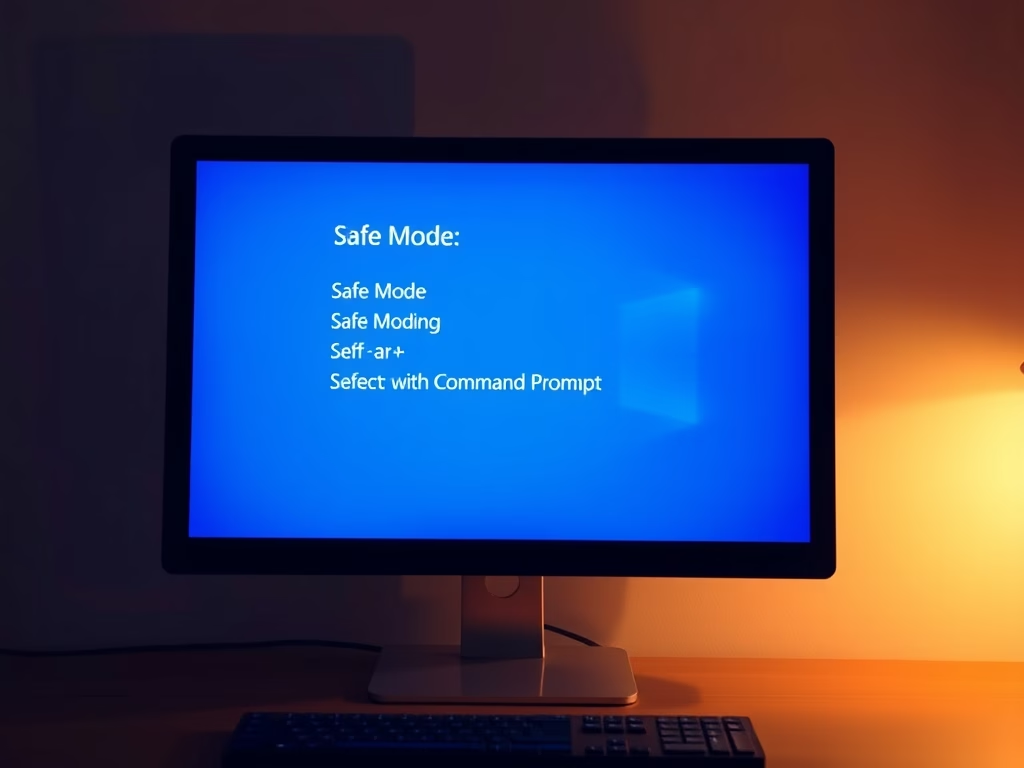
Windows 11 users experiencing freezes or crashes can troubleshoot issues by booting in Safe Mode, which loads essential files only. There are three types: standard Safe Mode, Safe Mode with Networking, and Safe Mode with Command Prompt. Various methods to enter Safe Mode include using Advanced Startup Settings, System Configuration, or Command Prompt.
This guide explains how to create and manage multiple virtual desktops in Windows 11, enabling better organization and multitasking. Users can easily add, switch, or close desktops using keyboard shortcuts or the Task View feature. Virtual desktops help separate work from leisure, optimizing productivity and maintaining an uncluttered workspace.
This guide explains how to manage window behavior on Windows 11 when unplugging a monitor. By default, windows from the disconnected monitor minimize, but users can change this setting to keep windows on the main screen. The adjustment can be made through Windows Settings or via the Registry for advanced users.
Windows 11 offers a feature that remembers window positions across multiple screens, allowing easy restoration after reconnecting monitors. Users can enable or disable this feature in Settings or through the Registry. This functionality aids in maintaining an organized workspace when managing multiple displays. For additional assistance, refer to Microsoft Support.
Driver updates in Windows 11 install software for hardware like graphics cards and printers through Windows Update, alongside the regular system patches. You can turn this on or off. Turn…
Windows 11 introduces a feature allowing users to share app windows directly from the taskbar during meetings, streamlining the process without switching apps. Users can easily enable or disable this feature through settings or the registry editor, manage sharing while presenting, and customize app permissions, enhancing productivity during online meetings.
This guide explains how to enable or disable text suggestions on a Windows 11 computer, which can accelerate typing by offering word recommendations. Users can manage these settings via the Settings app or, for advanced users, by modifying the Registry. Multilingual suggestions are also available if the main feature is activated.
This guide explains how to enable or disable the feature in Windows 11 that automatically reopens apps upon signing back in. Users can adjust this setting easily via the Settings app or through the Registry Editor. The feature also remembers open File Explorer tabs, providing a seamless workflow.
This guide explains how to manage Bluetooth connection notifications on Windows 11. Users can enable or disable these alerts through the Settings app or by editing the Registry. While notifications are enabled by default for user control, turning them off can reduce interruptions, but caution is advised for approving devices.
OneDrive, a free Windows 11 app, allows file saving and syncing online. If issues arise, users can uninstall and reinstall it via Settings. Uninstalling halts automatic startup and synchronization, but files remain intact. It’s recommended to back up important files beforehand. Reinstallation is straightforward through the official download page.
This guide explains how to add or remove the notification bell icon on the Windows 11 taskbar. Users can choose from three methods: using the Settings app for quick toggling, employing registry files for advanced users, or manually adjusting settings in the Registry Editor. Changes take effect immediately.
This guide explains how to hide drives in Windows 11's File Explorer from all users while maintaining their accessibility. Users can open hidden drives through various methods but require admin rights to make changes via the Registry Editor. Restarting File Explorer or the computer is necessary to apply the changes.
This guide provides instructions for customizing scrollbar sizes on Windows 11 by modifying settings in the Registry Editor. Users can adjust scrollbar height and width between -120 and -1500. Changes apply to certain Windows apps but not all modern ones. Restart Windows Explorer or the computer to apply the modifications.
This guide explains how to manage taskbar icons in Windows 11, including moving icons between the taskbar and the overflow menu. Users can customize icon visibility via drag-and-drop or through Settings. Advanced options in the registry are available, but the old "Always show all icons" feature may not function properly.
Reserved storage in Windows 11 sets aside about 7 GB of disk space for system updates, temporary files, and apps. This dedicated space ensures your PC has enough room to…