What Windows Fast Startup Actually Does

Fast Startup is a built-in Windows 10 and Windows 11 feature that helps your PC boot up faster after a shutdown by saving a snapshot of your system drivers and kernel to your hard drive. When you turn your computer back on, Windows loads that saved file straight into memory instead of starting everything from scratch.
Microsoft turns this shortcut on by default for most computers to cut down your wait time at the desktop. A normal shutdown closes everything and turns off the core system completely, but Fast Startup bypasses parts of that routine to speed up the process.
Windows Fast Startup is a built-in feature that speeds up boot times by saving a snapshot of your system kernel and drivers to the hiberfil.sys file during shutdown. Instead of a traditional cold boot, your computer loads this saved state back into memory when you press the power button.
How Does Fast Startup Work Step-by-Step?
Windows Fast Startup works step-by-step by saving a snapshot of your system kernel and loaded drivers into a hibernation file before your computer turns off. When you shut down, Windows logs out all users, closes open apps, and writes this core system state to your disk. When you press the power button again, Windows loads this saved file back into memory instantly instead of starting every single driver from scratch.
When you tell Windows to shut down, the following steps take place:
- Windows stops accepting new user input and closes all open applications that you were using.
- The operating system logs your user account out of the system.
- Instead of stopping the core operating system and device drivers, Windows puts them into a low-power hibernation state.
- The computer saves the system state, including loaded drivers and the Windows kernel, into a file named hiberfil.sys on your main drive.
- Windows sends a signal to your hardware to power down the machine.
When you press the power button the next time, the computer experiences what is called a quick resume:
- Your computer hardware powers on and loads the basic system instructions from your motherboard.
- Instead of searching for and loading every individual system driver from your storage drive, Windows reads the hiberfil.sys file directly into your computer memory.
- Because your core system state is already pre-loaded, Windows bypasses the time-consuming process of starting each driver from zero.
- Your lock screen or desktop appears much faster than it would during a traditional cold start.
The Windows Fast Startup speed boost only works when you perform a standard shutdown. If you choose the Restart option from your Start menu , Windows ignores Fast Startup entirely and performs a complete, traditional cold boot. This behavior explains why IT support professionals often tell you to restart your computer rather than shut it down when you are trying to fix a software glitch.
Fast Startup vs. Full Shutdown vs. Hibernation
Fast Startup is a hybrid feature that sits right between a full shutdown and hibernation by closing your personal apps like a normal shutdown while saving system files like hibernation. A full shutdown clears everything completely from your memory for a fresh start, whereas standard hibernation saves all your open documents and browser tabs so you can pick up right where you left off.
| Feature | Full Shutdown (Cold Boot) | Fast Startup | Hibernation |
|---|---|---|---|
| What happens to open apps? | Closed completely. | Closed completely. | Saved exactly as they are. |
| What happens to the kernel and drivers? | Unloaded completely. | Saved to a hibernation file. | Saved to a hibernation file. |
| Power consumption | Zero power (completely off). | Very low power (ready for wake signals). | Zero power (completely off). |
| Next boot speed | Slowest. | Fast. | Fastest (restores your exact work session). |
| User session saved? | No. | No. | Yes. |
Fast Startup is essentially a half-step between a full computer shutdown and hibernation. Fast Startup saves the system kernel like hibernation does, but Fast Startup clears your personal apps and user session like a full shutdown does. Fast Startup gives you the speed of hibernation without keeping your open web browser tabs and unsaved documents sitting in memory.
When to Use Windows Fast Startup (and When to Turn It Off)
You should use Windows Fast Startup when you want your PC to boot up significantly faster on a traditional hard drive or solid-state drive. However, you should turn it off if you run dual-boot operating systems or experience issues where pending Windows updates refuse to install correctly during normal restarts.
When Is Fast Startup Beneficial?
Fast Startup is most beneficial for computer users who rely on older mechanical hard drives that naturally take a long time to boot up. It also helps people who turn their computer on and off multiple times a day and want to get straight to work without waiting minutes for the desktop to load.
- You use a traditional mechanical hard drive: If your computer relies on an older spinning hard drive instead of a modern solid-state drive, Fast Startup provides a massive improvement in boot times.
- You want quick access to your PC: If you turn your computer on and off multiple times a day and hate waiting for it to boot, Fast Startup gets you to your desktop quickly.
- You do not use encrypted secondary drives: If your system is simple and straightforward, Fast Startup rarely causes any noticeable trouble.
When Is Fast Startup Problematic?
Fast Startup becomes problematic on computers that use dual-boot setups with multiple operating systems like Windows and Linux because it locks the shared drive partitions. This locking mechanism prevents other operating systems from reading or writing data safely, which often leads to storage errors and broken boot menus.
- Dual-boot and multi-boot systems: If your computer has more than one operating system installed—such as Windows and Linux—Fast Startup can lock your Windows partition. When this happens, other operating systems cannot safely read or write to the shared drives, which can break your dual-boot menu.
- Full system updates: Because Fast Startup prevents a true full shutdown, some major Windows updates and system repairs fail to apply correctly until you perform a manual restart.
- Hardware and driver changes: If you install new computer parts or update low-level system drivers, Fast Startup can sometimes load old driver states from the hiberfil.sys file, causing hardware conflicts or crashes.
- BIOS and UEFI access: On some motherboard configurations, Fast Startup makes your computer boot so fast that you cannot press the designated keyboard key to enter your BIOS or UEFI settings screen during startup.
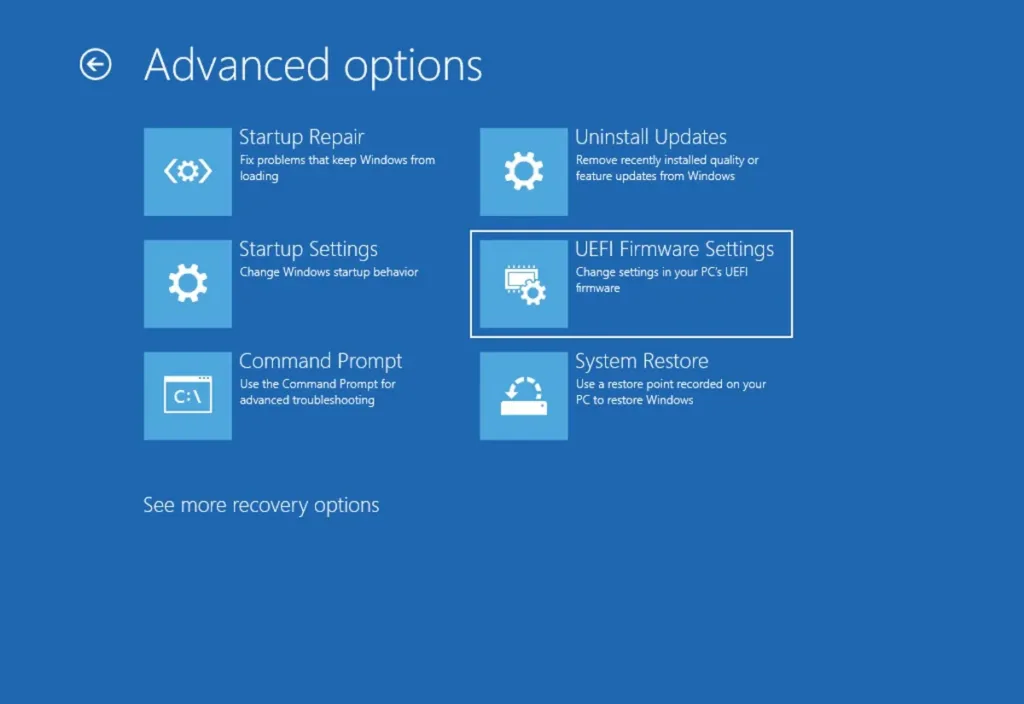
BIOS / UEFI - Full disk encryption: If you use third-party drive encryption software, Fast Startup can sometimes interfere with security protocols and prompt you for recovery keys unexpectedly.
The Hidden Impact of Fast Startup on System Maintenance
Because the system kernel and drivers stay loaded in a saved state, pending software updates and system repairs often fail to apply correctly until you force a complete restart.
With the Windows Fast Startup feature turned on, the core operating system kernel stays saved in memory instead of shutting down completely during a standard power-off cycle. Over several days or weeks of turning your computer on and off using Fast Startup, background system processes can gather old data and minor memory leaks inside that saved kernel state. This gathering of old data can slowly slow down your computer or cause random software problems.
If you rely exclusively on shutting down your computer with Fast Startup, your system might run sluggishly after a few weeks. The only way to clear this persistent kernel state without disabling the feature entirely is to remember to click Restart instead of Shut Down once a week, or to perform a manual full shutdown using the command prompt tricks we will cover later in this guide.
How to Enable or Disable Fast Startup in Windows
Enabling or disabling Fast Startup in Windows requires administrator privileges because the feature controls deep power management settings. You can easily turn this feature on or off to fix stubborn update errors, resolve strange system bugs, or speed up your daily boot times whenever you need to.
Make sure you are logged into an administrator account before following these steps.
Method Using the Control Panel Power Options
Managing Fast Startup through the traditional Control Panel power options is the most reliable way to change this setting without using advanced command tools. You simply need to open the power buttons configuration menu, unlock the administrator settings, and uncheck the box next to the fast startup option.
- Open your Start menu, type Control Panel, and press Enter.
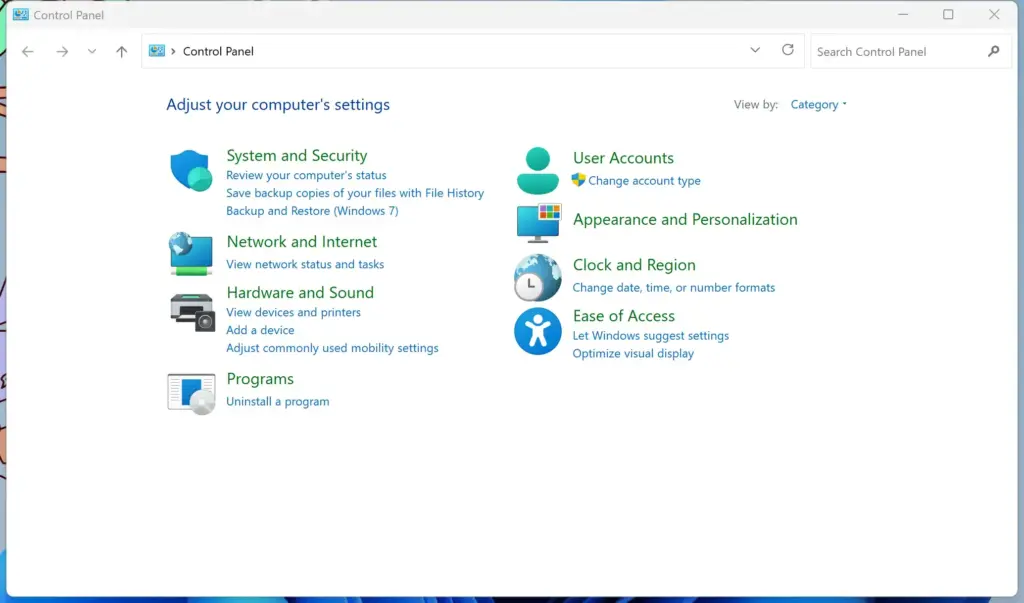
Control Panel - In the top right corner of the Control Panel window, set the View by dropdown menu to Large icons or Small icons.
- Click on the Power Options icon.
- In the left-hand column of the window, click the link that says Choose what the power buttons do.
- At the top of the new window, click the blue and yellow shield link that says Change settings that are currently unavailable. (This step requires administrator permission, and Windows may ask you to confirm your choice).
- Look at the bottom section of the window under Shutdown settings.
- To disable Fast Startup, uncheck the box next to Turn on fast startup (recommended). To enable it, check this box.
- Click the Save changes button at the bottom of the window.
If you do not see the Fast Startup option listed in your shutdown settings, it means that hibernation is disabled on your computer. Because Fast Startup relies on the hibernation file, Windows hides the option automatically if hibernation is turned off. To make the option appear, open the Command Prompt as an administrator, type powercfg /hibernate on, and press Enter.
Method Using Windows PowerShell
Using Windows PowerShell to manage Fast Startup lets advanced users turn the feature on or off quickly with a simple command line entry. You must run the terminal with administrator permissions and execute the specific command to change the hibernation power state on your computer.
- Right-click the Windows Start button and select Terminal (Admin) or PowerShell (Admin). (This step requires administrator privileges).
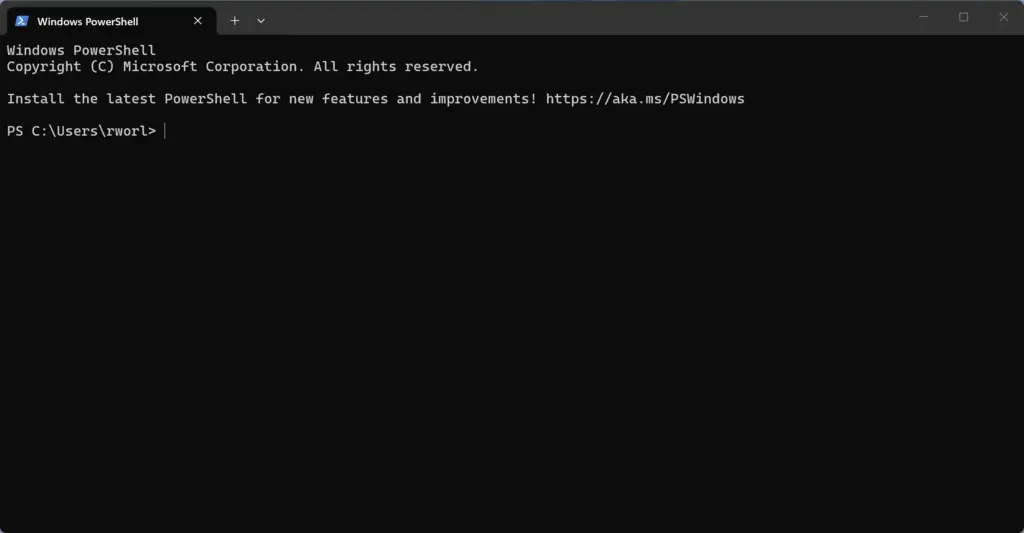
PowerShell - If a User Account Control prompt appears asking if you want to allow this app to make changes to your device, click Yes.
- To disable Fast Startup, type the following exact command and press Enter:PowerShell
Set-ItemProperty -Path "HKLM:\SYSTEM\CurrentControlSet\Control\Session Manager\Power" -Name HiberbootEnabled -Value 0 - To enable Fast Startup, type the following exact command and press Enter:PowerShell
Set-ItemProperty -Path "HKLM:\SYSTEM\CurrentControlSet\Control\Session Manager\Power" -Name HiberbootEnabled -Value 1
How to Perform a Full Shutdown with Fast Startup Enabled
Performing a full shutdown while keeping Fast Startup turned on for your normal routine is possible by using a few simple keyboard shortcuts or command tricks. You do not need to change your settings every time you want a clean reset; you can just hold down the Shift key while clicking shut down on your Start menu.
There are a few easy ways to force a full, traditional shutdown while keeping Fast Startup enabled for your normal button presses:
- The Shift-Click Method: Open your Start menu, click the Power icon, and then press and hold the Shift key on your keyboard while you click Shut Down. Windows will bypass Fast Startup and perform a complete cold shutdown for that specific instance.
- The Command Prompt Method: Open your Command Prompt or PowerShell window, type the command shutdown /s /f /t 0, and press Enter. This tells Windows to shut down immediately and force a full system close.
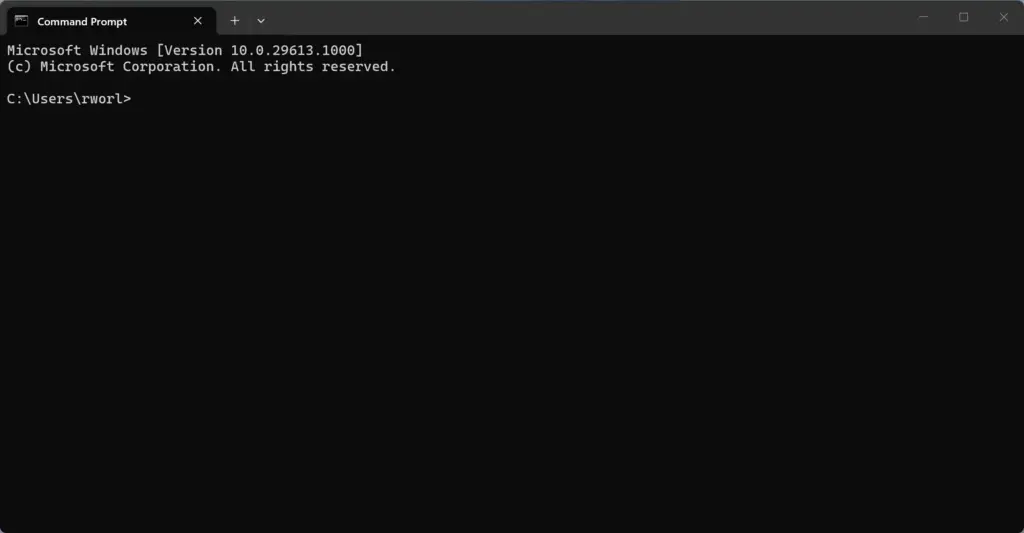
Command Prompt
Summary
Windows Fast Startup is a built-in power management feature that speeds up your computer boot time by saving core system files into a hibernation file during shutdown. While it helps your PC start much faster every day, it can occasionally cause update failures or conflicts with dual-boot setups that require a full shutdown to fix.
Was this guide helpful?

About the Author
Richard
Tech Writer, IT Professional
Richard is a writer at Geek Rewind who turns complex IT tasks into clear, step-by-step guides. He draws on years of hands-on experience in system administration and enterprise IT operations, focusing on Windows, Linux and WordPress: the problems people actually run into, and the fixes that work. His server and WordPress guides come from systems he runs himself. Richard builds and maintains the platform behind Geek Rewind, from its Ubuntu servers and Nginx configuration to its custom WordPress plugins. Many new tutorials start with readers' questions, and he's always glad to answer them in the comments.

No comments yet — be the first to share your thoughts!