What Breaks When You Disable Windows 11 Fast Startup

Fast Startup in Windows 11 saves system drivers to your hard drive during shutdown so your PC turns on faster the next time you press the power button. This feature combines a normal shutdown with hibernation to boot your computer in seconds rather than minutes.
Turning off Fast Startup forces Windows to perform a complete cold boot every time you shut down, closing all apps and drivers entirely for a fresh start. While your PC takes a bit longer to power on, a cold boot clears out stubborn glitches, helps updates install properly, and stops bugs from carrying over between sessions.
Disabling Windows 11 Fast Startup breaks nothing vital, but it increases your computer boot time by 10 to 30 seconds because your PC must perform a complete cold boot every time instead of loading a saved system snapshot. Your external devices may also take slightly longer to initialize.
The Main Disadvantage: What Breaks When You Turn Off Fast Startup?
Turning off Fast Startup does not actually break any core features or damage your computer. The main disadvantage when you disable Windows 11 Fast Startup is that your boot times increase by a few seconds because your PC performs a full cold shutdown every time instead of using a saved hibernation state.
First, turning off the Windows 11 Fast Startup feature changes your startup time. Your computer will no longer boot up in a few seconds. Instead, turning off the Windows 11 Fast Startup feature might take a little longer, sometimes an extra 10 to 30 seconds, depending on how fast your hard drive is. If you use a modern solid-state drive, the startup time difference is usually very small, but if you use an older mechanical hard drive, you will notice the extra wait time.
When you turn off the Windows 11 Fast Startup feature, your computer loses its ability to quickly resume system states that the computer saved during shutdown. Because every shutdown is now a fresh start, your personal computer has to load all drivers and system services from zero every time. While this sounds like a negative thing, turning off Fast Startup is actually a major benefit for system stability. Many background services that tend to freeze or break over time finally get a chance to completely reset.
When you turn off the Fast Startup feature in Windows 11 version 22H2, wake-up routines for certain external devices might change slightly. Some older USB devices, docking stations, or external monitors might take an extra 1 to 2 seconds to recognize your computer when your computer turns on because the drivers are initializing completely from scratch rather than waking up from a saved snapshot.
Why Most Users Should Actually Turn Fast Startup Off
You should turn Fast Startup off in Windows 11 if you want to fix stubborn update loops, random system bugs, and background errors. Because Fast Startup prevents your computer from performing a true shutdown, disabling it clears temporary system memory and gives you a much more stable PC over time.
- Fixes Update Loops: Many Windows updates require a full shutdown to apply properly. Because Fast Startup saves a hybrid state, some updates fail to install or get stuck in endless loops. Turning off Fast Startup lets updates apply cleanly.
- Stops Not Properly Shutdown Errors: If you check your system reliability history and see frequent warnings that your computer was not shut down properly even though you turned it off safely, Fast Startup is usually the cause. The system gets confused by the hybrid shutdown file.
- Clears System Memory Leaks: Over a few days of use, background apps and drivers can hold onto computer memory even after you close them. Fast Startup keeps the core running, meaning those memory leaks stick around. A true cold boot clears everything out, giving your PC a fresh start every day.
- Resolves Dual-Boot Problems: If you run more than one operating system on your computer, such as Windows and Linux, Fast Startup locks your main hard drive partition. This prevents your other operating system from accessing files properly and can cause disk errors.
How to Disable Fast Startup in 🪟 Windows 11 Step by Step
Disabling Fast Startup in Windows 11 requires you to open the Control Panel, access your power button settings, and uncheck the feature. You must have administrator rights to unlock these settings and make sure your computer performs a full shutdown every time you turn it off.
- Click the Windows Start button on your taskbar.
- Type Control Panel into the search box and press Enter.
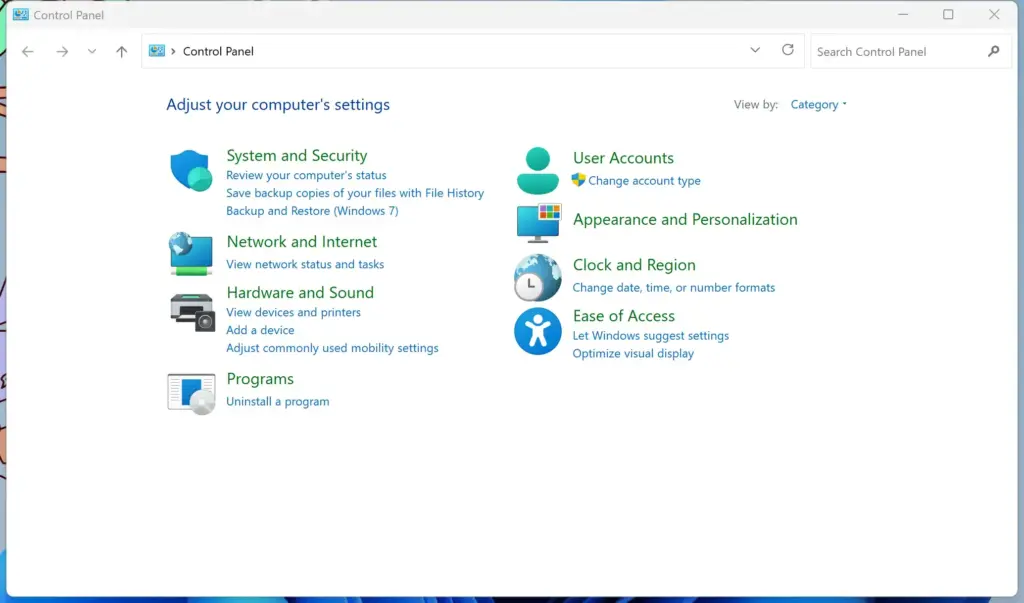
Control Panel - In the top right corner of the Control Panel window, look for the View by menu and change it from Category to Large icons or Small icons.
- Click on the Power Options icon.
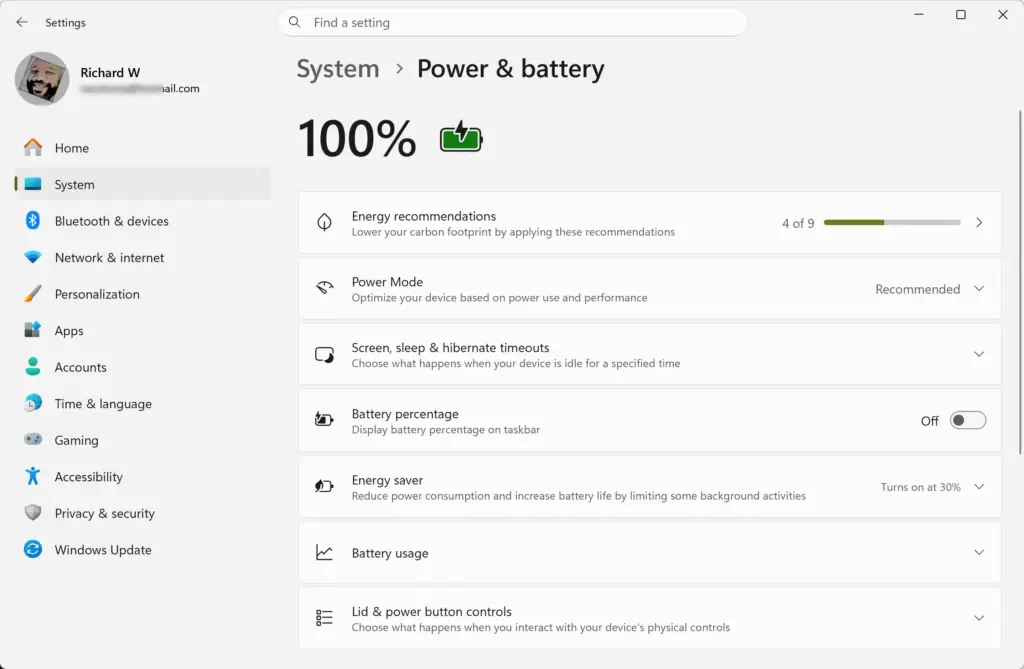
Settings › System › Power - On the left-hand side of the window, click the link that says Choose what the power buttons do.
- You will see the shutdown settings at the bottom of the window, but they will likely be grayed out and unclickable. To fix this, click the link at the top that says Change settings that are currently unavailable. (Note: This step requires administrator privileges. Windows will ask you to confirm your choice.)
- Look at the bottom of the window under the Shutdown settings section. Find the box next to Turn on fast startup recommended and click it to uncheck it.
- Click the Save changes button at the bottom of the window.
Once you complete these steps, your computer will perform a full, clean shutdown every time you choose to turn it off.
Hidden Angles: Dual-Boot Conflicts and Battery Wear
Fast Startup causes major conflicts if you run a dual-boot setup with Linux or experience strange battery drain on your laptop. Because Windows locks your hard drive in a hybrid shutdown state, it often blocks access to your other operating system files and prevents your computer from sleeping properly.
If you share your computer with a second operating system like Linux alongside Windows 11, the Windows Fast Startup setting acts like a digital deadbolt. When Windows shuts down with Fast Startup turned on, Fast Startup places your hard drive into a state called hibernation lock. When you boot into your second operating system, the second operating system tries to read the Windows drive and sees the Windows drive as unsafe to mount because the second operating system thinks Windows is still running in the background. This often leads to corrupted files or read-only errors. Turning off Fast Startup completely eliminates this conflict, letting different operating systems share drive space safely.
Laptop battery performance and power management suffer when Fast Startup is active because system drivers sometimes fail to unload power management profiles correctly. This driver failure causes your laptop to draw small amounts of power while supposedly shut down, leading to unexpected battery drain overnight. A complete shutdown ensures all power states reset, keeping your laptop battery cooler and healthier over the long term.
Troubleshooting: What If the Fast Startup Option Is Missing?
The Fast Startup option is missing in Windows 11 when hibernation is disabled on your system. Since Fast Startup relies on hibernation files to save your system state, you have to turn hibernation back on using the Command Prompt before the checkbox will show up in your power settings.
To make the Fast Startup option appear again, you need to turn hibernation back on. (Note: The following step requires administrator privileges.)
- Click the Windows Start button.
- Type Command Prompt into the search bar.
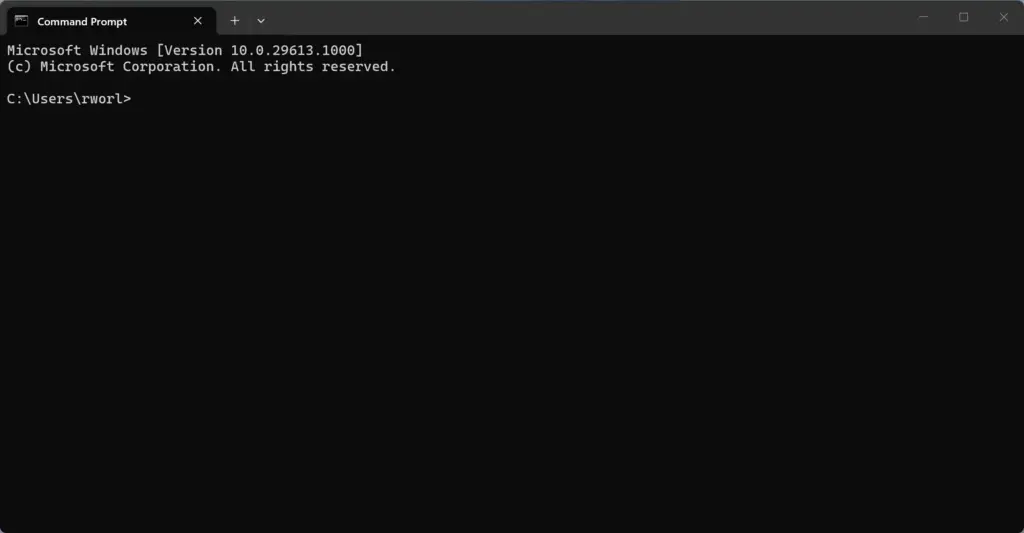
Command Prompt - Right-click on Command Prompt in the search results and choose Run as administrator.
- Type this command into the terminal:
powercfg /hibernate on - Press the Enter key on your keyboard.
- Close the command window.
After you run this command, go back to the Control Panel, navigate to Power Options, and follow the steps in the previous section. The Fast Startup option will now be visible, allowing you to uncheck it.
Summary
Windows 11 Fast Startup helps your PC boot up faster by saving a system snapshot when you shut down, but it frequently causes update loops and glitches. Turning off Fast Startup forces a complete cold boot every time, trading a few seconds of startup speed for better overall system stability.
Was this guide helpful?

About the Author
Richard
Tech Writer, IT Professional
Richard is a writer at Geek Rewind who turns complex IT tasks into clear, step-by-step guides. He draws on years of hands-on experience in system administration and enterprise IT operations, focusing on Windows, Linux and WordPress: the problems people actually run into, and the fixes that work. His server and WordPress guides come from systems he runs himself. Richard builds and maintains the platform behind Geek Rewind, from its Ubuntu servers and Nginx configuration to its custom WordPress plugins. Many new tutorials start with readers' questions, and he's always glad to answer them in the comments.




No comments yet — be the first to share your thoughts!