What Windows 11 Recommendations and offers actually collects and sends to Microsoft
Recommendations and offers in Windows 11 track your apps, hardware, and browsing history to show you tips and promotions in the Start menu ⊞ and Settings. Telemetry (data sent to Microsoft about how you use your computer) comes in two kinds. Required diagnostic data keeps the system secure and up to date. Optional data is extra, and you can turn it off. You can stop Microsoft from collecting that extra usage data by changing your privacy settings after setup, and you can change them again at any time.
Advertisement
Every toggle in this guide lives in the Settings ⚙️ app, and none of them needs a restart. Changes take effect as soon as you flip the switch. To undo any of them, go back to the same page and switch the toggle on again.
⚡ Quick Answer
Windows 11 Recommendations and Offers collects your app usage, installed software inventory, hardware details, web browsing history in Microsoft Edge, connected device names and drivers, and your default application choices. Required diagnostic data about crashes and Windows updates cannot be disabled, but optional data collection can be turned off in Settings›Privacy & security›Diagnostics & feedback by toggling Send optional diagnostic data to Off.
Advertisement
Required Data Collected by 🪟 Windows 11
📝Good to KnowRequired diagnostic data is the basic hardware and system information Microsoft gathers to keep your computer running, up to date, and protected against threats.
You cannot opt out of it through the normal Settings interface. It sends essential details about your device model and internal components directly to Microsoft servers.
This data includes basic hardware and system details:
The model of the device running Windows and its internal hardware components.
Diagnostic data recorded when catastrophic system failures or crashes occur.
Basic error reporting data, such as whether a Windows update 🔃 applied successfully and whether core operating system components function as intended.
The specific version and build of Windows you are running, alongside any optional installations or system packages applied.
An inventory of all installed applications, drivers, and active services.
Home and Pro editions both send this required data. Only managed Enterprise and Education devices can be configured to send less, and that is done through administrator policy rather than a toggle. On a Home or Pro PC, the lowest setting you can reach is required diagnostic data only.
Required telemetry cannot be disabled with a toggle switch. Everything categorized as optional diagnostics and tailored experiences can be turned off.
Advertisement
Optional Data Collected
Certain Windows 11 apps and services need specific data to work, but you can disable those apps and services themselves. The sections below cover each optional data point Windows 11 collects and how to opt out of it.
Most of them use the same page: Settings›Privacy & security›Diagnostics & feedback. Some toggles sit inside sections you have to expand first. If a switch looks greyed out, it often depends on another switch, or your device is managed by an organization.
Browsing History
Windows 11 tracks your web browsing activity, including the websites you visit and the search terms you type into Microsoft Edge. It uses this to influence search relevance and targeted advertising. Changing the privacy settings below stops Microsoft from storing this browser data.
To disable this tracking:
Advertisement
Open Settings.
Click Privacy & security.
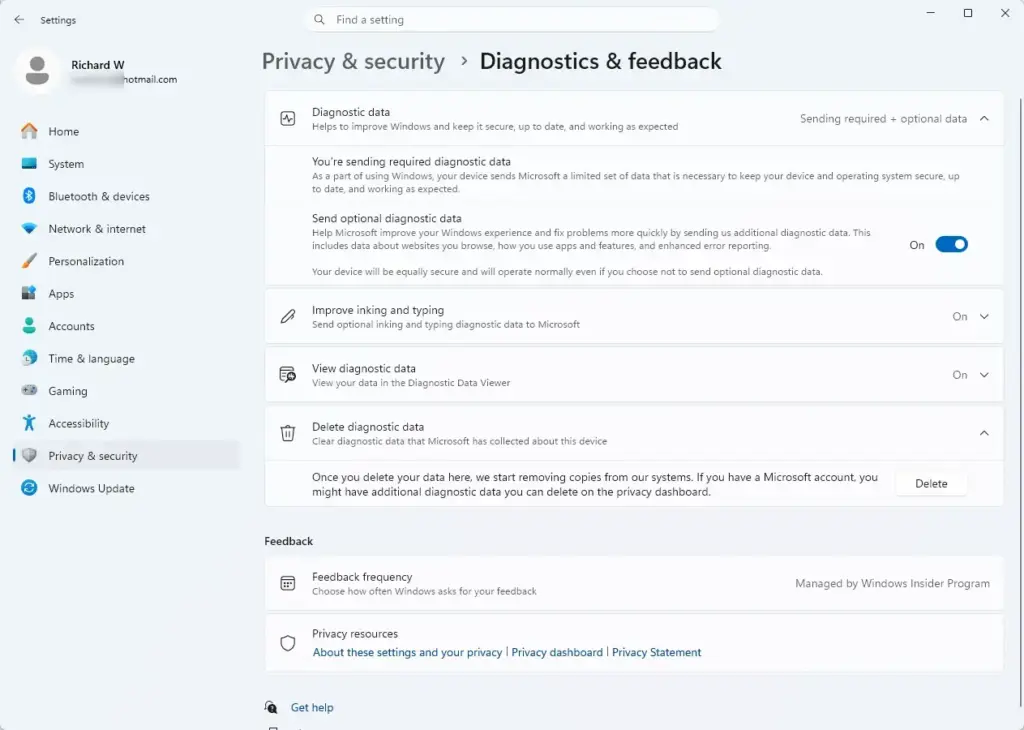
Select Diagnostics & feedback. You should see a list of diagnostic options, each with its own toggle.
Toggle Send optional diagnostic data to Off. The switch should now read Off.
Edge also keeps its own privacy settings inside the browser, so review those too if you want to limit what Edge itself stores.
Connected Devices
Connected devices data collection lets Microsoft gather detailed information about your computer hardware and the peripherals plugged into it, such as webcams, printers, and storage drives. Windows captures device names and driver versions alongside your error reporting data to track hardware compatibility.
Windows 11 can capture device names, driver versions, driver states, Wi-Fi details, available local networks, and configuration profiles. It can also gather information on the way you use Windows 11, including your default application choices.
To turn off connected device tracking:
Advertisement
Open Settings.
Click Privacy & security.
Select Diagnostics & feedback.
Toggle Send optional diagnostic data to Off.
This is the same switch used in the previous section, so if you already turned it off, nothing more is needed. The required data about your hardware and drivers still goes to Microsoft.
Inking and Typing
⚠️WarningInking and typing data collection means Windows 11 gathers anonymized samples of your typed words, voice dictation, and handwritten notes.
This is meant to improve speech and handwriting recognition accuracy. The operating system records input from your physical keyboard, virtual keyboard, and touch screen to train its transcription features.
Microsoft uses this data to improve voice recognition and handwriting accuracy. To disable it:
Open Settings.
Click Privacy & security.
Select Diagnostics & feedback.
Toggle Improve inking and typing to Off. The switch should now read Off.
Dictation and handwriting still work with this off. Recognition just won't be tuned with samples from your input.
Advertisement
Product and Service Performance
Product and service performance telemetry measures the health and speed of your device, operating system, applications, and drivers through automated data collection. Microsoft strips direct personal identifiers from this information, but the system still records metrics such as feature response times and hardware reliability.
This data includes metrics such as how quickly system features respond to your voice commands, or how long facial recognition takes to start up and finish its security calculations. It is also used for tailored experiences, including recommending settings changes to optimize battery life or suggesting a cloud storage provider if your device runs low on storage space.
To turn this telemetry off:
Open Settings.
Click Privacy & security.
Select Diagnostics & feedback.
Toggle both Send optional diagnostic data and Tailored experiences to Off.
On some builds, Tailored experiences is greyed out or switches itself off once optional diagnostic data is off, because it depends on that data. If that happens, you are already covered.
Advertisement
Product and Service Usage
Product and service usage tracking records which applications you open, which programs are running when errors happen, and whether you turn off specific help features. Microsoft uses this partially anonymized telemetry to measure feature adoption and build tailored experiences that suggest new settings.
This data is mainly used for tailored experiences, where Windows suggests that you enable settings you might have disabled. It is also used to suggest alternative Microsoft and third-party applications based on your most frequently used programs.
To turn off product and service usage tracking:
Open Settings.
Click Privacy & security.
Select Diagnostics & feedback.
Toggle both Send optional diagnostic data and Tailored experiences to Off.
You will keep seeing some generic tips in Windows. Turning these switches off stops them from being based on your usage. The settings in the recommendations section further down hide the tips themselves.
Advertisement
Software Setup and Inventory
Software setup and inventory collection gathers details about the applications running on your PC, active anti-malware programs, driver updates, and your installed Microsoft Store apps. Windows uses this inventory to track update schedules and to recommend comparable apps based on the programs you use most.
The tailored experiences feature uses this inventory data to recommend comparable apps to the ones you use most often. To disable this data collection:
Open Settings.
Click Privacy & security.
Select Diagnostics & feedback.
Toggle both Send optional diagnostic data and Tailored experiences to Off.
A basic inventory of installed apps and drivers is part of the required data listed earlier. Windows Update needs it to decide which updates apply to your PC, so it keeps being sent.
Location Tracking
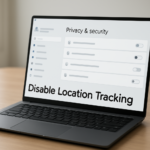
Location tracking lets Windows 11 work out where you physically are. It is used for the Find My Device feature, localized weather forecasts, and more relevant search results. Third-party applications can also read your geographic coordinates if you grant them permission in the system privacy settings.
To turn off location tracking completely:
Open Settings.
Click Privacy & security.
Select Location. You should see the master switch and a list of apps that have asked for your location.
Toggle Location services to Off. Alternatively, disable location for individual apps using the app list on that same page.
If you only want to block certain apps, leave Location services on and switch off the apps you don't trust. Weather and maps will be less accurate without location, and apps that rely on it may ask you to turn it back on.
How to View What Data 🪟 Windows 11 Is Collecting on You
To see what Windows 11 is collecting, turn on diagnostic data viewing in Settings and install the free Diagnostic Data Viewer app from the Microsoft Store. The app gives you an itemized report of the diagnostic data your computer sends to Microsoft.
To inspect your tracked telemetry:
Open Settings.
Click Privacy & security.
Select Diagnostics & feedback.
Toggle View diagnostic data to On. The section should expand with an option to open the viewer.
When prompted, go to the Microsoft Store and install the Diagnostic Data Viewer app. You will need around 1GB of free storage space for the diagnostic logs. Once installed, you can browse the telemetry Windows 11 has recently collected on your device and see which applications are sending the most data back to Microsoft servers.
The viewer only holds data while this toggle is on. If you no longer need it, switch View diagnostic data back to Off and the disk space is released.
Advanced Privacy Opt-Outs for Recommendations and Offers
The recommendations and offers opt-outs are separate switches in Windows 11. They control the marketing notifications and third-party suggestions that appear in the Start menu, File Explorer, and the Settings app. Turning them off stops Microsoft from analyzing your behavior to deliver targeted promotional content.
To disable personalized offers and system recommendations:
Open Settings.
Click Privacy & security.
Select General. You should see a short list of toggles.
Toggle off options including "Let apps show me personalized ads by using my advertising ID" and "Show me suggested content in the Settings app".
Also turn off "Get tips, suggestions, and ways to get the most out of Windows". On many current builds this switch is not on the General page. Look under System›Notifications›Additional settings instead.
Exact wording and placement can differ slightly between Windows 11 versions, so match by meaning if a label is a little different.
To clear out unwanted promotions from the Start menu:
Open Settings.
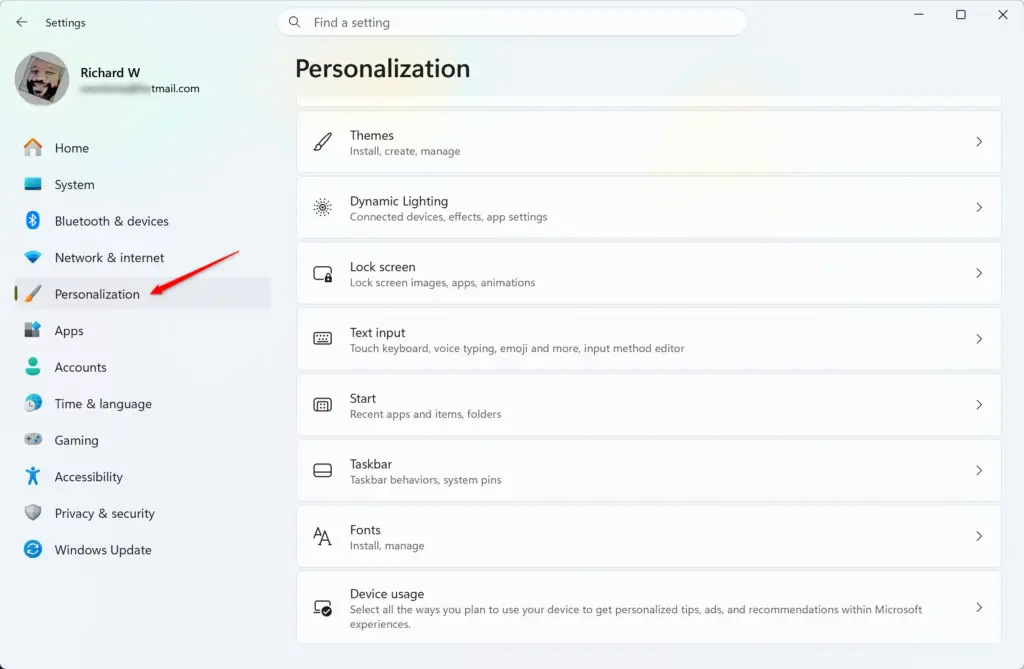
Click Personalization. Settings › Personalization
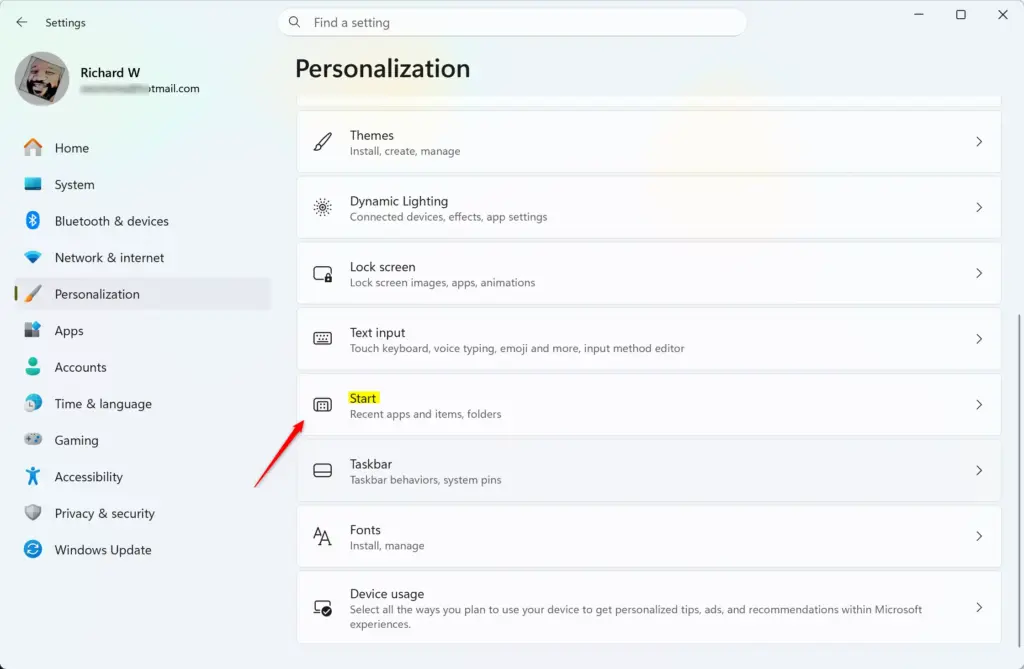
Select Start. Settings › Personalization › Start
Toggle off "Show recommendations for tips, shortcuts, new apps, and more". The Recommended area of the Start menu should lose the promotional entries.
The Recommended section itself stays in the Start menu. Only the tips and app suggestions go away.
Checking Advertising ID and Behavioral Tracking
Your advertising ID is a unique alphanumeric code that Microsoft and app developers use to monitor your app usage across different programs. Advertisers rely on it to build a behavioral profile and serve targeted promotional offers to your account. Checking and switching it off is worth doing on any new install.
To block apps from accessing your advertising ID:
Open Settings.
Click Privacy & security.
Select General.
Toggle "Let apps use my advertising ID for experiences across apps" to Off. On newer builds this switch is labeled "Let apps show me personalized ads by using my advertising ID".
Disabling this does not stop ads from appearing inside free apps downloaded from the Microsoft Store. It does stop those ad networks from personalizing ads based on your hardware usage history and app interactions. You will still see ads, but they will be less targeted. Switching the toggle back on later creates a new advertising ID rather than restoring the old one.
Was this guide helpful?
📬 Get new Windows tips in your inbox
One email when we publish something worth your time. No spam, unsubscribe anytime.
Richard is a writer at Geek Rewind who turns complex IT tasks into clear, step-by-step guides. He draws on years of hands-on experience in system administration and enterprise IT operations, focusing on Windows, Linux and WordPress: the problems people actually run into, and the fixes that work.
His server and WordPress guides come from systems he runs himself. Richard builds and maintains the platform behind Geek Rewind, from its Ubuntu servers and Nginx configuration to its custom WordPress plugins.
Many new tutorials start with readers' questions, and he's always glad to answer them in the comments.
One email when we publish a guide worth your time — new Windows features, the fixes that actually
work, and a heads-up when Microsoft breaks something. Unsubscribe in one click.
📬 Get new Windows tips in your inbox
One email when we publish something worth your time. No spam, unsubscribe anytime.



No comments yet — be the first to share your thoughts!