What Breaks When You Uninstall Microsoft Edge Completely

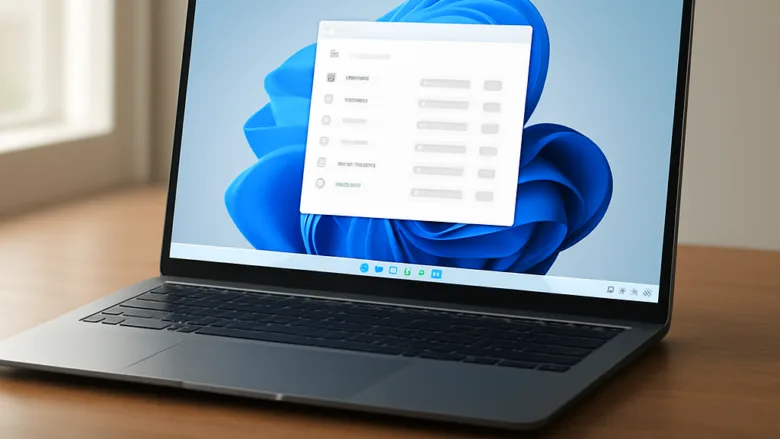
Uninstalling Microsoft Edge completely breaks specific core Windows features like taskbar widgets, web search results in the Start menu , and help links because Windows treats the browser as a protected system component. Windows 11 and Windows 10 rely on Edge for background system tasks and rendering web content across the operating system.
Forcing the browser off your PC stops web links in system help menus from opening and often causes future system patches or updates to automatically reinstall Edge anyway.
Uninstalling Microsoft Edge completely breaks several core Windows features that rely on its built-in web engine, including the taskbar widget board, online web results in taskbar searches, built-in help and support links in settings menus, and all installed progressive web apps that run as standalone programs.
Understanding Microsoft Edge’s Role in Windows
Microsoft Edge is deeply built into Windows because the operating system uses the browser’s core engine to power everyday features. Windows relies on this built-in software to render web pages, show login screens, and display modern menus across many different apps and tools on your computer.
Your computer relies on Edge components behind the scenes when you use taskbar widgets, open certain system menus, or view help files. Microsoft designed the operating system so that web-based tools and native Windows apps share resources. Ripping the browser out by its roots leaves empty spaces where these system features expect to find core files.
What Breaks Immediately When You Remove Edge
If you manage to bypass the system blocks and forcefully uninstall Microsoft Edge, you will quickly notice that several built-in Windows features stop working. Here are the main things that break:
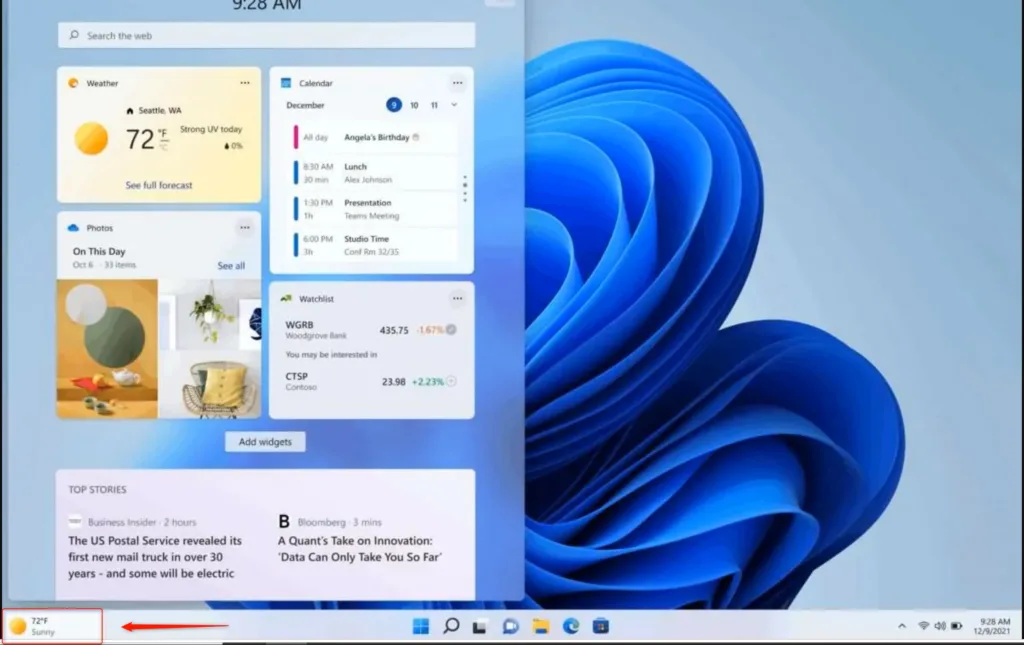
1Windows Widgets and News Feeds
Windows widgets and news feeds stop working properly if you completely remove Microsoft Edge from your system. The weather panels, sports scores, and news feeds on your taskbar rely on the browser’s rendering engine to display information, meaning clicking them will result in blank screens or error messages.

2Search Results from the Taskbar
Taskbar web searches break completely after you uninstall Microsoft Edge from your computer. When you type a search into the Windows taskbar, it normally shows online results and quick answers using the browser, so removing Edge causes these web search suggestions to crash or do nothing.
3Built-In Help and Support Links
Built-in help links in Windows fail to open when you remove Microsoft Edge because the operating system expects the browser to handle web addresses. Clicking a learn more link inside a settings menu triggers an error message since Windows cannot find a default program to open the troubleshooting guide.
4Progressive Web Apps (PWAs)
Progressive Web Apps stop launching entirely if you delete Microsoft Edge from your system. These website-based desktop apps and streaming tools actually run inside a hidden instance of the browser, so removing Edge means every single web app you installed will no longer work.
The Hidden Impact on System Updates
Windows system updates often fail or run into errors if you completely remove Microsoft Edge from your computer. Many routine updates include system components that depend on the browser, and the update process checks for these core applications before installing new security files.
When Windows runs a monthly security update, the operating system checks for the presence of core applications like Microsoft Edge. If the system update detects that Microsoft Edge is missing from your computer, the update may fail to install properly, display an error code, or automatically reinstall the browser during the update process. This means that even if you successfully remove Microsoft Edge today, a routine Windows update could bring the browser right back to your computer tomorrow, frustrating your efforts to keep your system clean.
Alternative Ways to Stop Edge Without Breaking Windows
Tame Microsoft Edge through its settings instead of running risky uninstallation scripts. Neutralizing the browser stops it from running in the background without using risky command-line scripts that break Windows stability.
Instead of risking system instability by ripping the browser out, you can neutralize Edge so it stops running in the background and using your resources. Here are the safest and most effective ways to tame Microsoft Edge without breaking Windows:
Stop Edge from Running in the Background
Stopping Microsoft Edge from running in the background prevents the browser from slowing down your computer and using extra memory. You can turn off startup boost and background extensions through the Microsoft Edge browser settings so the app stays closed when you are not using it.
- Open Microsoft Edge normally.
- Click the three dots in the top-right corner to open the menu.
- Select Settings from the list.
- Click on System and performance in the left-hand menu.
- Look for the setting called Startup boost and turn it off. This stops Edge from running in the background before you even open it.
- Look for the setting called Continue running background extensions and apps when Microsoft Edge is closed and turn it off as well.
By changing these two settings, Edge will completely shut down the moment you close your browser window. It will no longer consume your memory or processor power while you are playing games, working in other programs, or resting your computer.
Change Your Default Web Browser
Changing your default web browser in Windows stops the operating system from forcing Microsoft Edge on you for web links. You can set Google Chrome, Mozilla Firefox, or another preferred browser as your main choice through the Windows settings menu.
- Click the Windows Start button and open Settings.
- Click on Apps in the left menu, then select Default apps.
- Scroll down the list of apps or type the name of your preferred browser into the search box.
- Click on your preferred browser.
- Click the button that says Set default at the top of the app details page.
This ensures that all web links, email links, and internet shortcuts open in your favorite browser instead of Microsoft Edge.
Summary
Completely uninstalling Microsoft Edge causes more problems than it solves because the browser is deeply tied to the Windows operating system. Forcing Edge off your computer breaks important features like taskbar search, desktop widgets, help links, web apps, and routine system updates.
```
Was this guide helpful?

About the Author
Richard
Tech Writer, IT Professional
Richard is a writer at Geek Rewind who turns complex IT tasks into clear, step-by-step guides. He draws on years of hands-on experience in system administration and enterprise IT operations, focusing on Windows, Linux and WordPress: the problems people actually run into, and the fixes that work. His server and WordPress guides come from systems he runs himself. Richard builds and maintains the platform behind Geek Rewind, from its Ubuntu servers and Nginx configuration to its custom WordPress plugins. Many new tutorials start with readers' questions, and he's always glad to answer them in the comments.


No comments yet — be the first to share your thoughts!