What Breaks When You Remove Speech Recognition Packages in Windows 11

Speech recognition packages in Windows 11 are built-in system files that let you type with your voice, control your PC hands-free, and work alongside accessibility tools. Removing the legacy speech files breaks the old Windows Speech Recognition tool and some older apps and games that depend on it. The newer built-in tools, such as Voice Typing and Voice Access, are separate features and are much less affected.
Windows 11 splits speech tools into standalone packages that you can find and remove in your system settings, which can free up to 300 megabytes of disk space. That is a small saving on most drives, so check what depends on these files before you remove them. This guide covers what stops working, what keeps working, and how to check your settings first.
Removing speech recognition packages in Windows 11 breaks the legacy Windows Speech Recognition tool, traditional voice commands like “Open Microsoft Edge,” dictation in older desktop apps, and third-party voice control software that relies on the Windows speech engine. Newer tools like Voice Typing and Voice Access remain unaffected because they use separate packages.
What Is Windows Speech Recognition and Why Is It Changing?
Windows Speech Recognition is an older built-in tool that lets you control your computer entirely by voice. You can open apps, browse the web, and dictate text with it. It has been part of Windows since Vista, and it still ships in Windows 11 as a legacy feature.
Microsoft is moving away from it because the newer tools, Voice Typing and Voice Access, handle dictation and hands-free control faster and more reliably.
Over time, Microsoft built two newer tools to replace the old one:
- Voice Typing lets you speak text into any text box. It uses modern cloud technology, so it needs an internet connection.
- Voice Access gives you full computer control, similar to the old speech recognition tool, but with a better design and more reliable commands. It is available in Windows 11 version 22H2 and later.
Because these tools work better, Microsoft has started removing the legacy Windows Speech Recognition packages from Windows 11. If you are on an older build, your menus may look slightly different from what this guide describes.
What Breaks When You Remove Speech Recognition Packages?
The original speech tool stops responding to commands like "Open Microsoft Edge" or "Click File". The modern voice features are separate and stay available. Here is what to expect, item by item.
- Traditional Voice Commands and Navigation: The original Windows Speech Recognition tool let you say commands like "Open Microsoft Edge" or "Click File". Once the underlying speech packages are gone, these commands stop working immediately. If you try to open the old setup wizard or the microphone training tools, Windows shows an error message or fails to open them at all.
- Legacy Dictation Tools in Older Apps: Modern Windows 11 apps use updated typing systems, but older desktop programs relied heavily on the core speech library. Without the speech packages, dictation inside legacy text editors and custom business applications may freeze or grey out. The program can no longer turn your spoken words into typed text. If your office runs old line-of-business software, test it before you remove anything.
- Third-Party Voice Control Software: Many people use external programs to control software by voice, such as gaming macro tools like VoiceAttack. Some of these hook into the Windows speech engine to understand what you say. If the native speech recognition packages are missing, these programs may fail to recognize your commands or refuse to start. Check the program's documentation, and reinstall the speech pack if it turns out to be required.
- Offline Voice Processing Capabilities: The old Windows Speech Recognition packages processed your voice on your own computer, with no internet needed. Removing them means you lose that offline fallback for the legacy tool. Voice Typing also sends audio to Microsoft's servers, so if your connection drops, it stops working too. Voice Access is the exception. It downloads its own speech model during setup and can run on your device, but it is available only in some languages, so check that yours is supported.
Features That Keep Working After Removal
Voice Typing and Voice Access keep working after you remove the old speech packages, because they do not rely on the legacy files. You can still press the Windows key plus H and type with your voice in Microsoft Word and other apps. Voice Access sets up its own speech files when you first turn it on.
- Voice Typing: Press the Windows key plus H to open Voice Typing in apps like Microsoft Word, Notepad, and email programs. You need an internet connection and a working microphone.
- Voice Access: This modern replacement for speech recognition gives you full control over your desktop, apps, and windows with simple voice commands.
- Cortana and Copilot: Modern assistant tools use completely different systems and are not tied to the old speech recognition packages. Cortana has also been retired as a standalone Windows app, so there is little left of it to break.
- Microphone Input: Your physical microphone, headset, and audio recording apps still record sound normally. Removing speech packages does not touch your audio drivers.
How to Check Your Speech and Privacy Settings in 🪟 Windows 11
This shows which voice features are switched on and which apps are allowed to listen. The steps below use Windows 11 version 22H2 or later. Names and positions can differ slightly on other builds.
- Click the Start button and open the Settings app.
- Select Privacy & security from the left sidebar. You should see the privacy categories listed on the right.
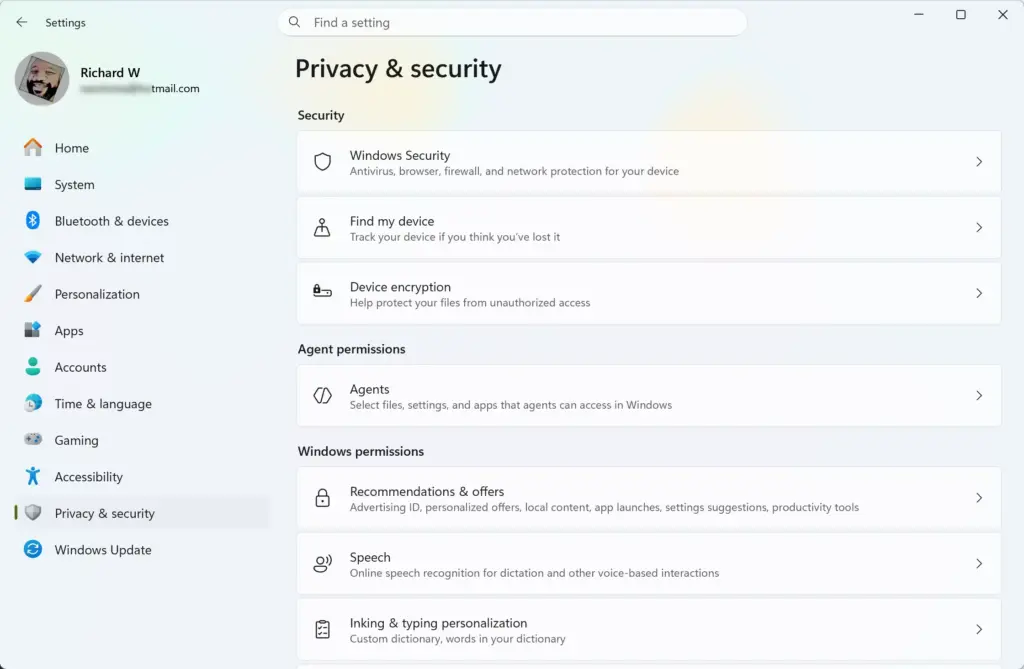
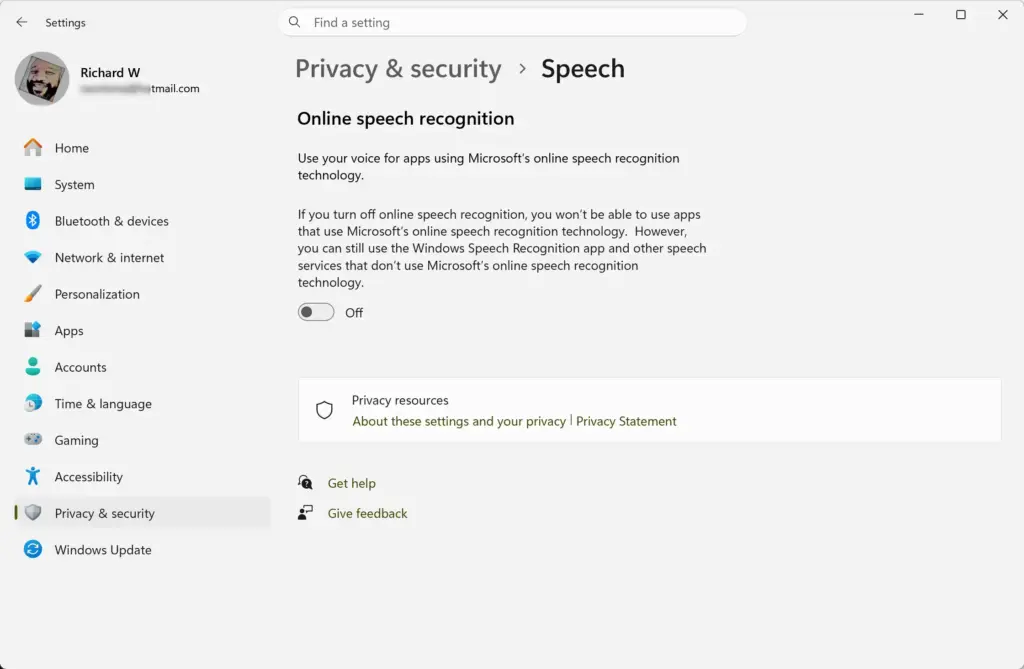
- Click Speech to check your online speech recognition setting. If it is off, Voice Typing and other cloud-based voice features will not work.
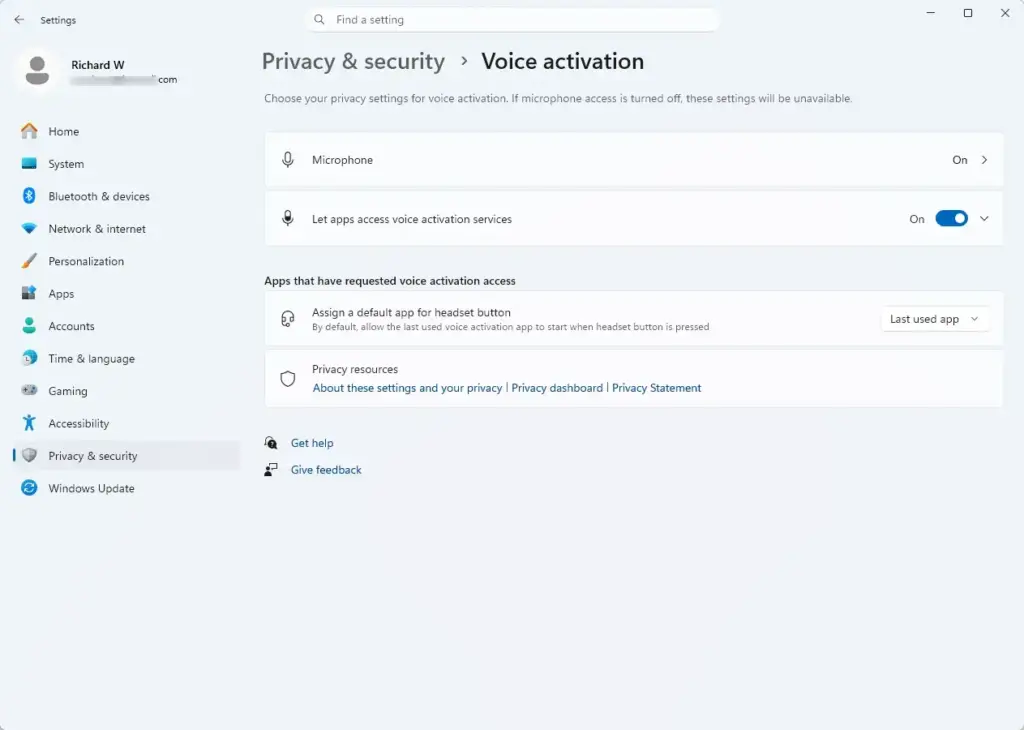
- Go back to the previous menu and select Voice activation. This is where you manage which apps can listen for a wake word. If you do not see it, your build may be older.
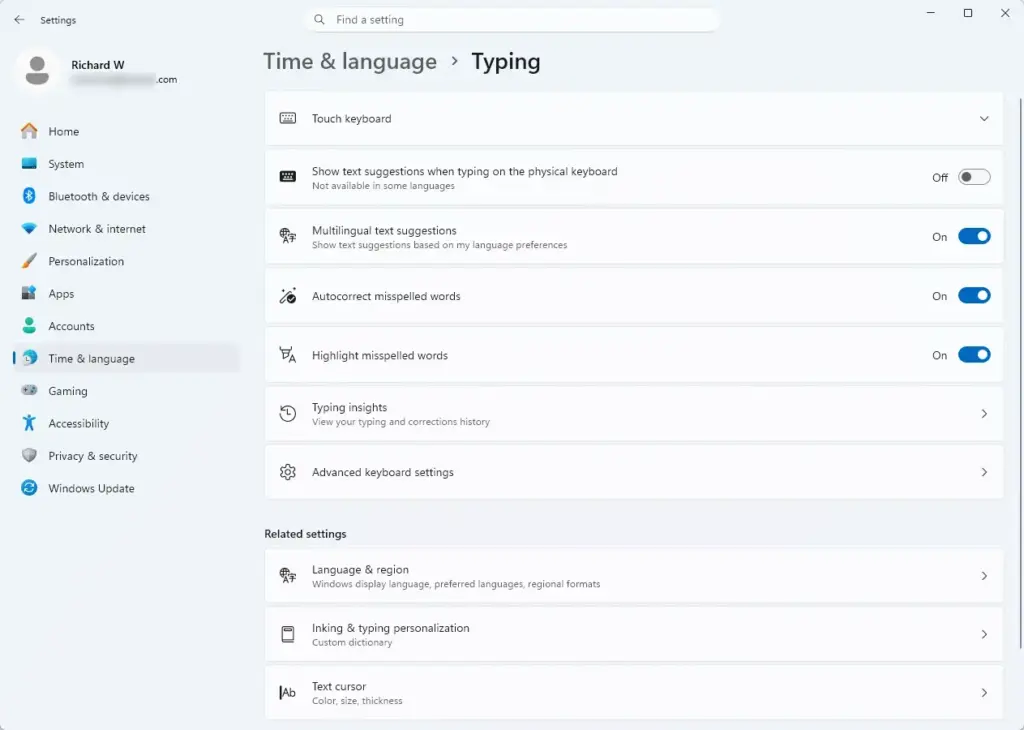
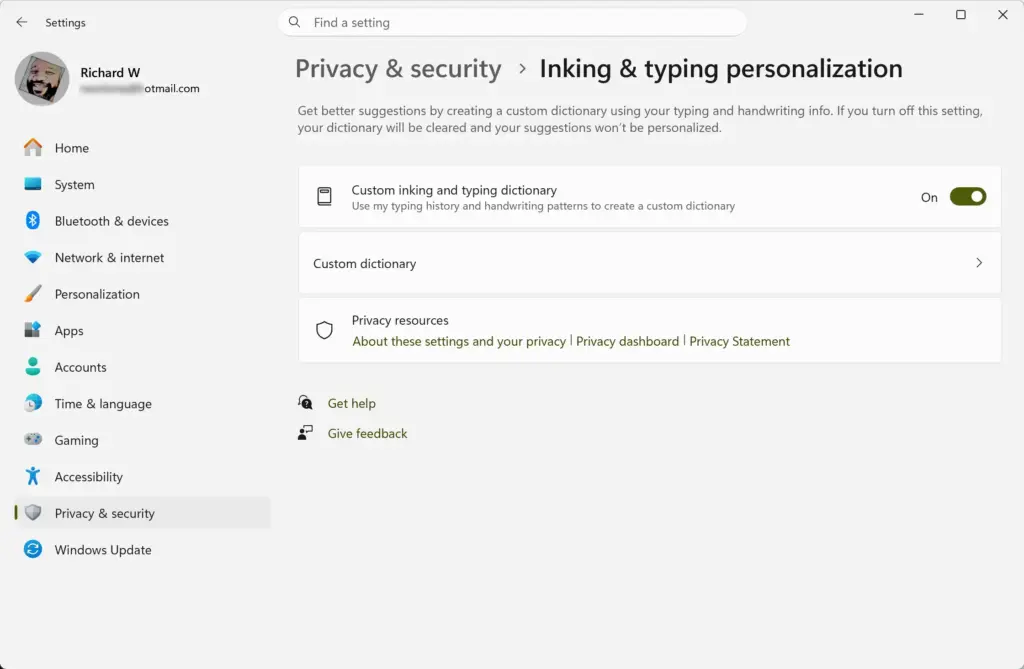
- Click Inking & typing personalization to review how Windows learns your writing and speech habits. Turning this off stops Windows from building a personal word list, but it does not remove any speech packages. Depending on your build, this page may sit in a slightly different place or have a different name.
How to Safely Enable or Test Modern Voice Features
Voice Access is the modern replacement for the old tool, so turn it on before you remove the legacy packages. It is faster and more accurate, and it needs Windows 11 version 22H2 or later. You can switch it off again at any time from the same page.
- Open the Settings app from your Start menu.
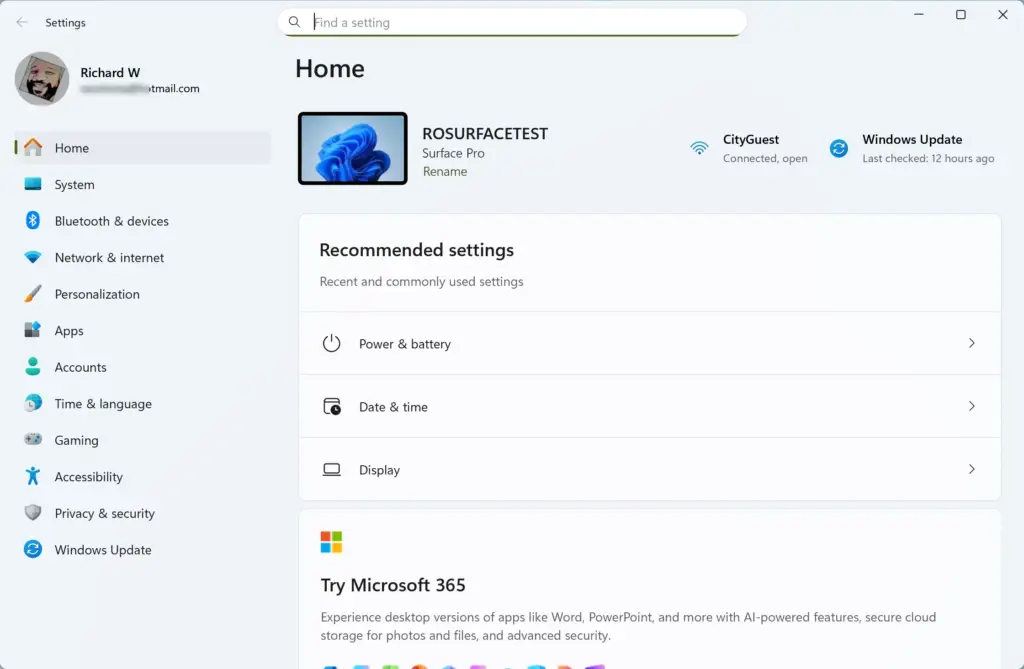
- Click Accessibility in the left sidebar.
- Scroll down and select Speech. If you do not see Voice access here, your Windows 11 build is probably older than 22H2. Run Windows Update first.
- Turn on the switch for Voice access.
- Follow the on-screen instructions to download the necessary speech files and set up your microphone. You should then see the Voice Access bar at the top of the screen. Keep your internet connection on until the download finishes.
Summary
Removing speech recognition packages in Windows 11 breaks only the older, legacy voice features. Voice Typing and Voice Access keep working. The risk is mostly with old desktop apps and third-party voice tools that expect the legacy speech engine, so test those first. Once you know what depends on the files and have checked your privacy settings, you can clean them up safely.
Have a question about this guide?
Answered by AI from this guide. Good questions may be added to this page — please don't include personal details.
Did this guide fix your problem?

About the Author
Richard
Tech Writer, IT Professional
Richard is a writer at Geek Rewind who turns complex IT tasks into clear, step-by-step guides. He draws on years of hands-on experience in system administration and enterprise IT operations, focusing on Windows, Linux and WordPress: the problems people actually run into, and the fixes that work. His server and WordPress guides come from systems he runs himself. Richard builds and maintains the platform behind Geek Rewind, from its Ubuntu servers and Nginx configuration to its custom WordPress plugins. Many new tutorials start with readers' questions, and he's always glad to answer them in the comments.
No comments yet — be the first to share your thoughts!