How to Use the Windows Tools Menu in Windows 11

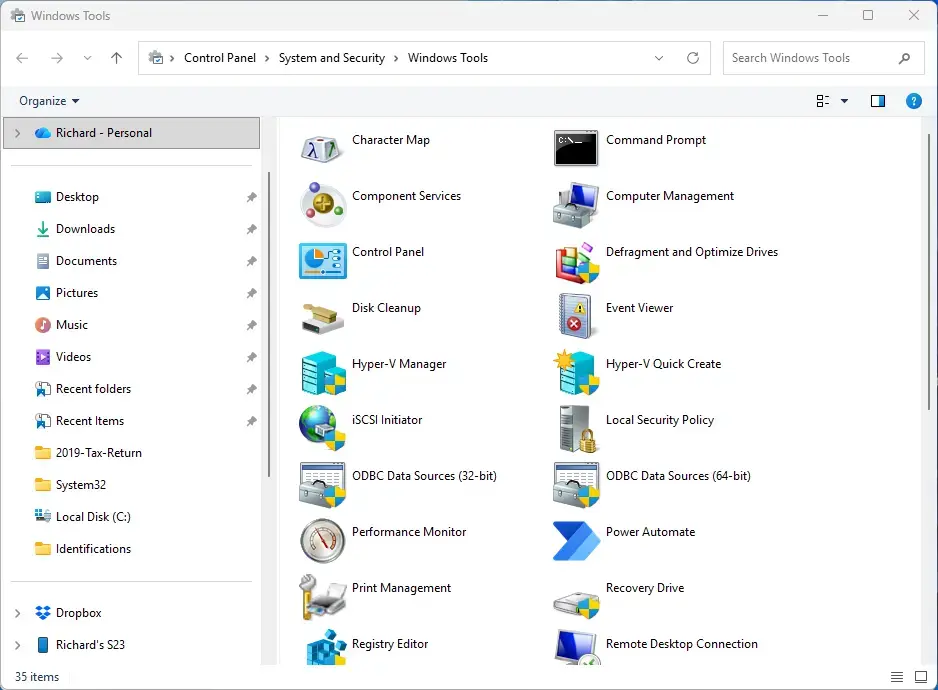
The Windows Tools menu in Windows 11 gathers more than 40 advanced system apps, management consoles, and troubleshooting utilities into one folder. Instead of hunting through separate menus or typing commands into the Run box, you get tools like Disk Management and the Registry Editor in one visual list.
Knowing where this folder lives speeds up routine maintenance and system checks. In Windows 11 version 22H2 and later, it is the renamed Administrative Tools folder. You can also reach it from Start by selecting All apps and scrolling to Windows Tools.
Some tools in this list need administrator rights, so you must be signed in to an administrator account to open them. If you are on a standard account, Windows will ask for an administrator password when you launch one.
Open Control Panel , change View by to Large icons, click Windows Tools, and the folder opens showing all system management utilities. Alternatively, press Win+R, type control admintools, and press Enter to access the same folder.
How to Open the Windows Tools Menu via Control Panel
The Control Panel route works on every edition of Windows 11, Home and Pro alike. It takes a few clicks and needs no commands. The folder opens in a File Explorer -style window with a shortcut for each tool.
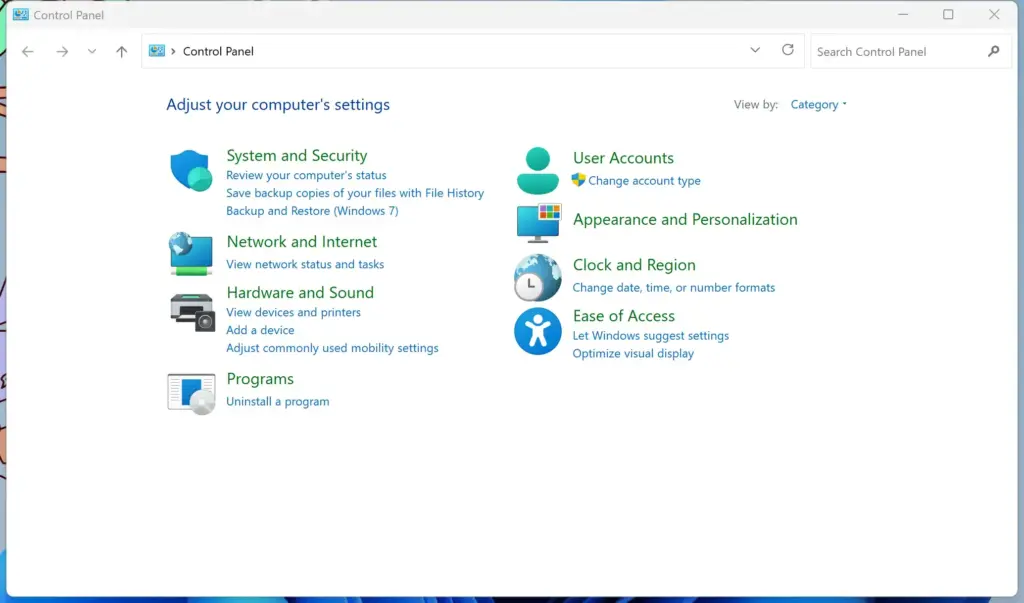
- Press the Win, type
Control Panel, and press Enter. The Control Panel window opens. - Find the View by dropdown menu in the top-right corner of the window and select Large icons or Small icons. The list changes from categories to a flat list of icons. If you stay on the Category view, you will not see the Windows Tools icon.
- Click the Windows Tools icon. The folder opens and shows all the administrative shortcuts.
How to Access Windows Tools Using the Run Command
The Run command is the fastest way in if you are comfortable with the keyboard. It opens the same folder as Control Panel , with no menus to click through. It works on both Home and Pro.
- Press Win+R together on your keyboard to open the Run dialog box.
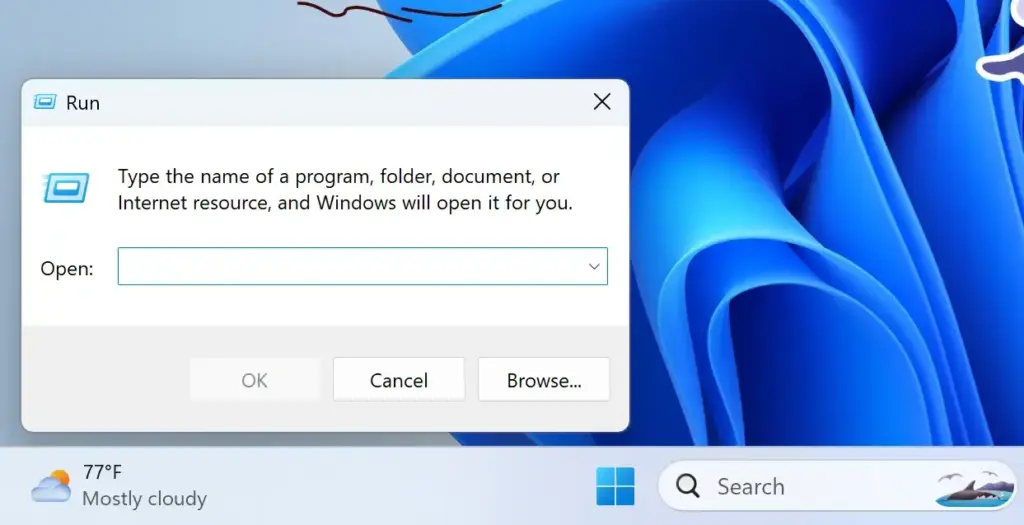
Run dialog - Type
control admintoolsinto the Open text field and press Enter. - The folder containing all the system management applets opens on your screen. You can now double-click any shortcut to launch that tool.
Core Utilities Found Inside the Windows Tools Menu
The Windows Tools menu contains dozens of utilities for power users, IT administrators, and advanced troubleshooting. You will not need most of them day to day. The ones below are the ones I reach for most often, and knowing what each does helps you pick the right one for the job.
Task Manager
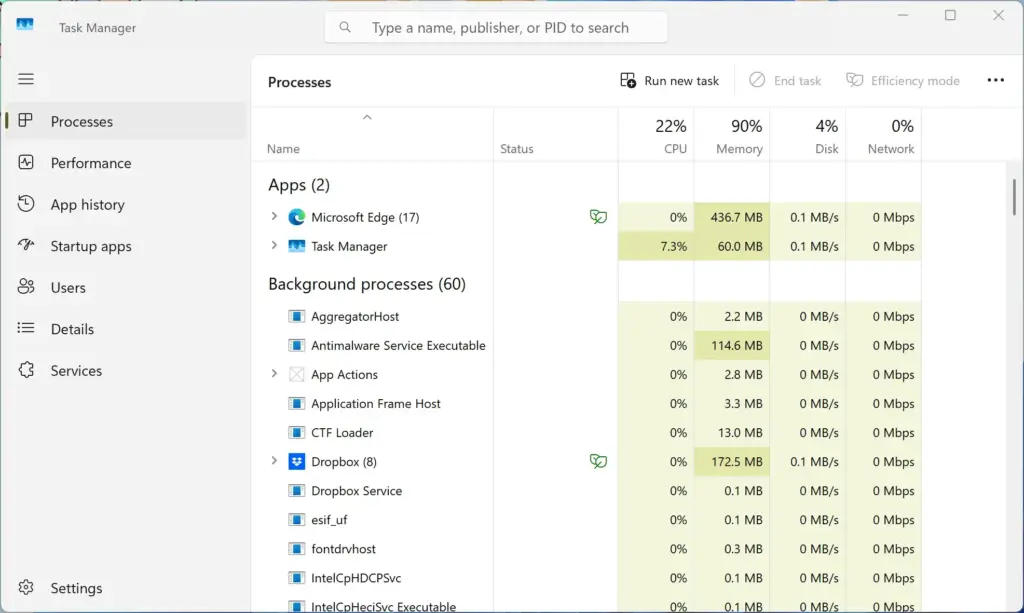
Task Manager is the system monitor and performance analyzer in Windows. Use it to end unresponsive programs, change which apps run at startup, and watch CPU, memory, disk, and network use in real time.
You can also open it directly with Ctrl + Shift + Esc. If an app freezes, select it on the Processes tab and choose End task. Startup apps are managed from the Startup apps page.
Computer Management
Computer Management bundles several administrative tools into a single console tree. It includes local user and group management, service controls, Event Viewer, and Disk Management for partitioning drives.
Most of the other tools in the console, such as Disk Management and Services, work on every edition. Disk Management changes can destroy data, so double-check which disk you have selected before you format or delete a volume.
Event Viewer
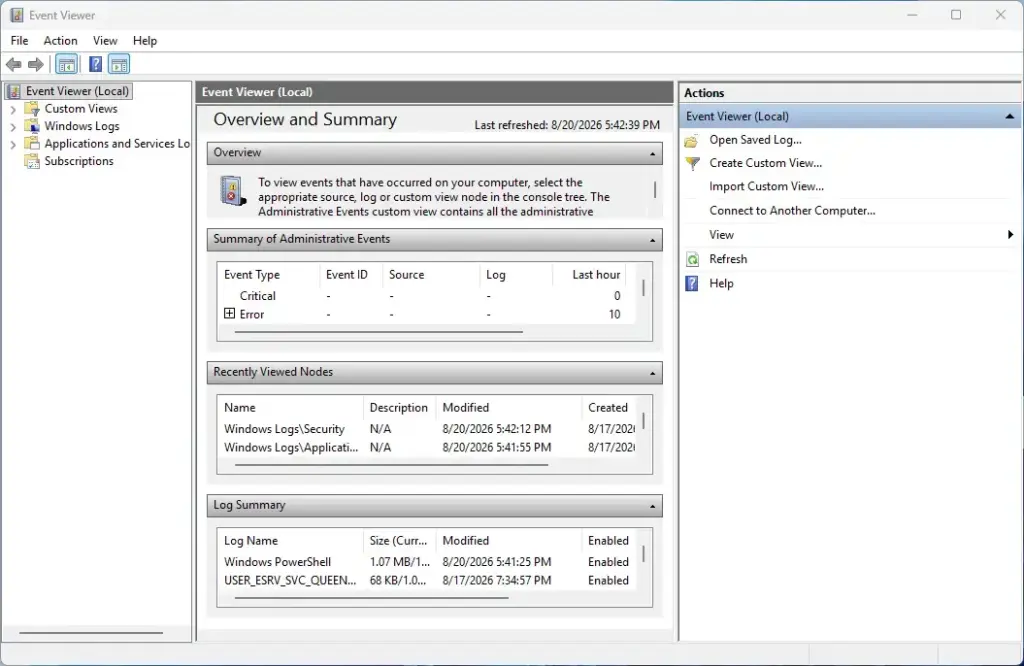
Event Viewer logs detailed records of system events, application errors, security audits, and hardware warnings. Reading these logs helps you find the root cause of unexpected crashes or software failures.
Start with the Windows Logs section and look at the Application and System logs. Entries marked Error or Critical are the ones worth reading first. Match the timestamp to the time of the problem. Many entries are harmless warnings, so do not worry about every red icon.
System Configuration
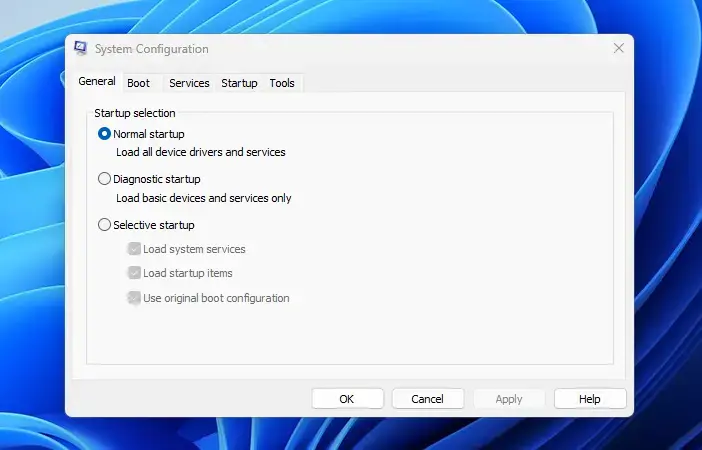
System Configuration, commonly known as msconfig, lets you manage boot options, control which services run at startup, and set diagnostic startup modes. It is useful for tracking down software conflicts.
The usual approach is to hide Microsoft services, disable the rest, and restart to see whether the problem goes away. Changes here take effect after a restart. To undo them, open System Configuration again, select Normal startup on the General tab, and restart. In Windows 11, the Startup tab only points you to Task Manager, where startup apps are actually managed.
Registry Editor
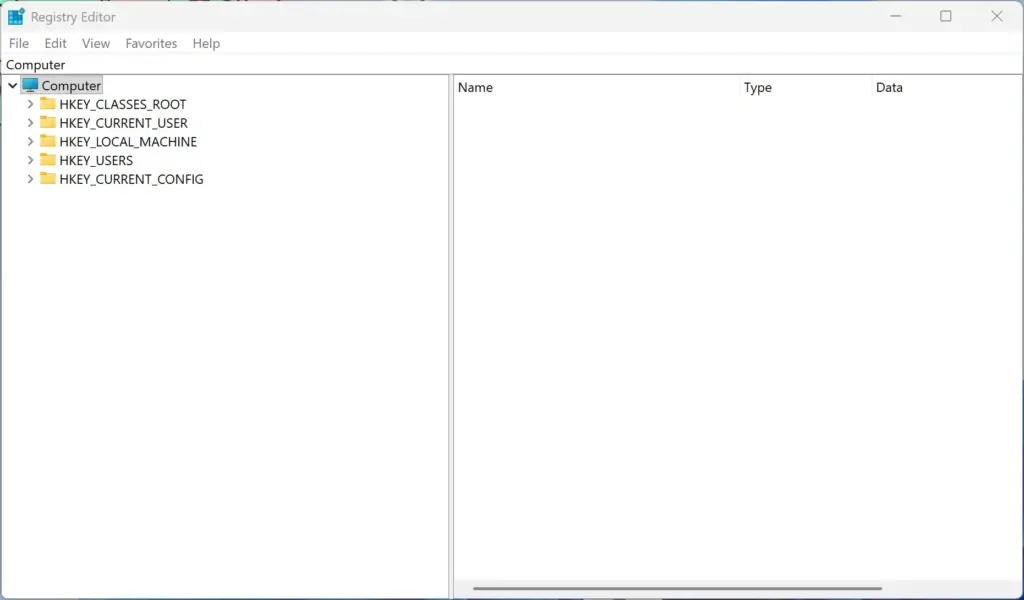
Editing these keys directly changes how the system behaves, and a wrong change can leave Windows unstable or unable to start.
Before you edit anything, back up the key you are about to change. In Registry Editor, select the key, choose File, then Export, and save the file somewhere safe. If something goes wrong, double-click that saved file to merge the old values back in. Registry Editor needs administrator approval, and you will see a User Account Control prompt when you open it.
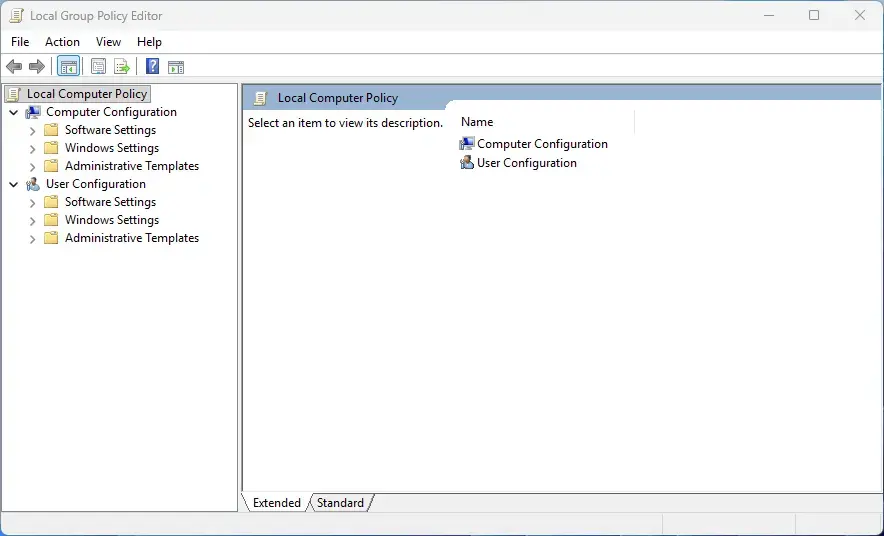
Local Group Policy Editor
Local Group Policy Editor gives you one central interface for configuring advanced user and computer policies across the operating system. It is available in Pro, Enterprise, and Education editions only.
If you run Windows 11 Home, you will not find it in the Windows Tools folder, and that is normal. Home does not include it. Policy changes are written to the system, so note the original setting (usually Not Configured) before you change one. That way you can set it back later.
How to Pin Windows Tools to Start or Taskbar
If you use these tools often, pin the folder to Start so you can open them in one click. Open the Windows Tools folder through Control Panel, right-click the folder icon, and select Pin to Start. The shortcut then sits on your Start menu, so you no longer have to dig through menus.
- Open the Windows Tools folder using the Control Panel method described earlier.
- Right-click the Windows Tools folder icon or shortcut. A context menu appears. On Windows 11, you may need to select Show more options if the entry you want is not in the short menu.
- Select Pin to Start to add a tile to your Start menu, or select Create shortcut to place a direct link on your desktop. Open Start to check that the new tile is there.
To undo this, right-click the tile on Start and select Unpin from Start. Deleting a desktop shortcut does not remove the tools themselves.
Troubleshooting Missing Windows Tools Shortcuts
If some shortcuts are missing from the Windows Tools folder, first check the physical folder that holds them. A system update or file corruption can remove shortcuts. You can restore them by hand or run a system scan to repair the files.
- Press Win + R to open the Run dialog, type
shell:Administrative Tools, and press Enter. The folder opens in File Explorer. - Check whether the shortcut files (.lnk) are missing from this directory, which is located at
C:\ProgramData\Microsoft\Windows\Start Menu\Programs\Administrative Toolsor in your user profile path. Compare what you see with what the Windows Tools list normally shows. - If shortcuts are missing, run an integrity scan to restore them. Search for Command Prompt, right-click it, and select Run as administrator. Approve the User Account Control prompt, then type
sfc /scannowand press Enter to repair missing system files. [Requires administrator privileges]
The scan can take several minutes. Let it finish before you close the window. When it is done, reopen the Windows Tools folder and check whether the shortcuts are back. If Windows reports that it repaired files, restart your PC first.
If this didn't work
If the shortcuts still will not launch, or the folder stays inaccessible, the Windows image itself may be damaged. In that case, run an elevated Deployment Image Servicing and Management (DISM) scan from Terminal or Command Prompt. It repairs the source files that Windows uses to restore these administrative tools. Run the system file scan again afterwards, since it relies on those same source files.
Frequently asked questions
How do I get the toolbar back?
The Windows Tools folder is not a toolbar, so it doesn't sit on the taskbar by default. Open Start, select All apps, and scroll to Windows Tools. To make it quicker to reach, right-click Windows Tools and choose Pin to Start. The pinned tile gives you a one-click shortcut.
How do I access the tools menu?
Open Start and select All apps. Scroll down to Windows Tools and click it to see the full list, including Disk Management and Registry Editor. Some tools need an administrator account, and Windows will ask for a password if you are on a standard account.
How do I access the Windows toolbar?
Windows Tools is a folder, not a toolbar. Open Start, select All apps, and scroll to Windows Tools. In Windows 11 22H2 and later, it is the newer name for Administrative Tools, so look for that name in older guides. Its list includes Disk Management, Event Viewer, and Services.
How do I find tools on my PC?
Open Start, select All apps, and scroll to Windows Tools. Each tool in that folder has its own shortcut, so you can click straight to the one you need. If you know the tool's name, type it into the Search box in Start, such as Disk Management, to open it faster.
Still have a question?
Answered by AI from this guide. Good questions may be added to this page — please don't include personal details.
Did this guide fix your problem?

About the Author
Richard
Tech Writer, IT Professional
Richard is a writer at Geek Rewind who turns complex IT tasks into clear, step-by-step guides. He draws on years of hands-on experience in system administration and enterprise IT operations, focusing on Windows, Linux and WordPress: the problems people actually run into, and the fixes that work. His server and WordPress guides come from systems he runs himself. Richard builds and maintains the platform behind Geek Rewind, from its Ubuntu servers and Nginx configuration to its custom WordPress plugins. Many new tutorials start with readers' questions, and he's always glad to answer them in the comments.
No comments yet — be the first to share your thoughts!