How to Uninstall Programs in Windows 11

- 13 steps
- Needs administrator rights
- Includes a restart or sign-out
Uninstalling programs in Windows 11 removes unwanted software and frees up disk space on your PC to help your computer run faster. You can use either the modern Settings app or the classic Control Panel to clear out old apps you no longer need. Both tools are built into every edition of Windows 11, Home and Pro, and they work the same way on both.
Removing extra software stops hidden background programs from slowing down your system. Many programs start with Windows, run update checkers, or sit in the system tray using memory for no reason. Standard apps clean up easily through Settings, while stubborn programs often require the older Control Panel. This guide covers both, plus a Command Prompt method for apps that won’t go any other way.
Standard Methods to Remove Apps
Most users should use the built-in Windows tools first. These are safe and easy to use. They run the program’s own uninstaller, which removes its files, shortcuts and settings entries in the right order. Try Settings first, then Control Panel, and only move to the command line if both fail. Closing the app before you remove it avoids most “app is in use” errors.
Using the Settings App
- Open the Start menu and click Settings. The Settings window opens with the list of categories on the left. You can also press Win+I to get here faster.
- Go to Apps and then Installed apps. You should now see a list of everything installed on the PC. Use the Sort by menu (for example, by size) to find the biggest space users, or type a name in the search box at the top.
- Find the app you want to remove. Check the name and publisher before you go on, as some apps have similar names. If the app is running, close it first.
- Click the three dots at the right end of the app’s row and select Uninstall. A small confirmation box appears. Click Uninstall again, and approve the User Account Control prompt if one shows up. Some apps then open their own uninstall wizard, so follow its prompts. If Uninstall is greyed out, the app is a protected part of Windows, so try Control Panel or leave it alone. Some programs ask for a restart to finish removal. If you change your mind, reinstall the app from the Microsoft Store or the publisher’s website.
Using the Control Panel
- Search for Control Panel in the Start menu and open it. The Control Panel window opens, usually in Category view.
- Click Uninstall a program under the Programs header. The Programs and Features page opens with a list of installed desktop programs, along with their publisher, install date and size. If you use Large icons or Small icons view instead, click Programs and Features.
- Select the app from the list and click Uninstall at the top. Some programs show Uninstall/Change or Change instead, which is the same thing. Confirm any prompts, and follow the program’s own wizard if it opens. You may need an administrator password if you are on a standard account. Restart the PC if the uninstaller asks you to.
Advanced: Uninstall Programs in 🪟 Windows 11 via Command Prompt
Command Prompt lets you uninstall programs in Windows 11 when standard removal methods fail or apps refuse to close. This built-in command-line tool gives you direct access to your system software list so you can force stubborn apps to remove themselves using quick text commands instead of the graphical settings menu. It works on desktop programs that registered themselves with Windows, and it is not meant for everyday use. If a command isn't recognized, your build of Windows 11 may not include the tool it relies on. Newer versions, such as 24H2 and later, may not have it by default. In that case, use Settings, Control Panel or a third-party uninstaller instead.
Official Microsoft Support Type commands exactly as shown, because a wrong app name can remove the wrong program.
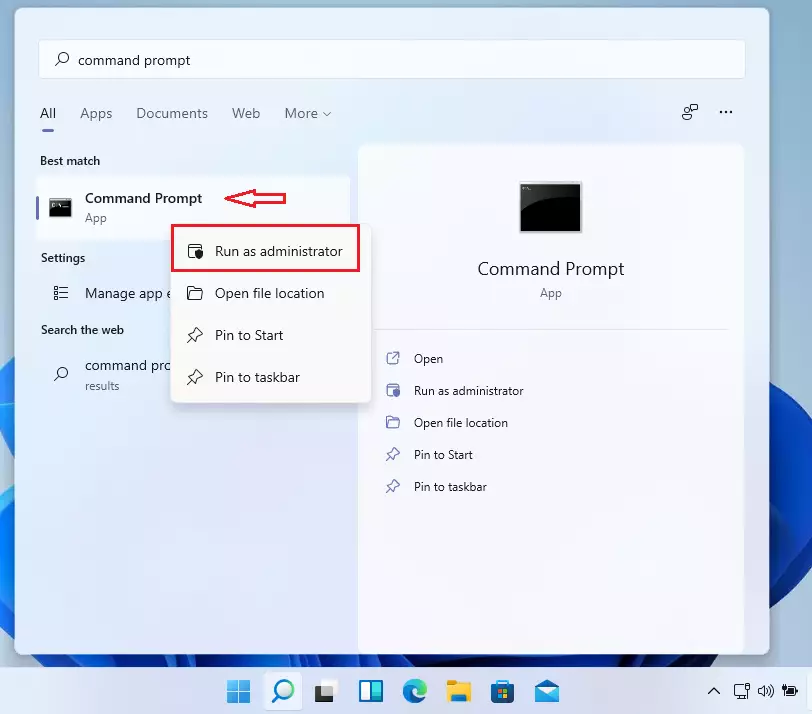
- Click the Start button and search for Command Prompt. The app appears at the top of the results, with options listed on the right.
- Right-click the app and choose Run as administrator. Click Yes on the User Account Control prompt. A black window opens with "Administrator" in its title bar. If it doesn't say that, close it and try again, because the uninstall will fail without admin rights.
windows 11 command prompt administrator - Type
wingetand press Enter. The prompt should change to show you are in the right tool. - Type
winget listto see your list of apps. Wait a few seconds, as the list can take a moment to build. Find the exact name of the program you want to remove, and copy it carefully.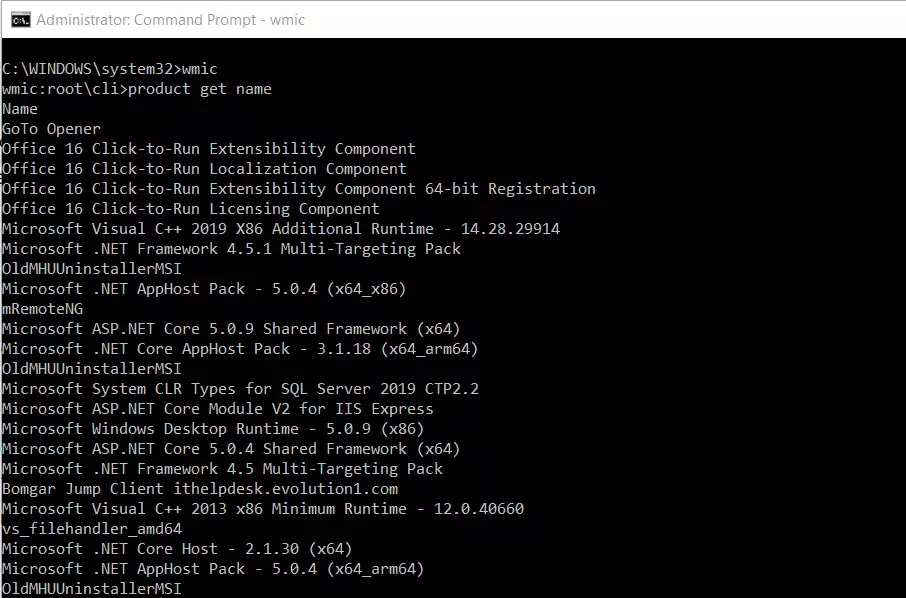
windows uninstall program command prompt - Type
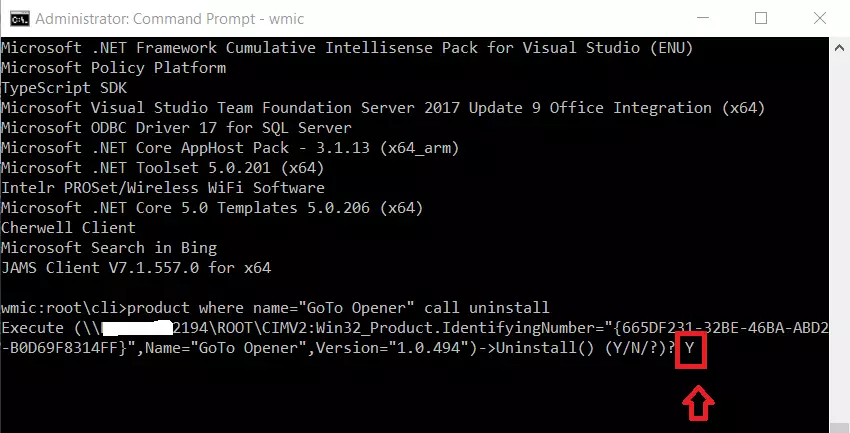
winget uninstall "Your App Name"and press Enter. Use the exact name from the list. You should see a prompt asking you to confirm. - Type Y to confirm and press Enter. A message should tell you the method executed successfully. Check Settings Apps Installed apps to make sure the program is gone. If you get an error instead, check the spelling of the name and that the window is running as administrator.
windows 11 uninstall program command prompt
Troubleshooting Stubborn Apps
If an app is broken, try to Repair it first in the Settings menu instead of uninstalling. To do this, go to Settings Apps Installed apps, click the three dots next to the app, and choose Advanced options if it is available. Not every app offers a repair option, and for desktop programs you can also try Change or Repair in Control Panel. If it still won't go away, you may need to use a third-party uninstaller tool to clean up leftover files in C:\Program Files or registry keys in HKEY_LOCAL_MACHINE\SOFTWARE. Be careful when deleting anything by hand, especially in the registry, because a wrong change can cause problems with Windows or other programs. Create a restore point and back up the registry before you edit anything, and only remove entries that clearly belong to the program you removed.
Summary
Use the standard methods for daily tasks and the Command Prompt for stubborn software. Always back up your important files before making deep changes to your system. After removing several programs, restart the PC once so Windows can finish any cleanup that is still pending.
Have a question about this guide?
Answered by AI from this guide. Good questions may be added to this page — please don't include personal details.
Did this guide fix your problem?

About the Author
Richard
Tech Writer, IT Professional
Richard is a writer at Geek Rewind who turns complex IT tasks into clear, step-by-step guides. He draws on years of hands-on experience in system administration and enterprise IT operations, focusing on Windows, Linux and WordPress: the problems people actually run into, and the fixes that work. His server and WordPress guides come from systems he runs himself. Richard builds and maintains the platform behind Geek Rewind, from its Ubuntu servers and Nginx configuration to its custom WordPress plugins. Many new tutorials start with readers' questions, and he's always glad to answer them in the comments.
No comments yet — be the first to share your thoughts!