How to Enable or Disable Taskbar App Badges in Windows 11

Taskbar app badges in Windows 11 are the small red dots and unread counts that appear on app icons on your taskbar . Turning them off hides those counts and cuts visual clutter. Turning them on brings them back.
The switch is a single checkbox in the Settings app, so the change takes well under 30 seconds. It works the same on Windows 11 Home and Pro, and you don’t need administrator rights or a restart.
Go to Settings Personalization Taskbar Taskbar behaviors. Check the “Show badges on taskbar apps” box to enable them, or uncheck it to disable. Your changes apply immediately.
Why use badges?
Badges work as a quick alert system. A number on the Outlook, Teams or Mail icon tells you how many unread items are waiting, so you can spot a missed message without opening each window.
The app itself decides what to show. Some apps display a count, some a plain dot, and some nothing at all. If an app has never sent a badge, this setting will not make it start.
What happens when you change this?
Turning badges on shows a count of unread messages or updates right on the app icon. The checkbox is in the taskbar settings, and the steps below walk you through it. Check the box and the badges return to your icons. If you only see a few of them, remember each app has to send its own badge data.
How to manage your app badges
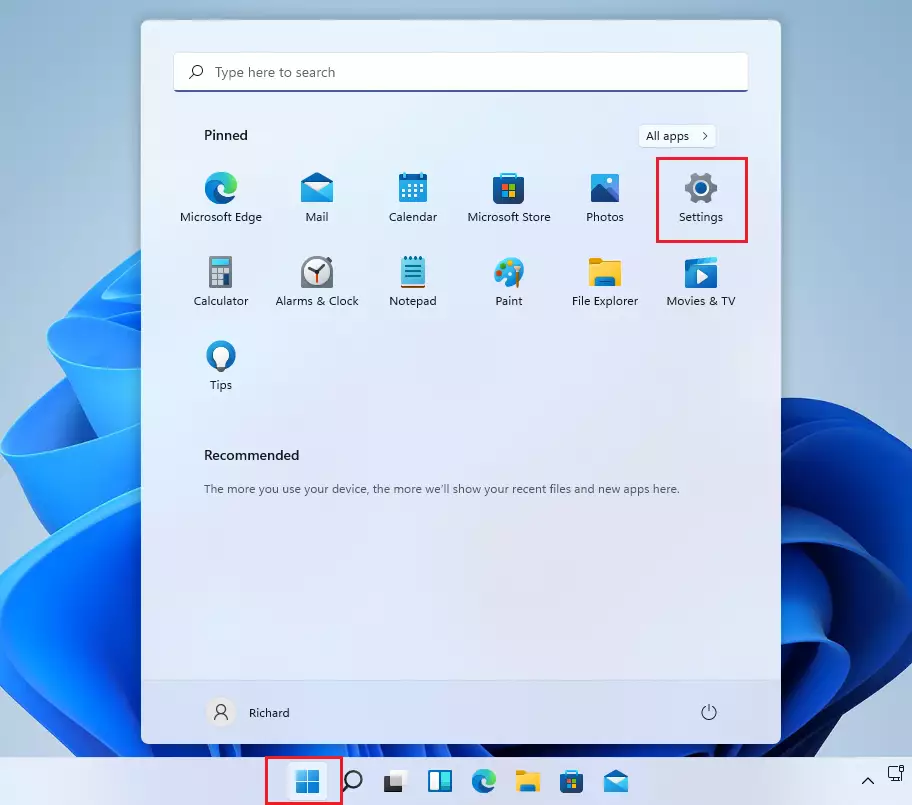
Managing badges controls whether your taskbar icons show notification counts or small dots. The setting is global: one checkbox covers every app that pins to your taskbar. You can reach it two ways, through the right-click menu on the taskbar or with a keyboard shortcut. Both end up at the same page, Settings Personalization Taskbar
- Right-click any empty space on your taskbar and select Taskbar settings. The Settings app opens straight on the Taskbar page. If you do this, skip ahead to step 5.
- If you prefer the keyboard, press Win+I to open the Settings app. You should see the Settings window with a list of categories on the left.
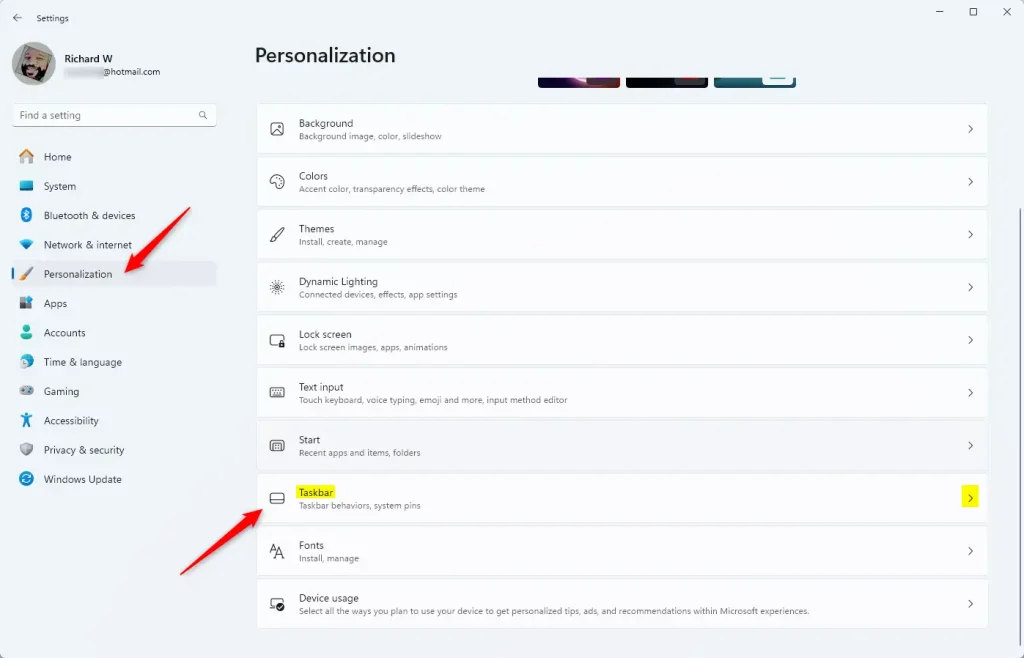
- Click Personalization on the left sidebar. The right side now shows theme, color and background options.
- Select Taskbar from the list on the right. The Taskbar page opens with the taskbar items at the top and more sections below.
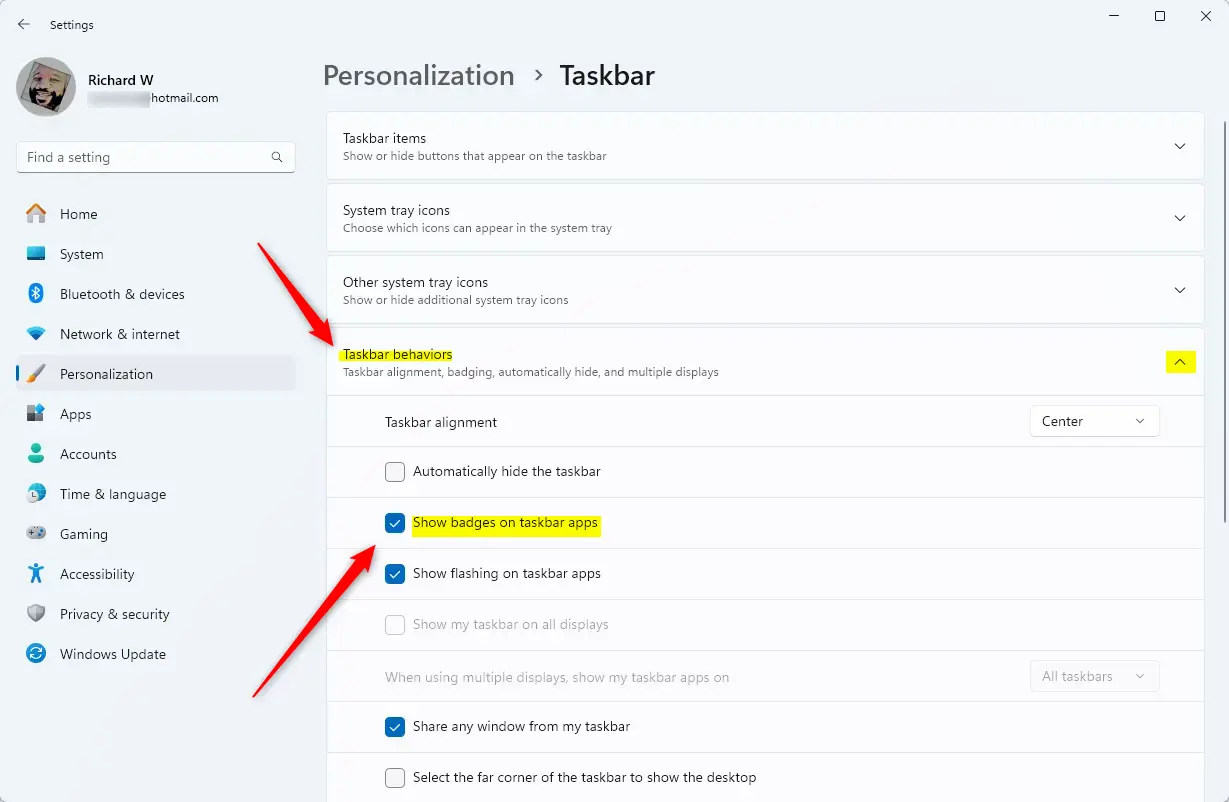
- Scroll down and click the Taskbar behaviors section to expand it. A list of options appears, including alignment and auto-hide.
- Find the option labeled Show badges on taskbar apps. On some builds the label is longer and includes “(unread messages counter)”. It is the same setting.
- Check the box to turn badges on, or uncheck the box to turn them off. To undo the change later, come back to this page and flip the box again.
Close the Settings window when you are finished. Changes take effect immediately, with no restart and no sign-out. If you turned badges off, existing counts and dots disappear from the icons at once. If you turned them on, they reappear as apps report new items.
Troubleshooting Missing Badges
If badges do not appear even though the box is checked, check whether Do Not Disturb (a feature that silences notifications) is turned on. Turn it off and see if the badges come back.
Also check that the app is allowed to send notifications at all. You can review this in Settings System Notifications An app with notifications switched off may never show a badge. Finally, open the app itself, since some apps only update their badge after they have synced at least once.
Summary
Windows 11 taskbar app badges are small numbers or dots on app icons. They alert you to new notifications so you can stay informed without constant pop-ups. If they distract you, uncheck one box in Taskbar behaviors. If you miss them, check it again.
Have a question about this guide?
Answered by AI from this guide. Good questions may be added to this page — please don't include personal details.
Did this guide fix your problem?

About the Author
Richard
Tech Writer, IT Professional
Richard is a writer at Geek Rewind who turns complex IT tasks into clear, step-by-step guides. He draws on years of hands-on experience in system administration and enterprise IT operations, focusing on Windows, Linux and WordPress: the problems people actually run into, and the fixes that work. His server and WordPress guides come from systems he runs himself. Richard builds and maintains the platform behind Geek Rewind, from its Ubuntu servers and Nginx configuration to its custom WordPress plugins. Many new tutorials start with readers' questions, and he's always glad to answer them in the comments.
No comments yet — be the first to share your thoughts!