The article offers a guide on toggling a setting in Windows 11 that allows a PC to be discovered for projection only when it's plugged into a power source. The feature, understandable through the System Settings pane, enables malleable wireless projection to the PC from a variety of devices. When enabled, however, the PC is discoverable only while connected to a power source.
The article provides instructions on how to enable or disable the "Projecting to this PC" feature in Windows 11 for wireless content viewing from other devices. It explains how to navigate to the System Settings pane using various methods, and then how to choose options from the 'Projecting to this PC' settings panel. The options include making the PC available everywhere or always off.
The article provides instructions on how to control live Widget content updates on the Taskbar in Windows 11. Starting with build 25211, Microsoft allows users to control the behavior of Widgets. Procedures include opening Widgets through the weather icon or a keyboard shortcut, accessing Widget settings, and toggling the update functionality on or off.
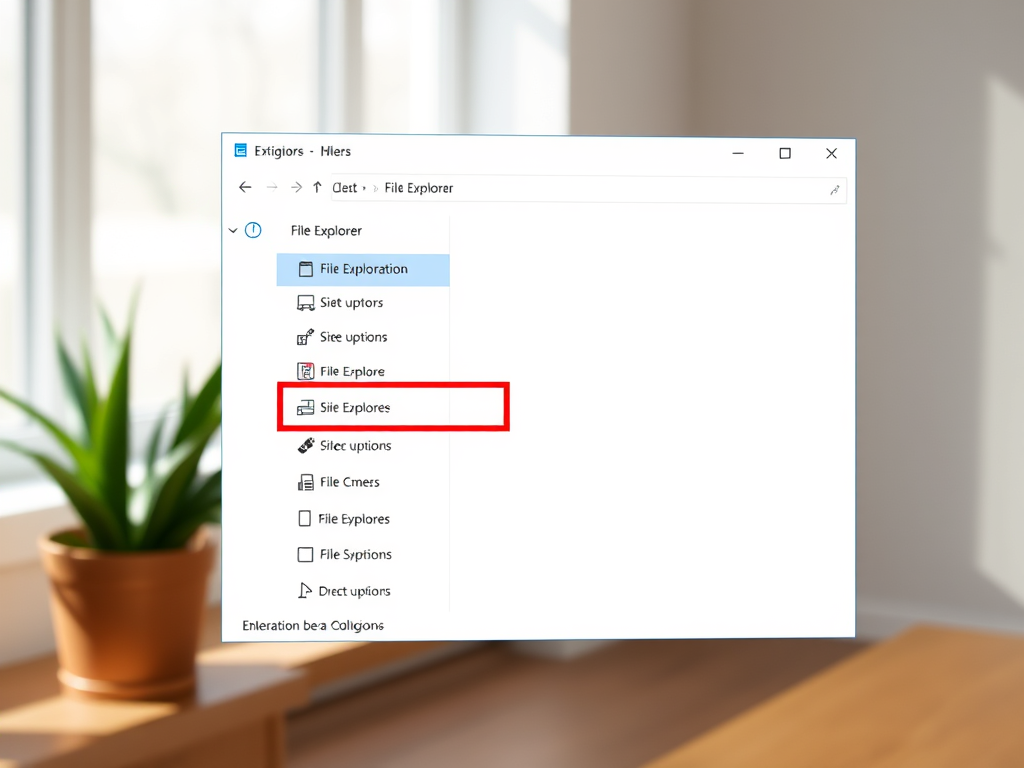
The article outlines how to access and configure settings in the File Explorer Options window in Windows 11. With a minimalistic design, Windows 11 has moved many menu commands and options to new menus - the layout and view, Filter, and See more. It provides detailed steps to open the window via File Explorer or the Control Panel.
The article guides on determining the type of account used to sign into Windows 11, which supports multiple user profiles and allows users to sign in with either a Local account or a Microsoft account. Detailed instructions are given on how to use the Settings app to reveal the details of the logged-in account.
The article provides a comprehensive guide on how to install and use the Power PowerDNS Admin tool on Ubuntu Linux. PowerDNS is an open-source, cross-platform authoritative nameserver that offers efficient DNS management capabilities. It also allows storage of zone files and records on MySQL, MariaDB, PostgreSQL and Oracle. The guide also details how to configure PowerDNS, install the PowerDNS Admin web application, as well as how to create a systemd service for easy management.
The article provides a detailed guide to installing and using Let's Chat, a Node.js and MongoDB-based messaging application for small teams, on Ubuntu Linux. It outlines the essential packages you need to install - Node.js, MongoDB, and Python. After preparing the system, the article walks through downloading and installing Let's Chat, setting up a reverse proxy server, creating a systemd service, and finally accessing the platform.
The article provides detailed steps to enable or disable the touchpad on laptops running Ubuntu Linux. It explains how to access the settings via the System Settings panel and navigate to 'Mouse & Touchpad' to toggle the touchpad. An alternative method is described, using a third-party application called Touchpad Indicator, which offers more control, including automatic disablement while typing or when a mouse is connected.
The article provides a step-by-step guide to enable or disable the "Show recently added apps" feature in Windows 11. This feature, which keeps track of recent activities like file access and added apps, enhances productivity by listing recently installed apps in the Start menu Recommended section and Jump Lists. It also includes instructions to remove added apps.
The article provides a guide on how to enable or disable the "Show recently opened items in Start, Jump Lists, and File Explorer" feature in Windows 11. This function, which tracks recent activities, is designed to improve productivity and ease file retrieval, but may be perceived as a privacy concern by some users. The steps include navigating through System Settings or the Local Group Policy Editor.
The article outlines steps to install Bitwarden, an open-source password management platform, on Ubuntu Linux using Docker. Bitwarden stores sensitive credentials in an encrypted vault, supports multiple platforms and includes features like two-factor authentication. The post guides through the installation process, obtaining Bitwarden installation key, setting up an account and starting Bitwarden services.
The article discusses how to enable or disable fractional scaling on Ubuntu Linux, which by default offers two scaling options: 100% and 200%. If objects on your device's display are too large or too small, fractional scaling can be enabled to provide more options: 125%, 150%, and 175%. The guide provides a step-by-step process on how to make these adjustments from the System Settings menu.
The article provides steps to change the size of application icons on the Ubuntu Linux Dock or launcher. According to the post, the size of the Dock is proportional to the icon size, meaning changes to the icon directly affect Dock size. Users can access the 'Appearance' settings in the 'System Settings' panel to adjust icon and Dock sizes as desired.
The article provides a step-by-step guide to enable or disable the auto-save screenshots function in the Snipping Tools app on Windows 11. Screenshots, by default, are automatically saved in PNG format in a specified folder and can be managed in the app's Settings page. Changes are applied immediately after exiting.
This article provides detailed instructions for toggling airplane mode in Ubuntu Linux. It can be done using a physical airplane mode button on some laptops, directly from the System menu, or through the System Settings menu. Turning airplane mode on disables all wireless communications, which can be re-enabled by turning it off.