What Windows 11 Delivery Optimization Actually Does to Your Internet Bandwidth

Delivery Optimization is a built-in Windows 11 feature that uses your home internet bandwidth to send system updates and app downloads to other computers. This background process works like a peer-to-peer network, sharing pieces of files you already downloaded with devices on your local network or across the internet.
Microsoft turns on this sharing feature by default on every Windows 11 personal computer to take the load off its own servers. If slow web pages or lagging online games happen while updates download in the background, turning off this setting stops your PC from uploading files to other devices.
Windows 11 Delivery Optimization is a built-in feature that speeds up software and system updates by turning your computer into a sharing hub. It downloads update files and uploads them over the internet to other devices, which can quietly slow down your home network and consume your monthly data allowance.
How Delivery Optimization Affects Your Internet Bandwidth
Delivery Optimization affects your internet bandwidth by uploading Windows updates and app files from your computer to other devices over the internet. Because Home internet plans typically have much slower upload speeds than download speeds, this background sharing can quickly choke your connection, cause high ping in online games, and slow down your web browsing without you realizing it.
When your Windows 11 computer decides to share update files with other devices on the internet, the Delivery Optimization feature uses up to 100 percent of your available upload bandwidth by default. If your computer is busy uploading gigabytes of update data to a stranger across the country, your local network connection suffers.
Here is what you might experience when Delivery Optimization runs in the background:
- Your online video games show high ping and lag spikes because your upload channel is clogged.
- Video calls freeze, stutter, or drop entirely because your computer cannot send your video feed smoothly.
- Other devices in your house—like phones, tablets, or smart TVs—experience sluggish internet speeds because your Windows 11 PC is hogging the connection.
- If your internet provider limits how much data you can download and upload each month, your computer might secretly blow past that limit by uploading system files to the world.
The Different Modes of Delivery Optimization
Delivery Optimization modes control exactly which devices your Windows 11 computer shares update files with over your network. You can choose to share files only with other computers on your local home Wi-Fi network, share with devices on both your local network and the internet, or turn off peer-to-peer sharing completely so your computer stops uploading update files to anyone else.
- PCs on my local network: Your computer only shares update files with other Windows devices connected to your home Wi-Fi or router. This keeps your data inside your house and does not use outside internet upload bandwidth.
- PCs on my local network and PCs on the internet: Your computer shares files locally and also connects to random computers over the internet. This is the setting that causes the most bandwidth drain and can eat up your data cap.
- The Off Position: Your computer completely stops sharing updates with any other device. It only downloads updates for itself from Microsoft.
How to Check Your Delivery Optimization Usage
Delivery Optimization usage can be checked using the built-in Windows 11 settings menu to view an exact log of how much data your computer has downloaded and uploaded. This activity monitor page shows you precisely how much bandwidth the feature has used from your local network and the internet, helping you decide whether you need to change your sharing settings.
Follow these steps to check your usage statistics:
- Click the Start button on your taskbar and open the Settings app (the gear icon).

- In the Settings window, click on Windows Update on the left-hand menu.
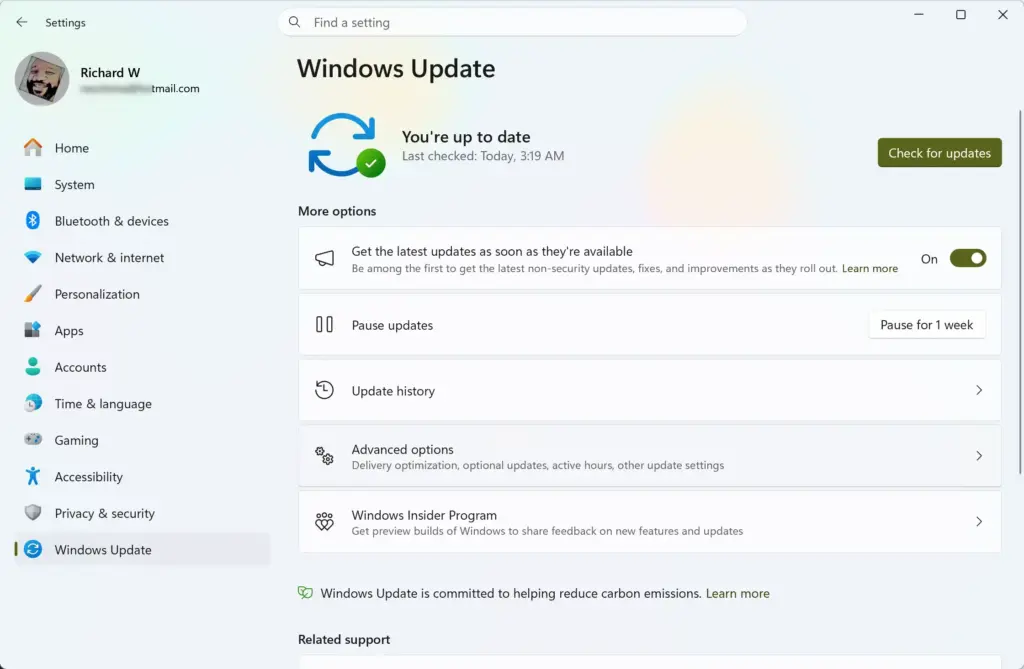
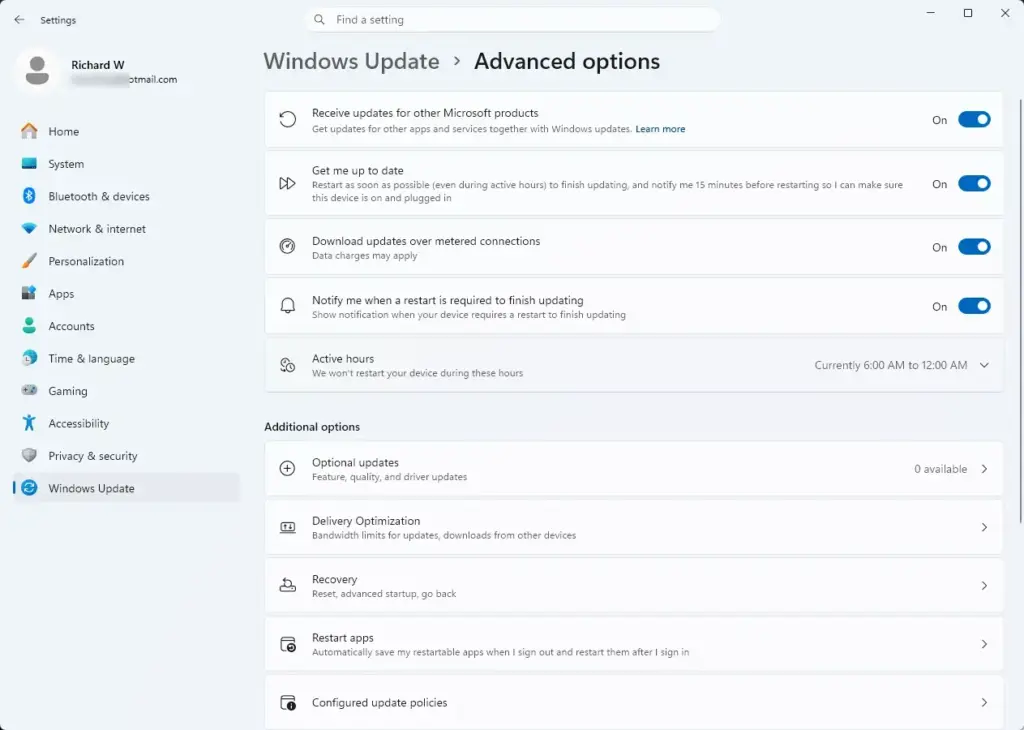
- Click on Advanced options.
- Scroll down until you see the section labeled Additional options, and click on Delivery Optimization.
- On the Delivery Optimization page, click on Activity monitor at the bottom.
This screen breaks down your bandwidth usage, showing how much data came directly from Microsoft compared to what your PC shared with other devices. If you see high numbers in the upload section, Delivery Optimization has been actively using your bandwidth.
Step-by-Step: How to Turn Off or Limit Delivery Optimization
Halting external bandwidth sharing takes a couple of clicks in the Windows settings menu. You can either restrict it to only share with devices inside your home, or turn it off completely.
Method 1Restrict Sharing to Your Local Network Only
Restricting Delivery Optimization to your local network only lets your Windows 11 computers share update files with each other over your home Wi-Fi without uploading data over the internet. This setup saves your external internet bandwidth and prevents slow web browsing while still helping multiple devices in your house download system updates much faster.
- Open the Settings app from your Start menu.
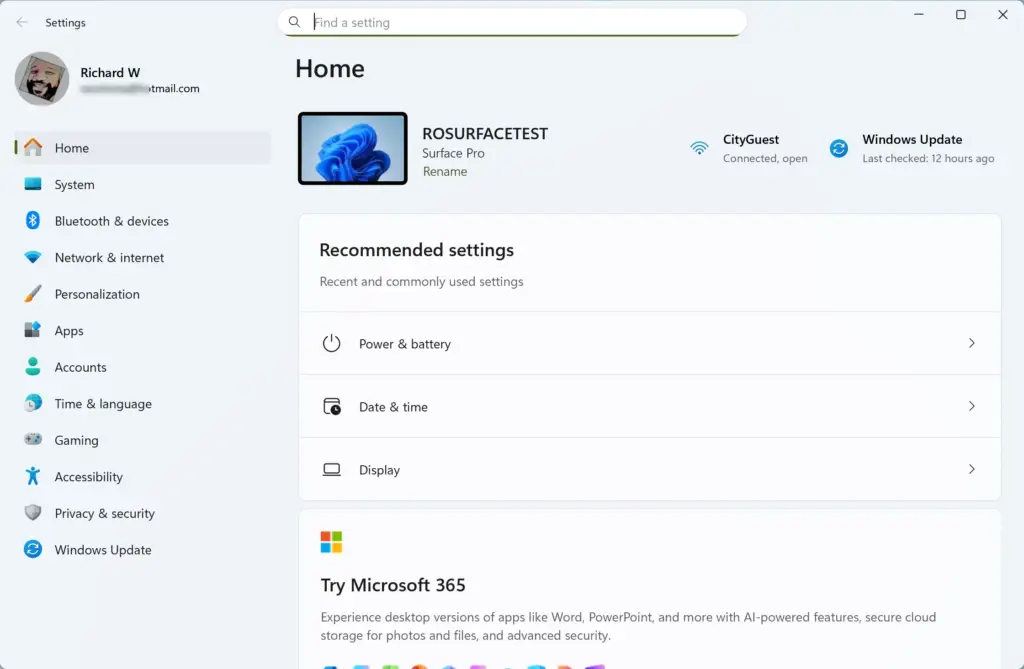
- Select Windows Update from the left menu.
- Click on Advanced options.
- Scroll down and click on Delivery Optimization.
- Under the main section, look for the option that says Allow downloads from other PCs.
- Click the drop-down menu or radio buttons and select PCs on my local network.
Method 2Completely Disable Delivery Optimization (Recommended for Limited Internet)
Completely disabling Delivery Optimization stops your Windows 11 PC from sharing update files with any other devices on your local network or the internet. This choice is strongly recommended if you have a slow internet connection, a strict monthly data cap, or want to keep 100% of your upload and download speeds dedicated entirely to your own personal use.
- Open the Settings app.
- Go to Windows Update, then click Advanced options.
- Click on Delivery Optimization.
- Find the toggle switch next to Allow downloads from other PCs and flip it to the Off position.
Once you turn this switch off, your Windows 11 computer will download updates directly from Microsoft and will never upload update files to anyone else.
Advanced Bandwidth Controls: Putting Limits Instead of Turning It Off
Advanced bandwidth controls in Windows 11 let you put strict speed limits on how much internet data Delivery Optimization can use in the background. Instead of turning the file-sharing feature completely off, you can cap both your download and upload speeds so updates download quietly without ruining your online gaming, video streaming, or daily web browsing.
Follow these steps to cap your download and upload speeds:
- Open the Settings app and navigate to Windows Update Advanced options Delivery Optimization
- Click on Advanced options near the bottom of the Delivery Optimization page.
- Look for the section titled Download settings. Check the box that says Limit how much bandwidth is used for downloading updates in the background. Use the slider to set a low percentage.
- Next, check the box that says Limit how much bandwidth is used for uploading updates to other PCs. Drag the slider all the way down to a low percentage.
- You can also check the box for Monthly upload limit and set a maximum amount of gigabytes (for example, USER-SPECIFIED-LIMIT GB) that Delivery Optimization is allowed to upload each month. Once it hits that limit, it will stop sharing for the rest of the month.
Troubleshooting: Why Is Delivery Optimization Turning Itself Back On?
Delivery Optimization turns itself back on sometimes because major Windows 11 system updates and automated repair tools reset your default network configurations. When the operating system installs a large feature update, it frequently overwrites your custom choices and re-enables background peer-to-peer file sharing without asking for your permission first.
Sometimes, major Windows 11 feature updates or system repair tools will reset default configurations. If a recent system update re-enabled peer-to-peer sharing without your permission, you can use the Windows Registry to lock the setting in place so it stays off for good.
Registry Editor (a database for core system settings) requires careful editing here. [Verification Required: Registry path should be confirmed] You must be signed in as an administrator on Windows 11 to make these changes. Be careful to follow the instructions precisely because making mistakes in the Windows Registry can stop your computer from working correctly.
Follow these steps to enforce your Delivery Optimization settings:
- Press the Windows Key + R on your keyboard to open the Run dialog box.
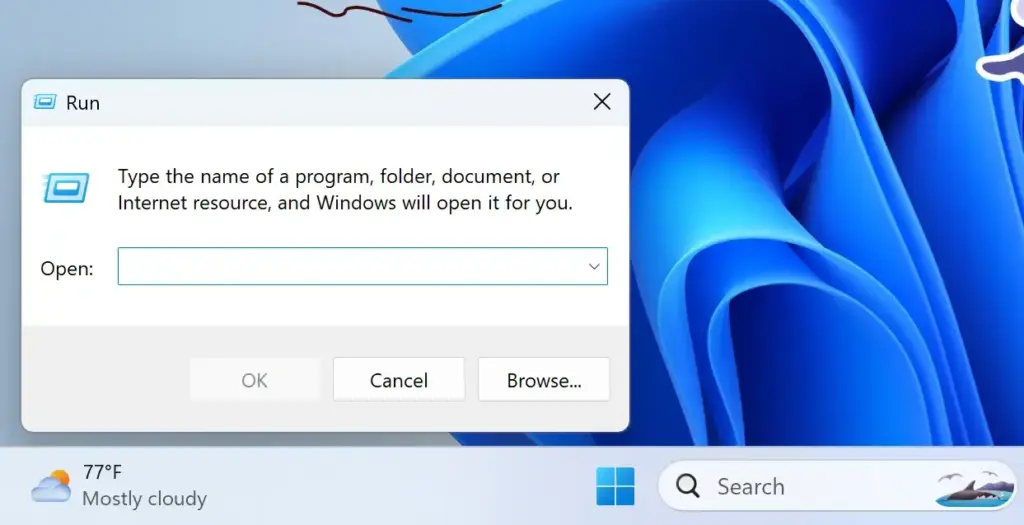
- Type regedit into the box and press Enter.
- If a User Account Control prompt appears asking if you want to allow this app to make changes to your device, click Yes.
- In the Registry Editor window, use the left-hand sidebar to navigate to the following location: HKEY_LOCAL_MACHINE\SOFTWARE\Policies\Microsoft\Windows\DeliveryOptimization
(If you do not see the DeliveryOptimization folder, right-click the Windows folder, select New Key, and name it DeliveryOptimization).
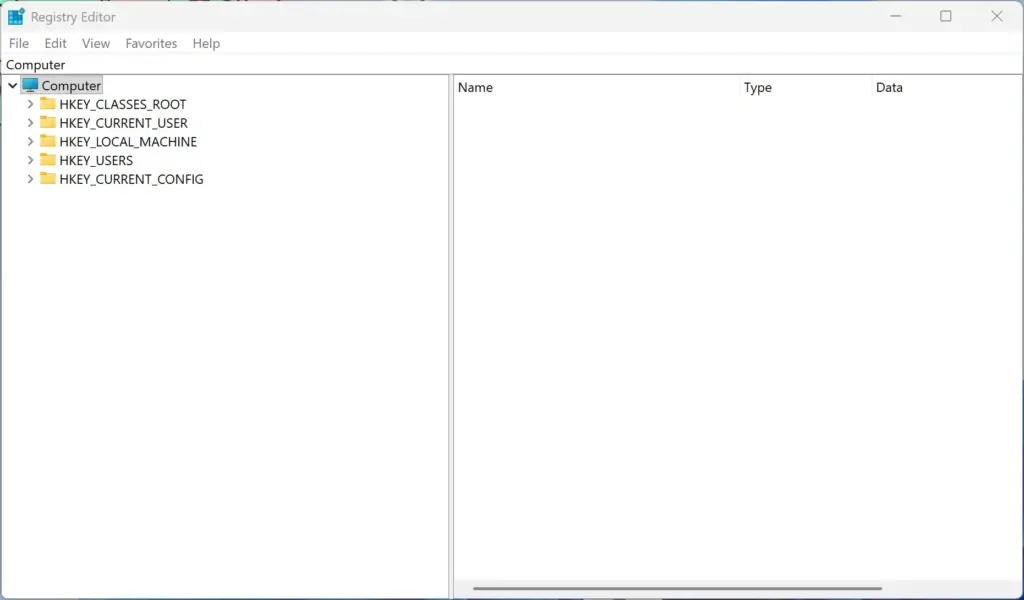
- With the DeliveryOptimization folder selected, right-click an empty space on the right-hand side panel, select New DWORD (32-bit) Value, and name it DODownloadMode.
- Double-click the newly created DODownloadMode value and change its value data to 0 (zero). Click OK.
- Setting this value to 0 completely disables background downloading from other peers and forces your system to rely solely on official Microsoft servers.
- Close the Registry Editor and restart your computer to apply the changes.
Summary
Windows 11 Delivery Optimization is a built-in feature designed to speed up file downloads by sharing your system updates with other computers over the network. While useful in office environments with fast business lines, it often slows down home internet connections, drains monthly data caps, and causes extra background network traffic unless you adjust the settings.
Was this guide helpful?

About the Author
Richard
Tech Writer, IT Professional
Richard is a writer at Geek Rewind who turns complex IT tasks into clear, step-by-step guides. He draws on years of hands-on experience in system administration and enterprise IT operations, focusing on Windows, Linux and WordPress: the problems people actually run into, and the fixes that work. His server and WordPress guides come from systems he runs himself. Richard builds and maintains the platform behind Geek Rewind, from its Ubuntu servers and Nginx configuration to its custom WordPress plugins. Many new tutorials start with readers' questions, and he's always glad to answer them in the comments.

No comments yet — be the first to share your thoughts!