What Breaks When You Stop Windows Update from Delivering Drivers

Stopping Windows Update from delivering drivers removes the automatic safety net for hardware like your graphics card, printer, audio chip, and Wi-Fi adapter. Without this feature enabled on Windows 10 or Windows 11, your PC relies entirely on manual installation and troubleshooting when hardware issues happen.
Blocking automatic driver updates often leads to broken hardware, missing security patches, and failing device features. Understanding these risks helps you decide whether you want to manage every single piece of hardware on your computer by hand.
Stopping Windows Update from delivering drivers removes your safety net, causing new devices to go unrecognized, security vulnerabilities to remain unpatched, gaming performance to drop, and power management features like sleep mode to fail. You must then manually download and install updates from the manufacturer website for every hardware component.
Understanding How Windows Manages Drivers
Windows manages drivers by automatically downloading the software your computer parts need to talk to your operating system whenever you plug in a new device. Microsoft tests these downloads directly with makers like Intel, AMD, and NVIDIA before release. This process keeps your mouse, keyboard, and graphics card working properly without requiring you to hunt down files yourself.
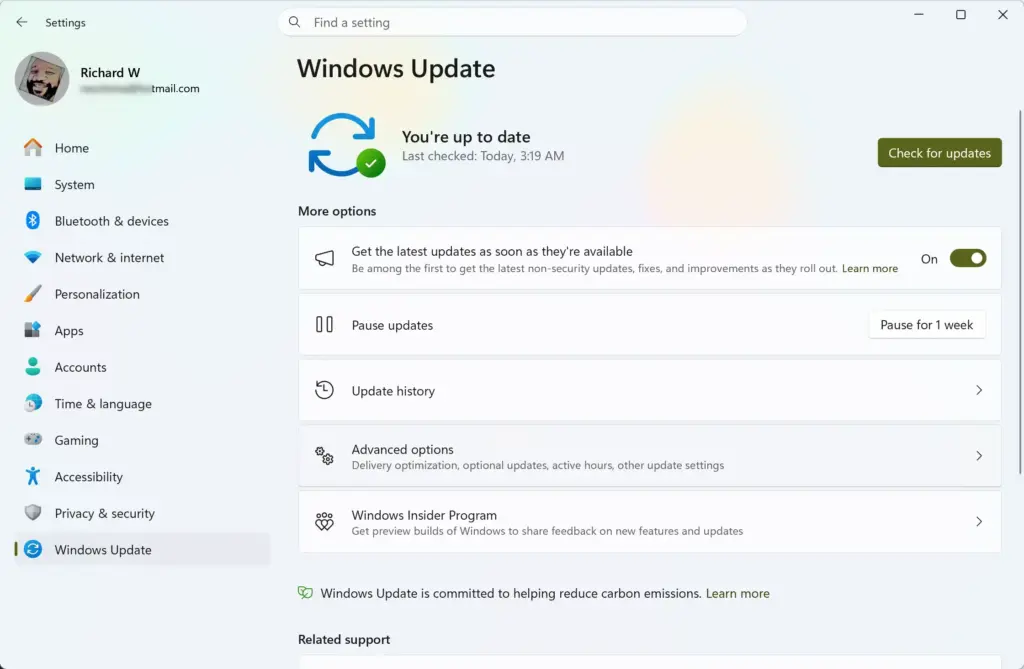
When Windows Update manages your drivers, Windows Update tries to ensure you always have a stable, certified version. Windows Update also patches security holes found in older software. If you decide to stop Windows Update from delivering drivers, you take full control of the update process. You become entirely responsible for finding, downloading , and installing every update your hardware needs.
What Breaks When You Stop Windows Update From Delivering Drivers?
Stopping Windows from updating your drivers might sound like a great way to prevent sudden computer glitches. However, it often leads to unexpected problems down the road. Blocking this feature triggers several predictable hardware and software failures.
1Automatic Hardware Recognition
Plug and Play automatically sets up new mice, keyboards, webcams, and game controllers the moment you connect them. It fetches the correct software through Windows Update in the background so you do not have to install anything yourself. If you block this feature, your computer will fail to recognize new parts and leave them listed as unknown devices.
- New devices may show up as unknown devices in your system settings.
- Basic hardware might work using generic Microsoft drivers, but advanced features will not function.
- You will need to manually download software from the manufacturer website every time you attach a new gadget.
2Security Vulnerabilities and Exploits
Driver security vulnerabilities happen because this software runs deep inside your computer with direct access to your memory and hardware. Hackers constantly target weak spots in outdated driver software to take control of machines. Microsoft and hardware makers regularly release security patches through Windows Update to fix these holes and protect your personal files from malicious attacks.
- Your system stays exposed to known security threats.
- Old vulnerabilities remain unpatched, making it easier for malicious software to infect your computer.
3Performance Drops in Games and Apps
Performance drops in games and apps happen when you stop Windows Update from delivering graphics drivers and fail to update them yourself. Graphics card makers release new software almost weekly to add critical speed improvements for newly released video games and heavy editing programs. Without these fresh updates, your games will start to lag, stutter, or crash completely while you play.
- Games may lag, stutter, or crash completely.
- Video editing and 3D rendering apps may run much slower.
- Visual bugs and screen flickering can occur because your software is out of sync with your hardware.
4Sleep Mode and Power Management Failures
Sleep mode and power management failures often happen when buggy power drivers control your USB ports, network cards, and motherboard chips without getting fixed by updates. Many Windows computers face issues where the machine fails to wake up from sleep mode or wakes up randomly on its own. When you block updates, these broken power drivers stay on your system indefinitely.
- Buggy power drivers remain installed indefinitely.
- Your laptop battery may drain quickly while closed because components fail to enter a low-power state.
- USB devices like keyboards and mice might stop responding after your computer wakes from sleep.
The Hidden Dangers:
Most tech articles tell you how to block driver updates, but they rarely discuss the long-term consequences. Let us look at two critical areas that are often ignored: the gradual decay of system stability and the trap of abandoned manufacturer websites.
The Slow Decay of System Stability
The slow decay of system stability occurs gradually when you stop Windows Update from delivering drivers while letting the rest of your operating system update normally. Over time, this creates a mismatch between your core system files and your frozen hardware drivers. This growing gap leads to strange errors, random blue screens of death, and a sluggish computer that eventually stops working right.
The Trap of Broken Manufacturer Support Pages
The trap of broken manufacturer support pages catches people who block automatic updates in Windows 10 and Windows 11 and plan to download drivers manually instead. While manual downloading sounds like a safe backup plan, smaller hardware makers often redesign their websites, break download links, or drop support for older products. Relying solely on manual downloads leaves you stuck with outdated software when you need a fix most.
How to Take Control of Your Drivers Safely
If a specific driver update keeps breaking your computer, you do not necessarily have to block all driver updates forever. You can use safer methods to manage your hardware.
Rolling Back a Broken Driver
You can do this quickly through the Device Manager menu in Windows. This handy troubleshooting step fixes sudden hardware failures, random crashes, and device errors caused by a faulty update without needing to reinstall your operating system.
- Right-click the Start button and select Device Manager.
- Find the device that is not working correctly and double-click it.
- Click on the Driver tab at the top of the window.
- Click the Roll Back Driver button if it is available.
- Follow the on-screen prompts and restart your computer.
Hiding Specific Updates
If you want to stop Windows from installing one specific troublesome driver while still allowing other updates, you can use specialized troubleshooting tools provided by Microsoft or adjust your system settings carefully.
Summary
Keeping automatic driver updates enabled ensures your hardware receives critical security patches and performance improvements without manual intervention.
```Was this guide helpful?

About the Author
Richard
Tech Writer, IT Professional
Richard is a writer at Geek Rewind who turns complex IT tasks into clear, step-by-step guides. He draws on years of hands-on experience in system administration and enterprise IT operations, focusing on Windows, Linux and WordPress: the problems people actually run into, and the fixes that work. His server and WordPress guides come from systems he runs himself. Richard builds and maintains the platform behind Geek Rewind, from its Ubuntu servers and Nginx configuration to its custom WordPress plugins. Many new tutorials start with readers' questions, and he's always glad to answer them in the comments.

No comments yet — be the first to share your thoughts!