Should You Use Windows 11 Taskbar Ungrouping

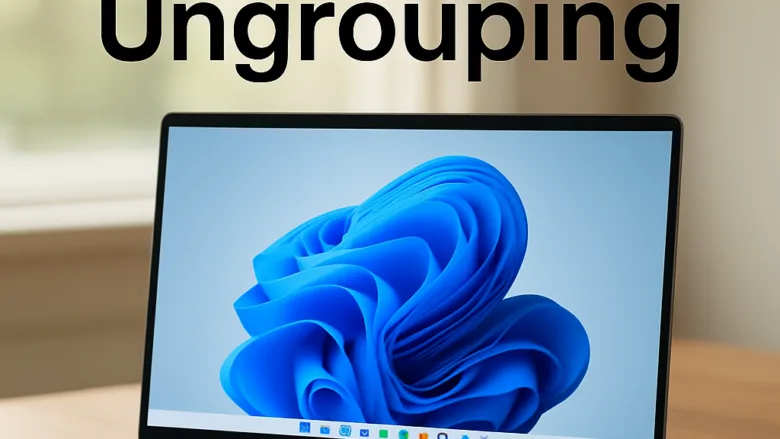

Windows 11 taskbar ungrouping splits stacked app icons into separate buttons with text labels so you can spot and open any window with one click. Microsoft added this feature back in build 23516, letting you see every open browser tab, document, or folder spread across the bottom of your screen instead of hiding them behind a single grouped icon.
Turning on this setting takes away the need to hover your mouse over stacked windows to find the right one. You can read the text label on each button and jump straight to the exact window you want.
Yes, you should use Windows 11 taskbar ungrouping if you want to switch between open windows with a single click and see clear text labels on your screen. However, you should skip it if you prefer a clean, minimal look or work on a smaller computer screen.
The History of Taskbar Grouping in Windows
The history of taskbar grouping in Windows began with older systems like Windows 7 that let you turn off the feature. When Windows 11 launched in 2021, Microsoft removed this option to keep the screen clean. After a lot of user feedback, Microsoft brought taskbar ungrouping back in a later update so you can see separate buttons for every open window again.
When Windows 11 launched in October 2021, Microsoft removed several classic taskbar features, including the ability to ungroup taskbar buttons and show text labels. The removal of taskbar ungrouping caused a massive uproar in online forums and support communities. Millions of office workers, writers, and power users complained that hiding taskbar labels slowed down your daily workflow.
Microsoft eventually responded to the feedback. Through regular system updates, they restored the feature. Today, as long as your Windows 11 computer is up to date, you have the native power to choose whether your icons stay grouped together or spread apart.
Pros of Using 🪟 Windows 11 Taskbar Ungrouping
The pros of using Windows 11 taskbar ungrouping include faster switching between open windows and clear text labels on every button. When you turn on this setting, you can click straight on the exact file or browser window you need without waiting for a preview box to pop up, which saves you time during a busy workday.
- Faster Switching: You can jump straight to a specific window with a single click. You do not have to wait for a preview window to pop up.
- Clear Text Labels: Each button shows a title. You can read the name of the document, website, or folder without guessing.
- Better Multitasking Control: It is much easier to keep track of multiple projects when every single window has its own permanent home on your screen.
- Familiar Feel: If you used older versions of Windows like Windows 7 or Windows 10 with ungrouped settings, this layout feels natural and comfortable.
Cons of Using 🪟 Windows 11 Taskbar Ungrouping
The cons of using Windows 11 taskbar ungrouping include a very crowded taskbar and less free space for your other app icons. Having a separate button and text label for every single open window means your taskbar fills up fast, making it hard to see everything if you like to keep dozens of browser tabs and programs open at the same time.
- Cluttered Taskbar: If you open ten different browser tabs and five text files, your taskbar fills up instantly. Icons start shrinking or overlapping if you run out of space.
- Less Screen Space for Other Icons: Because text labels take up a lot of horizontal room, you have less space for pinned apps and system tray items.
- Visual Mess: Users who prefer a minimalist, clean desktop might find a fully ungrouped taskbar overwhelming and messy to look at.
- Harder on Small Screens: If you use a small laptop screen, ungrouping buttons quickly crowds the taskbar, making it difficult to find anything at all.
How to Turn on Taskbar Ungrouping in 🪟 Windows 11
How to turn on taskbar ungrouping in Windows 11 is simple and takes just a few clicks through your main system settings. You need to open the Settings app, go to the Personalization menu, click on Taskbar options, expand the Taskbar behaviors list, and change the setting that combines taskbar buttons to never.
- Click the Start button on your screen and open the Settings app (the gear icon).
- Scroll down the list on the right and click on Taskbar.
- Find the setting that says Combine taskbar buttons and hide labels.
- Click the drop-down menu next to it and change it from Always to Never.
Your taskbar will instantly update. All your open windows will spread out into individual buttons with clear text labels.
Summary
The Windows 11 taskbar ungrouping setting splits your open app windows into separate buttons with text labels instead of stacking them under one single icon. Choosing to use the Windows 11 taskbar ungrouping feature depends on your personal screen size and how many programs you like to keep open at the same time on your computer.
Was this guide helpful?

About the Author
Richard
Tech Writer, IT Professional
Richard is a writer at Geek Rewind who turns complex IT tasks into clear, step-by-step guides. He draws on years of hands-on experience in system administration and enterprise IT operations, focusing on Windows, Linux and WordPress: the problems people actually run into, and the fixes that work. His server and WordPress guides come from systems he runs himself. Richard builds and maintains the platform behind Geek Rewind, from its Ubuntu servers and Nginx configuration to its custom WordPress plugins. Many new tutorials start with readers' questions, and he's always glad to answer them in the comments.

No comments yet — be the first to share your thoughts!