Should You Clear the Windows 11 Driver Store to Free Up Space

The Windows 11 driver store is a hidden system folder located at 📁C:\
Cleaning out old and unused driver packages safely wins back that storage space without breaking your computer, provided you use the right tools. You can safely clear old files using built-in Windows tools or disk cleanup commands, but you should never delete files manually from the folder itself.
Yes, you should clear the Windows 11 driver store to free up space, provided you use the built-in cleanup tools designed for the job. Windows safely removes older, unused driver packages while keeping active files that your hardware currently needs to run properly without breaking your system.
What Is the 🪟 Windows 11 Driver Store and Why Does It Grow?
The Windows 11 driver store located at 📁C:\
Windows keeps these files around for a very good reason. If a new driver update causes a problem, Windows can quickly switch back to the older version. This safety net prevents your screen from going black or your printer from stopping completely. Windows also stores these files so you can unplug and replug devices without having to reinstall their software every single time.
The problem is that Windows rarely deletes old driver packages on its own. When your graphics card, network adapter, or Bluetooth mouse gets an update, Windows saves the new version right next to the old one. Month after month, these old files pile up. If you have owned your computer for a few years, your driver store might be holding dozens of gigabytes of old software you will never use again.
Signs That Your Driver Store Is Too Full
Signs that your driver store is too full include a red storage bar in your file manager, an unusually large temporary files category in storage settings, and sudden computer slowdowns on smaller solid-state drives. When Windows accumulates too many outdated driver packages, your PC runs low on free disk space and struggles to download new updates.
Another sign is poor performance on smaller solid-state drives. When your drive gets too close to maximum capacity, Windows struggles to run smoothly. You might notice your computer freezing, taking longer to boot up, or failing to install new application updates because there is no room to unpack the installation files.
You can check the exact size of your driver store using a built-in command tool. Open your Start menu, type cmd, and click on Command Prompt. Type the command to view your drivers and press Enter. The system will generate a long list of all installed drivers and show you how much space they take up. If that number is higher than ten or fifteen gigabytes, cleaning the store is a smart move.
Is It Safe to Clear the Driver Store?
Clearing the Windows 11 driver store is completely safe as long as you use built-in tools like Disk Cleanup or Storage Settings. These official utilities feature smart safeguards that scan your system and automatically block the deletion of any active drivers currently required by your mouse, keyboard, display, or other hardware.
When you use the official cleanup methods in Windows 11, the operating system looks at every single driver package in the Driver Store. Windows checks to see if your current hardware relies on that specific package. If a driver is active and running your hardware, Windows leaves the active driver alone. If the driver is an older, unused version that has been replaced by a newer update, Windows removes the unused driver safely.
Windows protects these system folders, and forcing deletions manually can corrupt your operating system, break your hardware connections, and force you to reinstall Windows from scratch. Always use the approved methods outlined below.
How to Clear the Driver Store Safely in 🪟 Windows 11
You have a few different ways to clear out old drivers in Windows 11. These methods use official tools to ensure you do not break your system.
Method 1Use 🪟 Windows 11 Storage Settings
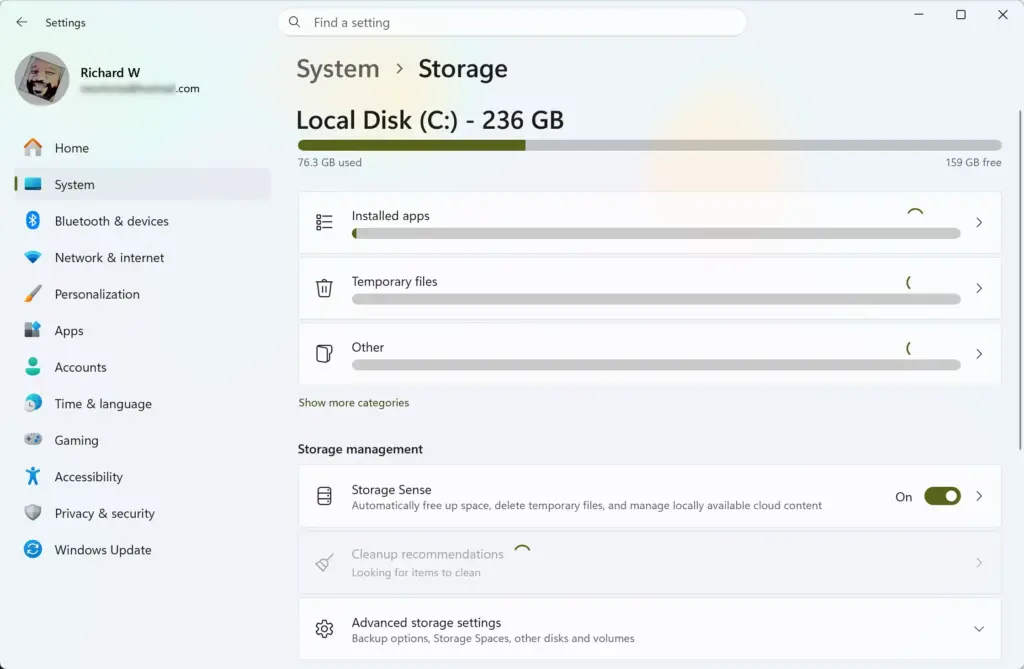
Using Windows 11 Storage Settings is the easiest way to clean your driver store without downloading extra software. You can safely remove old hardware files by opening your system settings, selecting storage options, and letting Windows scan for unnecessary driver packages that are safe to delete from your main hard drive.
Click the Start button and open the Settings app by clicking the gear icon.
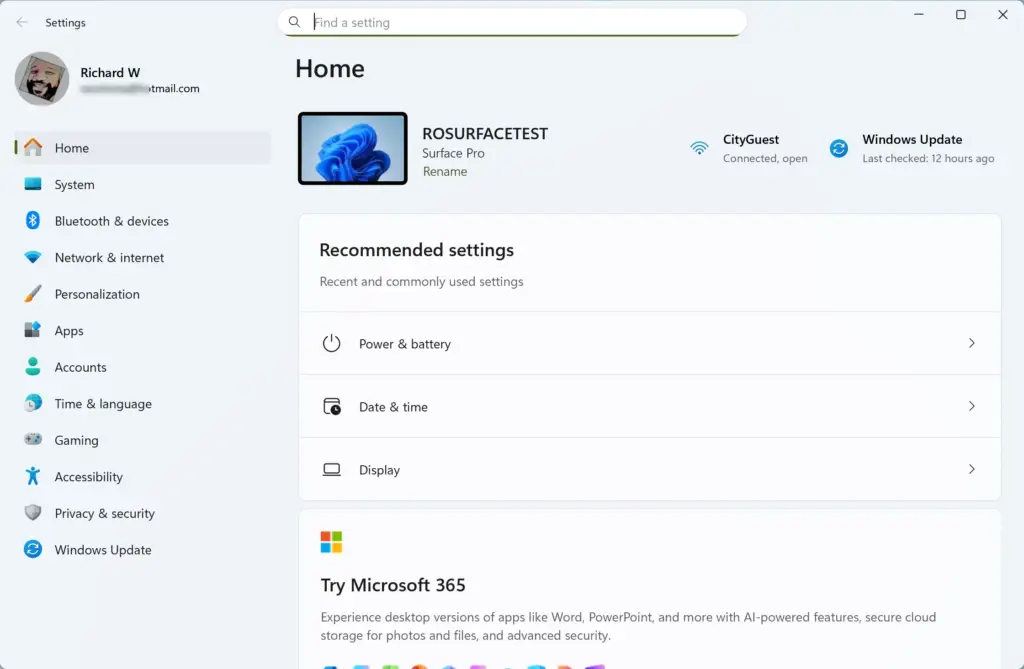
Click on System in the left sidebar, then click on Storage on the right.
Wait a moment for Windows to calculate what is using your space, then click on Temporary files.
Look through the list of items and check the box next to Previous Windows installations or look for options related to device driver packages. Note: Depending on your exact Windows update version, driver cleanup may also appear under suggested cleanup actions.
Click the Remove files button at the top or bottom of the screen.
Method 2Use Disk Cleanup
Using the classic Disk Cleanup tool in Windows 11 provides a fast way to find and delete old driver packages. By running this built-in utility with administrator privileges and selecting system file cleanup, you can easily get rid of hidden driver files that waste valuable space on your drive C:.
Click the Start button, type Disk Cleanup, and press Enter.
If a window pops up asking which drive to clean, choose your main drive, usually drive C:, and click OK.
Click the button that says Clean up system files. Note: This step requires administrator privileges. You may need to click Yes or type an administrator password to continue.
After you start the tool, the disk cleanup utility scans your Windows 11 system again to find all leftover temporary files and old driver packages. Once the scan finishes, you must look carefully through the detailed list of files to delete so you do not accidentally remove important data you still need.
Check the box labeled Device driver packages.
Click OK, then click Delete Files to confirm your choice.
Method 3Use Command Prompt for Advanced Cleanup
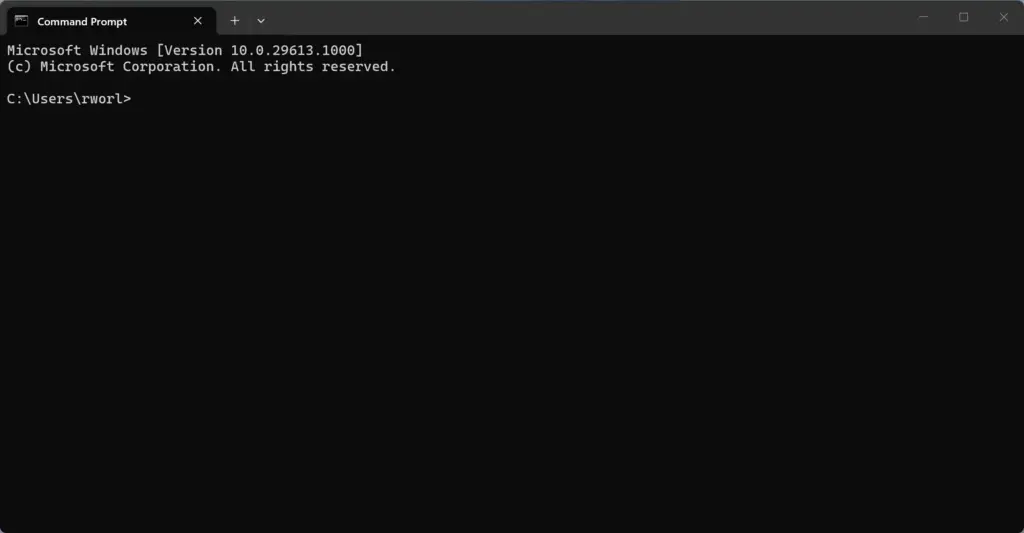
Using the Command Prompt with the DISM tool offers an advanced way to clean third-party drivers from your Windows 11 system. This text-based method lets experienced users view all installed packages and forcefully remove old hardware drivers that standard cleanup tools might miss during a regular scan.
Click the Start button, type cmd, right-click on Command Prompt, and select Run as administrator.
Type the following command to see your third-party drivers: dism /online /get-drivers
Review the list to see what is installed.
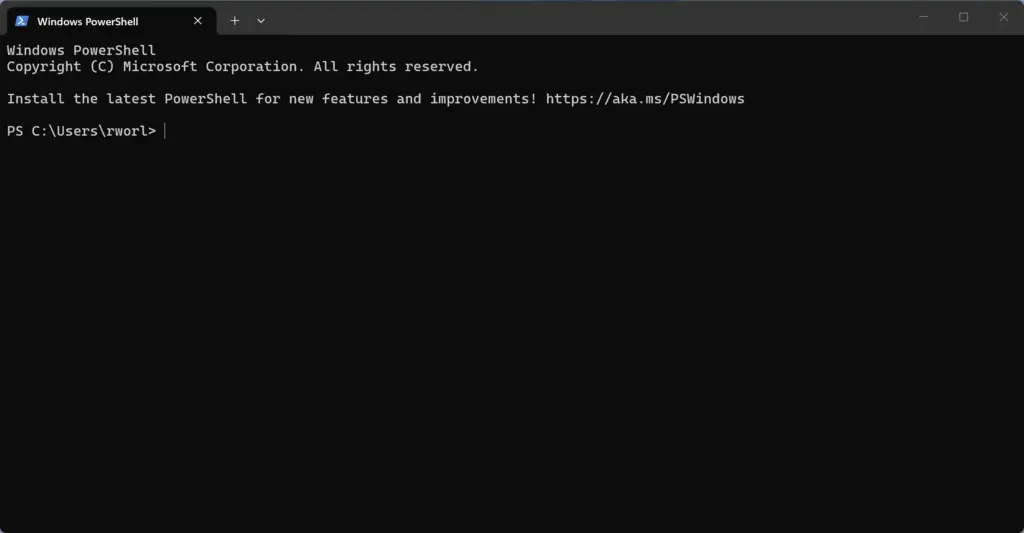
To remove old drivers automatically, you can use specialized PowerShell commands, but sticking to the Disk Cleanup tool is safer for everyday users.
Unique Angle: What Happens When You Delete Active Drivers by Accident?
Deleting an active driver by accident usually causes immediate hardware failure, such as your Wi-Fi disconnecting, your screen resolution dropping, or your sound stopping completely. While official Windows tools prevent this mistake, aggressive third-party cleaner software can sometimes strip away vital files your computer needs to run properly.
If an active driver is accidentally removed, you will usually notice an immediate hardware failure. Your Wi-Fi might disconnect, your sound might stop working, or your screen resolution might drop to a blurry, stretched-out default mode. If this happens, do not panic.
Your computer still has the basic generic drivers built into the operating system. You can easily fix the issue by connecting your computer to the internet via an ethernet cable or using a secondary device to download the latest driver from your computer manufacturer's website. Once you install the fresh driver, your hardware will work normally again.
Unique Angle: Preventing the Driver Store From Filling Up Again
Preventing your driver store from filling up again requires being selective with manual hardware updates and avoiding unnecessary software installations. Sticking to automatic Windows updates and skipping minor graphics or motherboard patches that your PC does not actually need will keep this important system folder small over time.
First, be selective with manual driver updates. If your graphics card or motherboard works perfectly fine, you do not need to install every single minor update that comes out. Each update adds a new package to your driver store.
Second, manage your Windows Update settings. While you should always keep your computer secure with the latest security patches, you can avoid installing optional driver updates that hardware manufacturers push through Windows Update. You can check optional updates by opening the Start menu, opening the Settings app, and going to Windows Update, then Advanced options, and finally Optional updates, where you can choose only what you actually need.
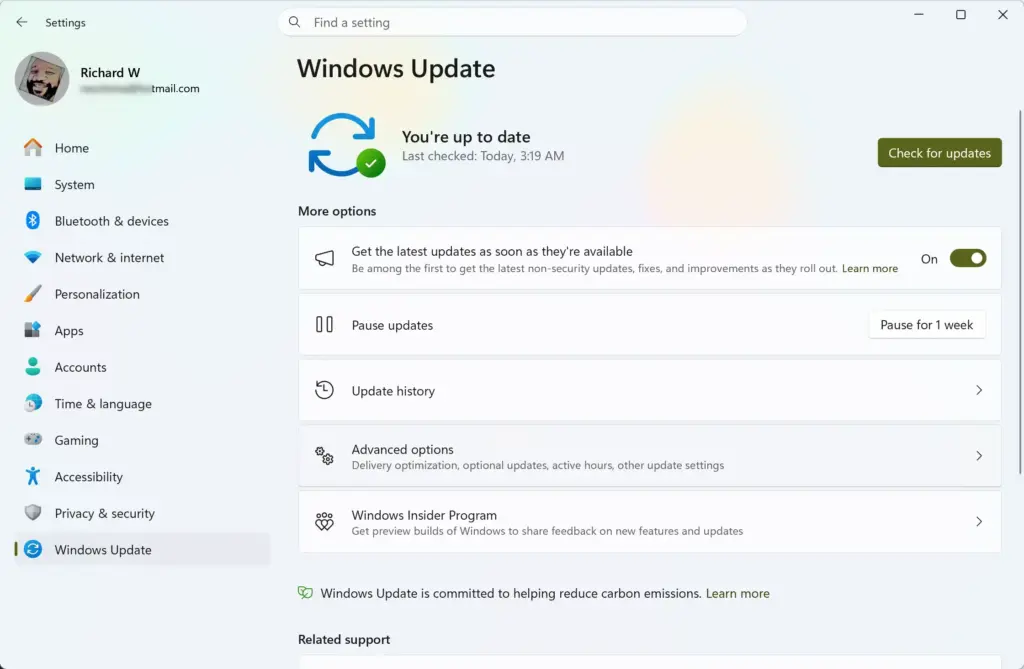
Finally, make it a habit to run the Disk Cleanup tool every few months. Adding this simple task to your regular computer maintenance routine ensures that old driver packages never grow large enough to steal your storage space again.
Summary
The Windows 11 driver store is a system folder that collects hardware software packages which grow in size over time and waste storage space. You can easily and safely reclaim gigabytes of disk space by using built-in tools like Storage Settings, Disk Cleanup, or Command Prompt to remove old driver versions.
Was this guide helpful?

About the Author
Richard
Tech Writer, IT Professional
Richard is a writer at Geek Rewind who turns complex IT tasks into clear, step-by-step guides. He draws on years of hands-on experience in system administration and enterprise IT operations, focusing on Windows, Linux and WordPress: the problems people actually run into, and the fixes that work. His server and WordPress guides come from systems he runs himself. Richard builds and maintains the platform behind Geek Rewind, from its Ubuntu servers and Nginx configuration to its custom WordPress plugins. Many new tutorials start with readers' questions, and he's always glad to answer them in the comments.
No comments yet — be the first to share your thoughts!