How to Make File Explorer Open to Mobile Device in Windows 11

File Explorer in Windows 11 lets you open directly to your connected mobile device storage instead of the default Home screen, saving you extra clicks whenever you plug in your phone. File Explorer is the built-in program you use to find, open, and manage files on your computer.
You can change this default start folder in just a few clicks through the Folder Options menu. Bypassing the Home screen lets you browse photos or transfer files from your phone right away.
Open File Explorer , click the three dots, select Options, and change “Open File Explorer to:” from the General tab dropdown. Select This PC, Mobile device, or another preferred location, then click OK.
Option 1The Simple Way – Using Folder Options
This method is perfect if you want to make the change quickly.
Open File Explorer
- Click the folder icon on your taskbar or press
Windows key + Eon your keyboard.
Find the Menu
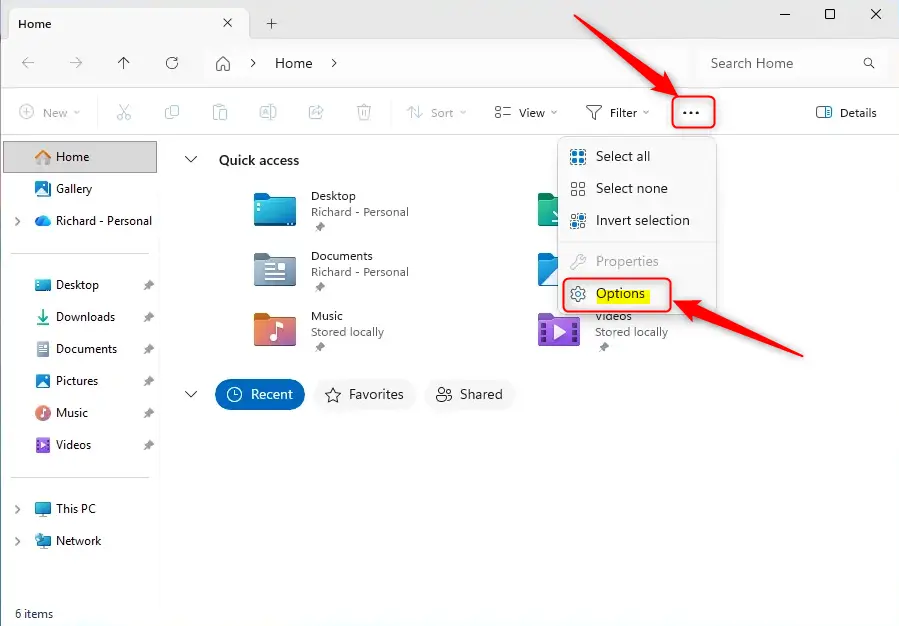
- At the top of the File Explorer window, find the three dots stacked vertically (
...). - Click the three dots.
Click the three vertical dots to open the main menu.
Click “Options”
- A small menu will appear. Click on “Options.”
- A window called “Folder Options” will open.
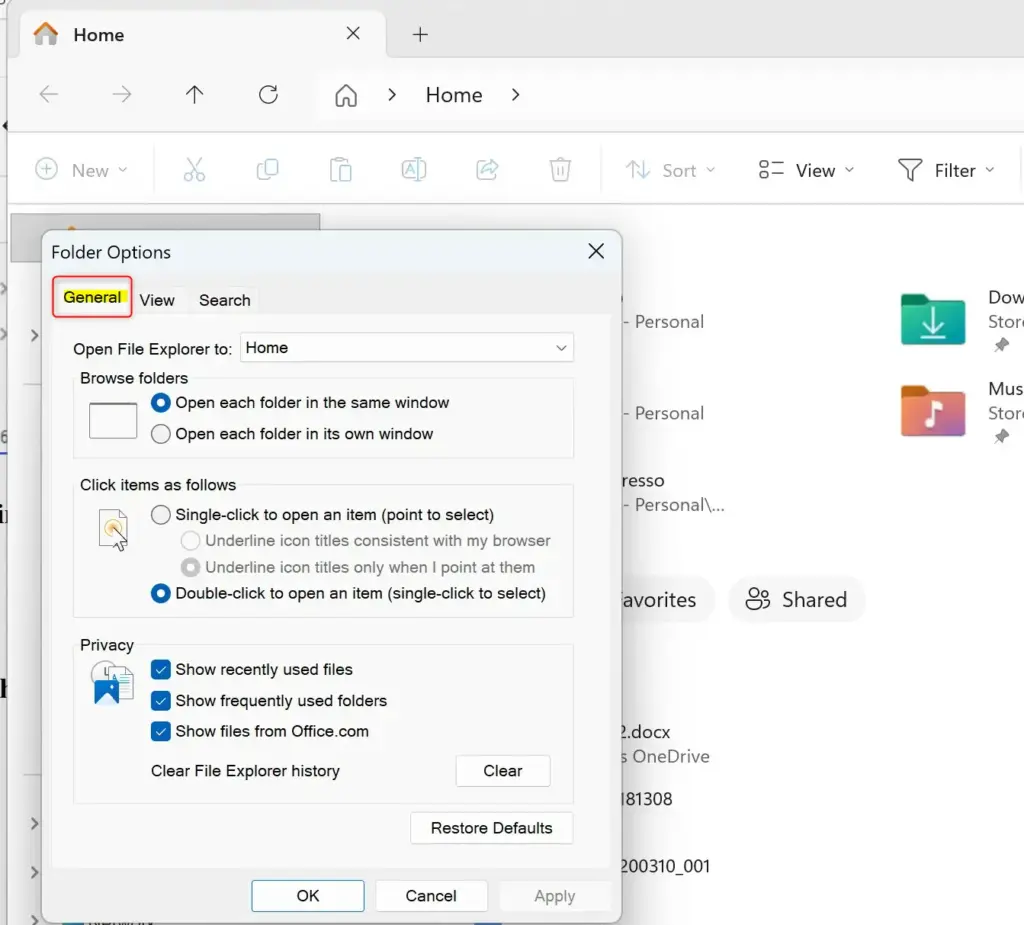
Find the Setting
- In the “Folder Options” window, look at the tabs at the top. Make sure you are on the “General” tab.
- Look for a setting that says “Open File Explorer to:”.
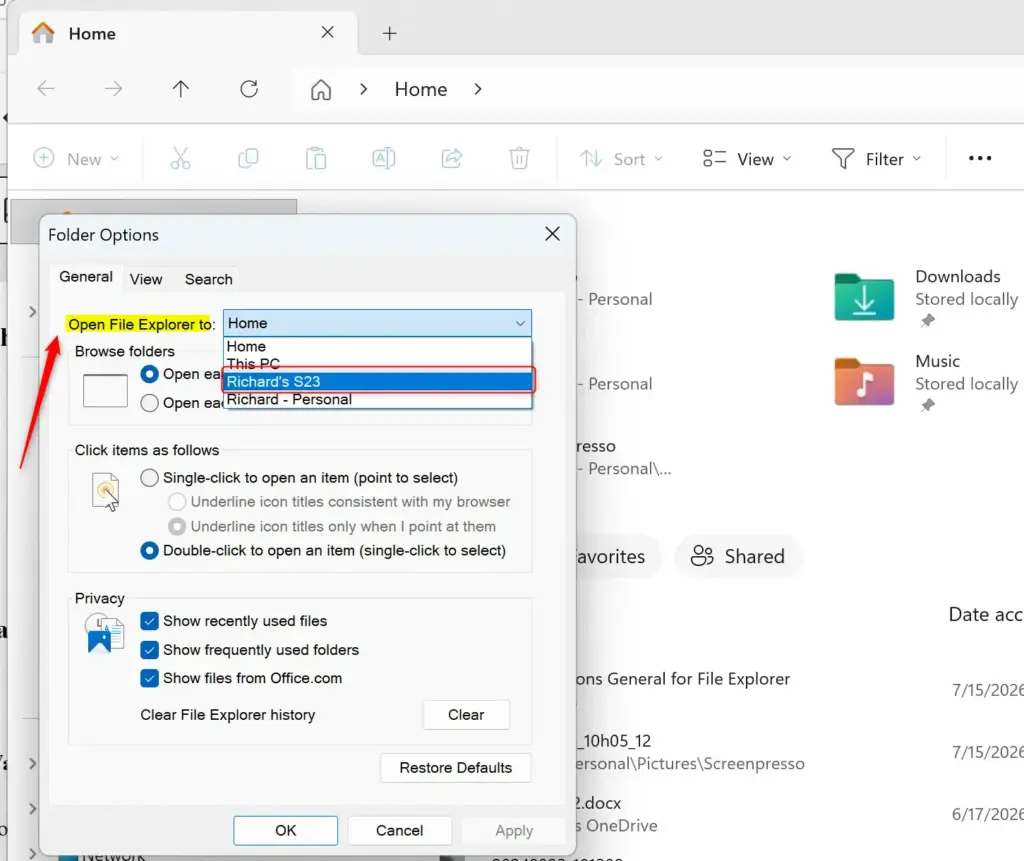
Choose Where It Opens
File Explorer mobile device settings let you change your startup folder so that your phone or tablet appears right when you launch the app. Open File Explorer, click the three dots at the top to open the menu, and choose Options. Under the General tab, look for the Open File Explorer to section to pick your default view.- Next to “Open File Explorer to:”, click the dropdown menu.
- You will see several choices:
- Home: This is the default. It shows your most used folders and recent files.
- This PC: This opens to your computer’s main drives and common folders like Documents and Downloads.
- Mobile device: If your phone or tablet is connected, you might see an option to open directly to its storage.
- OneDrive: If you use Microsoft’s cloud storage, this opens your OneDrive folder.
- Select the option you prefer. For example, if you often use your computer’s drives, “This PC” is a good choice.
Save Your Choice
- Click the “OK” button at the bottom of the “Folder Options” window.
Saving your file explorer mobile device setting requires you to click the OK button at the bottom of the Folder Options window. If you close the window without clicking OK, Windows discards your changes and File Explorer opens to its old location. Always confirm your choice before closing the settings box.
File Explorer now opens to the selected location when you close and reopen the File Explorer window. This change ensures File Explorer consistently starts at the chosen location, for example, the "This PC" view or a specific folder.
Option 2The Advanced Way – Using the Registry Editor
If you're comfortable making changes in Windows' system settings, you can use the Registry Editor to make File Explorer open to your mobile device. Back up your important data before editing the registry, as mistakes can cause system instability.
Why Use the Registry Editor?
Registry Editor (a database for Windows system settings) helps you force a file explorer mobile device startup when the standard settings menu does not work or show your connected phone. This advanced method lets you write custom registry keys to override the default startup folder and point directly to your connected hardware.
Steps to Change the Registry
Open the Run Box
- Press
Windows key + Ron your keyboard at the same time. The "Run" box will appear.
Start the Registry Editor
- In the "Open:" field of the Run box, type
regedit. - Press
Enteror click "OK."
Opening the Registry Editor for your file explorer mobile device setup starts by pressing the Windows key and R on your keyboard at the same time. Type regedit into the Run box that pops up on your screen, and then press Enter to launch the system tool where you can make your changes.
Go to the Right Place
- The Registry Editor looks a bit like File Explorer. You need to go to a specific section called a "key."
- Carefully type or copy and paste this path into the address bar at the top of the Registry Editor:
HKEY_CURRENT_USER\Software\Microsoft\Windows\CurrentVersion\Explorer\Advanced - Press
Enterafter you paste the path. This will take you to the correct spot.
Find or Create "LaunchTo"
- Look at the right side of the Registry Editor window. You are looking for something called
LaunchTo. - It might already be there. If not, don't worry.
How to create it if it's missing:
- Right-click on an empty space on the right side.
- A menu will appear. Move your mouse over "New."
- Click on "DWORD (32-bit) Value."
- A new item will appear. Type
LaunchToand press Enter.
Set the Value
- Double-click on
LaunchTo(whether you found it or created it). - A new window will open. Here you tell Windows where to open File Explorer.
- In the "Value data:" box, enter a number. Each number means something different:
- 0: Opens to Home (the default).
- 1: Opens to This PC.
- 2: Opens to Downloads.
- 3: Opens to Documents.
- 4: Opens to This PC (sometimes used for other locations, but 1 is standard for This PC).
- 5: Opens to Mobile device or OneDrive. Which one shows depends on your system.
- Enter the number for the location you want File Explorer to open to. For example, to open to Downloads, enter
2.
You can record the specific numbers or take a photo to avoid memorizing them. These numbers are important for accessing your mobile device's storage directly in File Explorer.
Save and Close
- Click "OK" in the "Edit DWORD (32-bit) Value" window.
- You can now close the Registry Editor window.
See the Changes
- To see the changes, you usually need to restart File Explorer. Close any open File Explorer windows and then open a new one.
- It should now open to the location you chose.
Sometimes a full restart is needed for registry changes to work everywhere.
Summary
You can change where File Explorer opens by default. The accessible way is using "Folder Options" in File Explorer itself. For more specific locations, you can use the Registry Editor, but be careful when making changes there.
Was this guide helpful?

About the Author
Richard
Tech Writer, IT Professional
Richard is a writer at Geek Rewind who turns complex IT tasks into clear, step-by-step guides. He draws on years of hands-on experience in system administration and enterprise IT operations, focusing on Windows, Linux and WordPress: the problems people actually run into, and the fixes that work. His server and WordPress guides come from systems he runs himself. Richard builds and maintains the platform behind Geek Rewind, from its Ubuntu servers and Nginx configuration to its custom WordPress plugins. Many new tutorials start with readers' questions, and he's always glad to answer them in the comments.
No comments yet — be the first to share your thoughts!