How to Change Account Type in Windows 11

You change a user account type in Windows 11 to switch between Standard User and Administrator privileges.
A Standard User account offers limited access, preventing system-wide changes, while an Administrator account provides full control over your PC.
This is crucial for managing security and permissions on your Windows 11 device, especially when multiple people share a computer.
You can perform this change for both Local Accounts and Microsoft Accounts, and the process takes just a few clicks.
Open Settings, navigate to Accounts > Other users, select the desired account, click “Change account type,” and choose between Standard User or Administrator. You must be signed in as an administrator to make these changes.
What’s the Difference?
- Standard User – Good for everyday use. You can run apps and change your own settings but can’t make big changes that affect other users. If you try something that needs admin permission, Windows will ask for an administrator’s password.
- Administrator – Has full control of the PC. Administrators can install software, change settings for all users, and approve permission requests.
Understanding the difference between a Standard User and an Administrator account in Windows 11 is key to managing your PC security and permissions effectively. A Standard User can run apps and change their own settings, but needs an admin password for bigger changes, while an Administrator has full control over the computer.
How to Change Account Type
Option 1Change Account Type Using Settings
- Press Win + I to open Settings.
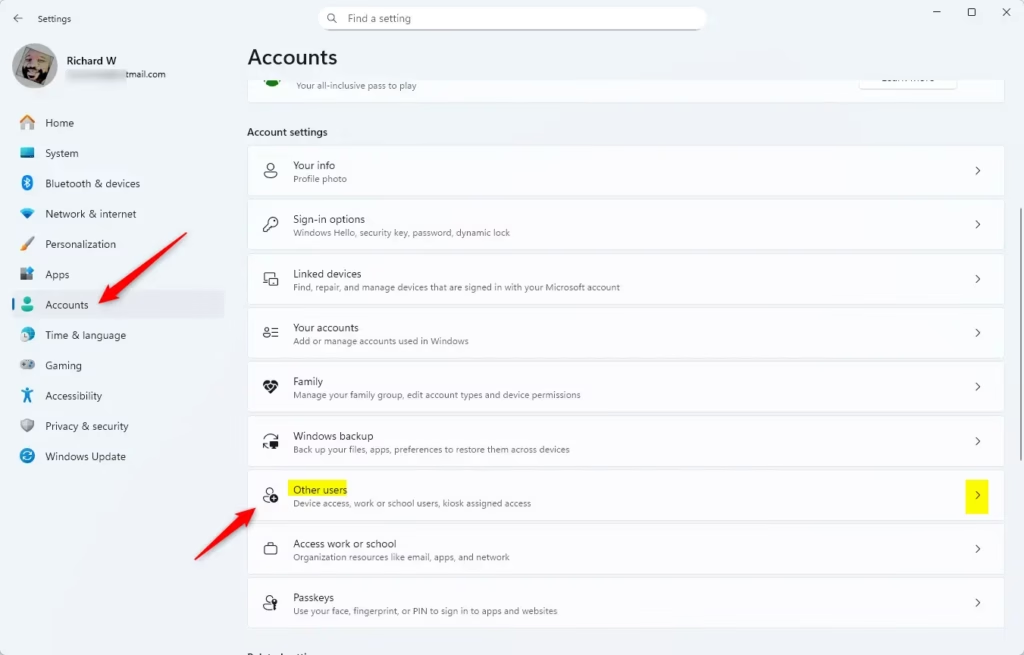
- Click Accounts on the left side, then select Other users on the right.
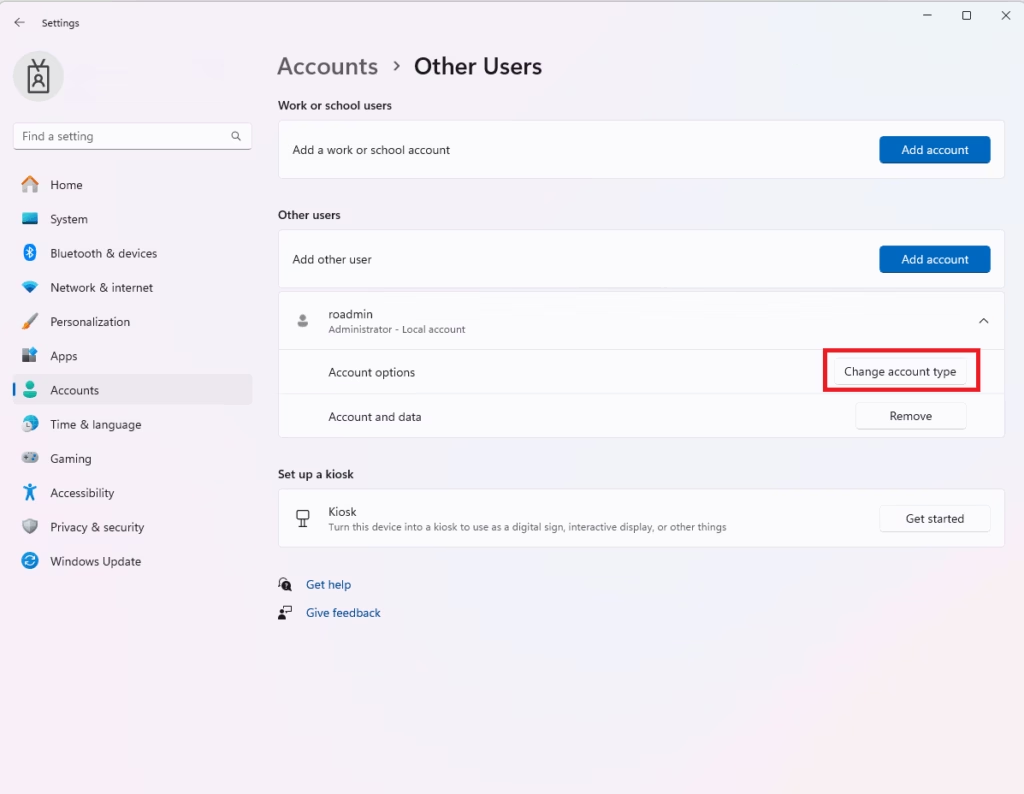
- Find the user account you want to change, click on it to expand, then click Change account type.
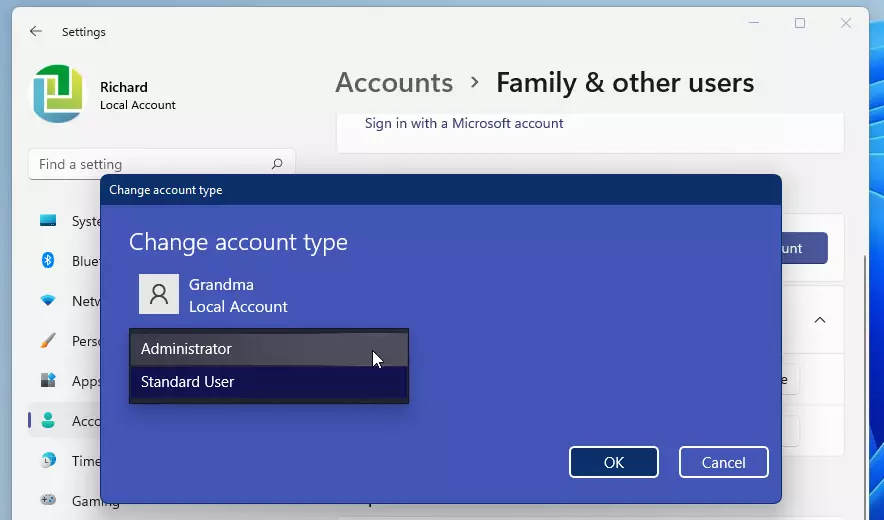
- Choose Standard User or Administrator from the dropdown menu, then click OK.
- Close Settings when you’re done.
You can easily change an account type in Windows 11 using the built-in Settings app, which is the most straightforward method for most users. This process involves navigating to the ‘Other users’ section, selecting the account you wish to modify, and then choosing between a Standard User or Administrator role.
Option 2Change Account Type Using Control Panel
For those familiar with older Windows versions, changing an account type in Windows 11 can also be done through the Control Panel. This method requires accessing the ‘User Accounts’ section, selecting the specific account, and then choosing the desired account type, either Standard User or Administrator.Option 3Change Account Type Using netplwiz (User Accounts Window)
- Press Win + R, type
netplwiz, and press Enter to open the User Accounts window. - If available, make sure the box Users must enter a user name and password to use this computer is checked.
- Select the user account you want to change, then click Properties.
- Go to the Group Membership tab.
- Select either Standard User or Administrator, then click OK.
- Click OK again to close the User Accounts window.
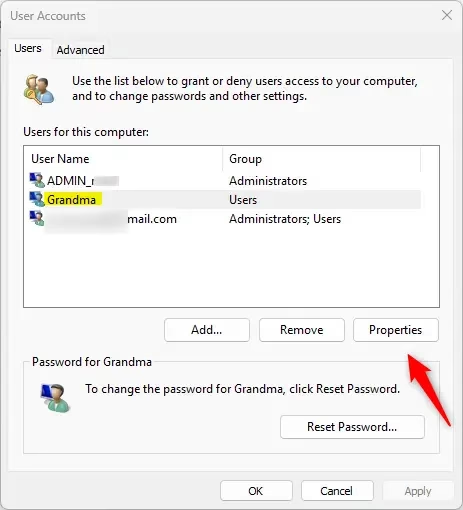
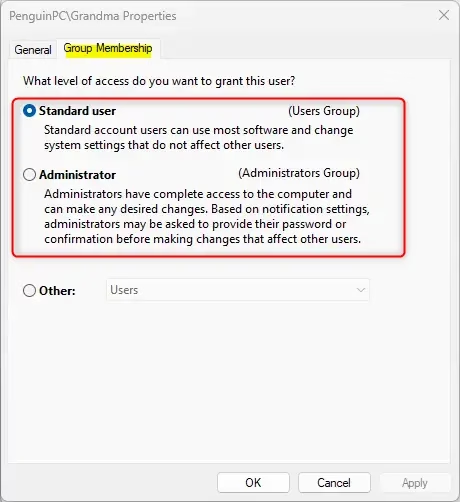
The netplwiz tool, also known as the User Accounts window, offers another way to change account types in Windows 11, especially useful if you need to manage user login requirements. By opening netplwiz and accessing the user’s properties, you can switch their group membership between Standard User and Administrator.
Option 4Change Account Type Using Command Prompt or PowerShell
Advanced users comfortable with command-line interfaces can change account types in Windows 11 using Command Prompt or PowerShell. This method involves running specific commands to add or remove users from the ‘administrators’ or ‘users’ groups, offering precise control over account privileges.
- Right-click the Start button and select Windows Terminal (Admin) or Command Prompt (Admin).
- To see which users are in each group, type these commands and press Enter after each:Code
net localgroup users
net localgroup administrators - To make someone a Standard User, type:Code
net localgroup users "UserName" /addReplace
UserNamewith the actual user name (for example, “Brink2”).
- To make someone an Administrator, type:Code
net localgroup administrators "UserName" /add - To remove a user from a group (for example, if you want to remove admin rights), type:Code
net localgroup administrators "UserName" /delete
net localgroup users "UserName" /delete
net localgroup guests "UserName" /delete - Close the terminal when done.
Summary
- Standard User accounts are for regular PC use without full control.
- Administrator accounts have full control and can change system settings.
- You can change account types in many ways: Settings, Control Panel, netplwiz, or Command Prompt.
- You must be signed in as an administrator to make these changes.
- Always keep at least one administrator account active on your PC.
- Managing accounts carefully helps keep your PC safe and running smoothly.
In summary, Windows 11 offers Standard User accounts for everyday tasks and Administrator accounts for full system control, and you can change account types using Settings, Control Panel, netplwiz, or Command Prompt. Remember, you must be signed in as an administrator to make these changes, and it’s crucial to always keep at least one administrator account active.
Is 🪟 Windows 11 a single user or multi user?
highlight} Note: Some of the multi-user operating systems are: Windows 2000, Linux, Ubuntu, Unix, Mac OS X, Windows 10, Windows 11, etc.
Was this guide helpful?

About the Author
Richard
Tech Writer, IT Professional
Richard, a writer for Geek Rewind, is a tech enthusiast who loves breaking down complex IT topics into simple, easy-to-understand ideas. With years of hands-on experience in system administration and enterprise IT operations, he’s developed a knack for offering practical tips and solutions. Richard aims to make technology more accessible and actionable. He's deeply committed to the Geek Rewind community, always ready to answer questions and engage in discussions.



No comments yet — be the first to share your thoughts!