Why Does Your Windows 11 Screen Keep Flickering After a Graphics Driver Update

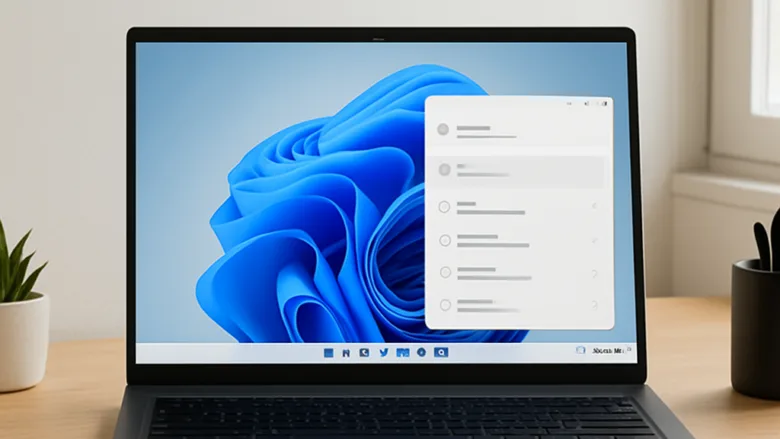
Screen flickering after a graphics driver update happens when new display software clashes with your current monitor settings or hardware. This issue usually starts right after a fresh update installs, causing your display to jump, blink, or turn completely black.
Bad software installation, outdated display adapters, or refresh rate mismatches typically trigger the problem and make normal tasks like typing or browsing hard to do. You can fix this screen jumping by rolling back the driver, updating your display adapter, or adjusting your refresh rate back to normal.
Your Windows 11 screen keeps flickering after a graphics driver update because the new software conflicts with your monitor, display settings, or older programs. You can fix this issue by right-clicking the Start button , selecting Device Manager, opening Display adapters, right-clicking your graphics card, and clicking Roll Back Driver.
Why Does Screen Flickering Happen After an Update?
Screen flickering happens after a graphics update because new software files often contain bugs, fail to install cleanly over older versions, or reset your display refresh rate to an unsupported speed. When your graphics driver cannot communicate properly with your monitor, your Windows 11 display starts blinking constantly.
Before you worry, it helps to check if your physical screen is broken or if it is just a software glitch. Most of the time, a quick software tweak or a driver rollback will completely solve the issue.
Step 1Check If Task Manager Flickers
Checking if Task Manager flickers on Windows 11 helps you figure out whether your graphics driver is broken or if a background app is causing the issue. If your main screen keeps flashing while the Task Manager window stays completely steady, the problem is likely an incompatible third-party application rather than your core display driver.
If that does not work because your screen is jumping too much, press Ctrl+Alt+Del and select Task Manager from the screen that pops up.
Look closely at your monitor. Does the Task Manager window flicker along with the rest of your screen, or does Task Manager stay completely still while everything else flashes?
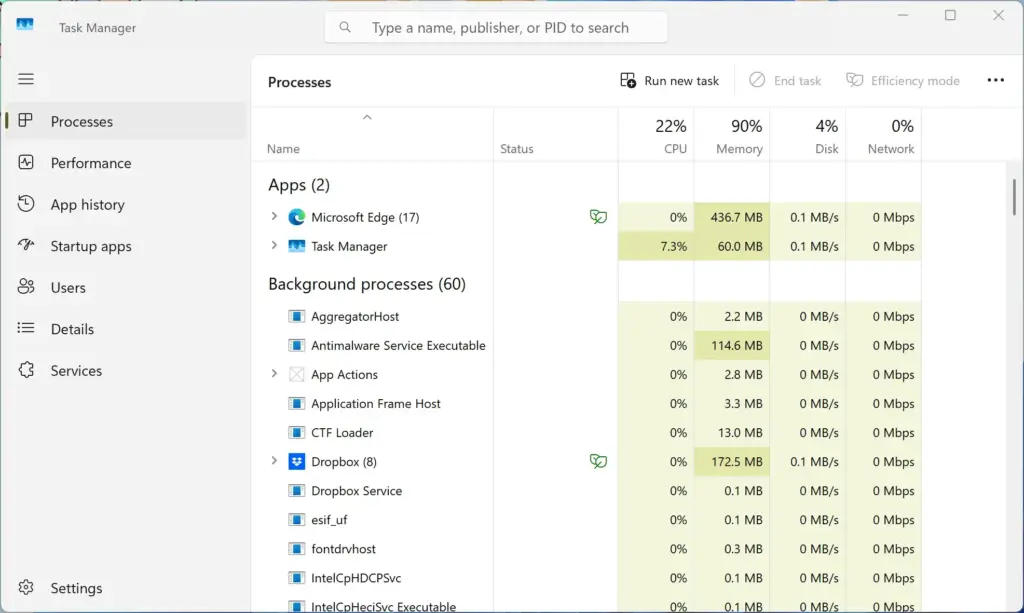
What your screen does next tells you what to do next:
- If Task Manager flickers: Your display driver is likely causing the issue. Move on to the steps below to fix or roll back your driver.
- If Task Manager does NOT flicker: An incompatible or outdated app on your computer is causing the trouble. Skip down to the section about removing problematic apps.
Step 2Roll Back Your Graphics Driver
Rolling back your graphics driver replaces the problematic update with the older, stable version that worked before. This process replaces the problematic new software with the older, stable version of the driver that worked properly before you installed the latest update.
- Right-click the Start button at the bottom of your screen and select Device Manager. (Note: This step requires administrator privileges.)
- Find the category named Display adapters and click the small arrow next to it to open the list.
- Right-click your graphics card name (such as Intel, AMD, or NVIDIA) and select Properties.
- Click on the Driver tab at the top of the new window.
- Click the Roll Back Driver button if it is available and not greyed out.
- Follow the instructions on your screen, choose a reason why you are rolling back, and click Yes.
- Restart your computer when the process finishes.
Step 3Completely Uninstall and Reinstall Your Graphics Driver
You should use this method when the roll-back option is greyed out in Device Manager or when reverting to an older driver version fails to stop your screen from flickering.
- Right-click the Start button and select Device Manager. (Note: This step requires administrator privileges.)
- Expand the Display adapters section.
- Right-click your graphics card and select Uninstall device.
- Check the box that says Attempt to remove the driver for this device if you see it.
- Click Uninstall.
- Restart your computer. When Windows starts back up again, it will automatically notice that your graphics driver is missing and install a fresh, working copy.
Step 4Update or Uninstall Incompatible Apps
Background programs like antivirus software, old web browsers, or screen recorders sometimes clash with a new graphics update. Removing these conflicting programs will often resolve screen flickering issues immediately if your core display driver is actually working fine.
- Click the Start button and open the Settings app.
- Click on Apps on the left side, then click on Installed apps on the right.
- Look through the list for any apps you recently installed or updated right before your screen started flashing.
- Click the three dots next to the problematic app and select Uninstall. Follow the prompts to remove it.
- Restart your computer to see if the flickering stops.
Step 5Change Your Monitor Refresh Rate
Adjusting your refresh rate fixes screen flickering caused by a graphics update pushing your display too hard. Adjusting this setting back to a stable, supported frequency tells your graphics card to send images at a rate your monitor can process without blinking.
- Right-click any empty space on your desktop and select Display settings.
- Scroll down the page and click on Advanced display.
- Look for the option that says Choose a refresh rate.
- Click the drop-down menu and select a different number (for example, change it from 144Hz down to 60Hz).
- Check if your screen stops flickering. If it does not, try another number from the list until you find one that works smoothly.
Step 6Disconnect External Monitors and Docking Stations
Disconnecting external monitors and docking stations helps resolve Windows 11 screen flickering by stopping your computer from sending conflicting display signals through HDMI or USB-C ports. Graphics updates frequently confuse multi-monitor setups, so stripping your workstation down to a single primary screen is a quick way to test for hardware conflicts.
Unplug all external monitors, projectors, and docking hubs from your computer. Leave only your primary laptop screen or single main monitor attached. Restart your computer and check if the flickering disappears. If your screen stops flashing, plug your extra devices back in one at a time to find out which specific cable, adapter, or monitor is causing the conflict.
Step 7Check Cable Connections and Hardware Ports
Checking your cable connections and hardware ports ensures a loose HDMI or DisplayPort cable is not mimicking the symptoms of a bad graphics driver update. Physical hardware issues often get exposed when you move your computer case or desk around while restarting your PC after installing system updates.
Unplug the video cable from the back of your computer monitor and from your computer tower or laptop port. Look closely inside the ends to make sure no dust or bent pins are blocking a secure connection. Firmly plug the cable back in until it clicks or sits completely flush. If you have a spare video cable lying around, swap out your current cable to rule out a broken wire.
Summary
Fixing a flickering computer screen after a graphics driver update on Windows 11 involves a few straightforward troubleshooting steps like testing with Task Manager, rolling back unstable driver software, adjusting your monitor refresh rate, or checking your physical video cables. Working through these proven methods will help you restore your display back to normal without needing professional help.
Windows 11 screen flickering after a graphics driver update often stops when you check Task Manager and adjust your screen refresh rate. If those initial troubleshooting steps do not fix the display issue, you can move on to cleaning out bad graphics drivers or removing conflicting software applications from your computer. By taking your time and following each repair step carefully, you can make your monitor stop flashing in no time.
Was this guide helpful?

About the Author
Richard
Tech Writer, IT Professional
Richard is a writer at Geek Rewind who turns complex IT tasks into clear, step-by-step guides. He draws on years of hands-on experience in system administration and enterprise IT operations, focusing on Windows, Linux and WordPress: the problems people actually run into, and the fixes that work. His server and WordPress guides come from systems he runs himself. Richard builds and maintains the platform behind Geek Rewind, from its Ubuntu servers and Nginx configuration to its custom WordPress plugins. Many new tutorials start with readers' questions, and he's always glad to answer them in the comments.
No comments yet — be the first to share your thoughts!